Die Cutter Price Guide: Cost-Effective Solutions for Precision Cutting Equipment

+86-577-58918888
All Categories

die cutter price

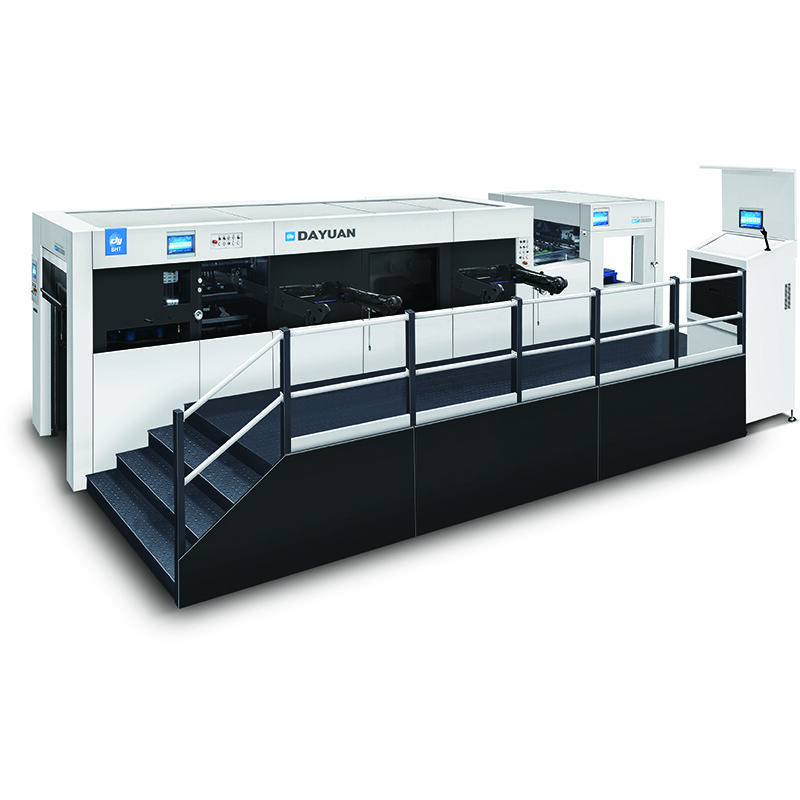
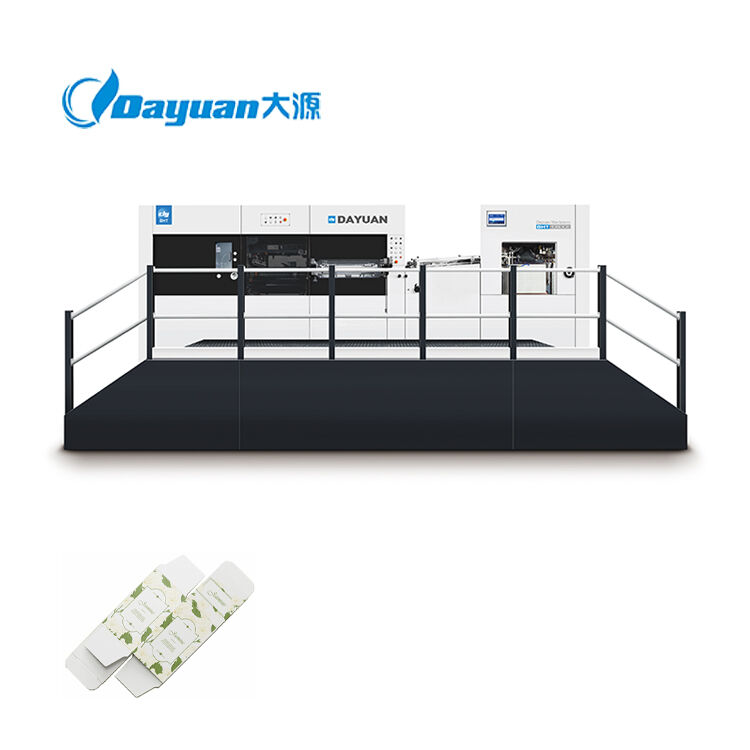
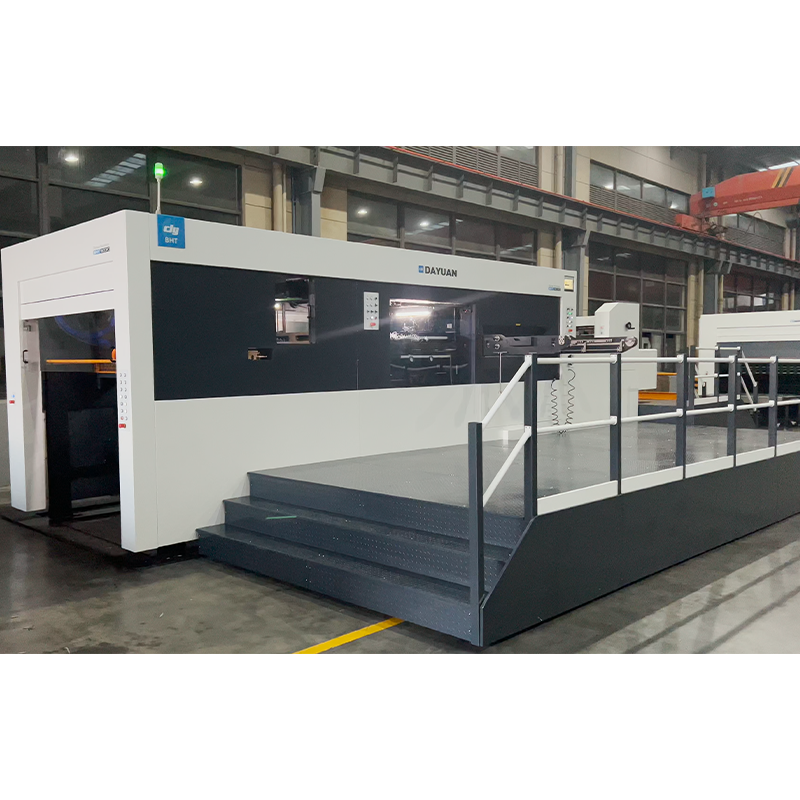
Understanding die cutter price requires examining the comprehensive value proposition these machines offer to businesses across manufacturing, packaging, and creative industries. A die cutter represents a specialized piece of equipment designed to cut materials into precise shapes and patterns using sharp steel blades formed into specific configurations. The die cutter price varies significantly based on machine capabilities, ranging from manual desktop units costing several hundred dollars to fully automated industrial systems priced at hundreds of thousands of dollars. When evaluating die cutter price, businesses must consider not just the initial investment but the long-term return through increased production efficiency, reduced labor costs, and enhanced product quality. Modern die cutters incorporate advanced technologies including digital controls, servo motors, precision positioning systems, and intelligent material feeding mechanisms. These machines excel at processing diverse materials such as paper, cardboard, corrugated board, foam, rubber, leather, fabric, and thin plastics. The primary functions include kiss cutting, through cutting, creasing, perforating, and embossing, enabling manufacturers to create everything from simple shapes to intricate designs with multiple operations in a single pass. Die cutter price considerations extend beyond the machine itself to encompass tooling costs, maintenance requirements, operational training, and consumable expenses. Applications span numerous sectors including packaging production for retail products, label manufacturing, gasket fabrication, greeting card creation, leather goods production, and prototype development. The technological features influencing die cutter price include cutting force capacity measured in tons, maximum sheet size, precision tolerances, automation level, speed capabilities, and integration possibilities with existing production lines. Businesses investing in die cutters benefit from consistent output quality, reduced material waste through optimized nesting, faster turnaround times, and the flexibility to handle custom orders economically. The die cutter price reflects the engineering sophistication required to deliver repeatable accuracy while maintaining durability under continuous production demands.

New Products

Choosing the right equipment at an appropriate die cutter price delivers substantial practical benefits that directly impact your bottom line and operational efficiency. First and foremost, these machines dramatically reduce production time compared to manual cutting methods, allowing your business to complete orders faster and accept more projects without expanding your workforce. A well-priced die cutter eliminates the inconsistency inherent in hand cutting, ensuring every piece meets exact specifications regardless of which shift produces it or how many thousands you manufacture. This consistency translates to fewer customer complaints, reduced rework expenses, and stronger brand reputation for quality. The die cutter price you pay correlates with labor savings that accumulate month after month, as one operator can oversee machine production that would otherwise require multiple workers with scissors or knives. Worker safety improves significantly since employees no longer perform repetitive cutting motions that lead to strain injuries and costly workers compensation claims. Your material utilization increases because die cutters can nest shapes efficiently, extracting more finished products from each sheet and directly reducing your raw material expenses. The versatility offered even at moderate die cutter price points means you can handle diverse customer requests without outsourcing, keeping those profit margins in-house while controlling quality and delivery schedules. Setup times decrease as you build a library of dies for repeat jobs, allowing quick changeovers between different products throughout your production day. The precision these machines deliver enables you to work with thinner, less expensive materials that would tear or deform under manual cutting pressure, opening new cost-saving opportunities. Businesses find that a reasonable die cutter price investment pays for itself through waste reduction alone within the first year of operation. Quality improvements let you command premium pricing since customers recognize the superior finish and accuracy your die-cut products exhibit. Production scalability becomes manageable because adding capacity means running existing equipment longer hours rather than hiring and training additional manual cuters. The die cutter price also reflects durability, with properly maintained machines delivering decades of reliable service, spreading the investment across millions of cuts. Modern machines at competitive die cutter price levels include user-friendly controls that reduce training time, getting new employees productive quickly without extensive technical backgrounds. Your business gains flexibility to accept rush orders and custom work that competitors using manual methods cannot profitably produce, expanding your market opportunities and revenue streams while the die cutter price remains fixed.

Tips And Tricks

Why Is a Die Cutting Machine Essential for Consistent and Repeatable Paper Cutting Tasks?

15

Jan

Why Is a Die Cutting Machine Essential for Consistent and Repeatable Paper Cutting Tasks?

In the world of manufacturing and production, precision and repeatability are paramount for maintaining quality standards and operational efficiency. When it comes to paper processing applications, achieving consistent cuts across thousands or millio...
View More
Why Is Blade Quality Critical for Consistent Performance in Paper Cutter Machines?

18

Mar

Why Is Blade Quality Critical for Consistent Performance in Paper Cutter Machines?

The precision and efficiency of paper cutter machines directly depend on the quality of their cutting blades, making blade selection one of the most critical factors in achieving consistent performance across industrial applications. Professional pri...
View More
How Does a 98,000㎡ Manufacturing Facility Ensure the Reliability of Paper Cutter Machines?

18

Mar

How Does a 98,000㎡ Manufacturing Facility Ensure the Reliability of Paper Cutter Machines?

Manufacturing excellence in the paper processing industry requires precise equipment and rigorous quality control measures. Large-scale production facilities spanning 98,000 square meters face unique challenges when ensuring the reliability of paper ...
View More
Why Should Your Paper Die Cutting Machine Be Part of an Intelligent Production Line for Smart Manufacturing?

02

Apr

Why Should Your Paper Die Cutting Machine Be Part of an Intelligent Production Line for Smart Manufacturing?

Modern manufacturing demands more than isolated equipment operating independently. The question of why your paper die cutting machine should integrate into an intelligent production line reflects a fundamental shift toward smart manufacturing paradig...
View More

Get a Free Quote

Our representative will contact you soon.
Email
Name
Company Name
Required Product
Message
0/1000

die cutter price

Cost Efficiency Through Reduced Labor and Material Waste

Cost Efficiency Through Reduced Labor and Material Waste

The die cutter price represents an investment that fundamentally transforms your cost structure by addressing the two largest expense categories in manufacturing operations: labor and materials. When you examine the financial impact closely, the economics become compelling regardless of your business size. Traditional manual cutting requires skilled workers spending hours carefully following patterns, measuring repeatedly, and maintaining concentration to avoid errors. A single die cutter operator can supervise equipment producing what five to ten manual workers might accomplish, and the machine never experiences fatigue or distraction. This labor multiplication effect means the die cutter price pays for itself through salary savings alone, typically within twelve to eighteen months depending on your production volume. Beyond the direct wage savings, you eliminate overtime costs during busy periods because the machine maintains consistent speed regardless of deadline pressure. The precision inherent in die cutting technology reduces material waste from an industry-typical eight to fifteen percent down to two to four percent, and this improvement continues delivering savings every single production day. Consider that material costs often represent thirty to fifty percent of product pricing, so even modest waste reduction creates substantial profit improvement. The die cutter price also buys you advanced nesting software capabilities that optimize how shapes are arranged on sheets, squeezing additional finished units from the same raw material quantity. This intelligent material usage becomes especially valuable when working with expensive substrates like specialty papers, leather, or technical fabrics where every square inch carries significant cost. Businesses report that scrap reduction alone often covers half the die cutter price within the first operational year. The consistency these machines deliver eliminates costly rejected batches that fail quality standards, preventing the double loss of wasted materials plus labor time spent on unusable products. Employee injuries from repetitive cutting motions decrease dramatically, reducing workers compensation insurance premiums and avoiding the productivity disruptions when experienced staff members take medical leave. The die cutter price includes technological refinements like adjustable cutting pressure and depth control that prevent damage to delicate materials, further minimizing expensive waste. Quality improvements enabled by precise die cutting allow you to use thinner, lighter, and less expensive materials that manual methods would damage, creating ongoing procurement savings without sacrificing product integrity or customer satisfaction.
Production Speed and Scalability for Business Growth

Production Speed and Scalability for Business Growth

Understanding die cutter price in the context of production capabilities reveals how these machines serve as growth enablers rather than mere expense items. Modern die cutters operate at speeds that seem almost impossible compared to manual alternatives, with industrial units completing thousands of precision cuts per hour while maintaining tolerances measured in fractions of millimeters. This speed advantage means you can accept larger orders without extending lead times, making your business more competitive when bidding against companies still using manual methods. The die cutter price you invest translates directly into capacity that scales with your ambitions rather than being limited by workforce availability. During seasonal peaks or unexpected demand surges, simply extending machine operating hours provides the additional output needed without the complications of hiring temporary workers, conducting training, or managing expanded teams. The reliability built into machines justifying their die cutter price ensures consistent production schedules that build customer trust and enable you to promise delivery dates confidently. Setup efficiency represents another temporal advantage, as experienced operators can swap dies and adjust settings in minutes, allowing profitable production of even small batch custom orders that manual cutting makes economically unfeasible. This flexibility opens entirely new market segments and revenue opportunities that remain inaccessible to competitors bound by manual process limitations. The die cutter price includes sophisticated controls that store job settings digitally, enabling instant recall of specifications for repeat orders without measurement or adjustment time. Businesses discover they can profitably accept rush orders at premium pricing because machine speed makes expedited production feasible without disrupting the regular production schedule. The scalability extends beyond pure speed to encompass complexity, as die cutters handle intricate designs with multiple operations including cutting, creasing, and perforating simultaneously, operations that would require multiple manual steps and quality checkpoints. This process compression accelerates throughput while reducing handling damage and tracking complications. Companies find that reasonable die cutter price points provide capacity headroom supporting years of business growth without requiring additional capital equipment investments. The production data modern machines generate helps identify bottlenecks and optimization opportunities, creating continuous improvement possibilities that manual operations cannot match. Market responsiveness improves dramatically because you can quickly prototype new designs, test market reaction, and scale production immediately when products succeed, compressing the innovation cycle that determines competitive advantage in fast-moving industries.
Quality Consistency and Professional Results That Command Premium Pricing

Quality Consistency and Professional Results That Command Premium Pricing

The relationship between die cutter price and output quality represents perhaps the most compelling yet frequently underestimated advantage these machines deliver. Precision engineering embedded in equipment justifying significant die cutter price creates repeatable accuracy that manual processes simply cannot achieve regardless of worker skill or experience. Every cut occurs at exactly the specified location with identical pressure and blade angle, eliminating the variation that characterizes hand cutting even when performed by experienced craftspeople. This consistency means the first piece cut on Monday morning looks identical to the ten-thousandth piece produced Friday afternoon, providing quality assurance that builds customer confidence and reduces inspection requirements. Businesses discover that investing in appropriate die cutter price levels enables them to compete for contracts with major retailers and brands that demand documented quality control and statistical process capabilities manual operations cannot provide. The clean, precise edges these machines produce create professional appearances that customers immediately recognize and appreciate, allowing you to command premium pricing that competitors using manual methods cannot justify. Die cutting technology eliminates the slight variations, rough edges, and occasional errors inherent in human-performed tasks, delivering perfection that becomes your brand signature. The die cutter price includes precision registration systems ensuring that multiple operations like cutting and creasing align perfectly, critical for folding cartons and dimensional products where misalignment causes assembly problems and customer complaints. Complex geometries featuring tight curves, sharp corners, and intricate details that challenge even skilled manual cutters become routine production tasks, expanding your design possibilities and creative differentiation. The consistency extends beyond cutting to include uniform kiss-cutting depth when working with layered materials, preventing damage to backing sheets while ensuring easy liner removal. Customers notice quality differences immediately when comparing die-cut products against manually cut alternatives, with the superior results justifying higher pricing that improves your profit margins on every sale. The die cutter price investment signals market positioning, as businesses using professional equipment naturally attract customers seeking quality rather than those shopping purely on price. Repeatability eliminates the variation that causes problems in customer assembly operations or automated packaging lines, making your components preferred suppliers for demanding applications. The technological sophistication reflected in die cutter price points includes features like optical registration systems that automatically align printed sheets for perfect cutting relative to graphics, essential for labels and packaging where visual precision defines quality perception. Defect rates plummet because machine consistency eliminates human error sources like mismeasurement, distraction, fatigue, or technique variation between different workers. This reliability reduces costly rework, customer returns, and the reputation damage that quality problems create in competitive markets where buyers quickly shift to more dependable suppliers.

Get a Free Quote

Our representative will contact you soon.
Email
Name
Company Name
Required Product
Message
0/1000