Die Cutting Machine Solutions - Precision Cutting Equipment for Manufacturing Excellence

+86-577-58918888
All Categories

die cutting machine

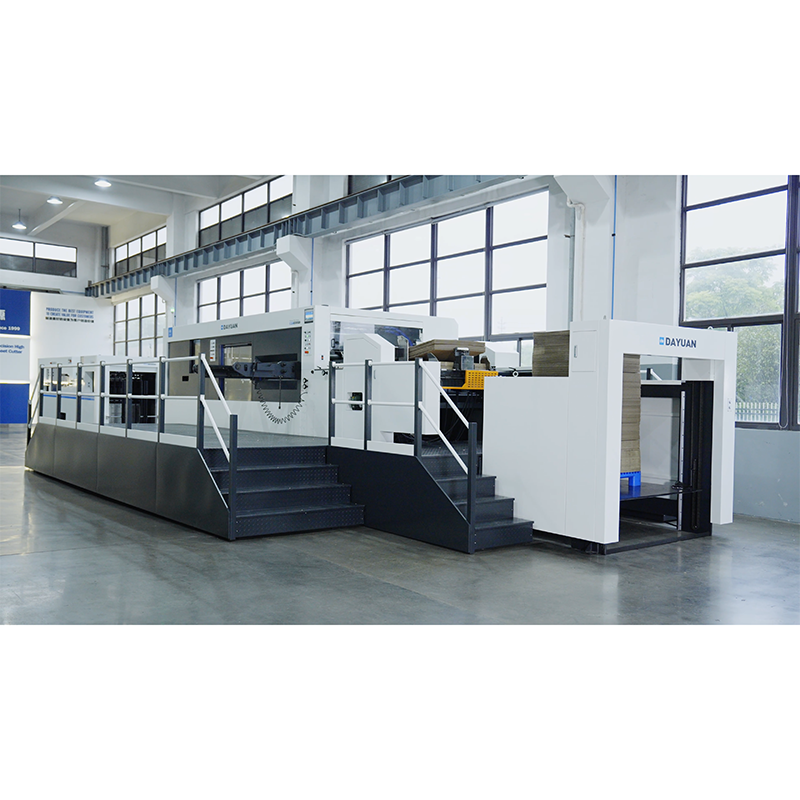
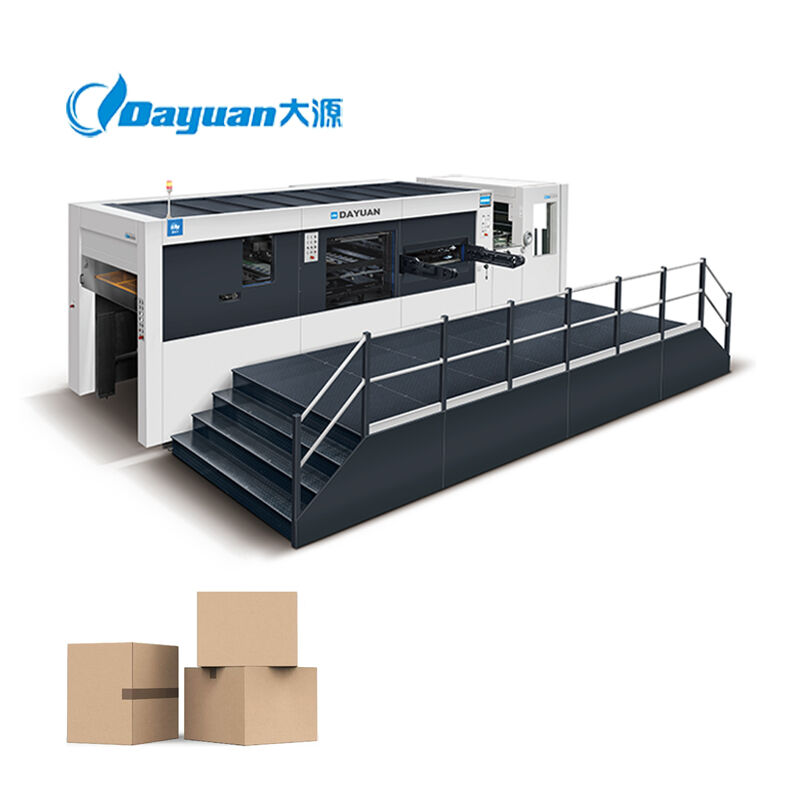
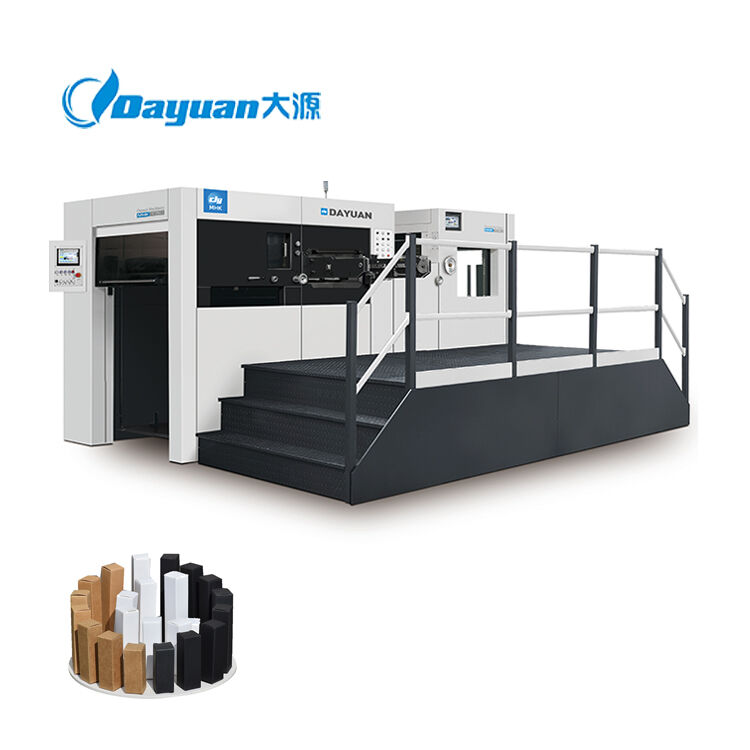
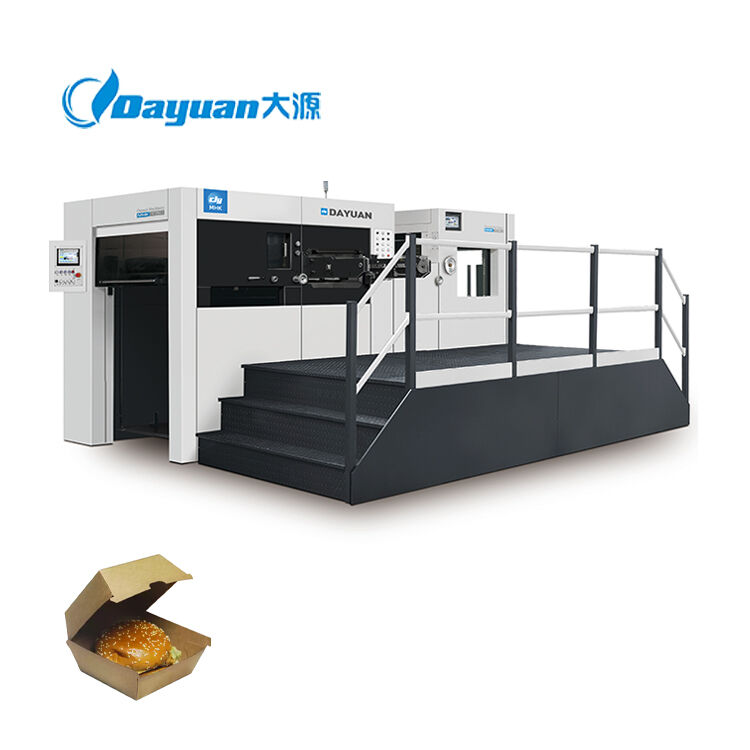
A die cutting machine represents a sophisticated manufacturing solution designed to cut, shape, and form various materials with exceptional precision and consistency. This versatile equipment utilizes sharp steel blades, known as dies, configured into specific patterns to slice through materials ranging from paper and cardboard to leather, fabric, rubber, foam, and even thin metals. The fundamental principle involves pressing a die with tremendous force against the material, creating clean, accurate cuts that replicate the desired shape repeatedly. Modern die cutting machines integrate advanced hydraulic or mechanical systems that deliver controlled pressure, ensuring uniform results across thousands or even millions of cycles. The technology has evolved significantly from manual lever-operated devices to fully automated computerized systems capable of processing materials at remarkable speeds. These machines feature adjustable pressure settings, allowing operators to calibrate force levels according to material thickness and density. Many contemporary models incorporate digital interfaces that enable precise programming of cutting parameters, cycle timing, and production sequences. The cutting area dimensions vary considerably depending on machine specifications, with industrial models accommodating large format materials while desktop versions serve smaller applications. Safety mechanisms including emergency stops, protective guards, and automatic shutoff features ensure operator protection during operation. Die cutting machines employ either flatbed or rotary configurations, each offering distinct advantages for specific production requirements. Flatbed systems excel at handling thicker materials and intricate designs, while rotary machines deliver higher throughput for continuous production runs. The technological sophistication extends to quick-change die systems that minimize downtime between jobs, pneumatic material feeding mechanisms that streamline workflow, and waste removal systems that maintain clean work environments. Temperature control features in specialized models enable processing of heat-sensitive materials without degradation. These machines serve industries spanning packaging, printing, automotive, textiles, electronics, medical device manufacturing, and craft production, demonstrating their universal applicability across diverse sectors.

Popular Products

Investing in a die cutting machine transforms production capabilities by delivering numerous practical benefits that directly impact your bottom line and operational efficiency. First and foremost, these machines dramatically increase production speed compared to manual cutting methods, enabling you to fulfill larger orders within shorter timeframes and respond quickly to market demands. The consistency factor cannot be overstated because every piece cut by the machine matches exactly, eliminating variations that occur with hand cutting and ensuring that your products maintain uniform quality standards that customers expect. This precision reduces material waste significantly since the machine calculates optimal layout patterns to maximize material usage, meaning you extract more finished products from each sheet or roll of raw material, directly lowering your material costs. Labor efficiency improves substantially because one operator can supervise a die cutting machine producing hundreds or thousands of pieces, whereas manual cutting requires multiple workers to achieve similar output, allowing you to reallocate human resources to value-added tasks. The repeatability advantage means you can reproduce exact specifications months or years later without quality degradation, which proves essential when customers reorder products or when you need to maintain brand consistency across production batches. Safety improvements emerge because workers no longer handle sharp cutting tools repeatedly, reducing workplace injuries and associated costs while creating a more secure manufacturing environment. Versatility stands as another major advantage since you can process numerous material types with the same machine by simply changing dies, eliminating the need for multiple specialized cutting tools and saving valuable floor space. The professional finish achieved through die cutting enhances product appeal because clean, precise edges look superior to hand-cut alternatives, potentially commanding premium pricing in the marketplace. Setup efficiency has improved dramatically with modern machines featuring quick-change die systems that minimize transition time between different products, maximizing productive hours throughout your workday. Scalability becomes achievable because as your business grows, the same machine handles increased volumes without proportional increases in labor costs, supporting business expansion without requiring complete equipment replacement. Energy efficiency in contemporary models keeps operational costs manageable while supporting environmental sustainability goals that resonate with eco-conscious customers. The reduced skill requirement compared to manual cutting means new employees become productive faster, decreasing training time and associated costs while maintaining quality standards from day one. Customization capabilities allow you to create unique shapes and designs that differentiate your products from competitors, opening new market opportunities and enabling rapid prototyping of innovative concepts without expensive tooling investments.

Tips And Tricks

How Does a High-Precision Paper Cutter Machine Ensure Perfect Edge Quality for Fine Printing?

10

Feb

How Does a High-Precision Paper Cutter Machine Ensure Perfect Edge Quality for Fine Printing?

In the demanding world of fine printing and commercial printing operations, achieving consistently perfect edge quality remains one of the most critical challenges facing print professionals. The difference between an acceptable print job and an exce...
View More
What Maintenance Routines Extend the Lifespan of Your Industrial Paper Cutter Machine?

18

Mar

What Maintenance Routines Extend the Lifespan of Your Industrial Paper Cutter Machine?

Proper maintenance of an industrial paper cutter machine is crucial for maximizing operational efficiency and extending equipment lifespan in commercial printing environments. These sophisticated cutting systems require systematic care to maintain pr...
View More
What Regular Maintenance Keeps Your Paper Die Cutting Machine’s Creasing and Cutting Tools in Top Shape?

02

Apr

What Regular Maintenance Keeps Your Paper Die Cutting Machine’s Creasing and Cutting Tools in Top Shape?

Maintaining optimal performance in your paper die cutting machine requires systematic attention to the creasing and cutting tools that form the heart of your production operation. These precision components endure tremendous stress during high-volume...
View More
How Do You Select the Right Paper Cutter Machine for Heavy-Duty vs. Light-Duty Applications?

02

Apr

How Do You Select the Right Paper Cutter Machine for Heavy-Duty vs. Light-Duty Applications?

Selecting the appropriate paper cutter machine for your specific operational requirements involves understanding the fundamental differences between heavy-duty and light-duty applications. The choice you make directly impacts productivity, operationa...
View More

Get a Free Quote

Our representative will contact you soon.
Email
Name
Company Name
Required Product
Message
0/1000

die cutting machine

Unmatched Precision Engineering for Consistent Quality Output

Unmatched Precision Engineering for Consistent Quality Output

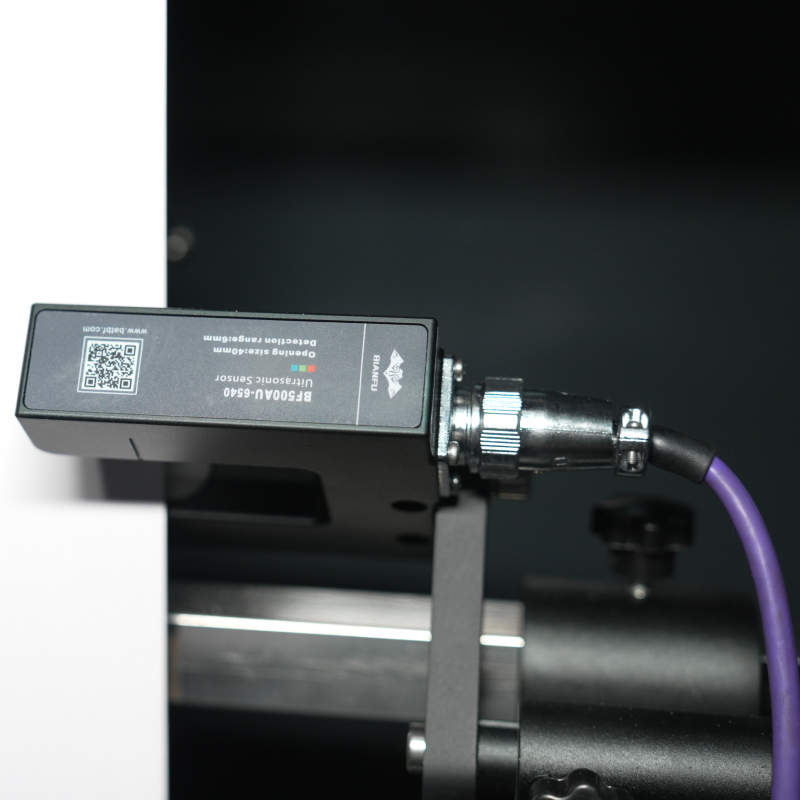
The die cutting machine delivers precision that fundamentally transforms manufacturing quality standards through its engineered approach to material processing. Unlike manual cutting methods where human variability introduces inconsistencies, this equipment replicates exact specifications with microscopic accuracy across unlimited production runs. The precision originates from multiple technological factors working in concert to achieve remarkable results. The dies themselves undergo precision manufacturing using computer-controlled machining processes that create cutting edges accurate to thousandths of an inch, establishing the foundation for consistent output. The machine's pressure distribution system ensures uniform force application across the entire cutting surface, preventing uneven cuts that compromise product quality. Registration systems incorporating optical sensors or mechanical guides position materials precisely before each cutting cycle, maintaining alignment tolerances that preserve design integrity even with intricate patterns featuring multiple elements. This accuracy proves particularly valuable when producing components that must interface with other parts in assembly processes, as dimensional consistency eliminates fitting problems and assembly rejections. The temperature stability features in advanced models prevent thermal expansion that could introduce dimensional variations during extended production runs, maintaining specifications throughout shifts. Vibration dampening systems eliminate oscillations that might otherwise cause edge irregularities, ensuring that each cut edge remains clean and burr-free. This precision translates directly into customer satisfaction because products exhibit professional quality that reflects positively on your brand reputation. When producing packaging materials, the accurate cutting ensures that boxes fold properly and display graphics align perfectly, creating attractive presentations that enhance product appeal on retail shelves. For gasket manufacturing, the dimensional accuracy guarantees proper sealing performance in critical applications where leakage could cause equipment failure or safety hazards. In textile applications, precise cutting eliminates material waste from oversized pieces while ensuring that components match properly during sewing operations, improving production efficiency downstream. The repeatability aspect means that quality remains constant whether you produce the first piece or the hundred thousandth piece, providing peace of mind that specifications will be met consistently without constant monitoring and adjustment that manual methods require.
Exceptional Operational Efficiency That Maximizes Production Capacity

Exceptional Operational Efficiency That Maximizes Production Capacity

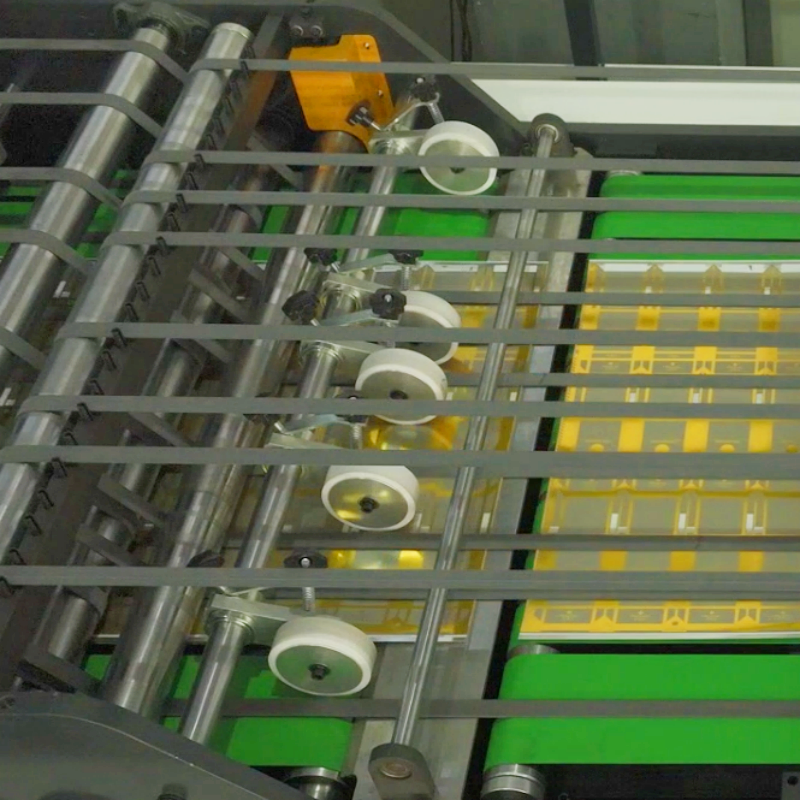
The operational efficiency provided by a die cutting machine revolutionizes production workflows by compressing timelines and multiplying output capacity without proportional resource increases. Speed represents one dimension of this efficiency, with modern machines processing materials at rates that dwarf manual cutting capabilities, some models completing hundreds of cutting cycles per minute depending on complexity and material characteristics. This velocity transforms your ability to fulfill orders, converting jobs that previously required days or weeks into hours, enabling you to accept rush orders that competitors cannot accommodate and building reputation for reliability that generates repeat business. Beyond raw speed, the workflow integration capabilities streamline your entire production process. Many machines feature automated material feeding systems that continuously supply stock without operator intervention, eliminating downtime between cycles and maintaining consistent production flow throughout shifts. The quick-change tooling systems allow switching between different dies in minutes rather than hours, minimizing setup time when transitioning between products and enabling economical short-run production that opens new market opportunities for customized or specialized items. Waste reduction contributes significantly to operational efficiency by maximizing material utilization through optimized nesting software that calculates ideal component placement, squeezing additional finished pieces from each material sheet and directly reducing raw material costs that represent substantial portions of product expenses. The machine's reliability minimizes unplanned downtime that disrupts schedules and creates delivery uncertainties, with robust construction and quality components delivering years of dependable service that protects your production capacity. Maintenance requirements remain manageable with straightforward servicing procedures that operators can perform without specialized technical expertise, preventing minor issues from escalating into major breakdowns. The energy efficiency of contemporary models keeps operational costs reasonable despite high production volumes, with power consumption optimized through intelligent control systems that adjust motor operation according to actual load requirements rather than running continuously at maximum capacity. Labor efficiency multiplies when considering that one trained operator can oversee machine operation while simultaneously performing quality checks or coordinating with other production areas, extracting maximum value from human resources. The reduced physical demands compared to manual cutting decrease worker fatigue, maintaining productivity levels throughout shifts and reducing errors that occur when workers tire.
Remarkable Versatility Across Materials and Applications

Remarkable Versatility Across Materials and Applications

The versatility inherent in die cutting machine technology provides manufacturers with extraordinary flexibility to address diverse production requirements using a single equipment platform. This adaptability stems from the fundamental cutting mechanism that relies on pressure and sharp dies rather than heat or chemical processes, making it suitable for processing an extensive range of materials with different physical properties. Paper products from delicate tissue to thick cardboard respond excellently to die cutting, enabling production of everything from greeting cards and labels to corrugated packaging and point-of-purchase displays. Fabric materials including cotton, polyester, felt, and technical textiles cut cleanly without fraying when proper dies are employed, supporting apparel manufacturing, craft production, and industrial applications requiring textile components. Leather processing benefits enormously from die cutting precision, producing consistent pieces for footwear, upholstery, accessories, and automotive interiors where uniformity affects both aesthetics and assembly efficiency. Rubber compounds in various durometers from soft foam to hard industrial rubber yield to die cutting pressure, creating gaskets, seals, vibration dampeners, and protective components with exact specifications critical for functional performance. Adhesive materials including tapes, labels, and foam-backed products require clean cutting that prevents material distortion and adhesive contamination, challenges that die cutting machines address through proper die design and controlled pressure application. Composite materials combining multiple layers with different properties can be cut simultaneously, maintaining layer alignment and producing complex assemblies in single operations that would otherwise require multiple processes. Thin metals and metallic foils within the machine's pressure capacity cut precisely for electronics applications, decorative elements, and specialized industrial components. The application diversity extends across industries with packaging companies producing custom boxes and inserts, print shops creating specialty products and promotional items, automotive suppliers manufacturing interior components and sound dampening materials, electronics manufacturers cutting insulation and shielding materials, medical device companies producing sterile components and packaging, and craft businesses creating intricate designs for artistic and decorative purposes. This cross-industry applicability means your investment serves multiple purposes, allowing business diversification without additional equipment purchases and enabling response to market opportunities across different sectors. The design flexibility permits creation of virtually any two-dimensional shape within the cutting area dimensions, from simple circles and rectangles to elaborate patterns featuring fine details and complex geometries that differentiate your products and enable innovation.

Get a Free Quote

Our representative will contact you soon.
Email
Name
Company Name
Required Product
Message
0/1000