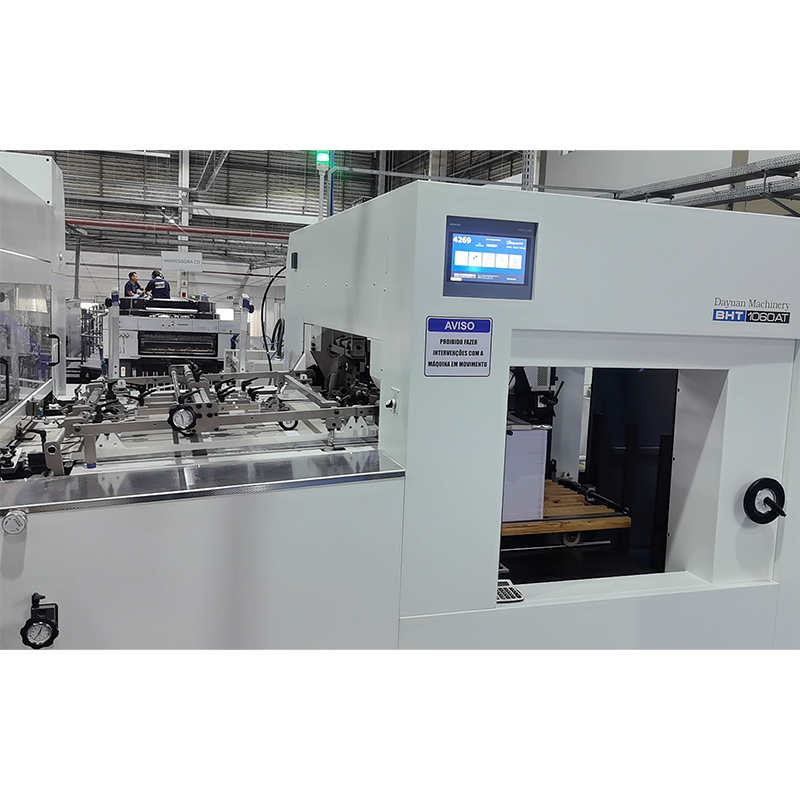
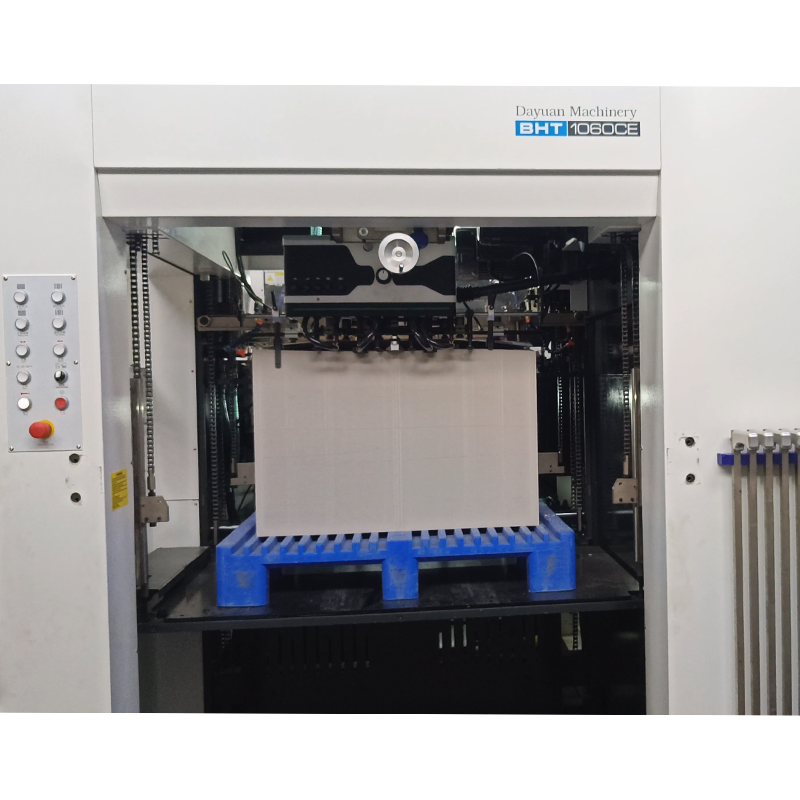
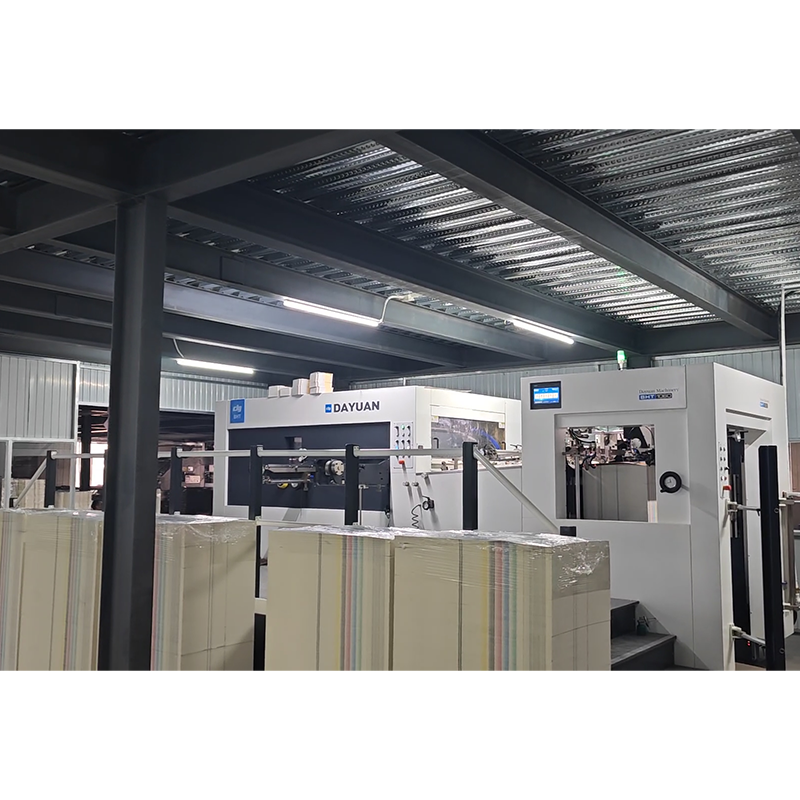
Enhanced Productivity and Operational Efficiency
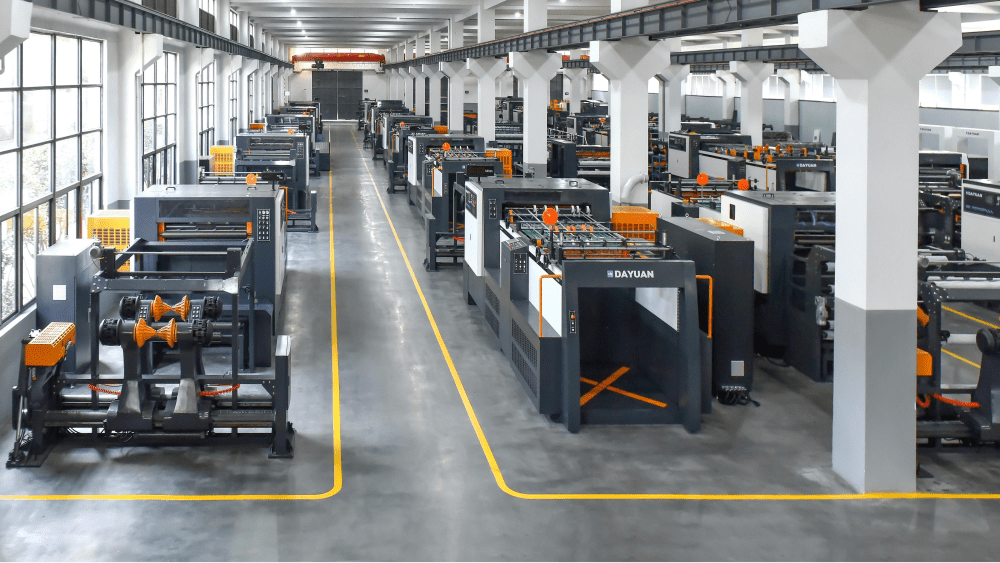
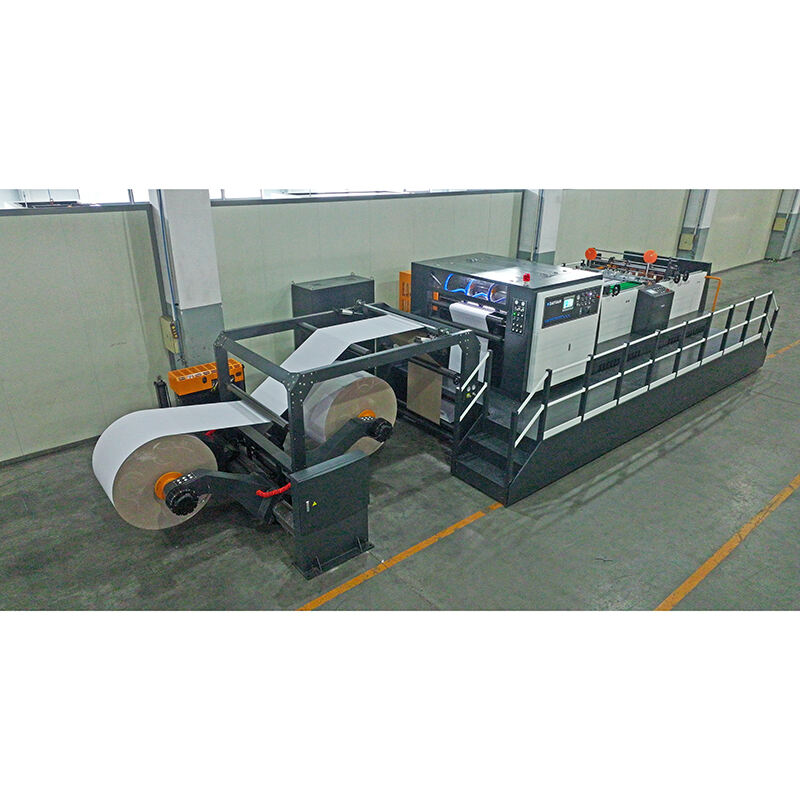
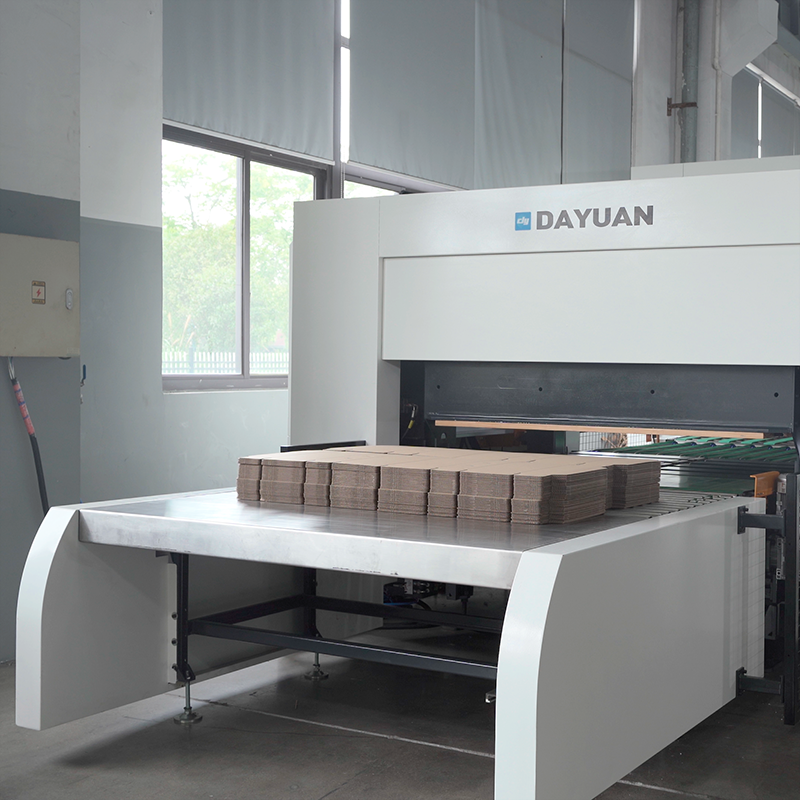
The productivity gains realized through paper die cutter press implementation fundamentally transform operational efficiency and business economics by compressing timeframes, reducing labor costs, and maximizing resource utilization across the production process. Speed advantages become immediately apparent as the machine completes in seconds what manual cutting would require minutes to accomplish, with some industrial models cycling through multiple impressions per minute when processing smaller pieces, translating to hundreds or thousands of finished products per hour compared to the dozens achievable through hand methods. This acceleration directly impacts business capacity, enabling existing facilities to accept larger orders, reduce lead times, or diversify into new product lines without expanding physical space or hiring additional personnel, effectively multiplying the productive output of your current resources. Labor efficiency improvements extend beyond simple speed increases, as the paper die cutter press allows a single trained operator to manage the entire cutting process, freeing other team members for value-added activities like design work, quality inspection, or customer service rather than spending hours performing repetitive manual cutting tasks. The reduced physical demands on workers translate to decreased fatigue, fewer repetition-related injuries, and improved job satisfaction, contributing to lower turnover rates and the retention of experienced personnel who represent valuable institutional knowledge. Material utilization optimization represents another significant efficiency dimension, as the precision cutting minimizes edge waste and enables strategic nesting of multiple pieces on single sheets to maximize yield from each substrate unit, directly reducing material costs that often constitute the largest variable expense in paper product manufacturing. Setup efficiency in modern paper die cutter press designs facilitates rapid job changeovers through tool-free die installation systems, clearly marked adjustment points, and intuitive control interfaces that minimize the downtime between different production runs, keeping the machine productive rather than idle during transitions. Consistent quality output eliminates the rework cycles and rejected product waste that drain efficiency in operations relying on less precise methods, as virtually every piece produced meets specifications on the first attempt, avoiding the hidden costs of reproducing defective items and the administrative burden of tracking and managing quality issues. Energy efficiency in contemporary machines ensures that the impressive productivity does not come with proportionally increased utility costs, as improved motor designs and optimized mechanical systems deliver necessary cutting force while consuming reasonable power levels compatible with standard facility electrical infrastructure.
 EN
EN