Remarkable Versatility Across Materials and Applications
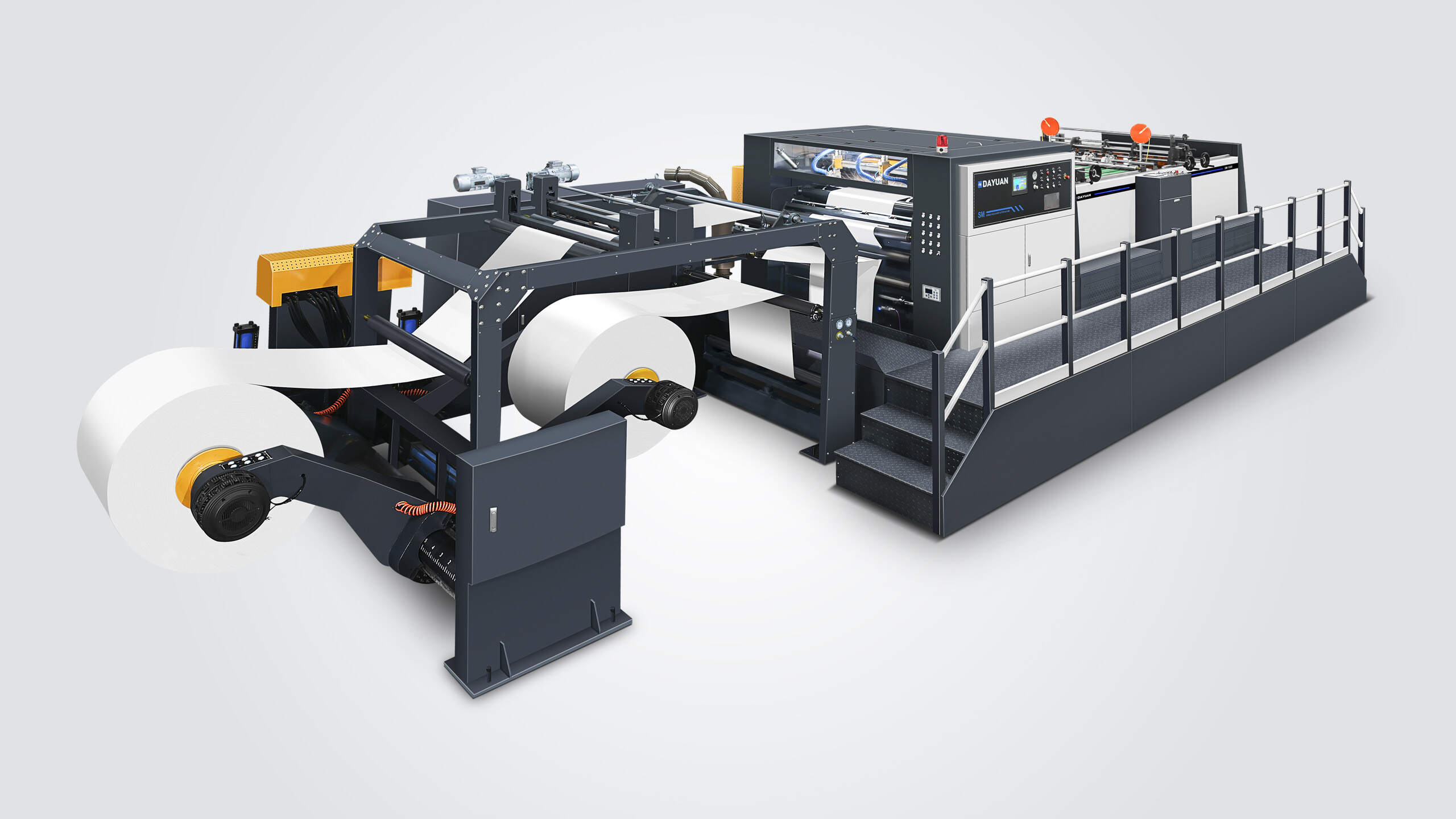
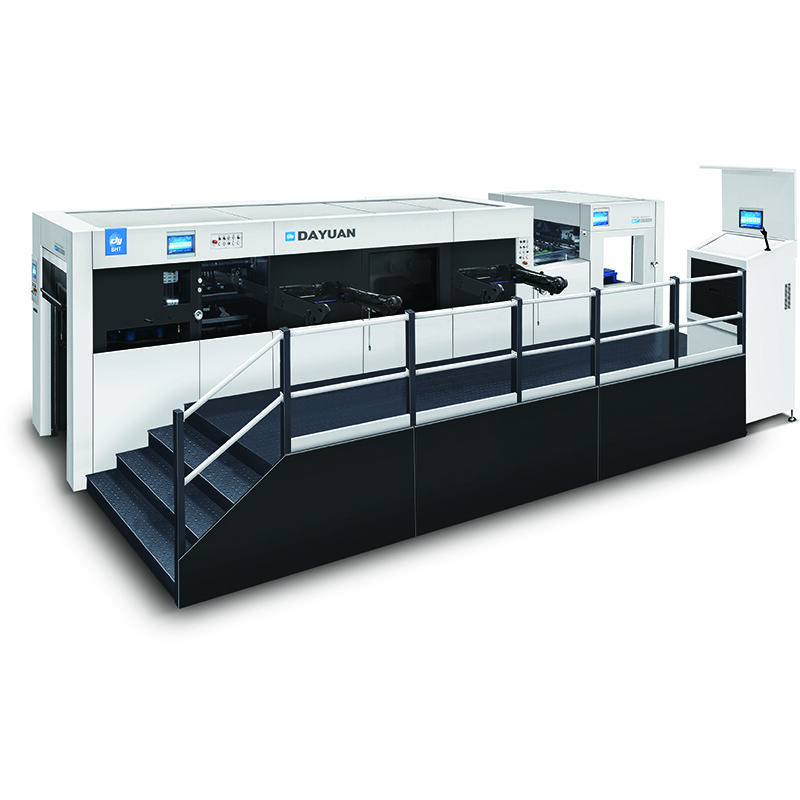
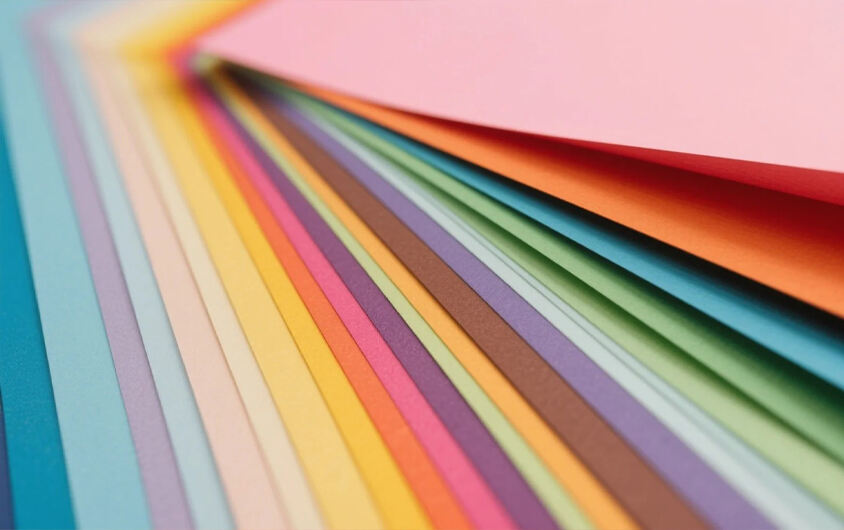
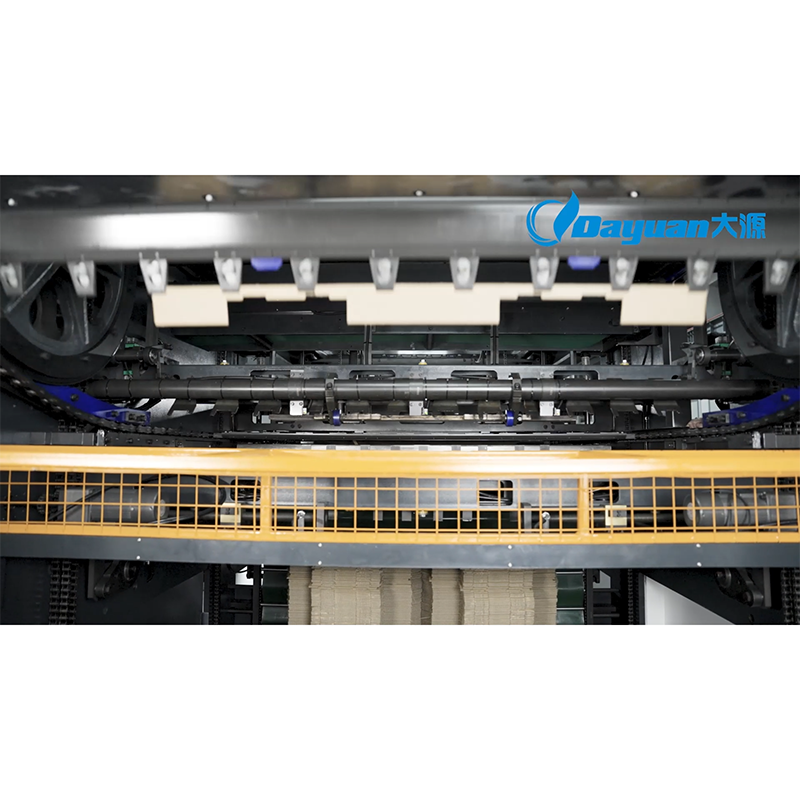
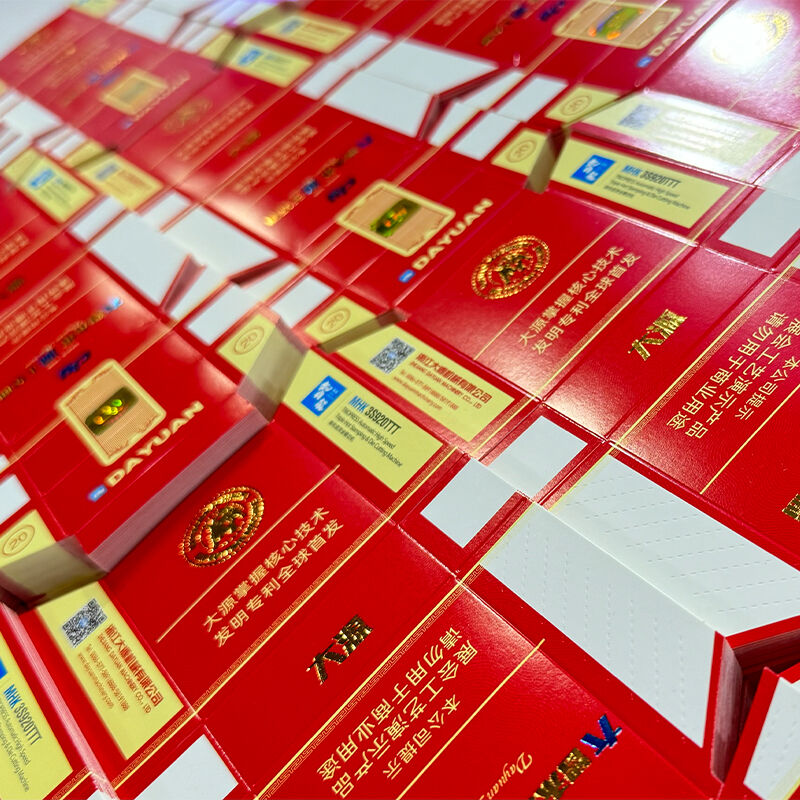
The versatility of automatic hot foil stamping machines opens revenue opportunities across diverse market segments and application types. These machines accommodate an impressive range of substrate materials, each requiring different processing parameters that the automated systems handle with ease. Paper stocks from lightweight tissues to heavy cardboards all respond to foil stamping when the machine applies appropriate combinations of heat, pressure, and dwell time. Coated papers, uncoated stocks, textured surfaces, and smooth finishes each present unique challenges that versatile automatic hot foil stamping machines overcome through adjustable settings. Beyond paper products, these machines successfully stamp plastics including PVC, PET, polypropylene, and polystyrene used in packaging, identification cards, and product housings. Leather and synthetic leather materials accept foil impressions for fashion accessories, upholstery accents, and luxury goods. Textile applications include adding metallic designs to ribbons, labels, and fabric panels. The ability to process such varied materials with a single piece of equipment eliminates the need for multiple specialized machines, maximizing your return on investment. The versatility extends to the types of foils and effects achievable with automatic hot foil stamping machines. Metallic foils in gold, silver, copper, and various specialty shades create classic premium appearances. Pigment foils deliver vibrant colors including reds, blues, greens, and blacks that complement or contrast with substrate colors. Holographic foils produce eye-catching rainbow effects, diffraction patterns, and security features that prevent counterfeiting. Specialty foils include textured surfaces, matte finishes, and color-shifting effects that change appearance based on viewing angle. Pattern versatility allows automatic hot foil stamping machines to reproduce everything from simple text and borders to complex images, logos, and decorative designs. The size range accommodates small stamps measuring just a few millimeters for jewelry tags up to large area coverage spanning entire page surfaces for packaging applications. Partial coverage designs that leave portions of the substrate visible create sophisticated contrast effects, while solid coverage applications deliver maximum metallic impact. The production format versatility means these machines handle sheet-fed materials in various sizes as well as continuous web materials in roll form depending on the specific model configuration. Quick-change tooling systems allow operators to swap stamping dies rapidly when transitioning between jobs, supporting short-run digital printing applications where each piece might feature unique personalization. This format flexibility enables businesses to serve both high-volume commodity markets and specialized custom projects with equal efficiency. Integration capabilities add another dimension of versatility, as automatic hot foil stamping machines can operate as standalone equipment or integrate into complete finishing lines alongside cutting, creasing, embossing, and other post-press operations.
 EN
EN