Industrial Foil Stamping Machine - Professional Hot Foil Stamping Equipment for Premium Finishing

+86-577-58918888
All Categories

industrial foil stamping machine

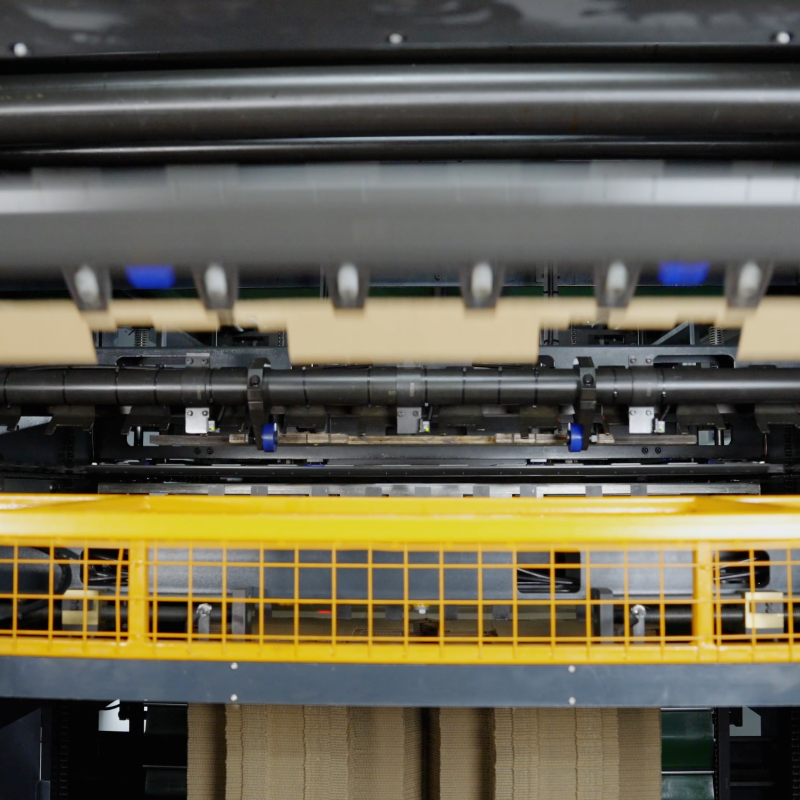
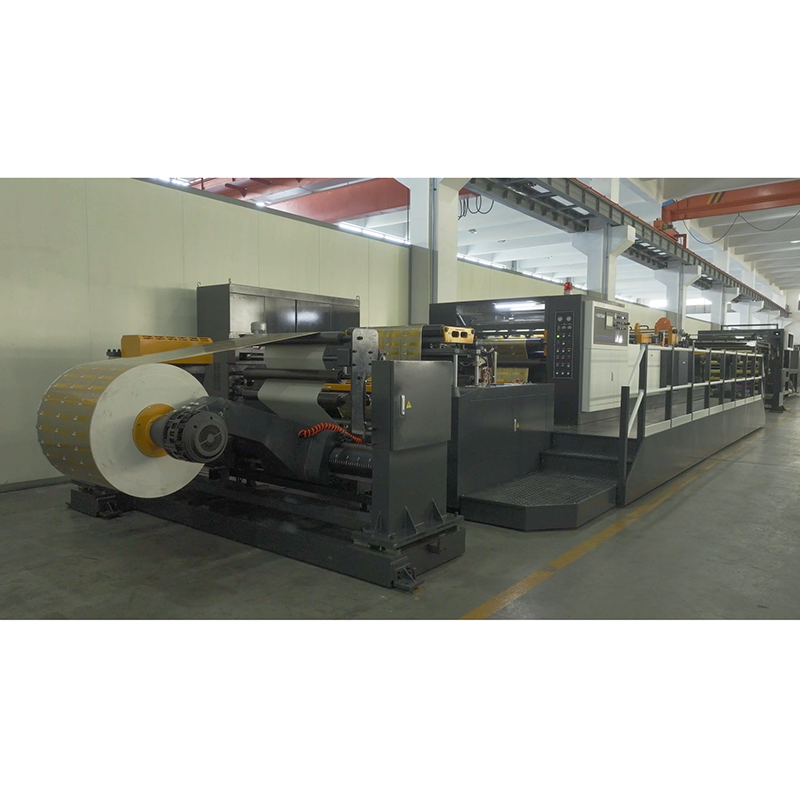
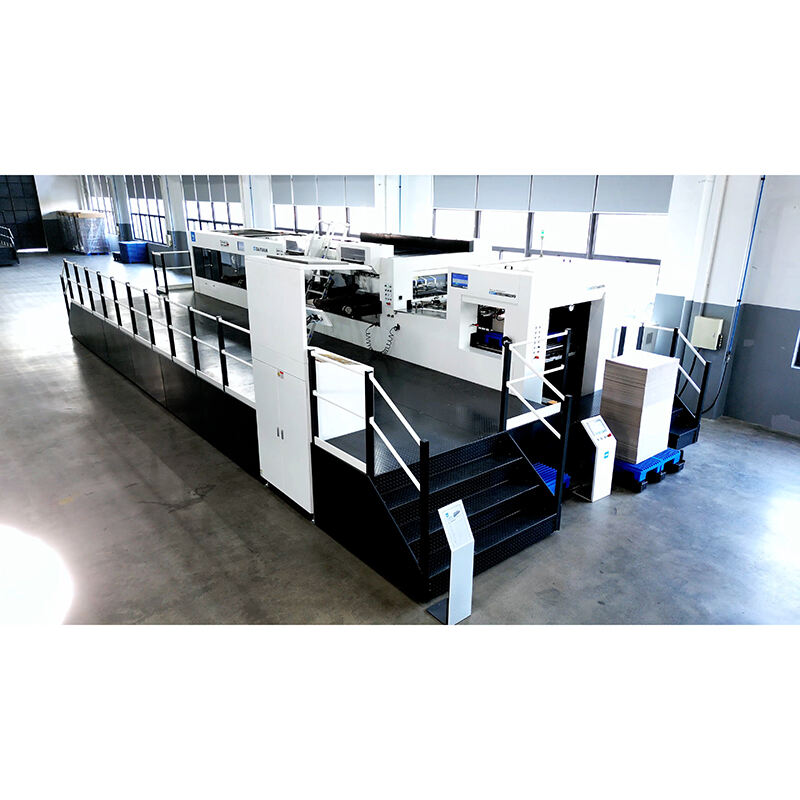
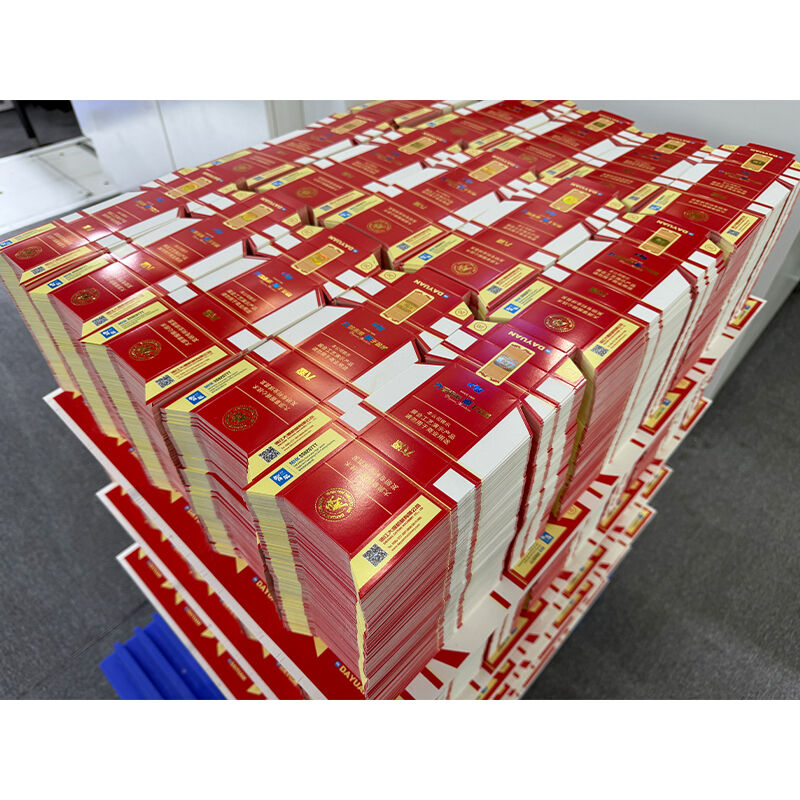
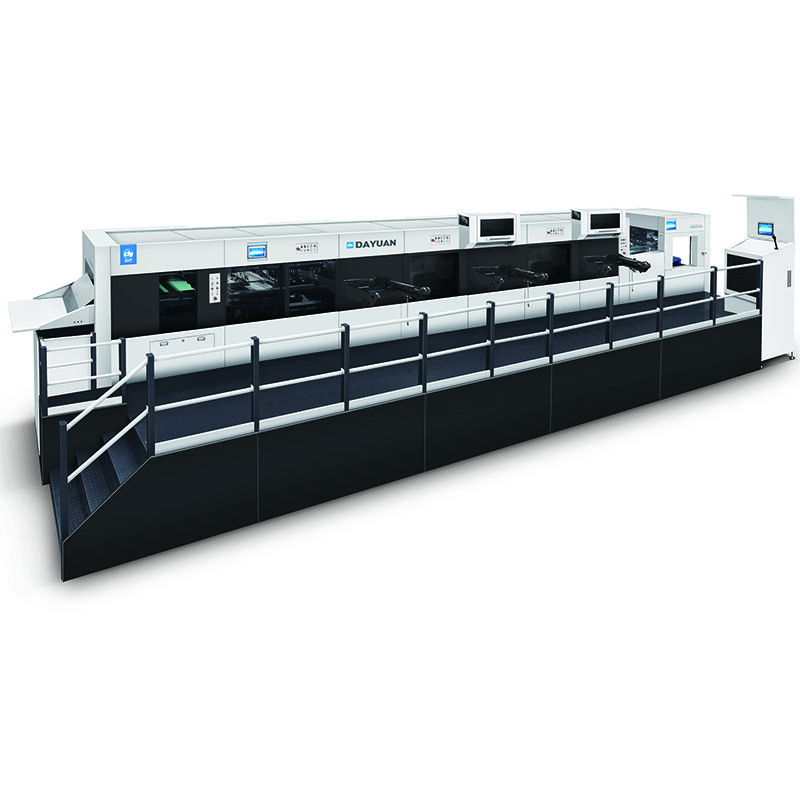
The industrial foil stamping machine represents a cornerstone technology in modern manufacturing and decorative finishing processes. This sophisticated equipment applies metallic or pigmented foil onto various substrate materials through the application of heat and pressure, creating stunning visual effects that enhance product appeal and brand recognition. At its core, the industrial foil stamping machine operates by transferring a thin layer of foil from a carrier film onto the target surface, utilizing precisely controlled temperature settings and mechanical force to ensure permanent adhesion. The main functions of this equipment extend beyond simple decoration, encompassing security printing, branding applications, packaging enhancement, and premium product finishing across multiple industries. Technologically, modern industrial foil stamping machines incorporate advanced digital controls, programmable logic controllers, and precision heating systems that maintain consistent temperature distribution across the stamping die. The machines feature adjustable pressure mechanisms that accommodate different material thicknesses and densities, ensuring optimal transfer results regardless of substrate composition. Many contemporary models integrate automatic feeding systems, registration alignment technologies, and quality inspection sensors that detect defects in real-time. The application scope of industrial foil stamping machines spans diverse sectors including luxury packaging, book publishing, cosmetics containers, pharmaceutical labeling, electronics branding, automotive trim decoration, and textile embellishment. These machines handle substrates ranging from paper and cardboard to leather, plastics, wood veneers, and fabric materials. The versatility of foil stamping technology allows manufacturers to produce eye-catching holographic effects, mirror-like metallic finishes, matte textures, and intricate patterns that would be impossible to achieve through conventional printing methods. Production capacities vary from compact tabletop units suitable for boutique operations to high-speed automated lines capable of processing thousands of impressions per hour, making the industrial foil stamping machine an essential asset for businesses seeking to differentiate their products in competitive marketplaces while maintaining efficient production workflows and consistent quality standards.

Popular Products

Investing in an industrial foil stamping machine delivers substantial practical benefits that directly impact your bottom line and market position. First and foremost, these machines provide unmatched visual impact that elevates product presentation far beyond what traditional printing can achieve. The reflective quality of metallic foils catches light in ways that immediately draw consumer attention on crowded retail shelves, increasing the likelihood of purchase decisions in your favor. This enhanced aesthetic appeal translates directly into perceived value, allowing you to command premium pricing for your products without increasing material costs significantly. The operational efficiency of modern industrial foil stamping machines reduces labor requirements dramatically compared to manual decoration methods. Automated feeding mechanisms, precise registration systems, and consistent pressure application mean your team can produce hundreds or thousands of finished pieces with minimal supervision, freeing skilled workers for higher-value tasks. This efficiency extends to material usage as well, since contemporary machines waste very little foil through precise transfer mechanisms that apply decoration only where needed, unlike flood coating methods that consume excessive material. Durability stands as another compelling advantage, as properly applied foil stamping resists fading, scratching, and environmental degradation far better than printed inks or painted surfaces. This longevity ensures your branding and decorative elements maintain their brilliance throughout the product lifecycle, from manufacturing through distribution to end-user handling. The versatility of an industrial foil stamping machine means you can serve diverse customer requirements without investing in multiple specialized systems. Whether clients request gold metallic finishes, holographic security features, or subtle matte accents, the same equipment handles all these applications through simple die and foil changes. This flexibility reduces capital expenditure while expanding your service offerings and revenue opportunities. Quality consistency represents perhaps the most critical business advantage, as automated temperature control and pressure regulation eliminate the variations inherent in manual processes. Every impression matches the previous one with precision, ensuring brand standards remain intact across production runs of any size. This reliability strengthens customer confidence and reduces costly rework or rejection rates. Furthermore, the industrial foil stamping machine enables rapid prototyping and short-run production economically, since setup times have decreased substantially with modern quick-change systems and digital controls. You can accommodate custom orders and test market concepts without committing to large inventory investments. The environmental profile also favors foil stamping, as the process generates minimal waste compared to wet printing methods, requires no drying time or curing equipment, and uses no volatile organic compounds that demand expensive ventilation systems or regulatory compliance measures. These factors combine to lower operating costs while meeting increasingly stringent environmental standards that influence purchasing decisions across industries.

Practical Tips

What Key Maintenance Steps Ensure Consistent Performance in a High-Cycle Paper Die Cutting Machine?

10

Feb

What Key Maintenance Steps Ensure Consistent Performance in a High-Cycle Paper Die Cutting Machine?

Industrial packaging and printing operations rely heavily on the consistent performance of their paper die cutting machine systems to meet demanding production schedules. These sophisticated pieces of equipment process thousands of sheets per hour, c...
View More
How to Select the Right Paper Die Cutting Machine for Your Specific Cardboard or Carton Production?

10

Feb

How to Select the Right Paper Die Cutting Machine for Your Specific Cardboard or Carton Production?

Selecting the appropriate paper die cutting machine for cardboard and carton production requires careful consideration of multiple technical and operational factors. Modern packaging industries demand precision, efficiency, and versatility in their d...
View More
Why Is Blade Quality Critical for Consistent Performance in Paper Cutter Machines?

18

Mar

Why Is Blade Quality Critical for Consistent Performance in Paper Cutter Machines?

The precision and efficiency of paper cutter machines directly depend on the quality of their cutting blades, making blade selection one of the most critical factors in achieving consistent performance across industrial applications. Professional pri...
View More
What Patented Technologies Should You Look for in a High-Performance Paper Die Cutting Machine?

02

Apr

What Patented Technologies Should You Look for in a High-Performance Paper Die Cutting Machine?

When investing in a high-performance paper die cutting machine for industrial production, understanding the patented technologies that differentiate premium equipment from standard alternatives becomes crucial for making informed purchasing decisions...
View More

Get a Free Quote

Our representative will contact you soon.
Email
Name
Company Name
Required Product
Message
0/1000

industrial foil stamping machine

Precision Engineering for Flawless Results Every Time

Precision Engineering for Flawless Results Every Time

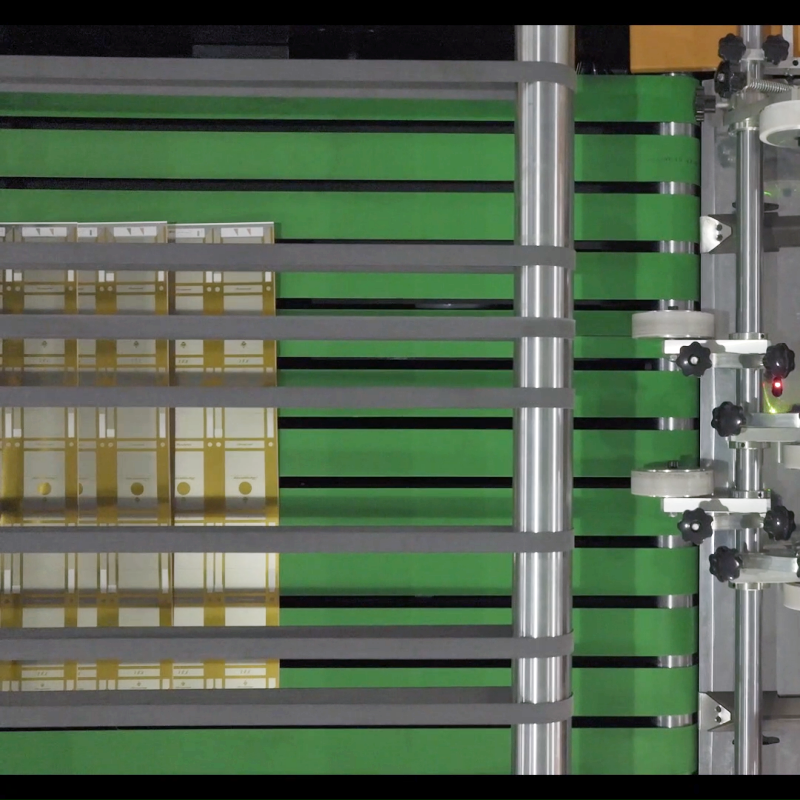
The industrial foil stamping machine distinguishes itself through extraordinary precision engineering that guarantees flawless decorative results across every production run, regardless of complexity or volume. At the heart of this precision lies an advanced temperature control system that maintains stamping dies at optimal heat levels within tolerances of just a few degrees. This thermal stability proves absolutely critical because foil adhesion depends on achieving the exact temperature at which the heat-sensitive adhesive layer releases from the carrier film and bonds permanently with the substrate material. Fluctuations of even five degrees can result in incomplete transfer or excessive adhesion that damages the substrate surface. The machine accomplishes this consistency through multiple integrated heating zones, each monitored by dedicated sensors that provide real-time feedback to microprocessor controllers. These controllers make instantaneous adjustments to maintain uniformity across the entire stamping area, compensating for heat loss at edges and corners where thermal dissipation occurs more rapidly. The pressure application system demonstrates equally impressive precision through hydraulic or pneumatic mechanisms that deliver consistent force across the entire die surface. This uniform pressure distribution ensures complete contact between the heated die, foil layer, and substrate throughout the stamping cycle, eliminating partial transfers or weak adhesion spots that compromise appearance and durability. Sophisticated registration systems employ optical sensors or mechanical guides that position each substrate piece with repeatability measured in hundredths of millimeters. This accuracy becomes essential when applying foil decoration to pre-printed materials where alignment with existing graphics determines professional appearance versus obvious misregistration that ruins finished products. The industrial foil stamping machine incorporates precision-machined platens and die mounting systems that maintain parallel alignment under operating pressures that may exceed several tons of force. Any deviation from perfect parallelism would cause uneven pressure distribution, resulting in strong adhesion in some areas while other sections show weak or missing foil transfer. Manufacturers achieve this stability through rigid steel frames, precision-ground mounting surfaces, and adjustment mechanisms that allow operators to dial in perfect alignment during setup procedures. The timing precision of modern machines coordinates multiple operations within milliseconds, controlling the exact duration of heat and pressure application, dwell time for adhesion development, and separation speed to prevent foil lifting or substrate damage. This temporal precision becomes particularly important when processing heat-sensitive materials that may distort or discolor if exposed to stamping temperatures for excessive duration. The cumulative effect of these precision-engineered systems delivers consistent, high-quality results that meet exacting brand standards while minimizing waste and rejected pieces.
Versatile Material Compatibility Expands Business Opportunities

Versatile Material Compatibility Expands Business Opportunities

One of the most valuable characteristics of the industrial foil stamping machine lies in its remarkable versatility regarding compatible materials and applications, opening diverse revenue streams for forward-thinking businesses. Unlike specialized equipment limited to narrow material ranges, quality foil stamping machines accommodate an extraordinary spectrum of substrates through adjustable parameters and interchangeable tooling configurations. Paper and paperboard products represent traditional foil stamping applications, ranging from lightweight cover stock used in greeting cards through heavy chip board employed in rigid box construction. The industrial foil stamping machine handles this entire thickness range by adjusting pressure settings and selecting appropriate cushioning materials that compress sufficiently to ensure complete contact without crushing delicate substrates or failing to impress heavier materials adequately. Plastic substrates including polyethylene, polypropylene, polyvinyl chloride, and polystyrene respond beautifully to foil decoration when processed with proper temperature profiles matched to each polymer's characteristics. Some plastics require lower temperatures to prevent surface melting while others demand higher heat to achieve adequate adhesion, and sophisticated machines accommodate these variations through programmable temperature zones and die coatings optimized for polymer compatibility. Leather and synthetic leather materials accept stunning foil decoration that enhances luxury goods from handbags to automotive interiors, with the industrial foil stamping machine providing the controlled heat and pressure necessary to emboss and foil simultaneously, creating rich dimensional effects impossible through printing alone. Textile applications have expanded dramatically as apparel and home furnishing manufacturers seek distinctive decoration methods that withstand repeated washing and wear. Modern foil stamping technology applies durable metallic and pigmented designs to fabrics using specialized adhesive primers and lower-temperature foils formulated specifically for flexible substrates that undergo stretching and flexing during use. Wood veneer and composite wood products receive elegant foil decoration for furniture components, architectural millwork, and decorative panels, with the machine's adjustable pressure accommodating the irregular surfaces and varying densities inherent in natural wood materials. Even unusual substrates like cork, rubber, and certain metals accept foil decoration when processed with appropriate dies and foil formulations, expanding creative possibilities for designers and manufacturers. This material versatility extends beyond substrates to include the foil materials themselves, as the industrial foil stamping machine accommodates metallic foils in gold, silver, copper, and specialty colors, pigment foils providing opaque color coverage, holographic foils creating eye-catching diffraction patterns, and specialty materials including magnetic foils for security applications and scratch-off coatings for gaming and promotional products. The ability to switch between materials and applications quickly, often requiring only die changes and parameter adjustments, means businesses can serve diverse markets without maintaining multiple specialized machines, optimizing capital investment while maximizing revenue potential through expanded service offerings that meet customer needs across industries.
Automated Operation Reduces Labor Costs and Increases Productivity

Automated Operation Reduces Labor Costs and Increases Productivity

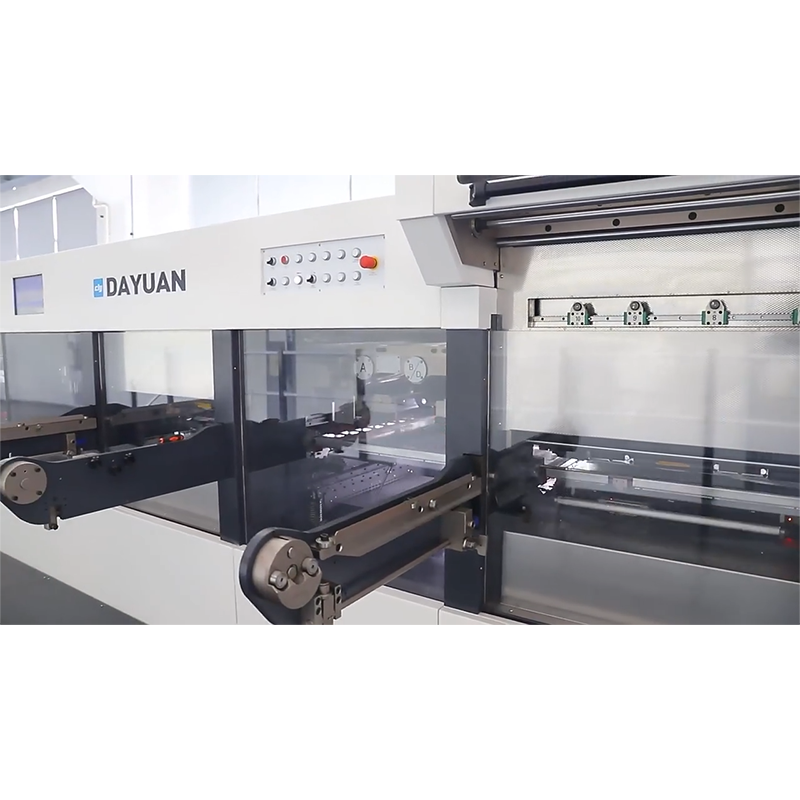
The automation capabilities integrated into modern industrial foil stamping machines revolutionize production economics by dramatically reducing labor requirements while simultaneously increasing output volume and consistency. Traditional manual foil stamping required skilled operators to position each substrate piece precisely, activate the stamping cycle, remove the finished piece, and repeat the process hundreds or thousands of times daily. This labor-intensive approach limited production speeds, introduced human error variability, and resulted in operator fatigue that degraded quality as shifts progressed. Contemporary automated systems eliminate these limitations through sophisticated mechanical and electronic systems that handle material throughout the production process with minimal human intervention. Automatic feeding mechanisms draw substrate materials from stackers or roll-fed systems, advancing each piece into the stamping area with precise timing coordinated with the stamping cycle. These feeders accommodate various substrate formats from individual sheets through continuous web materials, adjusting feed rates and registration positions automatically based on operator-programmed parameters. The industrial foil stamping machine employs optical sensors or mechanical stops that verify proper substrate positioning before initiating the stamping cycle, preventing wasted impressions on misaligned materials and protecting expensive dies from damage caused by off-register impacts. Once positioned correctly, automated stamping cycles execute with computer-controlled consistency, applying precisely calibrated heat, pressure, and dwell time without variation between first and final impressions. This consistency eliminates the performance degradation associated with operator fatigue while ensuring every finished piece meets identical quality standards. Automatic foil feeding systems advance fresh foil material into the stamping area continuously, maintaining proper tension and alignment while collecting used carrier film onto take-up rolls. These systems incorporate sensors that detect foil breaks or supply depletion, automatically stopping production to prevent substrate damage and alert operators to replenish materials. Advanced machines feature automatic die changing systems that switch between different patterns or sizes through programmable turret configurations or quick-change mounting systems, reducing changeover times from hours to minutes and enabling efficient short-run production previously considered economically impractical. Integrated quality inspection systems employ vision sensors that examine each finished piece immediately after stamping, identifying defects like incomplete transfer, misregistration, or substrate damage. Defective pieces are automatically diverted to reject bins while acceptable products continue to collection or subsequent processing stations, ensuring only quality items reach customers while providing real-time production statistics that inform process optimization decisions. The cumulative productivity impact proves substantial, with automated industrial foil stamping machines achieving output rates five to ten times higher than manual operations while requiring significantly fewer operators per unit produced. Labor cost reductions combine with increased production capacity to dramatically improve profit margins and competitive positioning, allowing businesses to price products more aggressively while maintaining healthy returns on investment. Additionally, automation reduces workplace injuries associated with repetitive motion and heavy lifting, lowering workers' compensation costs and improving employee satisfaction through assignment to more engaging supervisory and quality control roles rather than monotonous manual tasks.

Get a Free Quote

Our representative will contact you soon.
Email
Name
Company Name
Required Product
Message
0/1000