Industrial Slitter: Precision Cutting Solutions for Advanced Manufacturing Applications

+86-577-58918888
All Categories

Industrial Slitter

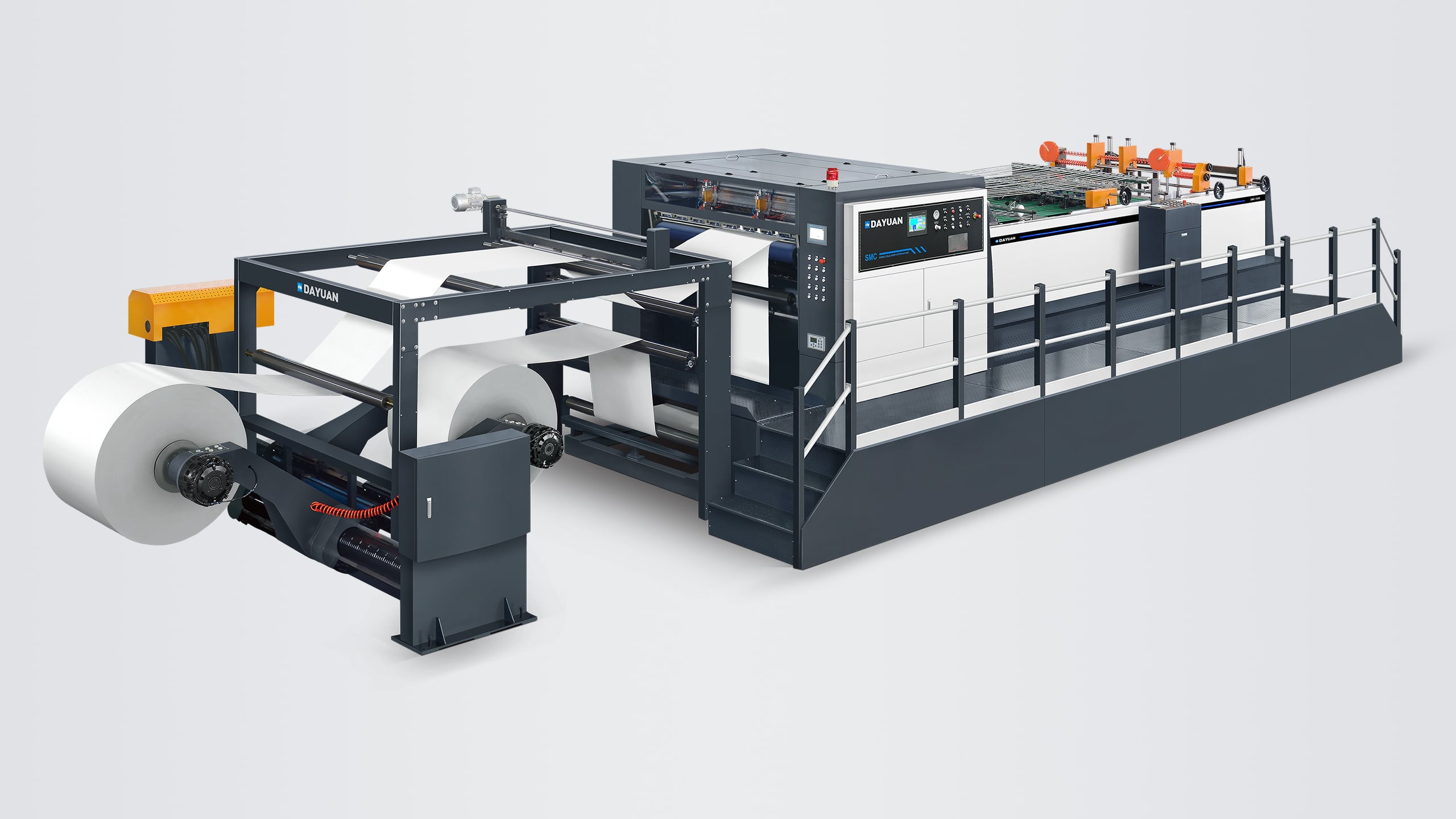
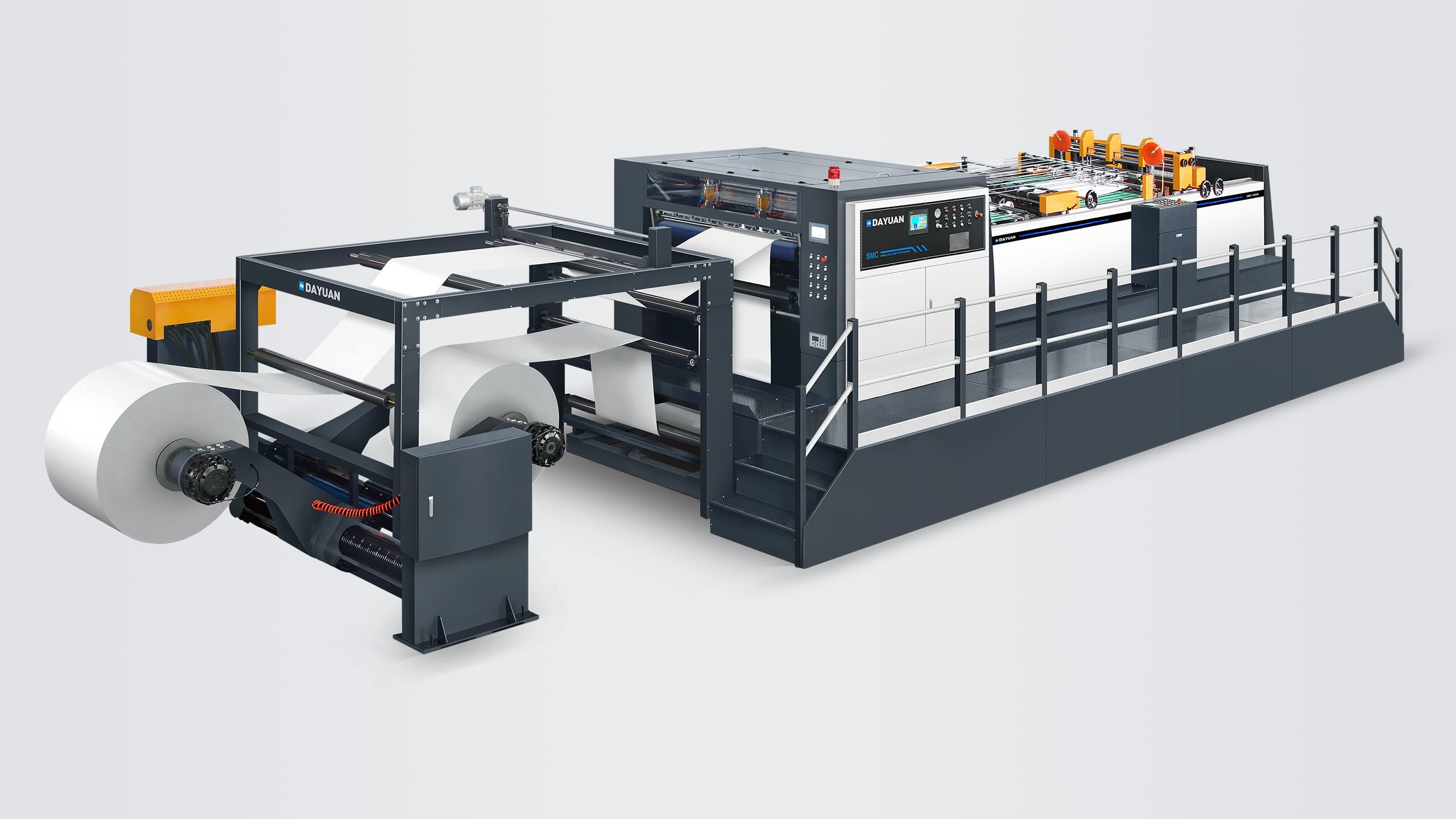
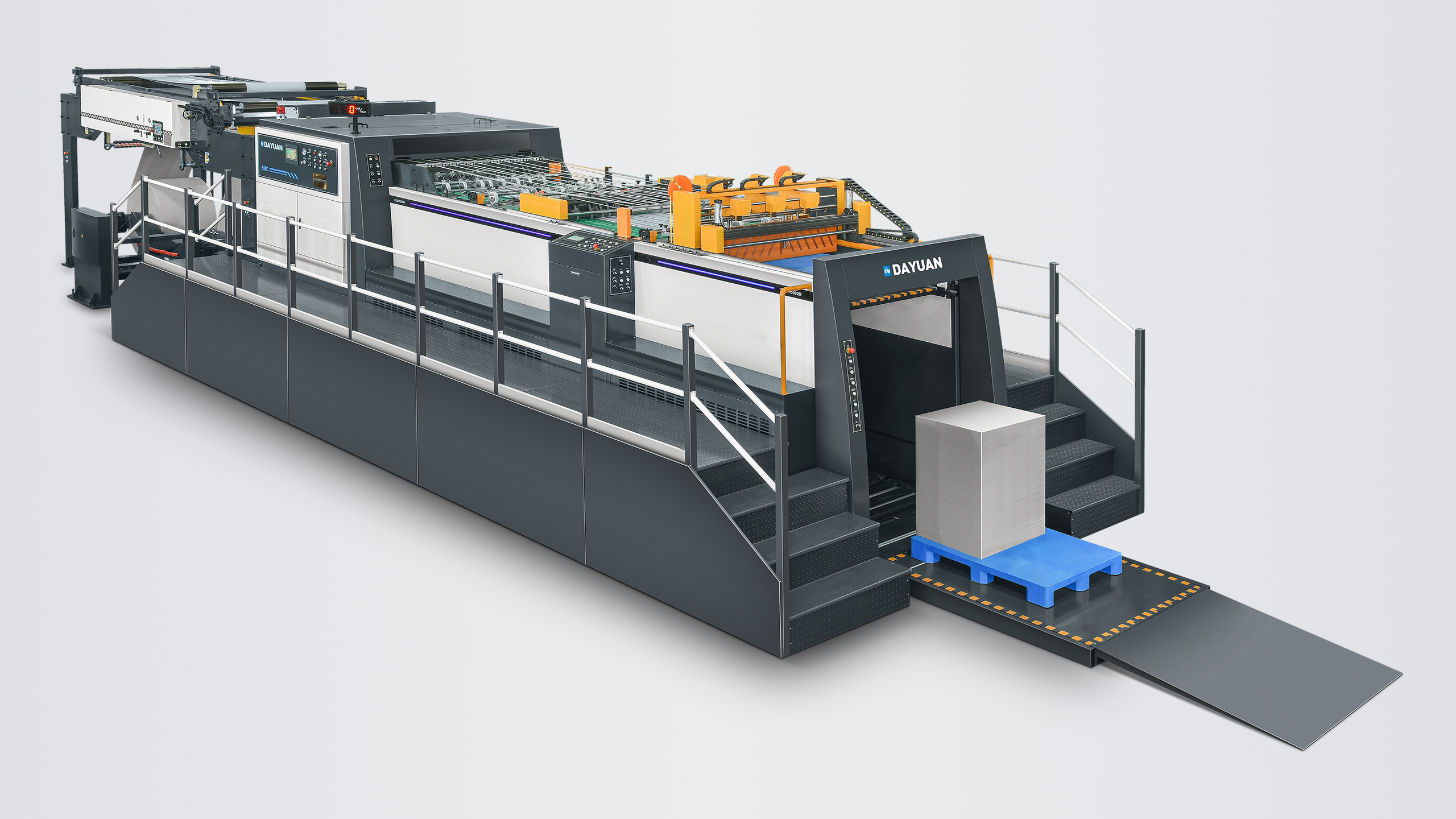
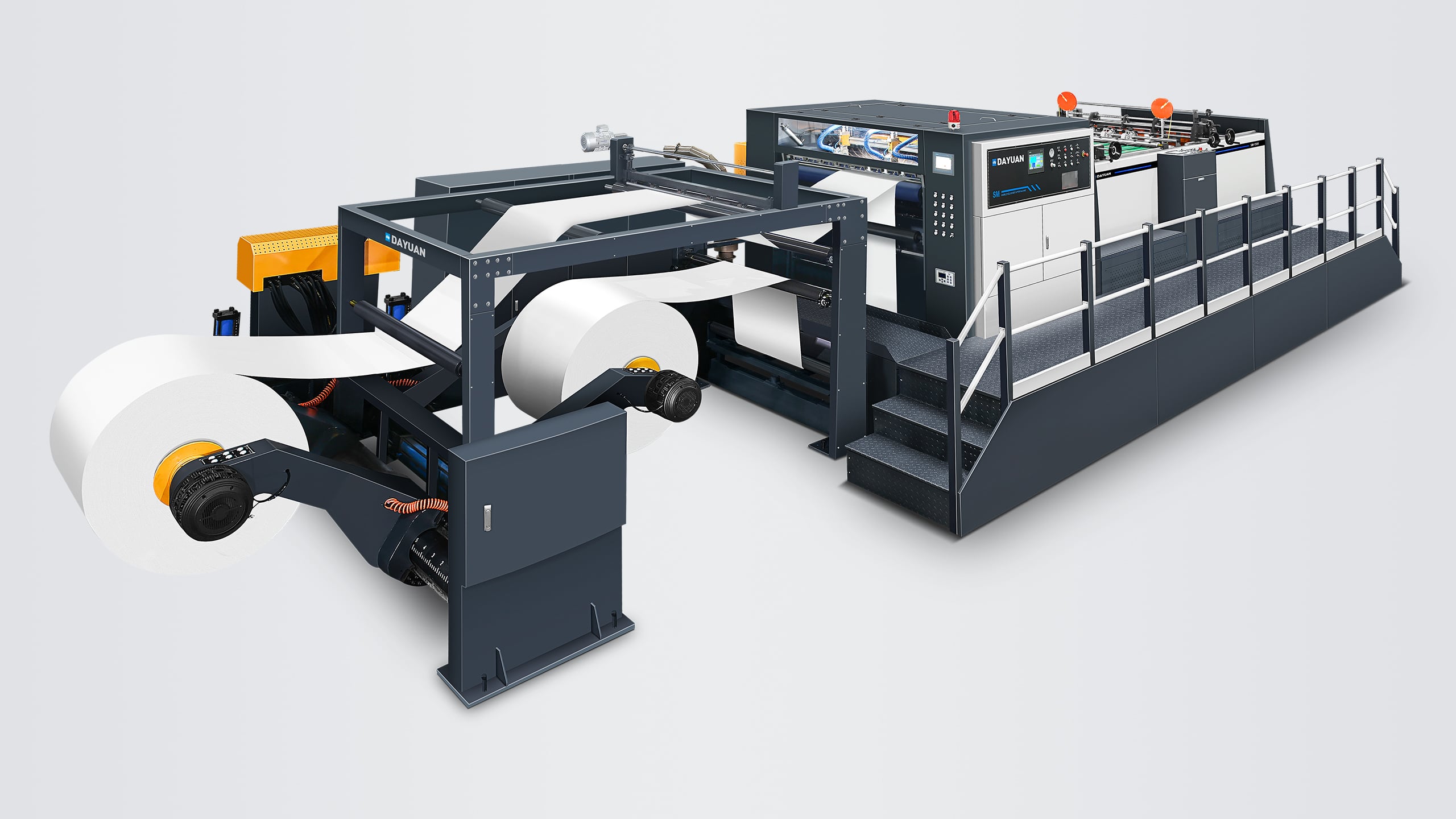
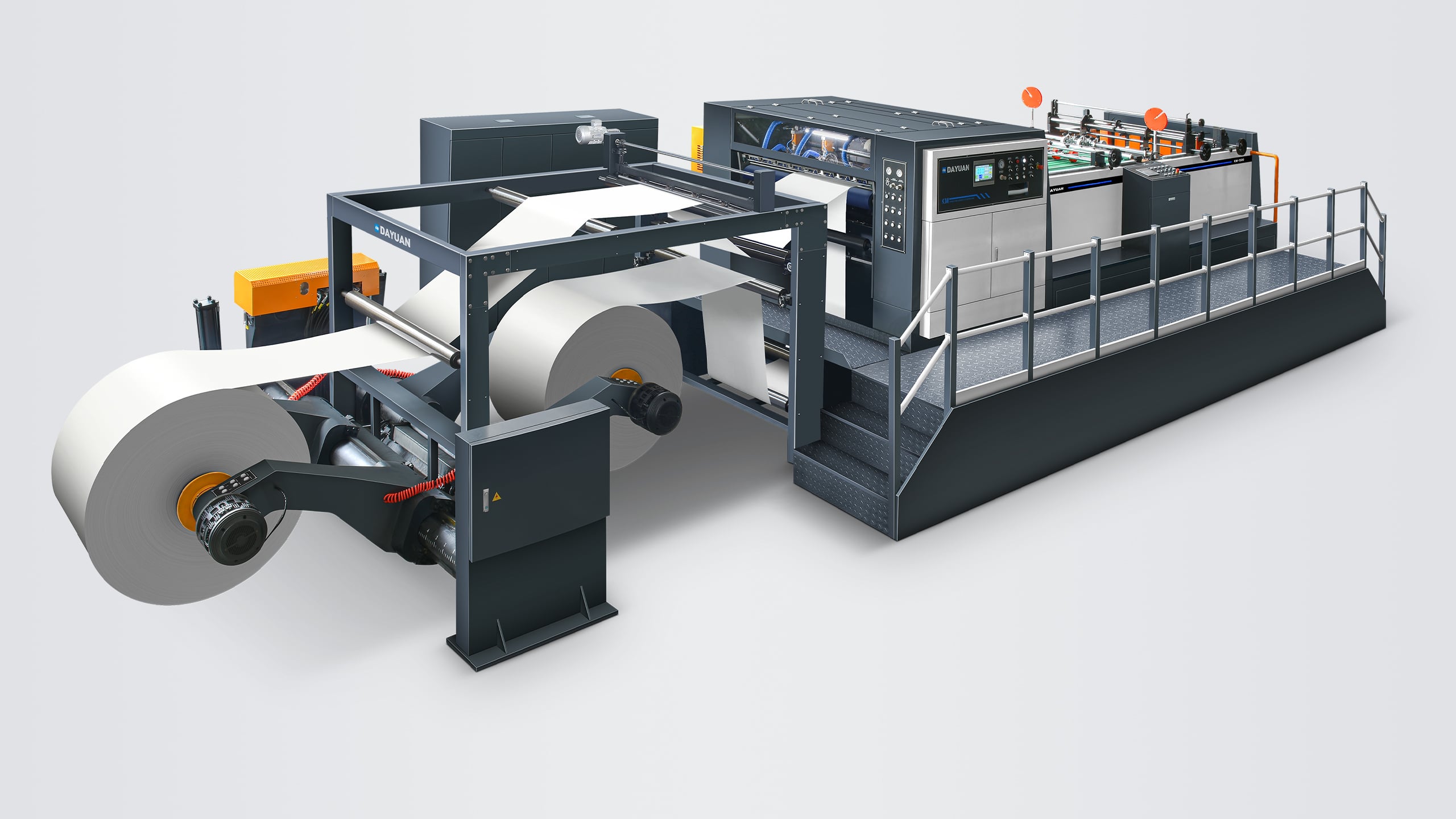
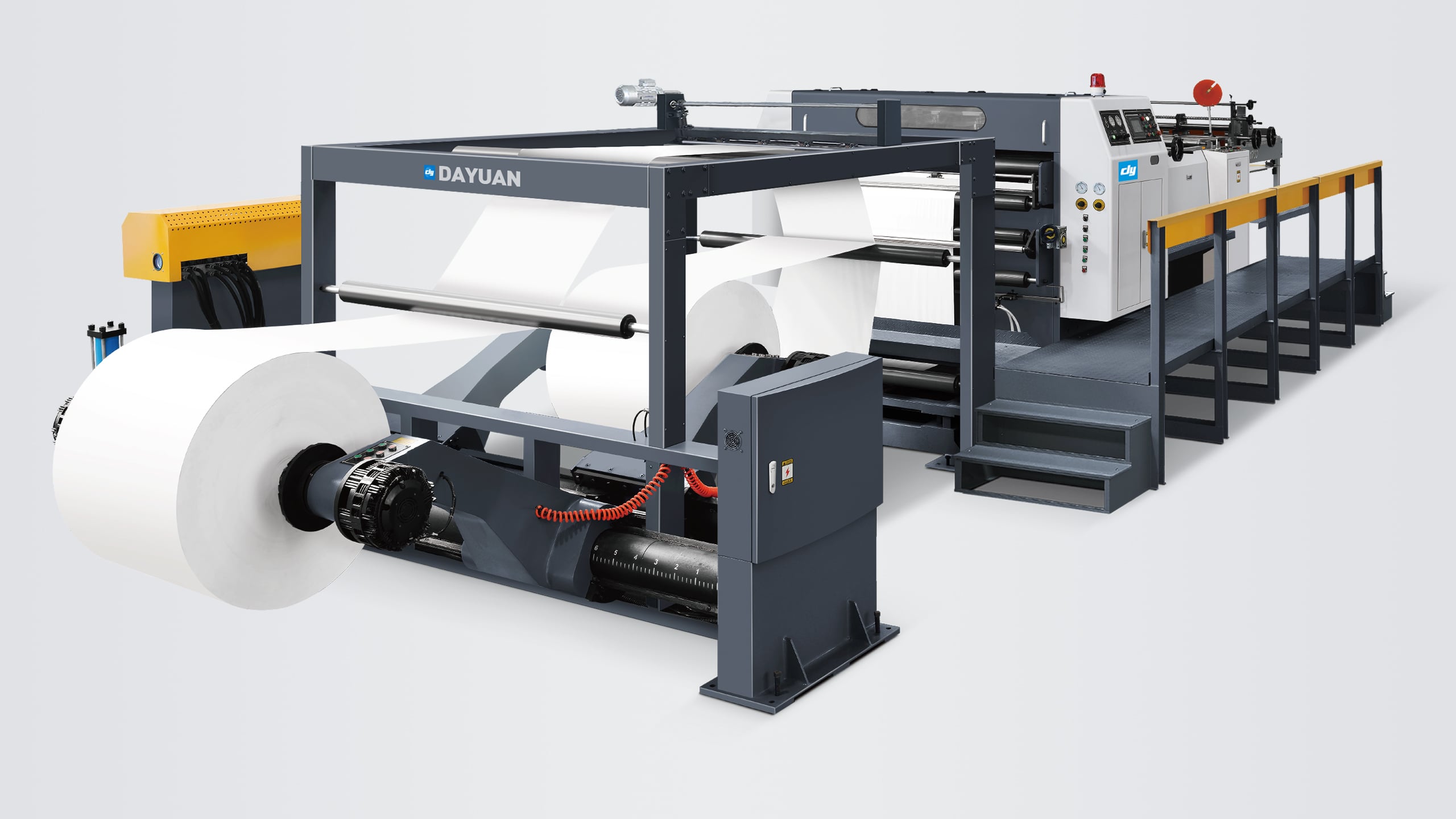
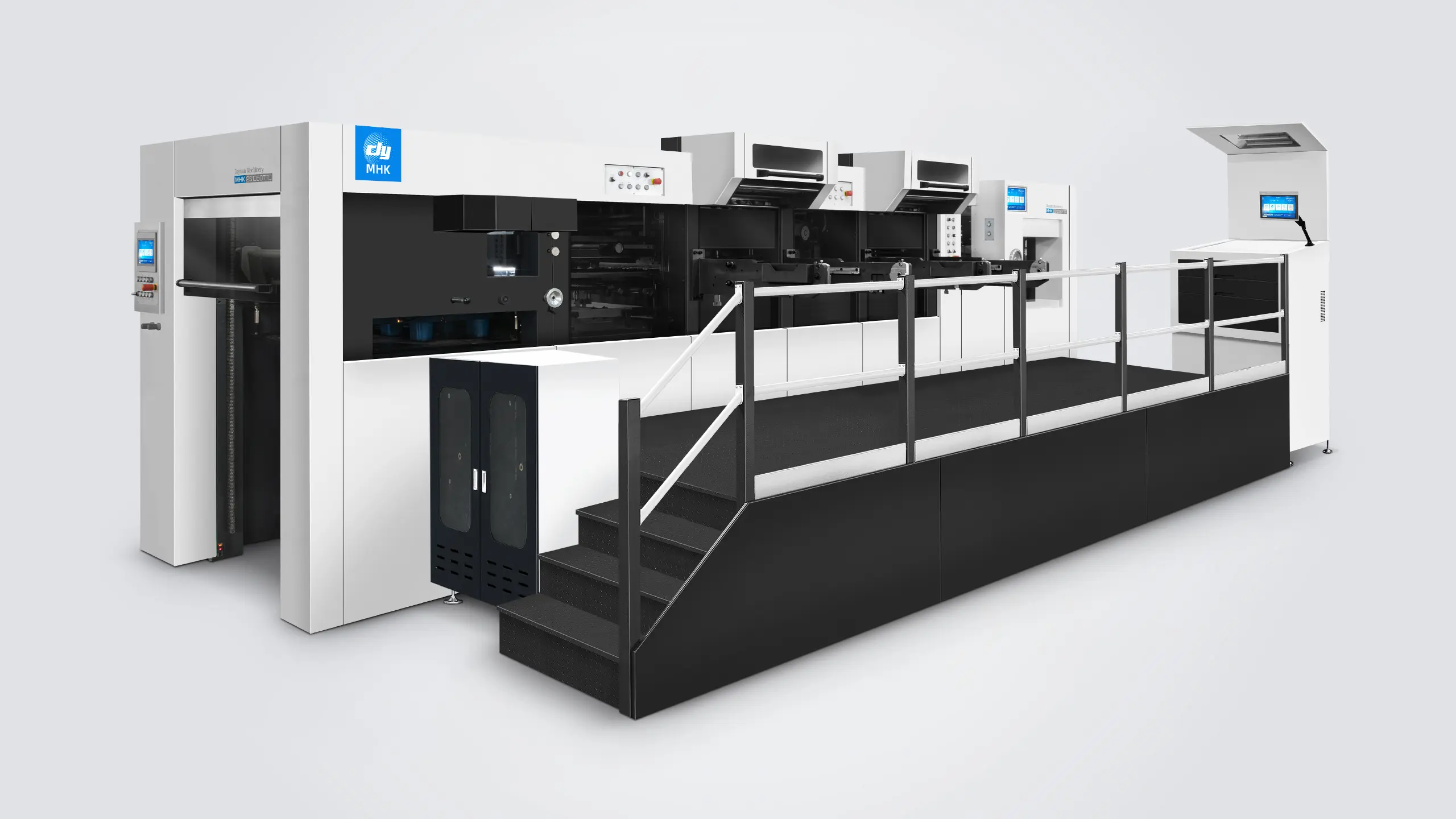
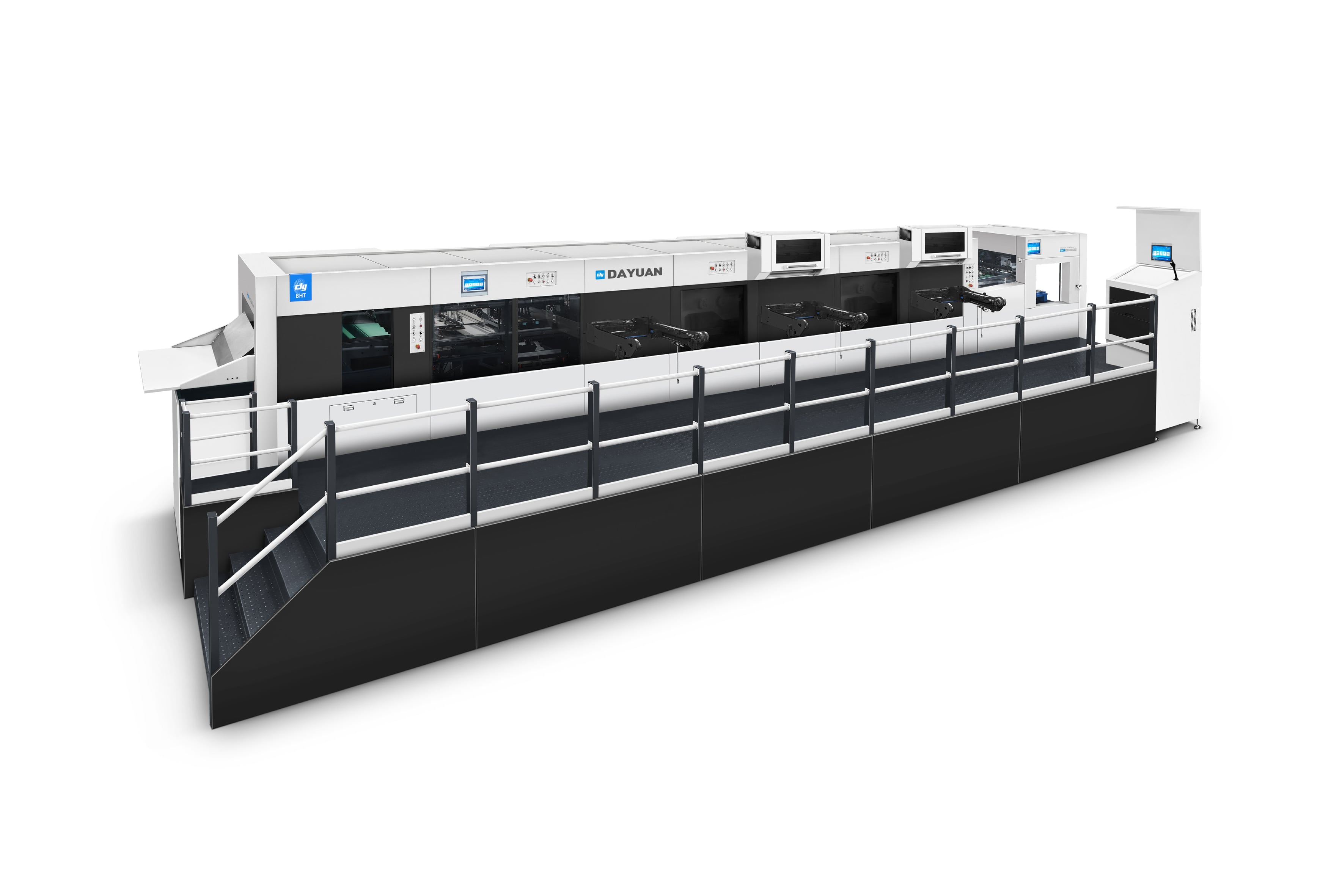
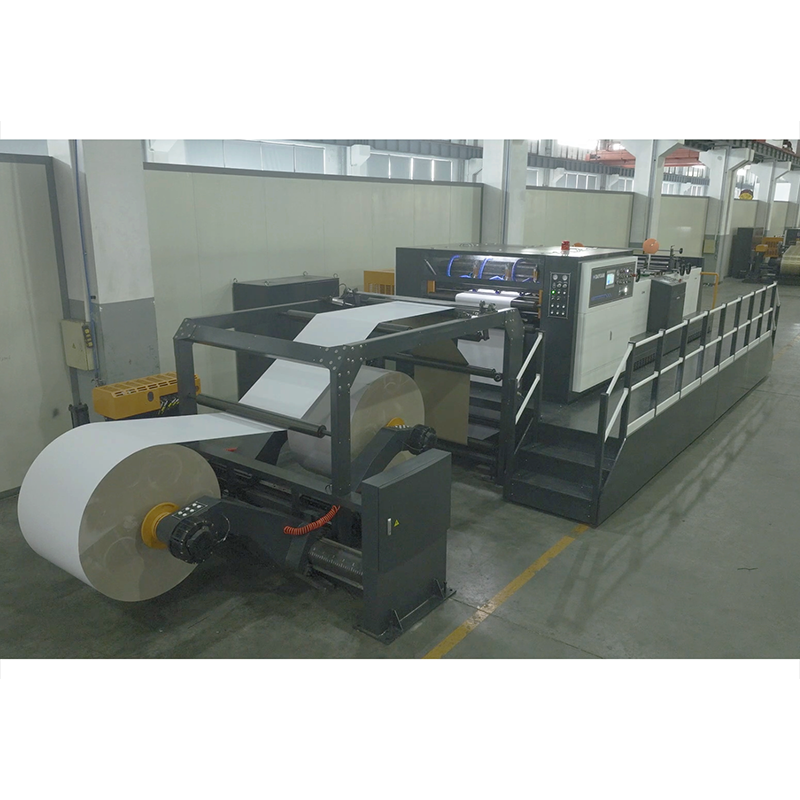
Industrial cutting equipment serves an important role in paper processing and printing production. Dayuan Machinery offers servo precision sheet cutter machines for paper cutting applications, alongside flatbed die-cutting machines, hot foil stamping and die-cutting machines, and stripping and blanking machines. Each equipment category addresses a different production requirement, from preparing sheets for subsequent processing to shaping materials and removing post-press waste. For buyers researching industrial slitters, understanding the difference between roll slitting and sheet cutting is an important first step in identifying suitable equipment. Dayuan's product information can help buyers explore machinery relevant to paper and packaging production.

Recommended Products

Not every industrial cutting machine performs the same task. Some machines divide continuous rolls into narrower rolls, while others cut individual sheets to specified dimensions or shape materials through die cutting. These differences affect which equipment is appropriate for a particular production line.

Dayuan Machinery's product portfolio focuses on paper cutting, printing, and post-press production. Its servo precision sheet cutter machines are associated with sheet cutting, while flatbed die-cutting machines support die-cutting operations. The company also offers hot foil stamping and die-cutting machines, as well as stripping and blanking machines for other post-press requirements.

For buyers searching for an industrial slitter, the first question is whether the production process actually requires roll-to-roll slitting. If the task involves cutting paper sheets to size, a sheet cutter may be a more relevant equipment category. If the requirement involves creating specific shapes in printed materials, die-cutting equipment may be worth investigating instead.

Material compatibility should also be confirmed before selecting a machine. Equipment intended for paper processing should not automatically be considered suitable for metal sheets, plastic films, textiles, or other materials. Buyers should consult the relevant product documentation to establish the intended applications and verified capabilities of each model.

A useful equipment comparison starts with the required output: the material format, the type of cut, and the stage of production where the machine will be used. Once these requirements are clear, buyers can compare the available machine categories and examine the specifications of relevant models.

For businesses in printing and packaging, matching the equipment to the actual processing task is more useful than relying on a broad industrial machine label. Reviewing Dayuan Machinery's paper cutting and post-press equipment categories provides a starting point for identifying options that align with these requirements.

Related Blog

How Does a Die Cutting Machine Work? Understanding the Basics

15

Oct

How Does a Die Cutting Machine Work? Understanding the Basics

Introduction to Die Cutting: Importance and Overview Die cutting stands out as essential throughout many sectors including packaging, textiles, and general manufacturing mainly because it offers both precision and speed. Basically what happens here ...
View More
What Are the Benefits of Using a Die Cutting Machine in Production?

15

Oct

What Are the Benefits of Using a Die Cutting Machine in Production?

Introduction to Die Cutting Machines in Various Production Industries Die cutting machines are pretty important for automating cutting processes in lots of different industries these days. Basically what they do is speed things up on the factory flo...
View More
How Does a Hot Stamping Machine Work? Understanding the Basics

16

Oct

How Does a Hot Stamping Machine Work? Understanding the Basics

How Does a Hot Stamping Machine Work? Understanding the Basics Hot stamping is a visually striking process that adds a premium metallic or pigmented finish to products. Specifically for the paper industry—from luxury packaging to high-end sta...
View More
How Do Stripping Machines Contribute to Sustainability and Resource Recovery?

16

Oct

How Do Stripping Machines Contribute to Sustainability and Resource Recovery?

Core Mechanisms of Stripping Machines in Recycling How Stripping Machines Separate Materials Efficiently Stripping machines have complex mechanical parts that do a good job separating stuff like copper and aluminum from mixed materials, which makes ...
View More

Get a Free Quote

Our representative will contact you soon.
Email
Name
Company Name
Required Product
Message
0/1000

industrial slitter

Precision Control Technology

Precision Control Technology

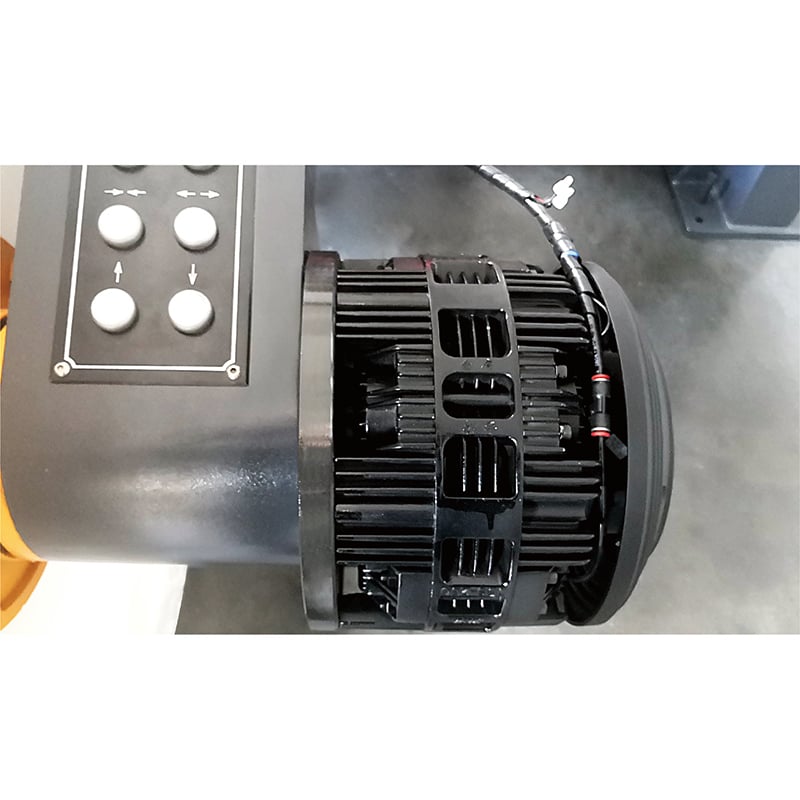
The advanced precision control technology in modern industrial slitters represents a significant leap forward in material processing capability. This system combines high-resolution sensors with sophisticated software algorithms to maintain exact cutting specifications throughout the entire operation. The technology continuously monitors and adjusts multiple parameters including blade pressure, material tension, and feed rate to ensure optimal cutting performance. Real-time feedback mechanisms allow for immediate corrections to any deviations, maintaining consistency across long production runs. This level of precision control enables manufacturers to achieve tolerances as tight as ±0.1mm, making it possible to meet the most demanding specifications in industries such as electronics and medical device manufacturing. The system also includes automated calibration features that reduce setup time and minimize operator error.
Multi-Material Processing Capability

Multi-Material Processing Capability

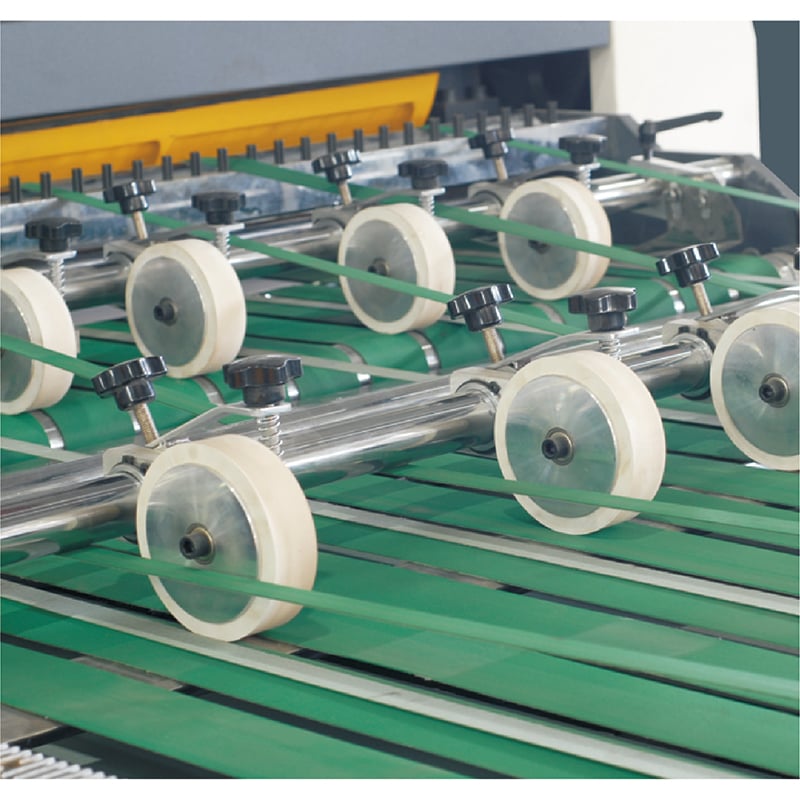
Industrial slitters excel in their ability to process a wide range of materials with equal precision and effectiveness. This versatility stems from their sophisticated design that incorporates adjustable blade systems and variable tension controls. The machines can seamlessly transition between different materials such as paper, plastic films, metal foils, and composite materials without requiring extensive modifications or downtime. This capability is particularly valuable for manufacturers who work with multiple material types or need to adjust their production lines frequently. The system includes material-specific presets that optimize cutting parameters based on the characteristics of each material, ensuring consistent quality regardless of the substrate being processed. Advanced sensor systems automatically detect material properties and adjust operating parameters accordingly.
Integrated Quality Assurance System

Integrated Quality Assurance System

The integrated quality assurance system represents a cornerstone feature of modern industrial slitters, incorporating multiple layers of monitoring and control to ensure consistent product quality. This comprehensive system includes real-time defect detection capabilities that can identify and flag issues such as irregular cuts, material imperfections, or tension inconsistencies during the slitting process. High-speed cameras and sensors continuously monitor the cutting operation, while sophisticated software analyzes the data to maintain quality standards. The system automatically generates detailed quality reports for each production run, providing valuable documentation for quality control and compliance purposes. Additionally, the integrated system can predict potential issues before they occur, allowing for preventive maintenance and reducing unplanned downtime.

Get a Free Quote

Our representative will contact you soon.
Email
Name
Company Name
Required Product
Message
0/1000