Versatile Machine Configurations for Diverse Material Processing Needs
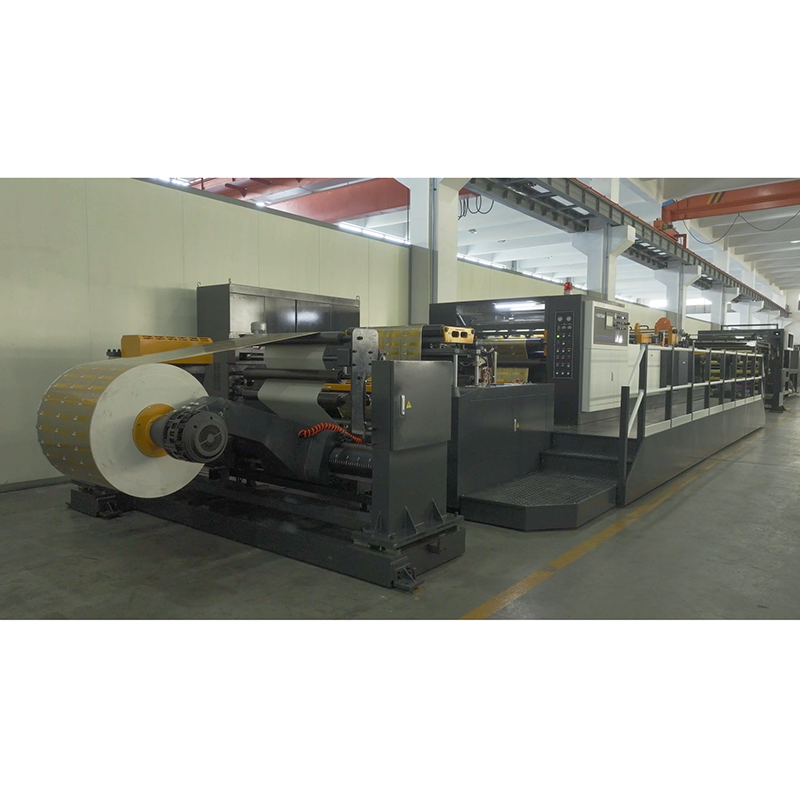
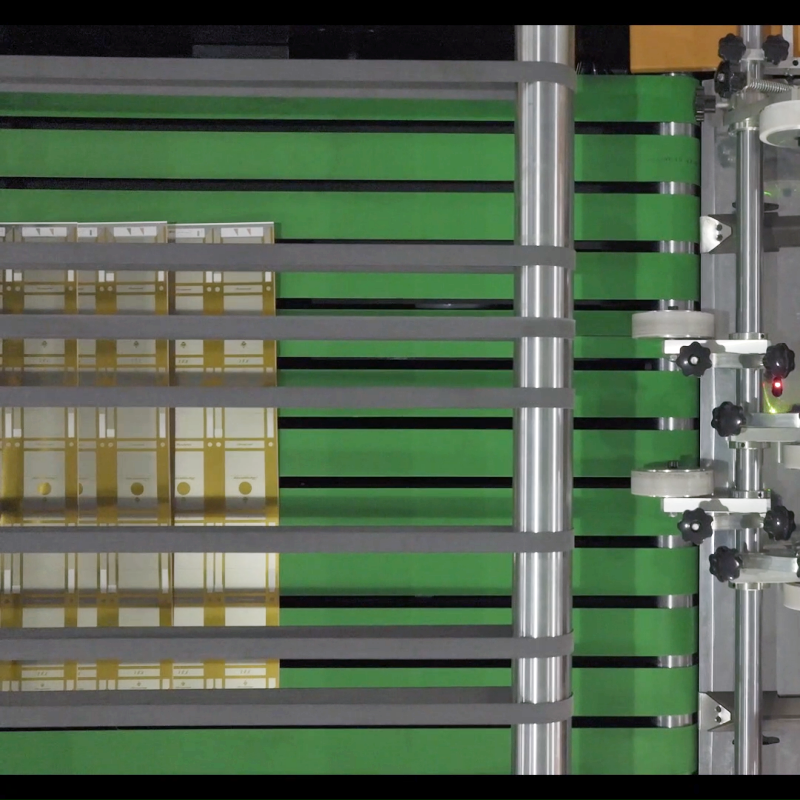
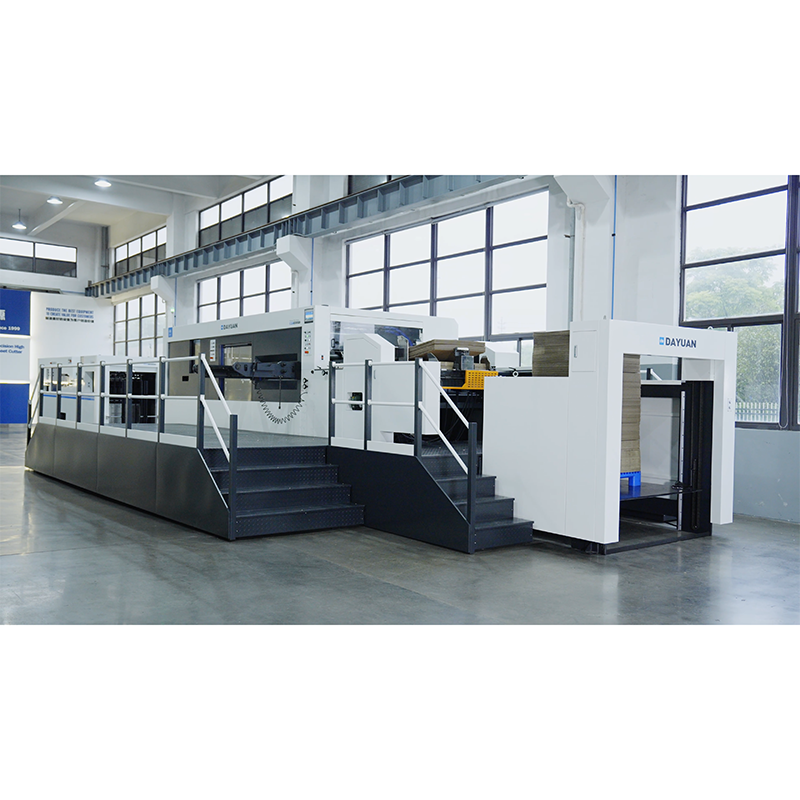
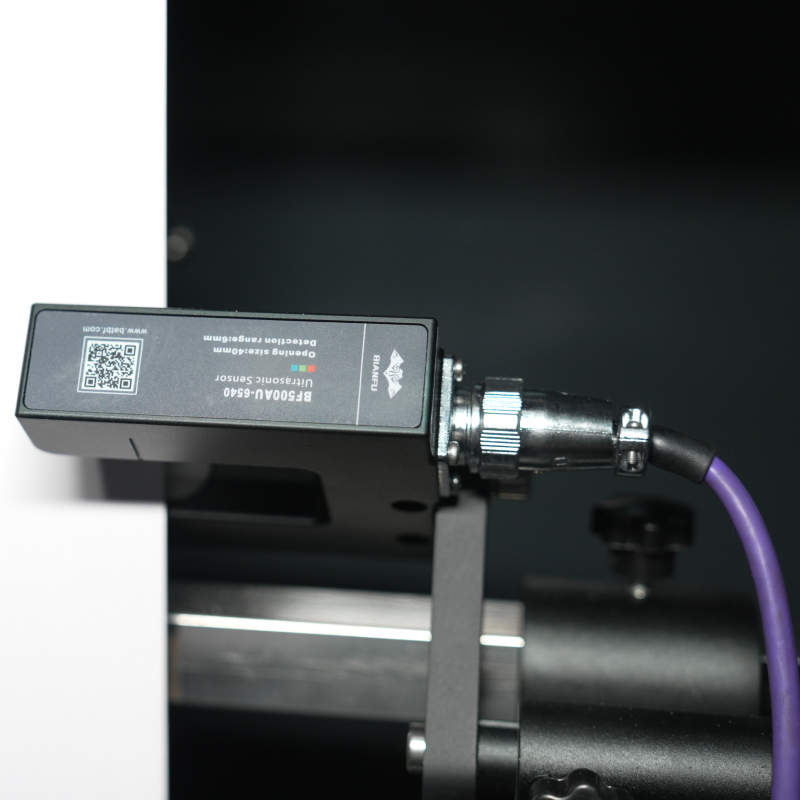
The breadth of machine configurations available from an established slitting machine company addresses the remarkably diverse processing requirements across industries, with equipment designs specifically engineered to handle distinct material categories and production scenarios. Understanding that no single machine design optimally processes every substrate type, leading manufacturers develop specialized platforms tailored to particular application demands. For operations processing delicate thin films, sensitive papers, or lightweight nonwovens, a slitting machine company offers designs featuring minimal wrap angles, low-inertia unwind systems, and gentle tension control that prevent material damage or dimensional distortion during processing. These configurations typically incorporate differential rewind systems that accommodate varying material properties across the web width, ensuring uniform roll hardness despite thickness variations or adhesive patterns. Conversely, equipment designed for heavy-duty applications like metal foils, coated abrasives, or dense industrial textiles features robust construction with reinforced frames, high-torque drive systems, and hardened cutting components capable of sustained operation under demanding conditions. The slitting machine company engineering teams consider factors like maximum web width capacity, processing speed capabilities, core diameter compatibility, and finished roll weight limitations when designing equipment for specific market segments. Modular design philosophies employed by innovative manufacturers allow customers to configure machines with optional features that match their unique requirements without paying for unnecessary capabilities. These options might include differential rewind shafts for handling tapered cores, automatic core loading systems that reduce setup time between jobs, multiple unwind positions for quick changeovers, or specialized cutting technologies suited to particular materials. A quality slitting machine company recognizes that customer needs evolve, so they engineer upgrade paths that allow adding capabilities to existing equipment as production requirements change. This expandability protects initial investments while providing flexibility to enter new markets or accommodate customer requests for different product formats. The versatility extends to cutting methods, with equipment platforms supporting razor blade slitting for clean edges on papers and films, shear slitting for thicker materials requiring mechanical cutting action, or crush cutting for pressure-sensitive products where blade contact must be minimized. Knife positioning systems range from manual adjustment designs suitable for long production runs of consistent products to fully motorized setups enabling rapid changeovers for short-run, high-mix operations. Width adjustment mechanisms vary from fixed knife holder spacing to infinitely variable positioning with digital readouts ensuring precise placement. The slitting machine company application expertise helps customers select optimal configurations, considering not just current production needs but also anticipated future requirements that might influence machine specification decisions. Space-efficient designs address facility constraints, with compact footprints and vertical equipment arrangements maximizing production capacity within limited floor areas.
 EN
EN