Slitting Cutter Machine: Precision Cutting Solutions for Industrial Material Processing

+86-577-58918888
All Categories

slitting cutter machine

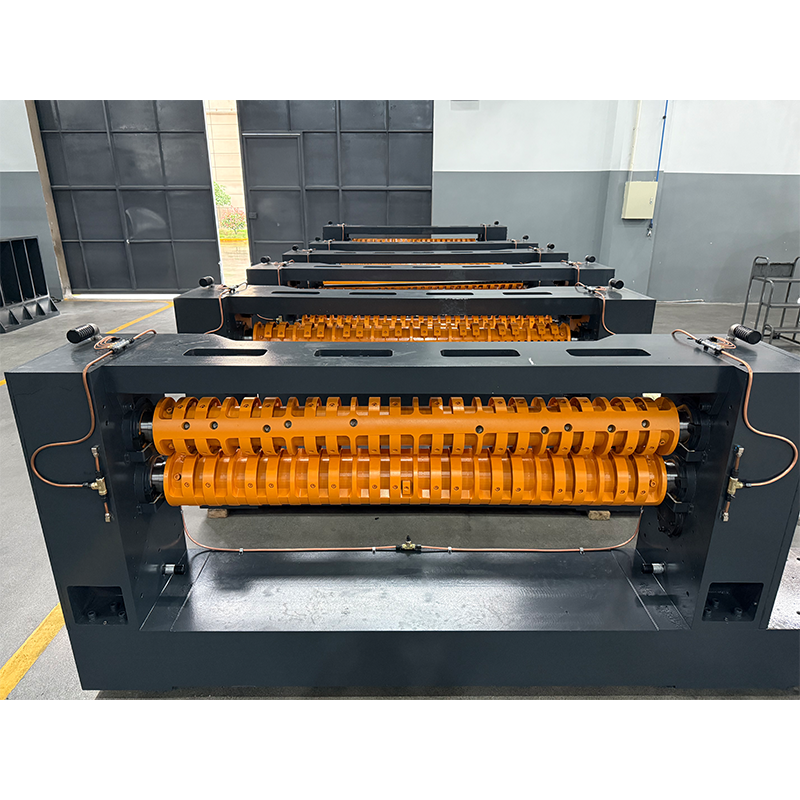
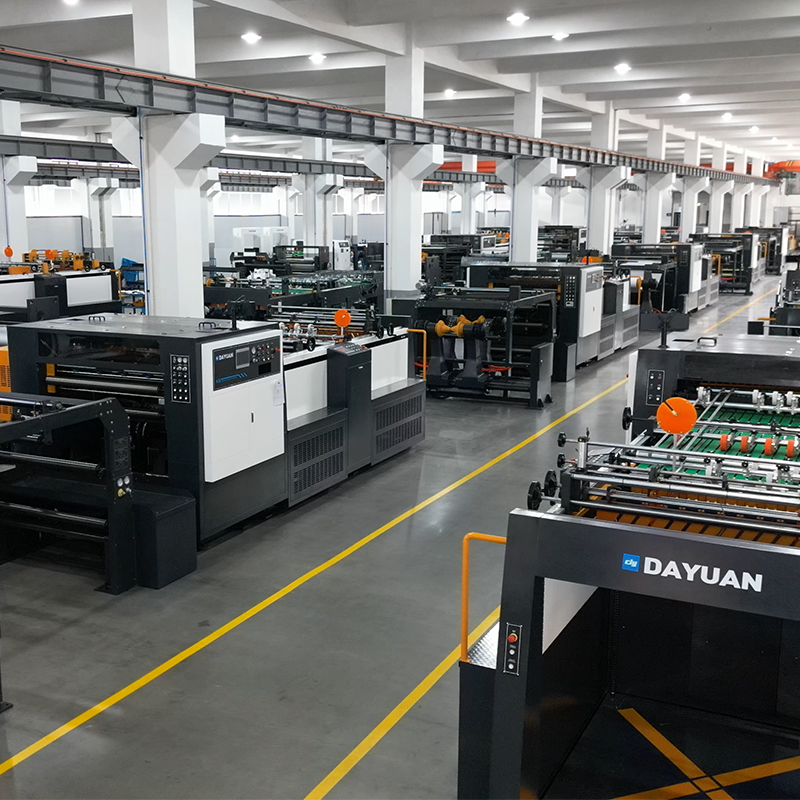
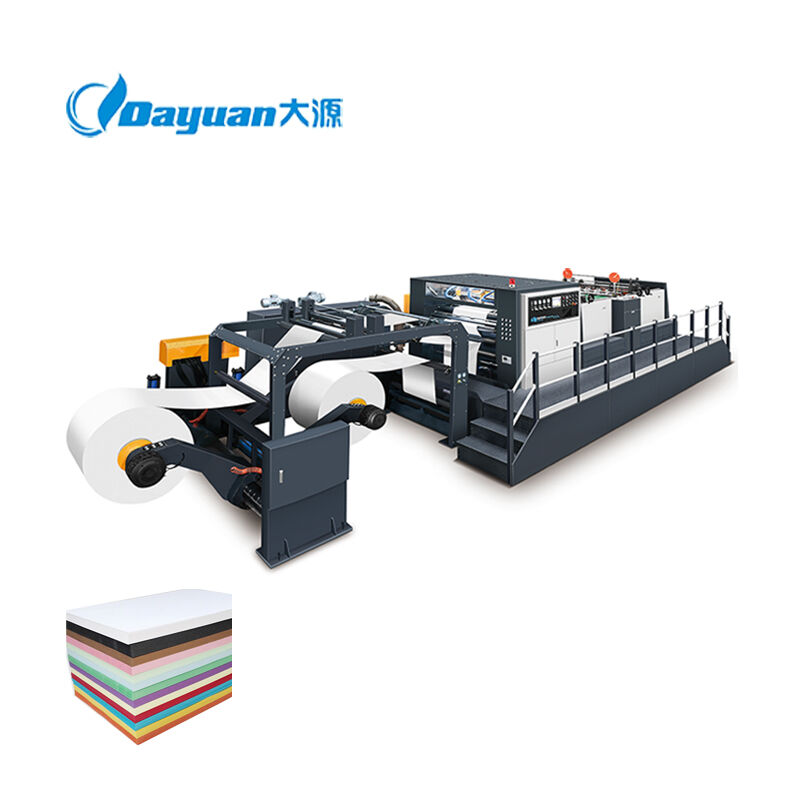
A slitting cutter machine represents a specialized industrial equipment designed to cut large rolls of material into narrower strips with precision and consistency. This versatile manufacturing tool serves critical functions across multiple industries, enabling businesses to transform master rolls into custom widths that meet specific production requirements. The primary function of a slitting cutter machine involves unwinding bulk material, passing it through sharp circular blades or cutting mechanisms, and rewinding the resulting narrow strips onto individual cores. Modern slitting cutter machines incorporate advanced technological features including servo motor controls, programmable logic controllers, and digital positioning systems that ensure accurate cut placement and uniform tension throughout the process. The machine's core components consist of an unwinding station, slitting heads with adjustable blade holders, tension control systems, and rewinding stations capable of handling multiple rolls simultaneously. Technological innovations have enhanced these machines with features such as automatic knife positioning, touchscreen interfaces, and real-time monitoring systems that track production metrics. The slitting cutter machine finds extensive applications in processing flexible materials including paper, film, foil, nonwoven fabrics, textiles, adhesive tapes, and various composite materials. Manufacturing facilities utilize these machines for converting operations where large-format materials must be divided into specific widths for packaging, labeling, printing, or further processing applications. The equipment accommodates varying material thicknesses and widths, with industrial models capable of handling master rolls exceeding two meters in width. Material handling capabilities extend from delicate thin films measuring micrometers to thicker substrates several millimeters in depth. Quality control features integrated into modern slitting cutter machines include edge guiding systems, web tension monitoring, and waste reduction mechanisms that minimize material loss during the conversion process. The machines operate at variable speeds depending on material characteristics, with high-speed models achieving linear velocities exceeding 500 meters per minute for appropriate substrates, making them indispensable assets for high-volume production environments requiring consistent quality and dimensional accuracy.

New Products

Investing in a slitting cutter machine delivers substantial operational benefits that directly impact your production efficiency and bottom line. First and foremost, this equipment dramatically reduces labor costs by automating the material conversion process that would otherwise require multiple workers performing manual cutting operations. Your production team can operate the machine with minimal supervision once programmed, allowing you to reallocate human resources to higher-value tasks. The precision cutting capability ensures every strip matches exact width specifications, eliminating costly material waste that occurs with manual cutting methods or less sophisticated equipment. You gain the flexibility to produce multiple slit widths simultaneously, enabling your facility to fulfill diverse customer orders during a single production run without time-consuming changeovers. The consistent tension control throughout the slitting process prevents material deformation, stretching, or damage that compromises product quality, ensuring your finished goods meet rigorous quality standards. Your business benefits from increased production speed compared to traditional cutting methods, with modern slitting cutter machines processing hundreds of linear meters per minute depending on material characteristics. This velocity advantage translates directly into higher output volumes, allowing you to accept larger orders and reduce lead times for customers. The machine's adjustable settings accommodate various material types and thicknesses, providing versatility that eliminates the need for multiple specialized cutting tools. You protect your investment through the equipment's robust construction designed for continuous industrial operation, minimizing downtime and maintenance expenses over the machine's operational lifetime. The automated operation reduces human error in measurement and cutting, resulting in fewer rejected products and reduced rework costs. Your facility gains improved workplace safety as workers no longer handle sharp cutting tools manually, decreasing injury risks and associated liability concerns. Energy efficiency features in contemporary models lower operational costs compared to older mechanical systems, contributing to reduced utility expenses. The compact footprint of modern slitting cutter machines optimizes floor space utilization, allowing you to maximize production capacity within existing facilities. Real-time monitoring capabilities provide production data that helps you identify efficiency improvements and track material usage patterns. Your business achieves faster return on investment through increased productivity, reduced waste, lower labor requirements, and improved product consistency that enhances customer satisfaction and repeat business opportunities.

Practical Tips

How to Maintain the Blade and Calibration of Your Paper Cutter Machine for Safe Operation?

22

Jan

How to Maintain the Blade and Calibration of Your Paper Cutter Machine for Safe Operation?

Maintaining your paper cutter machine is essential for ensuring consistent performance, operator safety, and product longevity. Regular maintenance of both the cutting blade and calibration system prevents costly repairs while maximizing productivity...
View More
How Does a High-Precision Paper Cutter Machine Ensure Perfect Edge Quality for Fine Printing?

10

Feb

How Does a High-Precision Paper Cutter Machine Ensure Perfect Edge Quality for Fine Printing?

In the demanding world of fine printing and commercial printing operations, achieving consistently perfect edge quality remains one of the most critical challenges facing print professionals. The difference between an acceptable print job and an exce...
View More
How Do You Select the Right Paper Die Cutting Machine for Folding Cartons vs. Corrugated Board?

02

Apr

How Do You Select the Right Paper Die Cutting Machine for Folding Cartons vs. Corrugated Board?

Selecting the right paper die cutting machine for different packaging applications requires understanding the fundamental differences between folding carton and corrugated board production requirements. The choice between these substrate types direct...
View More
How Do You Select the Right Paper Cutter Machine for Heavy-Duty vs. Light-Duty Applications?

02

Apr

How Do You Select the Right Paper Cutter Machine for Heavy-Duty vs. Light-Duty Applications?

Selecting the appropriate paper cutter machine for your specific operational requirements involves understanding the fundamental differences between heavy-duty and light-duty applications. The choice you make directly impacts productivity, operationa...
View More

Get a Free Quote

Our representative will contact you soon.
Email
Name
Company Name
Required Product
Message
0/1000

slitting cutter machine

Precision Cutting Technology for Superior Product Quality

Precision Cutting Technology for Superior Product Quality

The advanced precision cutting technology incorporated into modern slitting cutter machines represents a transformative capability that elevates product quality while minimizing material waste. This sophisticated system utilizes razor-sharp circular blades manufactured from premium hardened steel or carbide materials, engineered to maintain cutting edge integrity through millions of linear meters of operation. The blade positioning mechanism employs micrometer-level adjustments, enabling operators to set exact spacing between cutters with tolerances measured in fractions of millimeters. This exceptional accuracy ensures each slitted strip maintains consistent width throughout the entire roll length, meeting demanding specifications required by industries such as electronics, medical device manufacturing, and precision labeling applications. The cutting mechanism incorporates multiple operational modes including shear cutting, razor cutting, and crush cutting, allowing optimal selection based on material characteristics. Delicate films benefit from razor cutting that produces clean edges without deformation, while thicker substrates may utilize shear cutting for efficient processing. The adjustable blade pressure system automatically compensates for material thickness variations, maintaining cut quality even when processing materials with inconsistent gauge. Advanced machines feature tool-less blade change systems that reduce setup time and enable quick transitions between production runs requiring different configurations. The precision technology extends beyond the cutting action itself to include sophisticated web guiding systems that continuously monitor material position and make real-time corrections to prevent edge wandering or misalignment. Optical sensors detect material edges with sub-millimeter accuracy, triggering servo-controlled adjustments that keep the substrate properly positioned relative to the cutting blades. This automated correction capability proves invaluable when processing materials with variable dimensional stability or those affected by environmental conditions. The result delivers finished strips with parallel edges, uniform width, and clean cut quality free from burrs, fraying, or deformation. Manufacturers benefit from reduced customer complaints, fewer rejected shipments, and enhanced reputation for delivering premium quality products. The precision cutting technology eliminates the material waste associated with out-of-specification strips, directly improving profit margins by maximizing yield from expensive raw materials. Quality consistency enables automated downstream processes to operate reliably without manual intervention or frequent adjustments to accommodate dimensional variations.
Intelligent Automation Systems for Enhanced Productivity

Intelligent Automation Systems for Enhanced Productivity

Contemporary slitting cutter machines incorporate intelligent automation systems that revolutionize production efficiency and operational simplicity. These advanced control platforms utilize programmable logic controllers integrated with intuitive touchscreen interfaces that transform complex machine operation into straightforward procedures accessible to operators with minimal specialized training. The automation system stores unlimited job recipes containing complete setup parameters including blade positions, tension settings, speed profiles, and material specifications. Operators simply select the appropriate recipe from the digital library, and the machine automatically configures all parameters, eliminating manual measurements and setup calculations that previously consumed substantial changeover time. This recipe management capability enables facilities to rapidly switch between different products, supporting small-batch production strategies and just-in-time manufacturing methodologies. The intelligent system continuously monitors critical operational parameters including web tension, motor loads, blade temperatures, and production speeds, automatically adjusting control variables to maintain optimal performance conditions throughout the production run. Predictive maintenance features analyze operational data to identify developing mechanical issues before failures occur, scheduling maintenance interventions during planned downtime rather than experiencing unexpected production interruptions. Real-time production monitoring displays provide operators with instant visibility into key performance indicators including linear meters processed, production rate, waste percentage, and remaining material on the unwinding roll. This transparency enables proactive decision-making and rapid response to performance deviations. The automation extends to material handling functions with features such as automatic core loading, pneumatic knife positioning, and servo-controlled tension zones that maintain precise web tension across all processing stages. Tension management proves particularly critical when processing elastic materials or thin films where excessive tension causes stretching while insufficient tension results in wrinkles or telescoping on rewind rolls. The intelligent system applies differential tension control, independently managing tension in unwinding, processing, and rewinding zones to accommodate material behavior throughout the conversion process. Safety automation features include emergency stop systems, blade guards with interlock sensors, and automatic shutdown protocols activated when operational parameters exceed safe thresholds. These protective measures safeguard both equipment and personnel while ensuring regulatory compliance. The automation systems support Industry 4.0 connectivity through network integration capabilities that enable remote monitoring, production data collection, and integration with enterprise resource planning systems for comprehensive manufacturing visibility and optimization.

Versatile Material Handling Capabilities Across Industries

Versatile Material Handling Capabilities Across Industries

The exceptional versatility of slitting cutter machines in handling diverse material types positions them as indispensable assets across numerous manufacturing sectors. These adaptable machines process an extensive range of flexible substrates including paper products from tissue-thin specialty grades to heavy cardboard stocks, plastic films spanning from fragile stretch wrap to rigid engineering polymers, metallic foils for packaging and industrial applications, nonwoven fabrics used in hygiene and medical products, textile materials for apparel and technical applications, adhesive tapes in single or multiple layer constructions, laminated composites combining multiple material layers, foam sheets for cushioning and insulation, and specialty films for electronics or optical applications. This broad material compatibility eliminates the need for multiple dedicated cutting systems, reducing capital equipment investments and simplifying production management. The machine accommodates varying material widths from compact rolls measuring centimeters to industrial master rolls exceeding two meters, providing scalability that serves both specialized niche production and high-volume manufacturing operations. Thickness handling ranges from ultra-thin films measuring mere microns to substantial substrates several millimeters thick, with automatic blade pressure adjustment compensating for gauge variations. Material properties spanning from rigid and brittle to highly elastic and stretchy present distinct processing challenges that versatile slitting cutter machines address through adjustable operational parameters. Delicate materials require gentle handling with minimal tension and sharp cutting blades to prevent tearing or deformation, while robust substrates demand higher blade pressures and stronger web control. The machine's adjustable speed capability allows optimization for each material type, operating at high velocities for stable films while reducing speed for materials requiring careful handling. Different industries leverage this versatility for specific applications including packaging manufacturers producing custom-width tapes and labels, printing companies preparing substrates for specialized printing processes, medical device producers creating precision-cut components for diagnostic products, electronics manufacturers processing functional films for display or circuit applications, textile converters preparing fabric rolls for garment production, and flexible packaging operations creating material rolls matched to filling equipment specifications. The ability to quickly transition between materials and configurations enables contract converting businesses to serve diverse customer bases without specialized equipment for each application. Operators appreciate the straightforward adjustment procedures that accommodate new materials, with guided setup routines and material-specific parameter recommendations simplifying the configuration process. The versatile material handling extends to output configurations, with machines producing anything from single narrow strips to dozens of simultaneous slits, and accommodating various core sizes and winding tensions to match downstream process requirements. This comprehensive adaptability ensures the slitting cutter machine delivers value across its operational lifetime as business needs evolve and new materials emerge in the marketplace.

Get a Free Quote

Our representative will contact you soon.
Email
Name
Company Name
Required Product
Message
0/1000