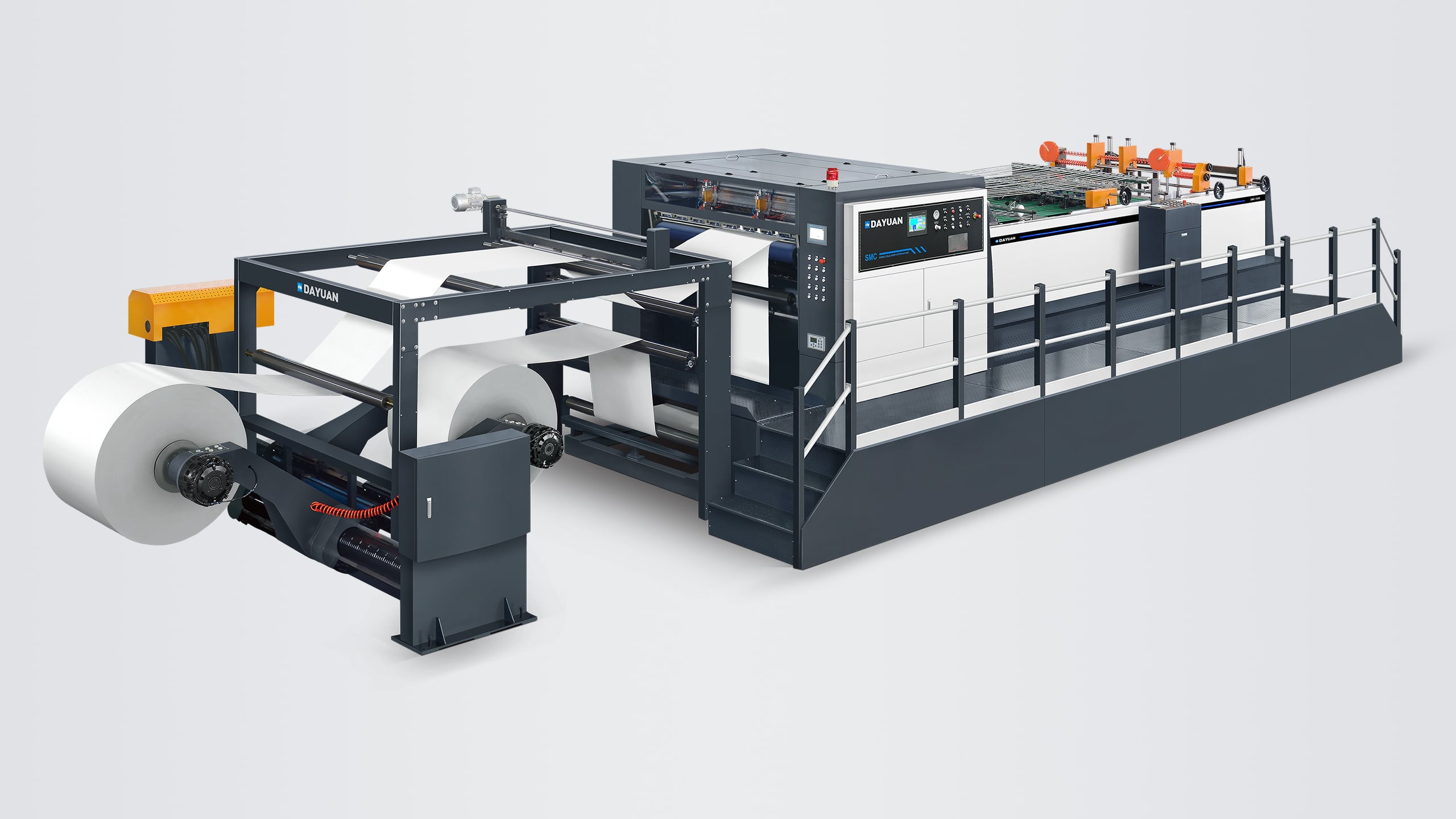
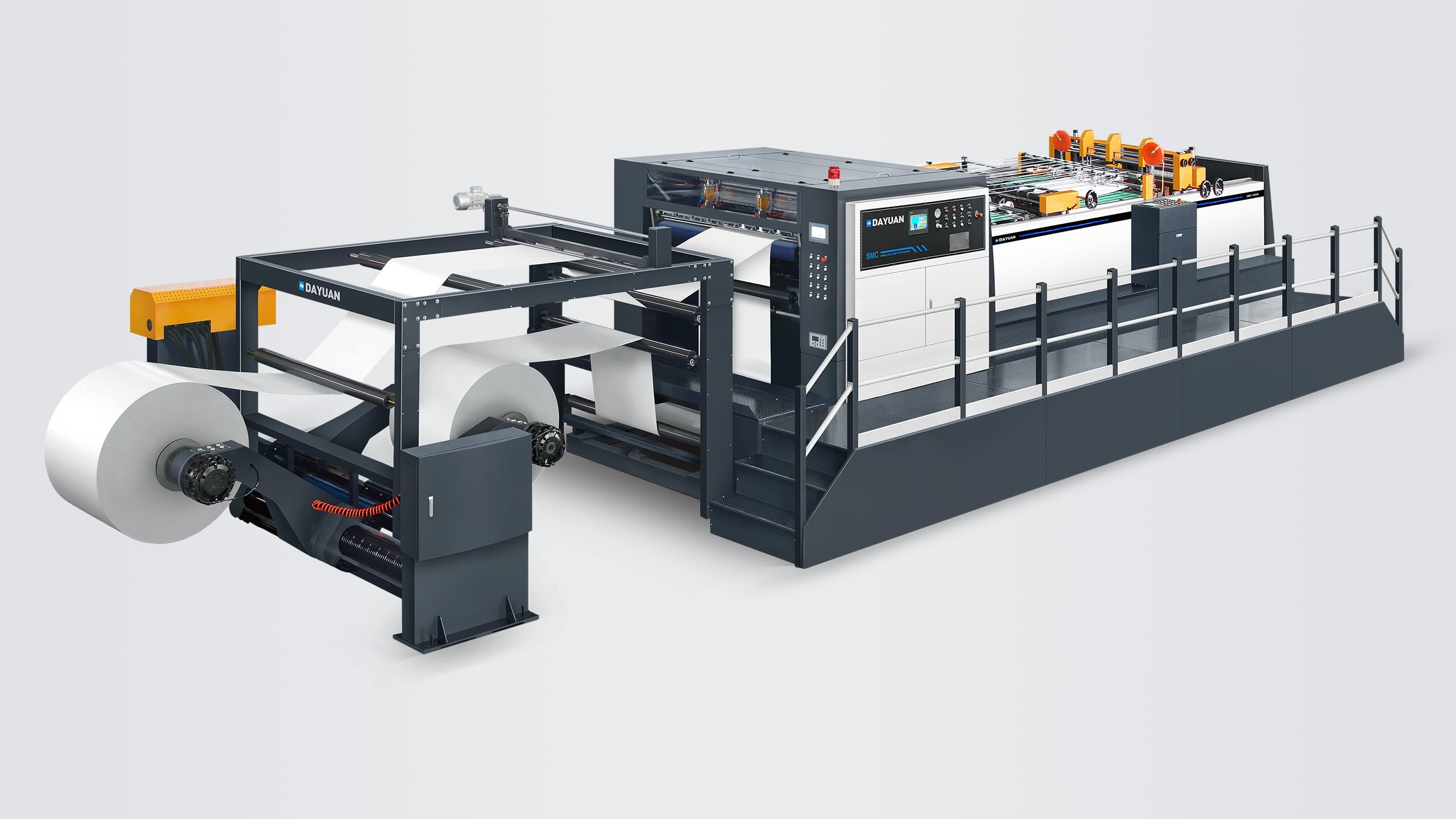
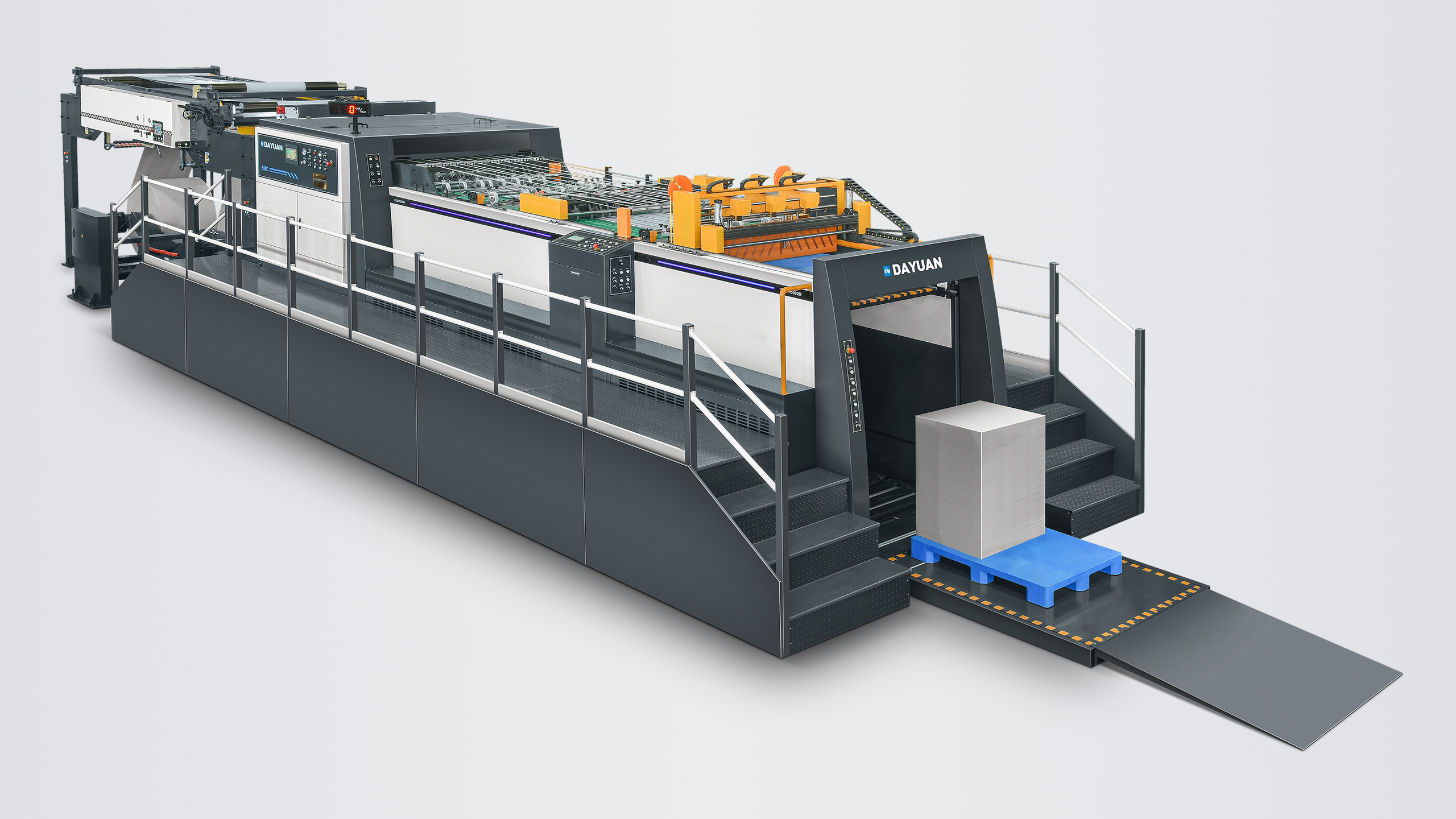
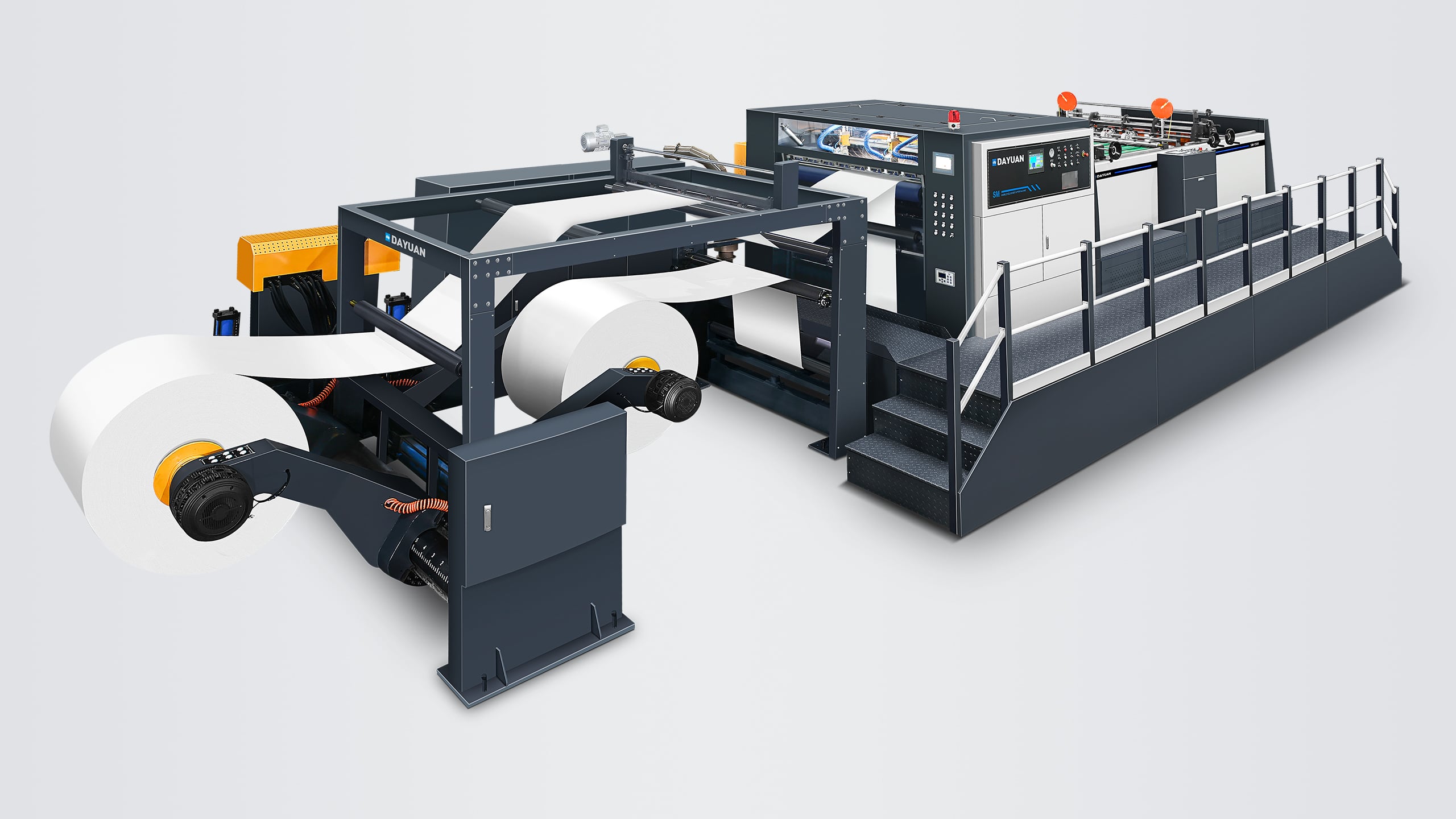
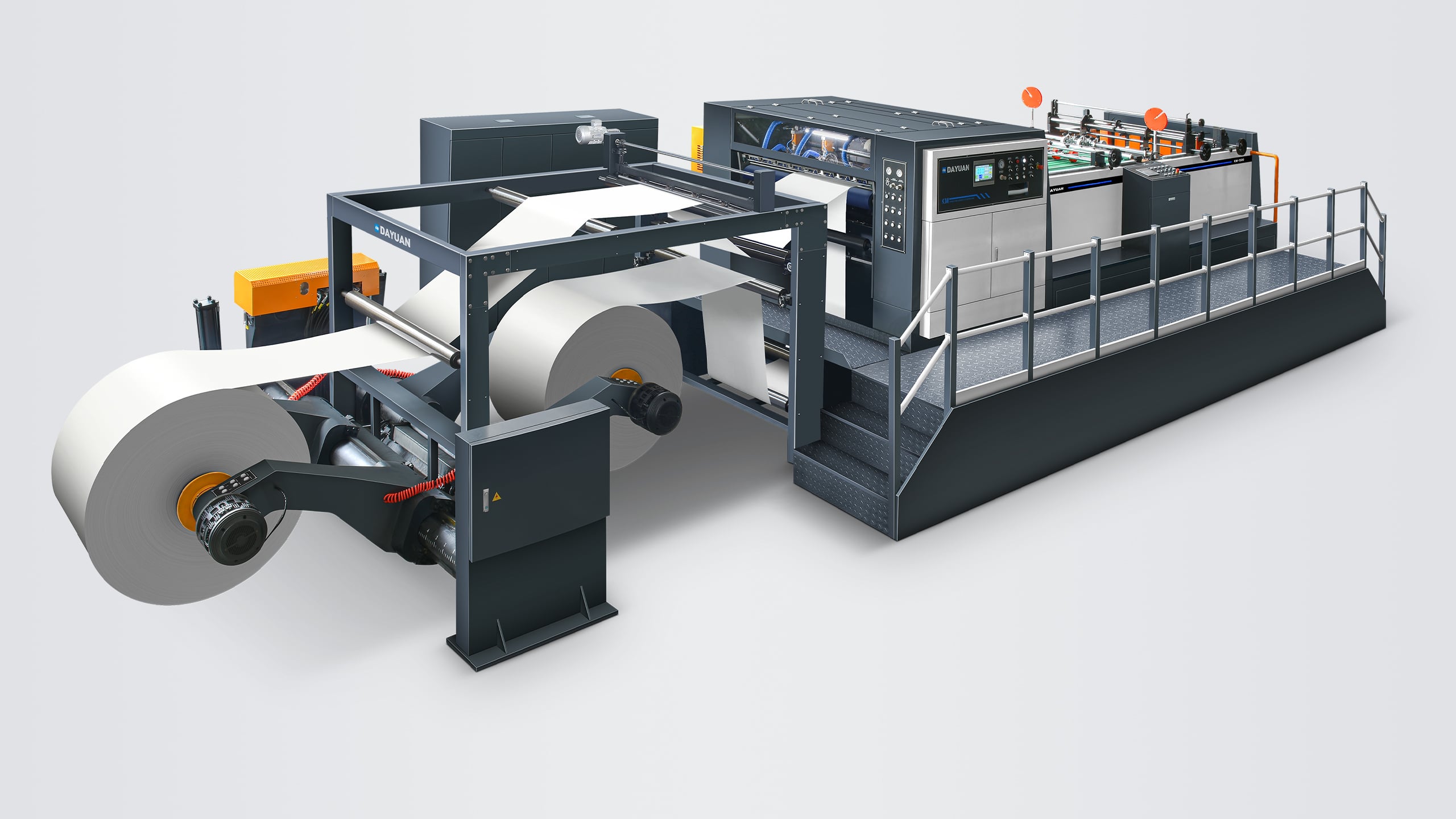
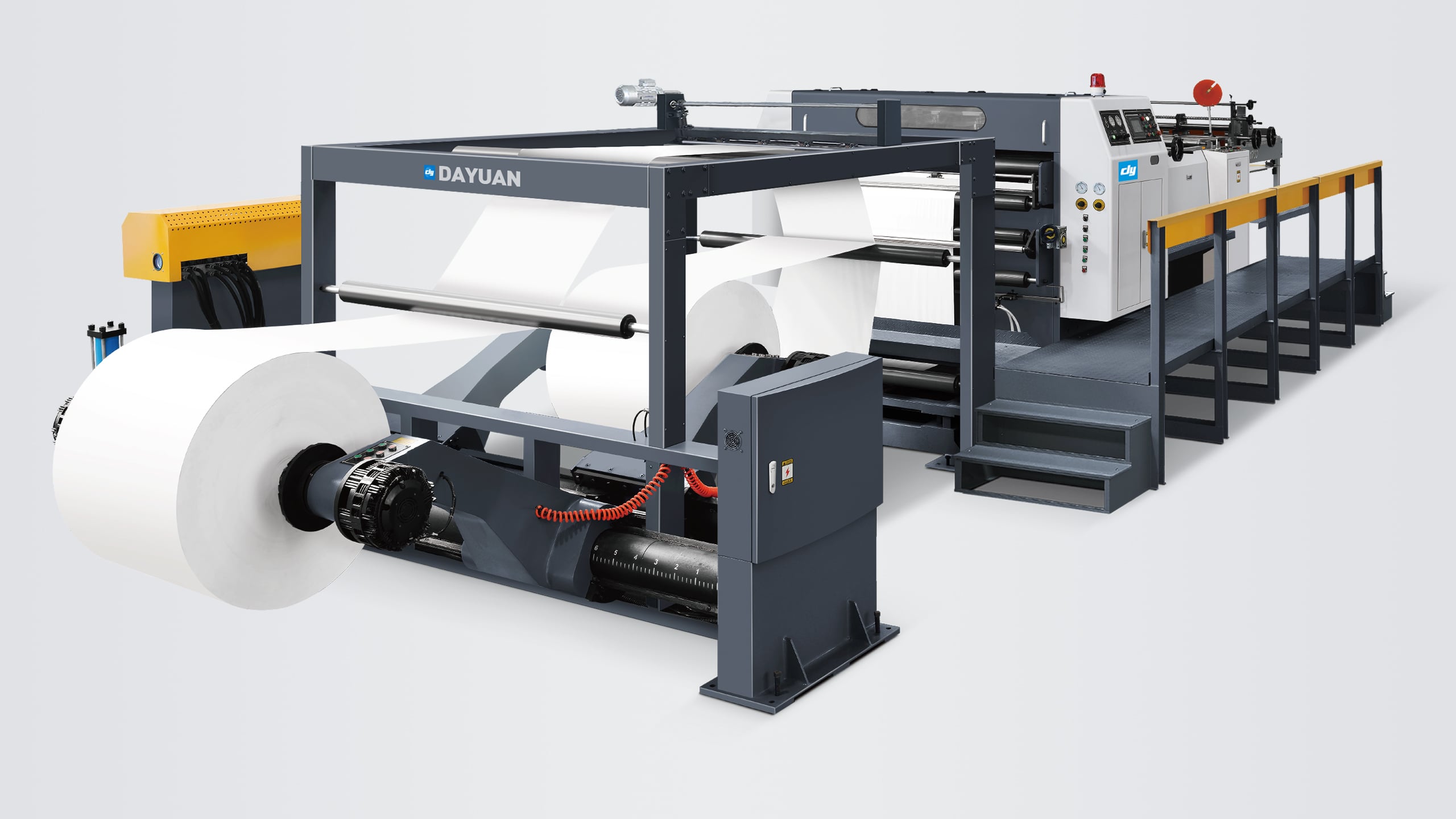
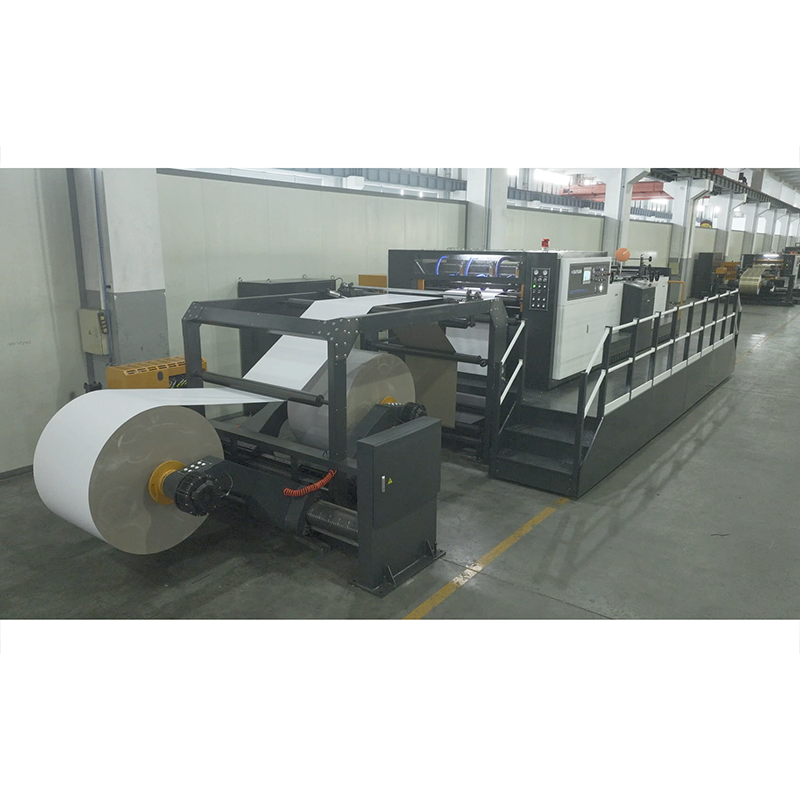
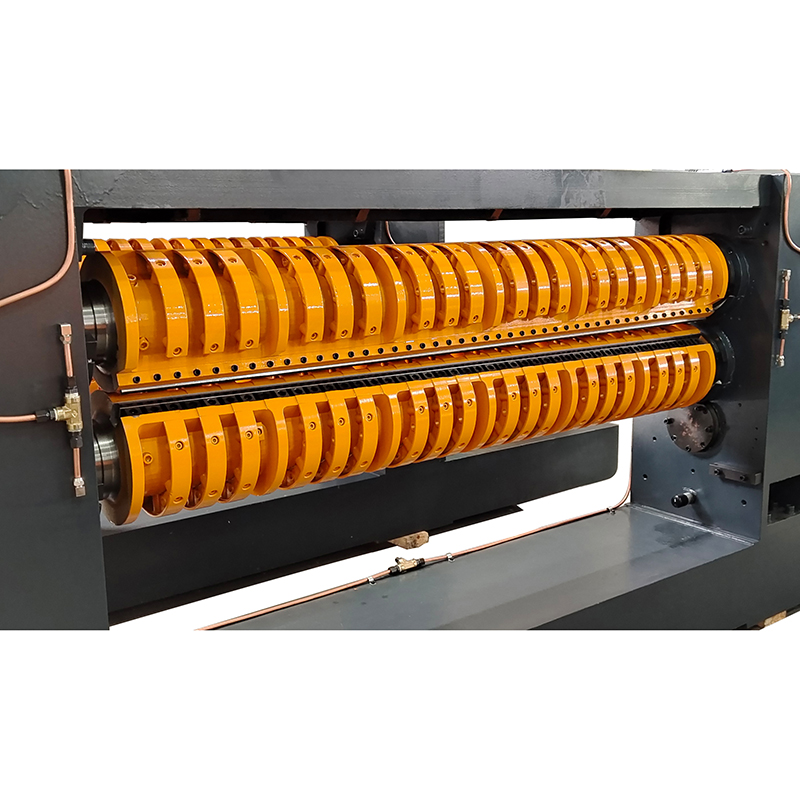
A rotary slitter is used to divide a continuous paper web into narrower rolls for downstream printing, packaging, or paper converting. Rotary knives make longitudinal cuts as the material passes through the cutting section. The required slit width, paper grade, roll dimensions, and production volume should guide equipment selection.
Cutting quality depends on suitable knife setup, accurate positioning, and compatibility between the machine and the paper being processed. Buyers should confirm the supported paper grades, maximum web width, input roll diameter, available cutting arrangements, and finished-roll handling method. These specifications can differ between models, so they should be checked against the manufacturer's technical information.
Before purchasing, define the required slit widths and tolerances, the paper's thickness and surface characteristics, and the planned production workflow. If the slitter will operate alongside printing or other paper-processing equipment, consider how the roll format and output will fit the next production stage. Sample processing or a technical review can help establish whether the selected configuration meets the intended requirements.
When comparing suppliers, review machine specifications, installation needs, operator procedures, maintenance requirements, and the availability of technical support and replacement parts. Avoid assuming that every rotary slitter includes automated tension control, digital monitoring, high-speed operation, or other optional functions; confirm these details for the specific model.
Dayuan Machinery focuses on paper processing and printing and packaging equipment. Buyers considering a rotary slitter should contact the manufacturer to verify that an available machine supports their paper materials, roll dimensions, cutting requirements, and production targets. Choosing equipment based on verified specifications helps ensure a closer match with the actual paper converting process.
 EN