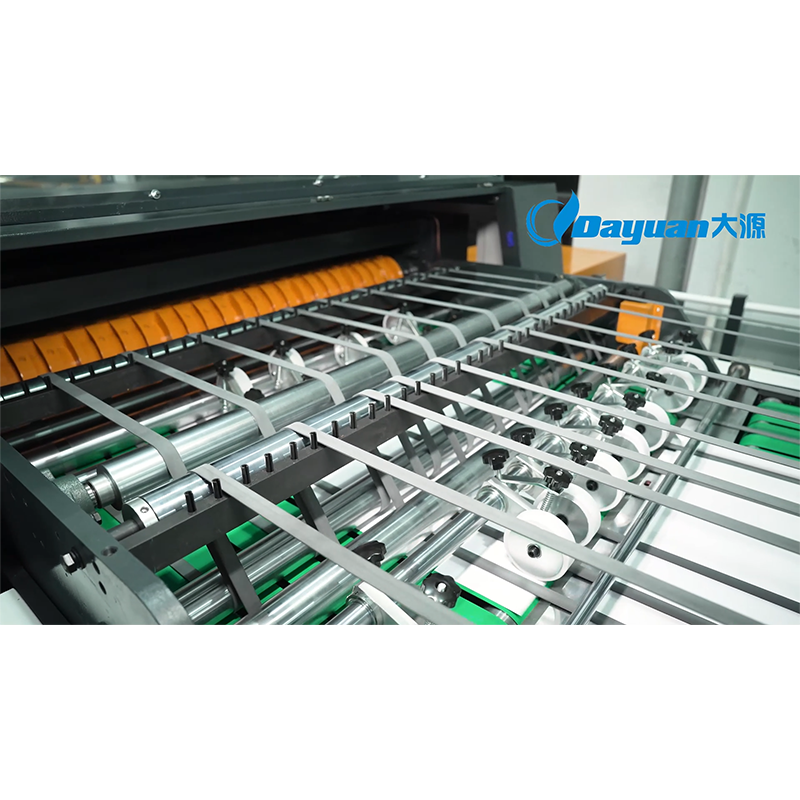
High-Precision Machine Slitter: Advanced Material Processing Solution for Industrial Applications

+86-577-58918888
All Categories

Machine Slitter

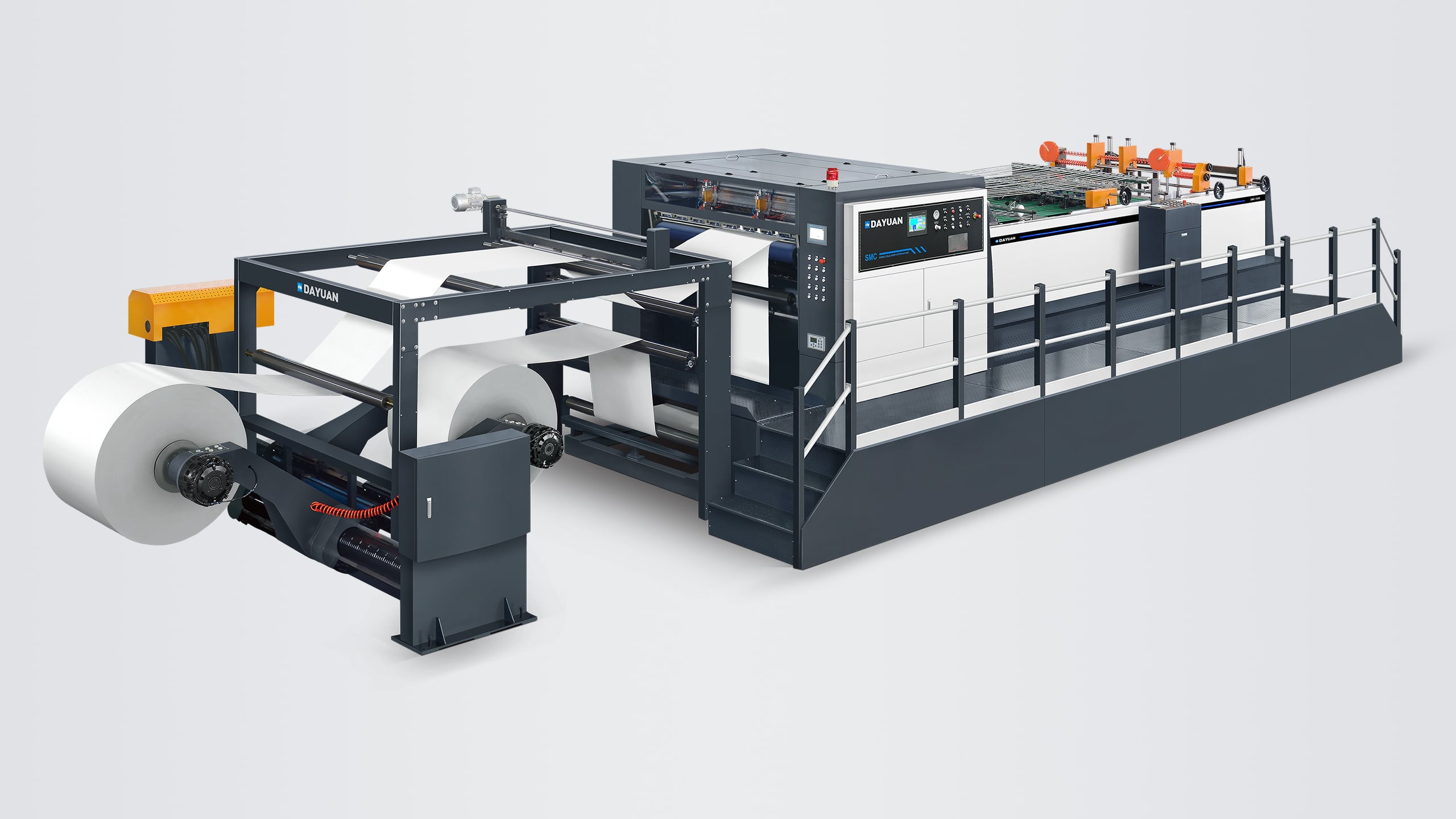
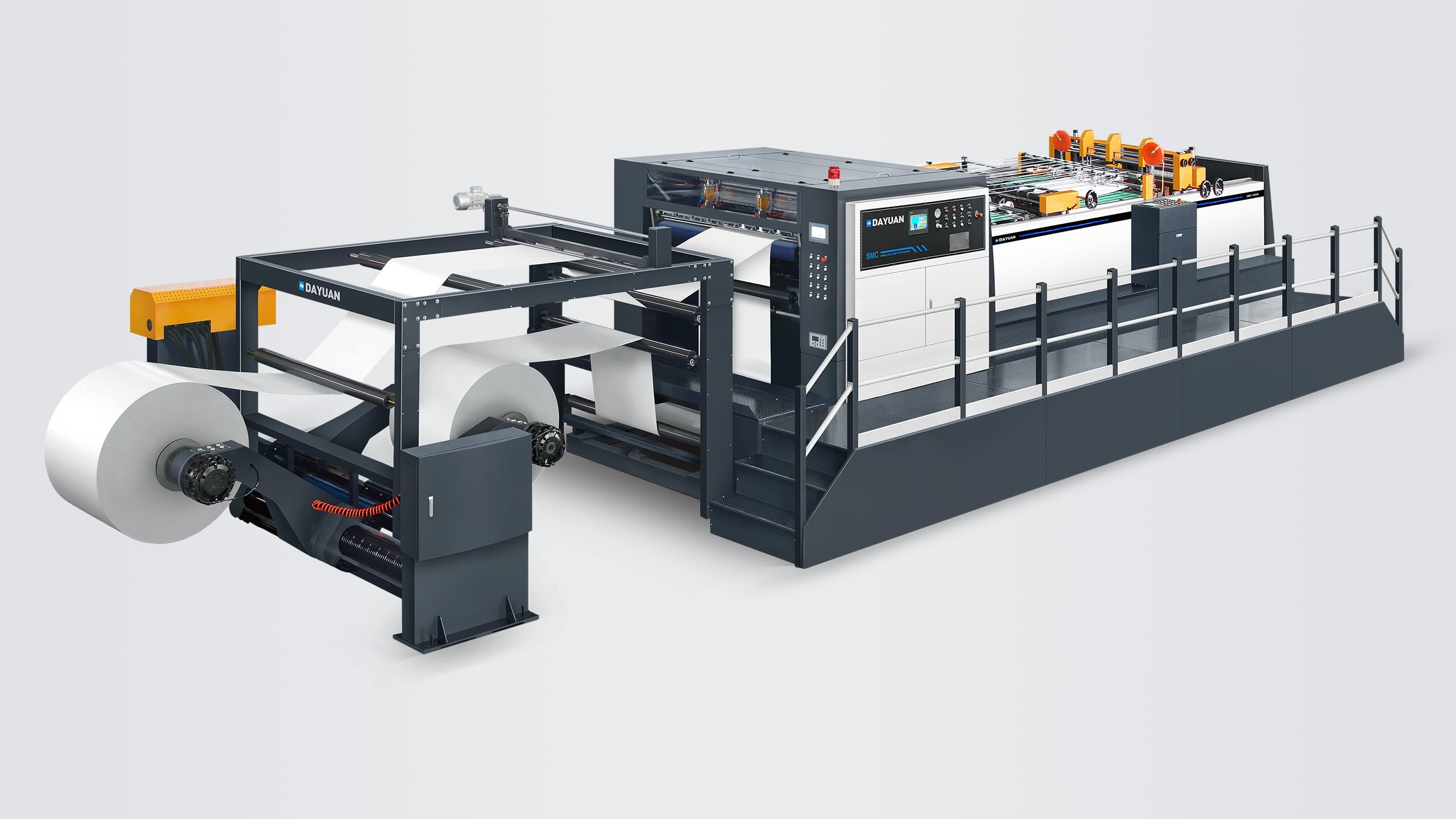
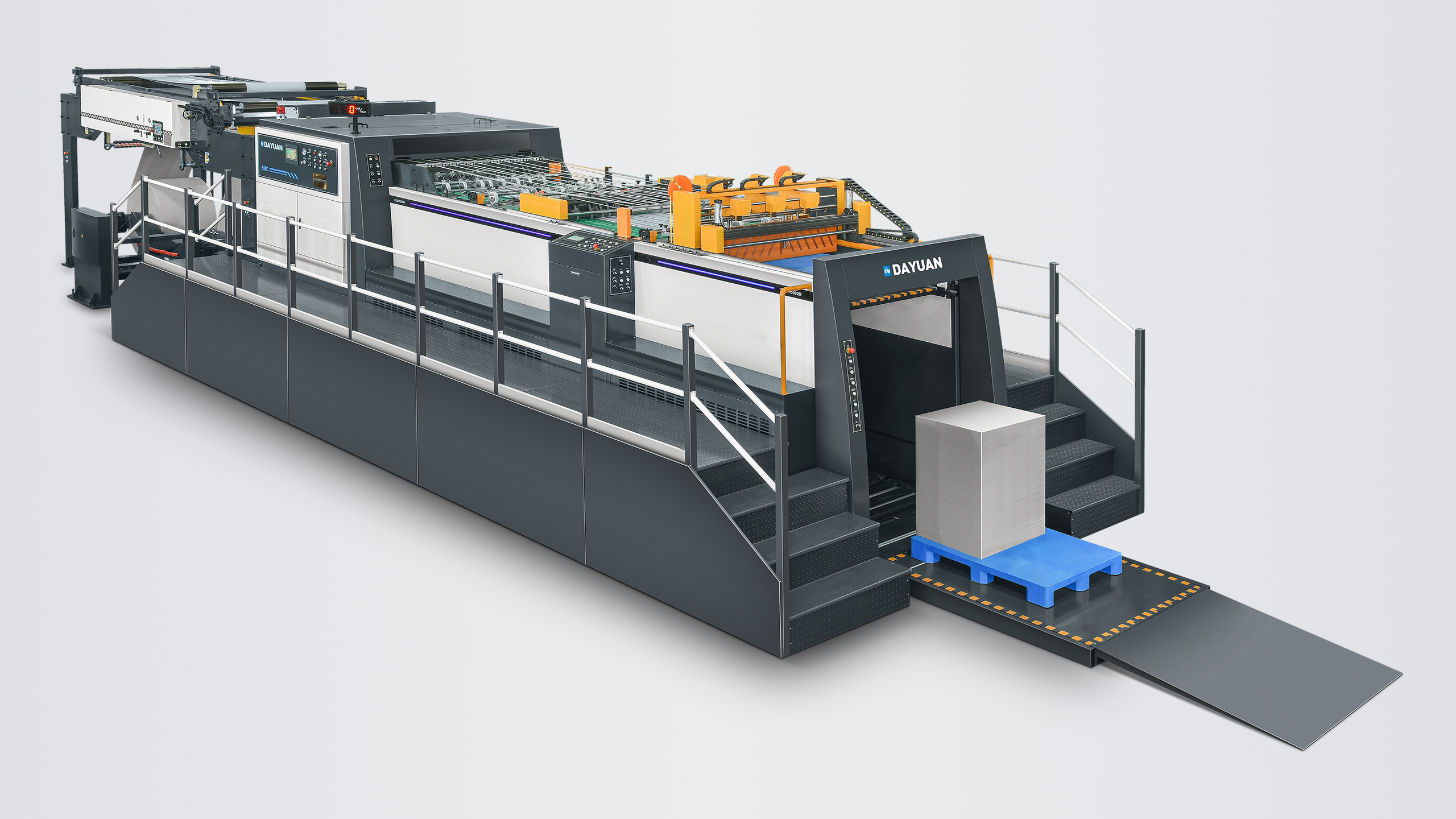
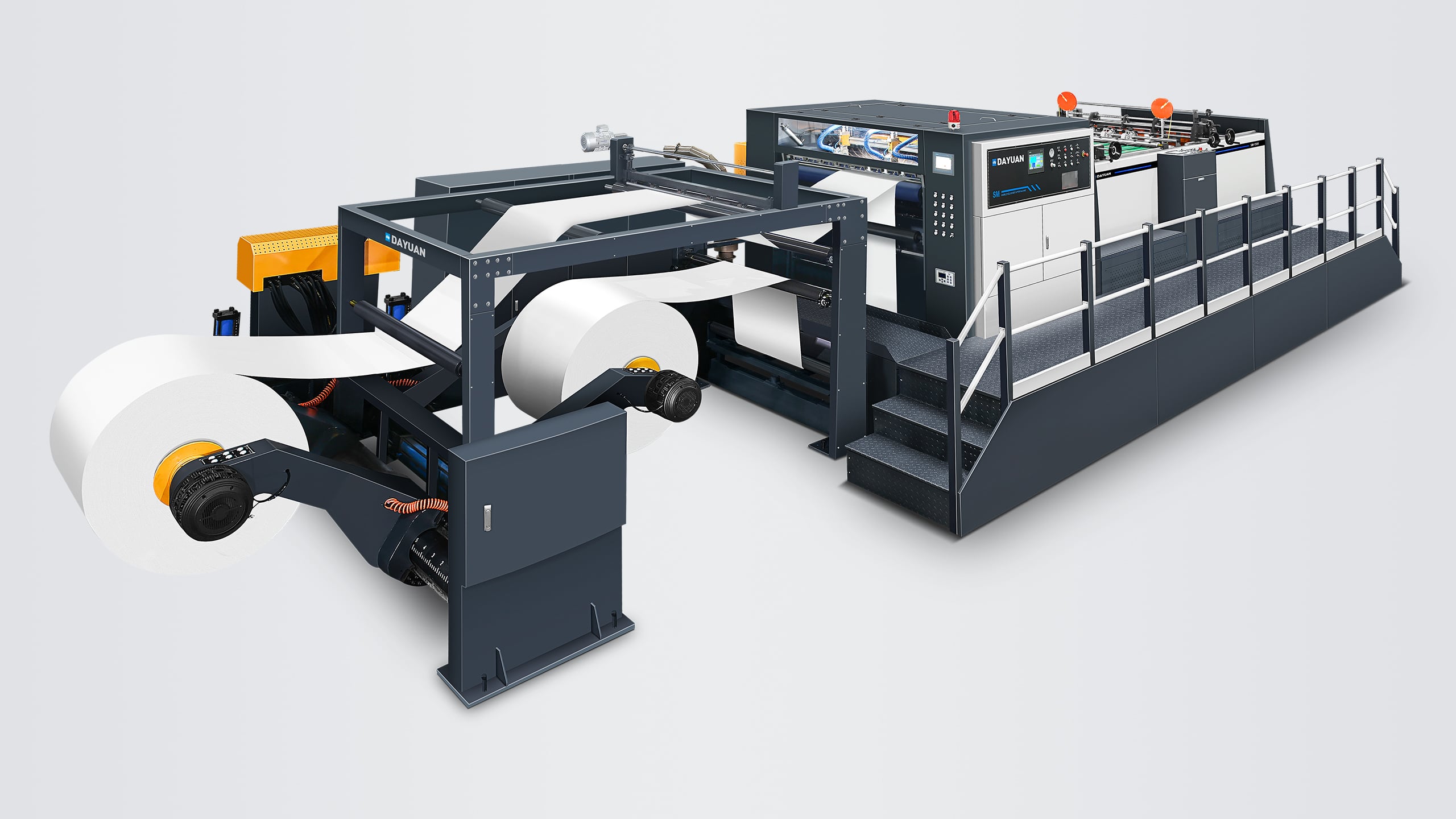
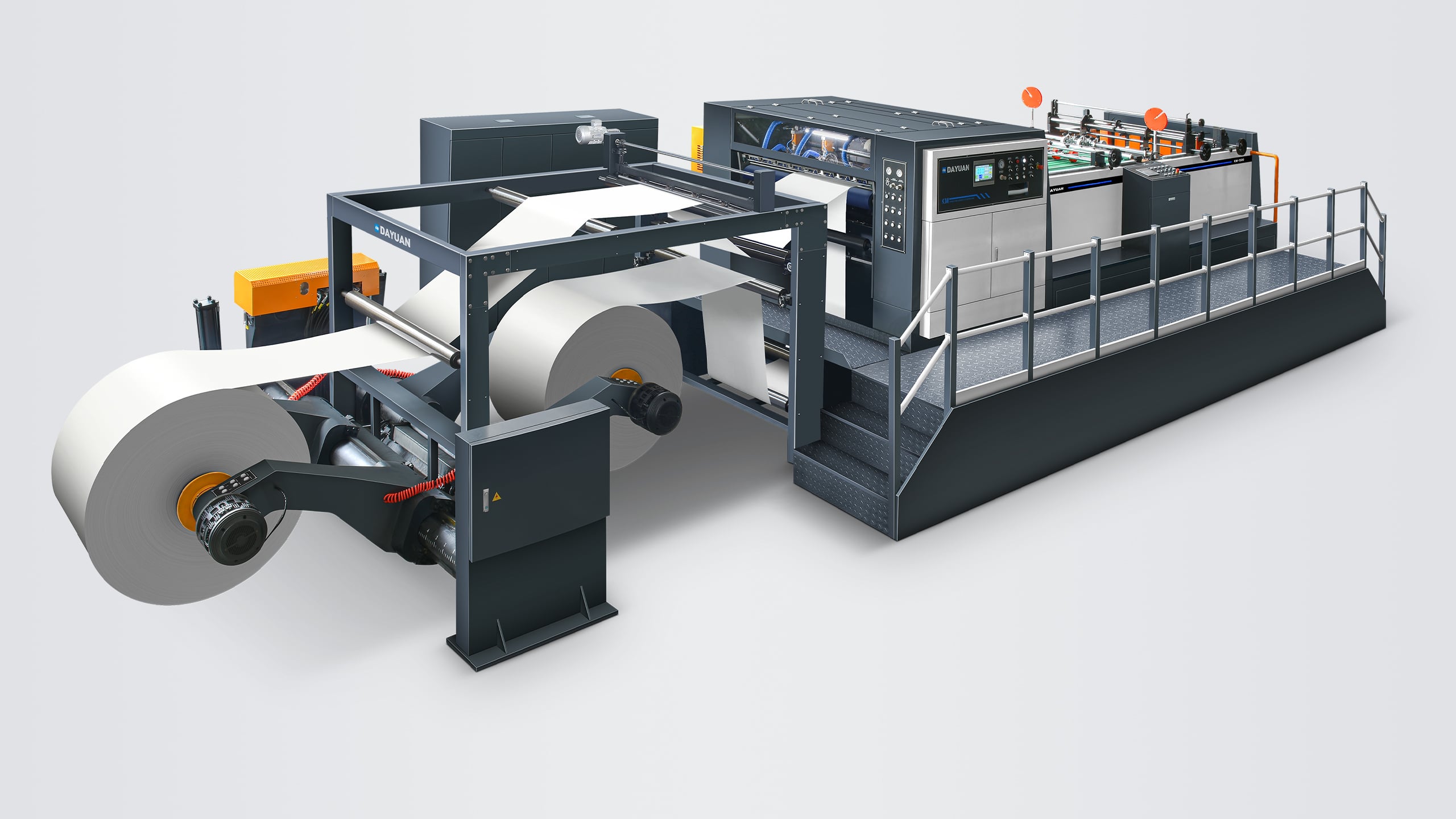
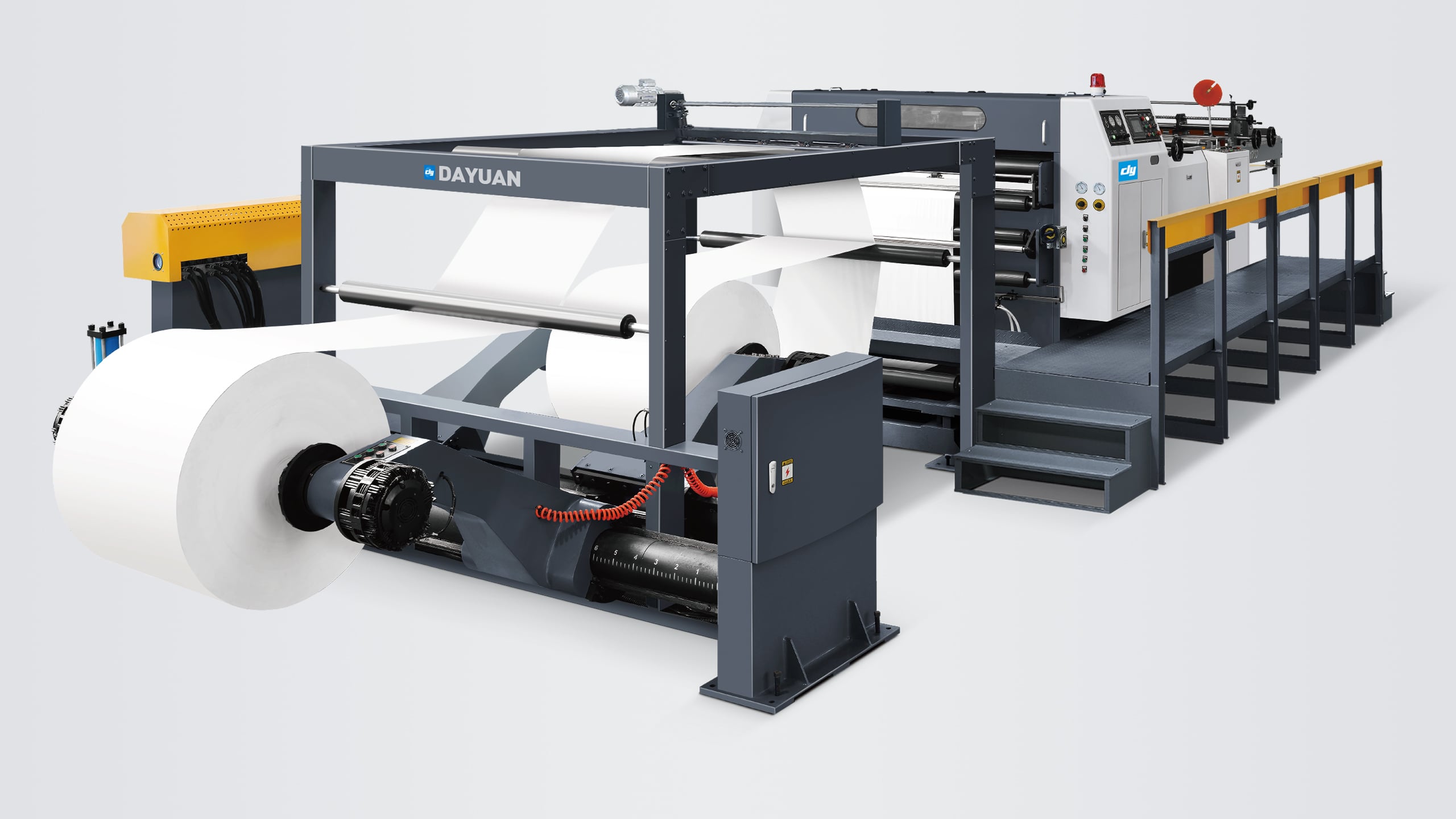
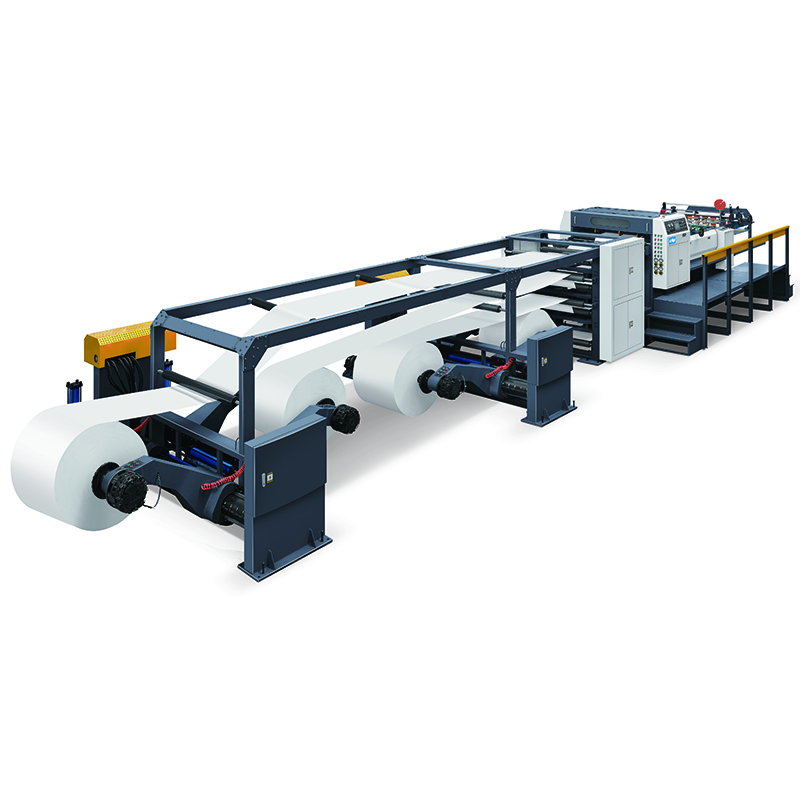
A machine slitter is used to divide continuous rolls of material into narrower widths. For paper processing and printing applications, slitting equipment can help prepare roll materials for subsequent converting or production stages. Dayuan Machinery specializes in paper cutting, printing, and post-press equipment, including servo precision sheet cutter machines, flatbed die-cutting machines, hot foil stamping and die-cutting machines, and stripping and blanking machines. Buyers evaluating slitting equipment should confirm whether the required operation involves roll slitting or roll-to-sheet cutting, then check the machine's compatible materials, cutting method, and technical specifications.

Recommended Products

A machine slitter is designed to divide a wider roll of material into narrower strips. In paper converting, this process can prepare roll materials for downstream production by producing widths suited to the next manufacturing stage. The appropriate equipment depends on the material format, required cutting dimensions, and intended production workflow.

Dayuan Machinery focuses on paper cutting, printing, and post-press equipment. Its product portfolio includes servo precision sheet cutter machines, flatbed die-cutting machines, hot foil stamping and die-cutting machines, and stripping and blanking machines. These product categories address different paper-processing and finishing operations, so buyers should identify the precise cutting process they need before choosing equipment.

One important distinction is the difference between roll slitting and roll-to-sheet cutting. A slitter divides a continuous roll into narrower strips, whereas a roll-to-sheet cutter cuts roll material into individual sheets of a specified length. Although both processes involve cutting, they serve different production requirements and may require different machine configurations.

When evaluating equipment for paper applications, purchasers should consider the roll width, paper characteristics, target strip width, and required output format. Material thickness and other paper properties may also affect the cutting setup. Buyers should verify the supported material specifications and cutting range for the individual model rather than assume that a machine can process every paper grade.

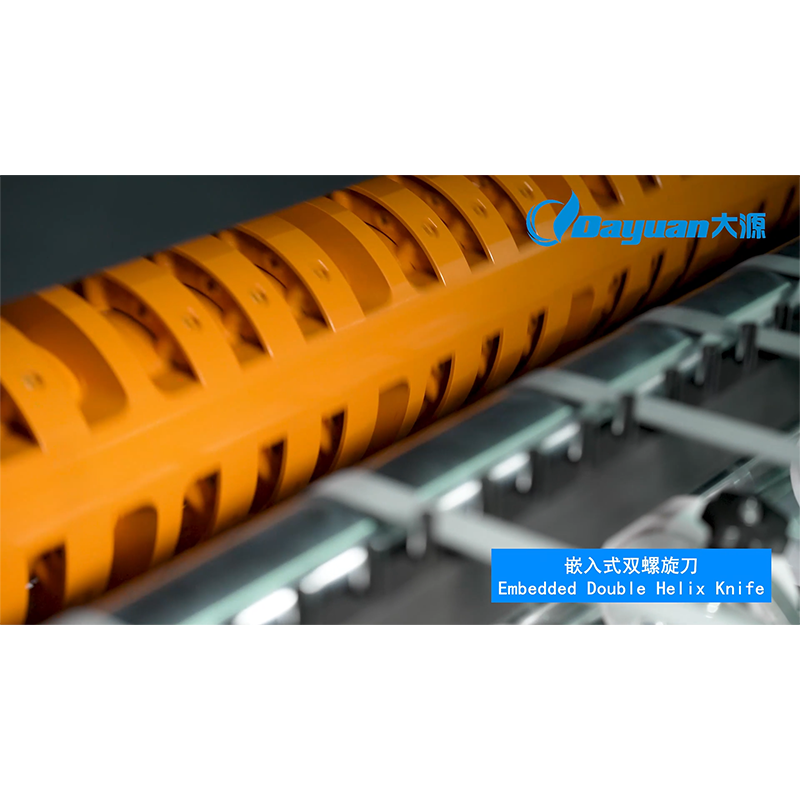
The cutting method and material handling arrangements are also important. Different machines may use different blade configurations, feeding mechanisms, or tension-control arrangements. Features such as automatic adjustment, digital controls, rewinding systems, and high-speed operation should be confirmed through official product documentation before being treated as equipment capabilities.

Buyers should also consider how the cutting process fits into the wider production line. Slitting may be required before printing or another converting operation, while other workflows may require sheet cutting, die cutting, or waste removal. Dayuan's product portfolio includes several related paper-processing and post-press equipment categories, but purchasers should confirm which machine type matches the intended process.

Before making a purchasing decision, review the machine's supported roll dimensions, cutting specifications, operating requirements, and safety information. Expected production volume, installation space, and compatibility with downstream equipment may also influence the selection. Performance claims relating to cutting accuracy, production speed, waste reduction, and maintenance should be evaluated against verified specifications for the specific model.

For printing and paper-converting businesses, identifying the correct cutting method is the first step toward selecting suitable equipment. Confirming whether the production requirement is roll slitting or roll-to-sheet cutting helps purchasers avoid choosing machinery designed for a different operation.

Latest News

What Are the Benefits of Using a Die Cutting Machine in Production?

15

Oct

What Are the Benefits of Using a Die Cutting Machine in Production?

Introduction to Die Cutting Machines in Various Production Industries Die cutting machines are pretty important for automating cutting processes in lots of different industries these days. Basically what they do is speed things up on the factory flo...
View More
Which Industries Commonly Use Die Cutting Machines?

15

Oct

Which Industries Commonly Use Die Cutting Machines?

Which Industries Commonly Use Die Cutting Machines? Overview of Die Cutting Machines Die cutting machines have become essential tools across many different sectors focused on paper-based products. What makes these machines so valuable is their abil...
View More
How Do Paper Cutter Machines Improve Efficiency in the Printing Industry?

16

Oct

How Do Paper Cutter Machines Improve Efficiency in the Printing Industry?

Introduction: The Critical Role of Paper Cutter Machines in Modern Printing In the printing world, paper cutters really matter when it comes to getting things done faster and better. These machines handle those sharp, clean cuts that keep printed wo...
View More
How Do Modern Paper Cutter Machines Contribute to Environmental Sustainability?

16

Oct

How Do Modern Paper Cutter Machines Contribute to Environmental Sustainability?

Introduction: The Role of Sustainability in the Printing Industry The Growing Demand for Eco-Conscious Manufacturing The growing interest in environmentally friendly products is reshaping the printing business, forcing many firms to rethink their us...
View More

Get a Free Quote

Our representative will contact you soon.
Email
Name
Company Name
Required Product
Message
0/1000

machine slitter

Advanced Tension Control System

Advanced Tension Control System

The advanced tension control system represents a cornerstone feature of modern machine slitters, revolutionizing material processing precision. This sophisticated system continuously monitors and adjusts material tension throughout the entire slitting process, ensuring optimal performance and product quality. Through the implementation of load cells and electronic sensors, the system maintains consistent tension from unwind to rewind, preventing common issues such as wrinkles, waves, or material stretching. The system's ability to make real-time adjustments compensates for variations in material properties and roll diameter changes, maintaining precise tension control throughout the entire production run. This level of control is particularly crucial when processing sensitive materials that require specific tension parameters to maintain their structural integrity and ensure clean, precise cuts.
Multi-Material Processing Capability

Multi-Material Processing Capability

The multi-material processing capability of machine slitters stands as a testament to their exceptional versatility in modern manufacturing environments. This feature enables a single machine to effectively process a wide range of materials, from delicate films to robust industrial materials, without compromising on quality or efficiency. The system achieves this through interchangeable cutting tools, adjustable blade pressure settings, and customizable speed controls that can be fine-tuned for specific material requirements. The ability to handle various material types and thicknesses makes these machines highly valuable for manufacturers who work with diverse product lines. This versatility not only maximizes equipment utilization but also provides significant cost savings by eliminating the need for multiple specialized machines.
Intelligent Control Interface

Intelligent Control Interface

The intelligent control interface elevates machine slitter operation to new levels of efficiency and precision. This sophisticated system combines user-friendly touchscreen controls with advanced programming capabilities, allowing operators to manage complex cutting operations with ease. The interface provides real-time monitoring of all critical parameters, including cutting speed, tension levels, and material alignment. It stores multiple cutting profiles for quick recipe recall, significantly reducing setup time between different jobs. The system also includes comprehensive diagnostic tools that help identify potential issues before they affect production quality. Performance data logging and analysis capabilities enable continuous process optimization, while integration with factory management systems supports seamless production planning and tracking.

Get a Free Quote

Our representative will contact you soon.
Email
Name
Company Name
Required Product
Message
0/1000