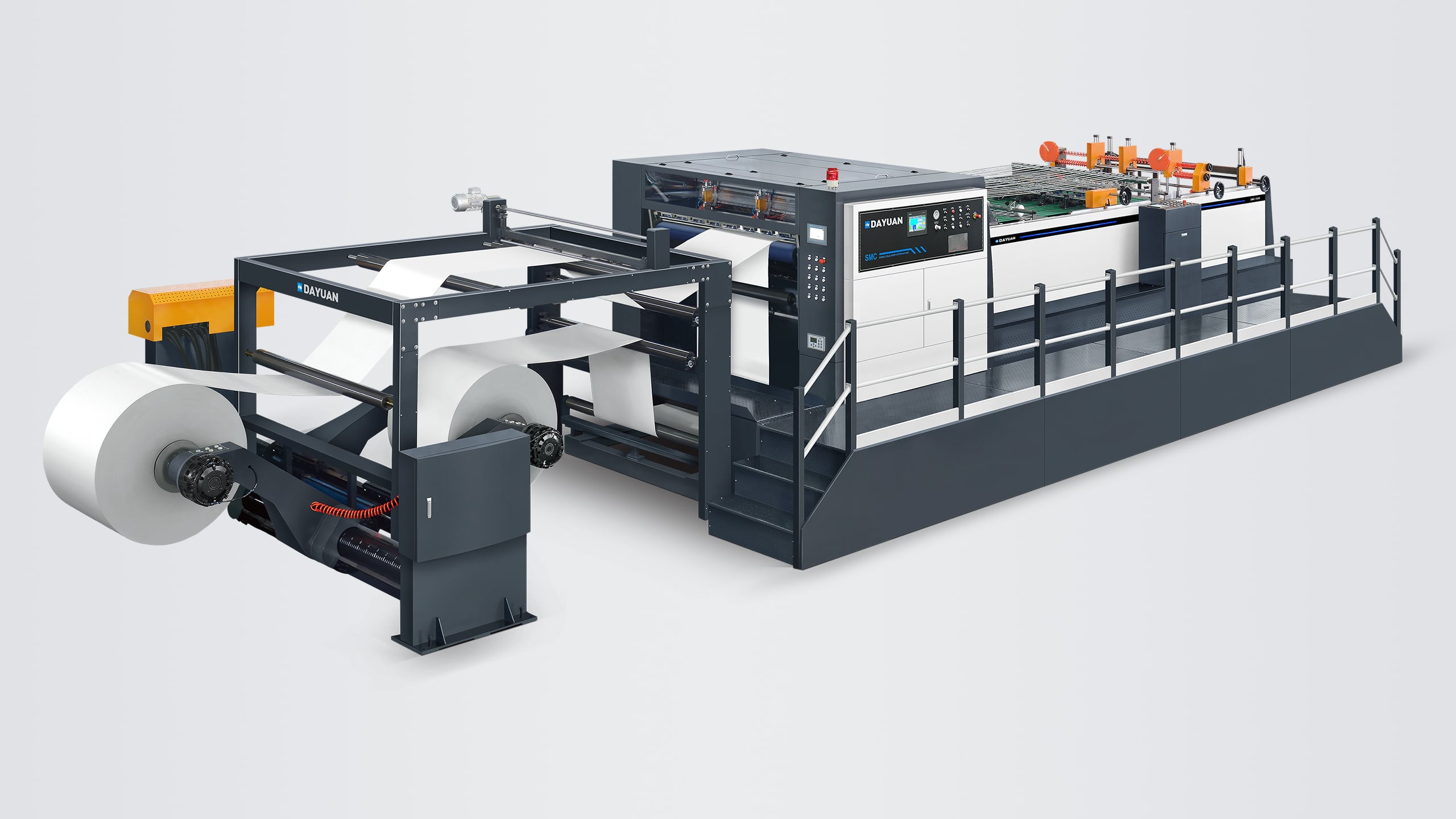
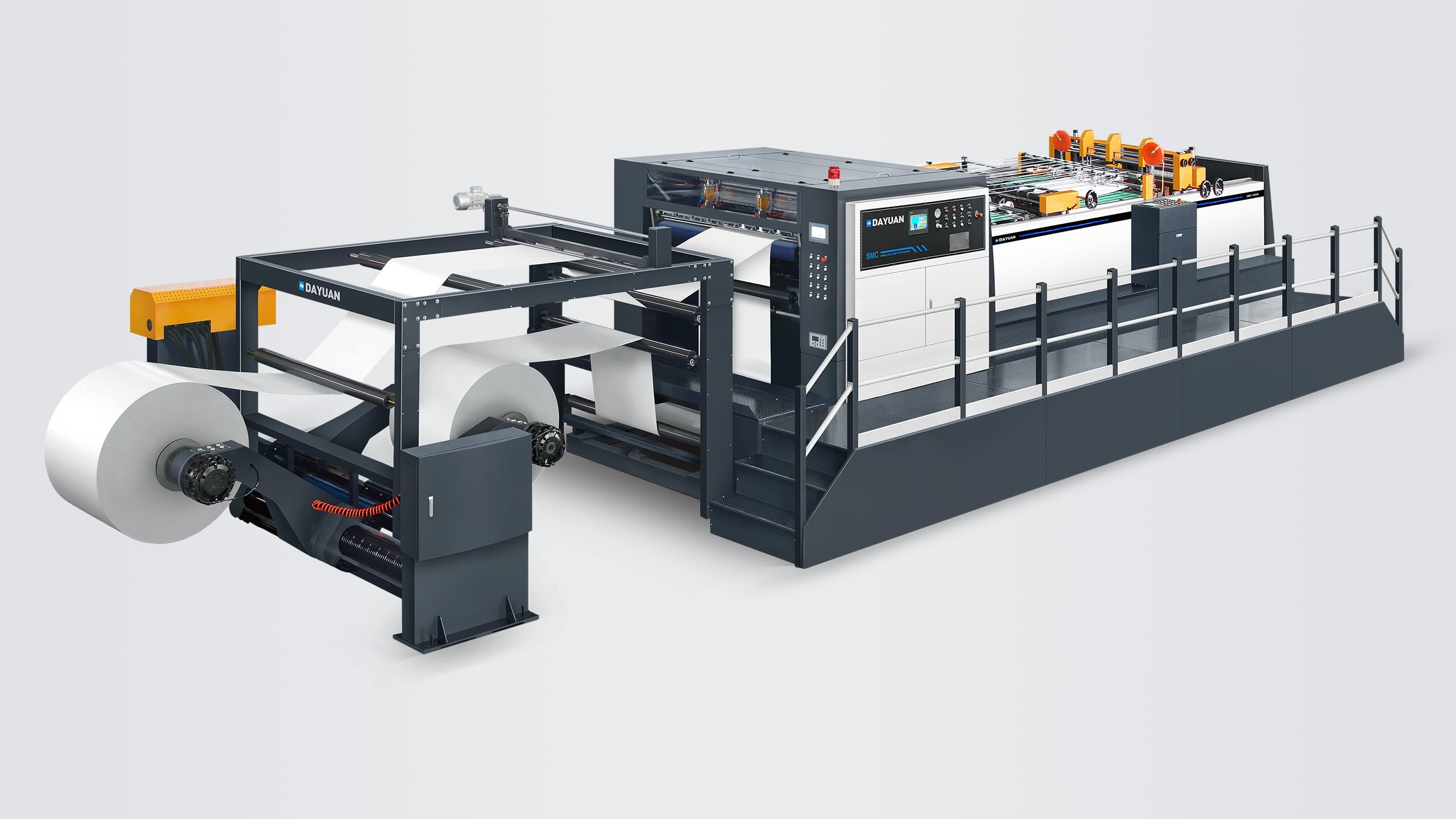
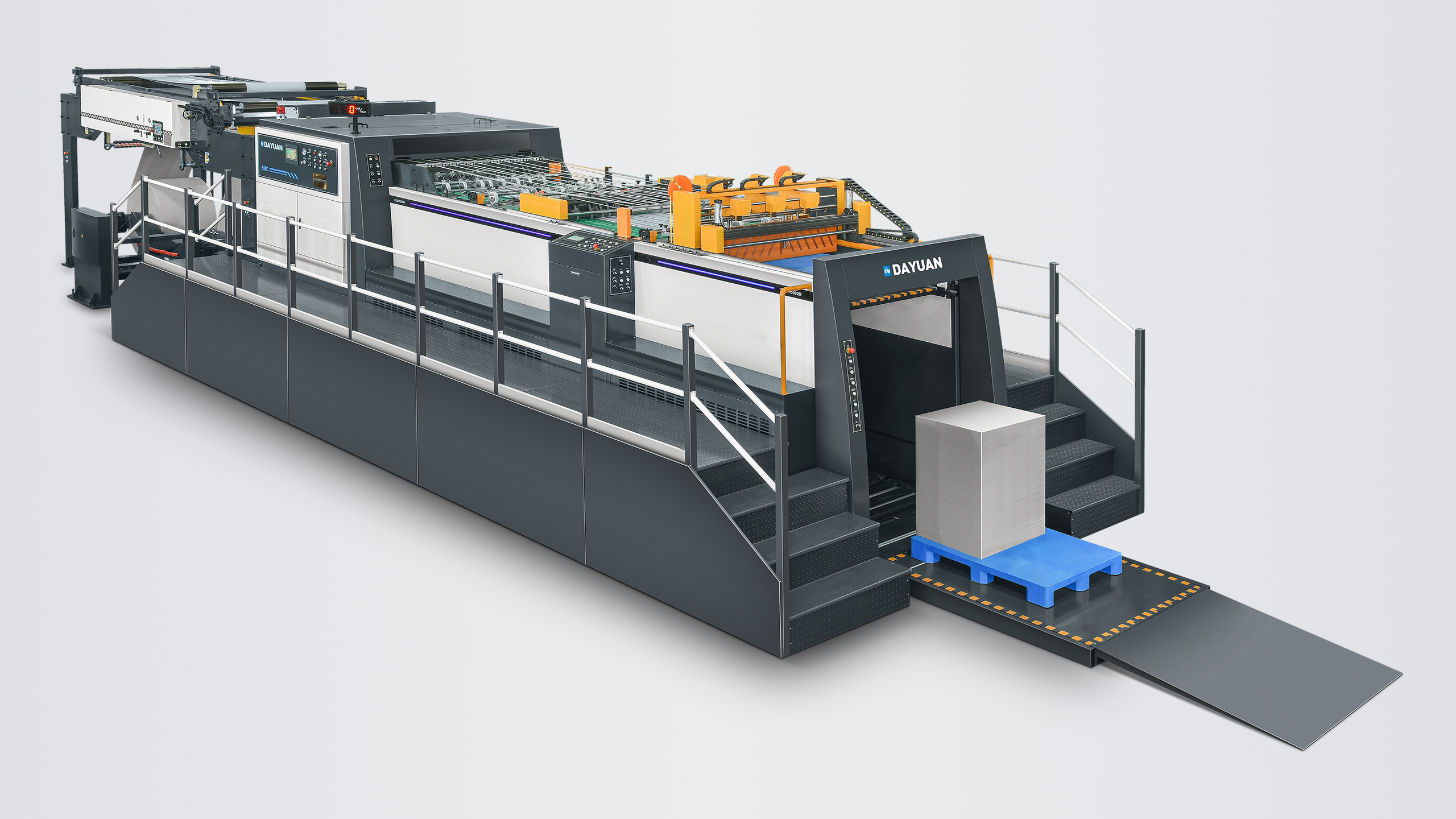
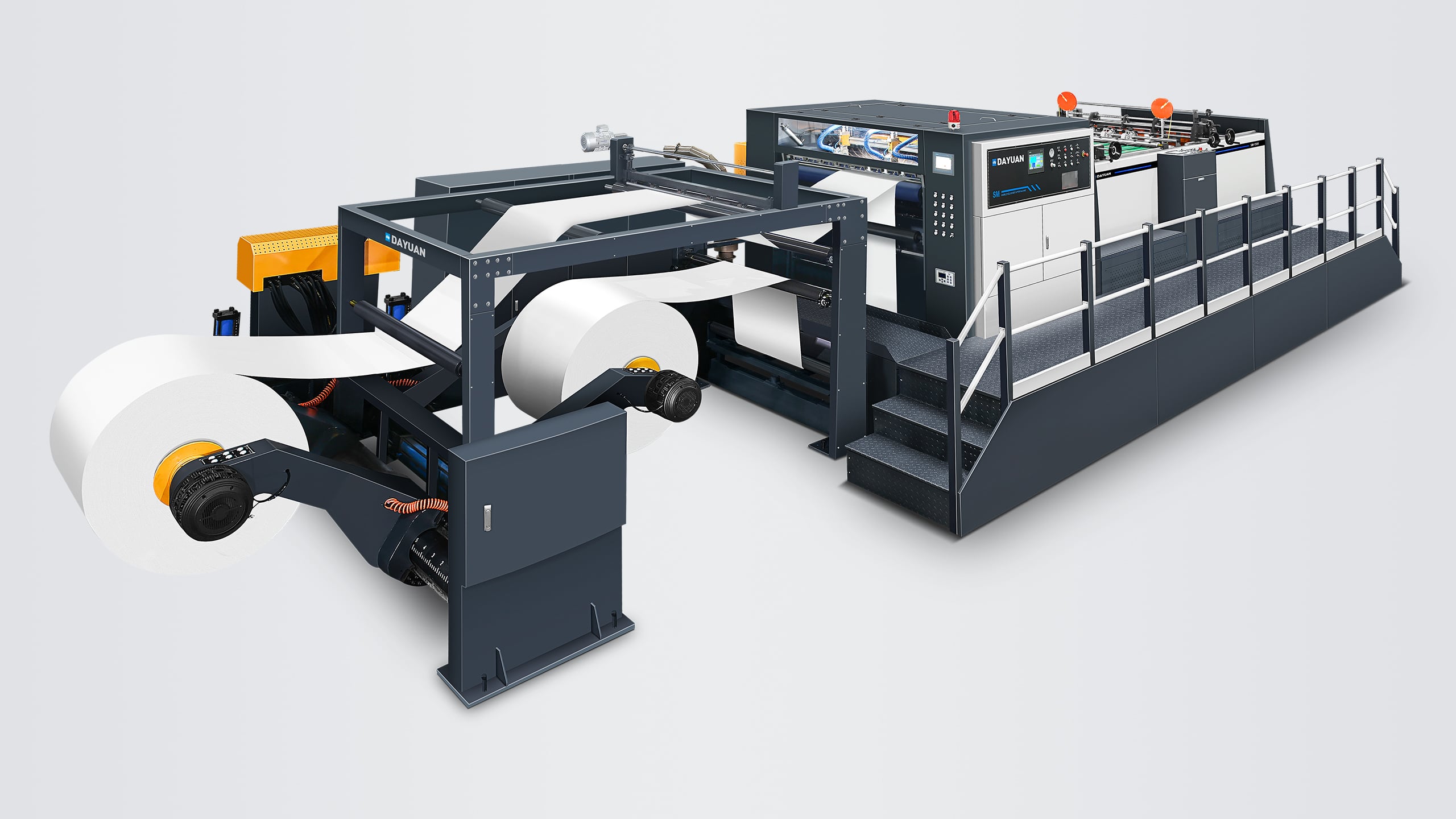
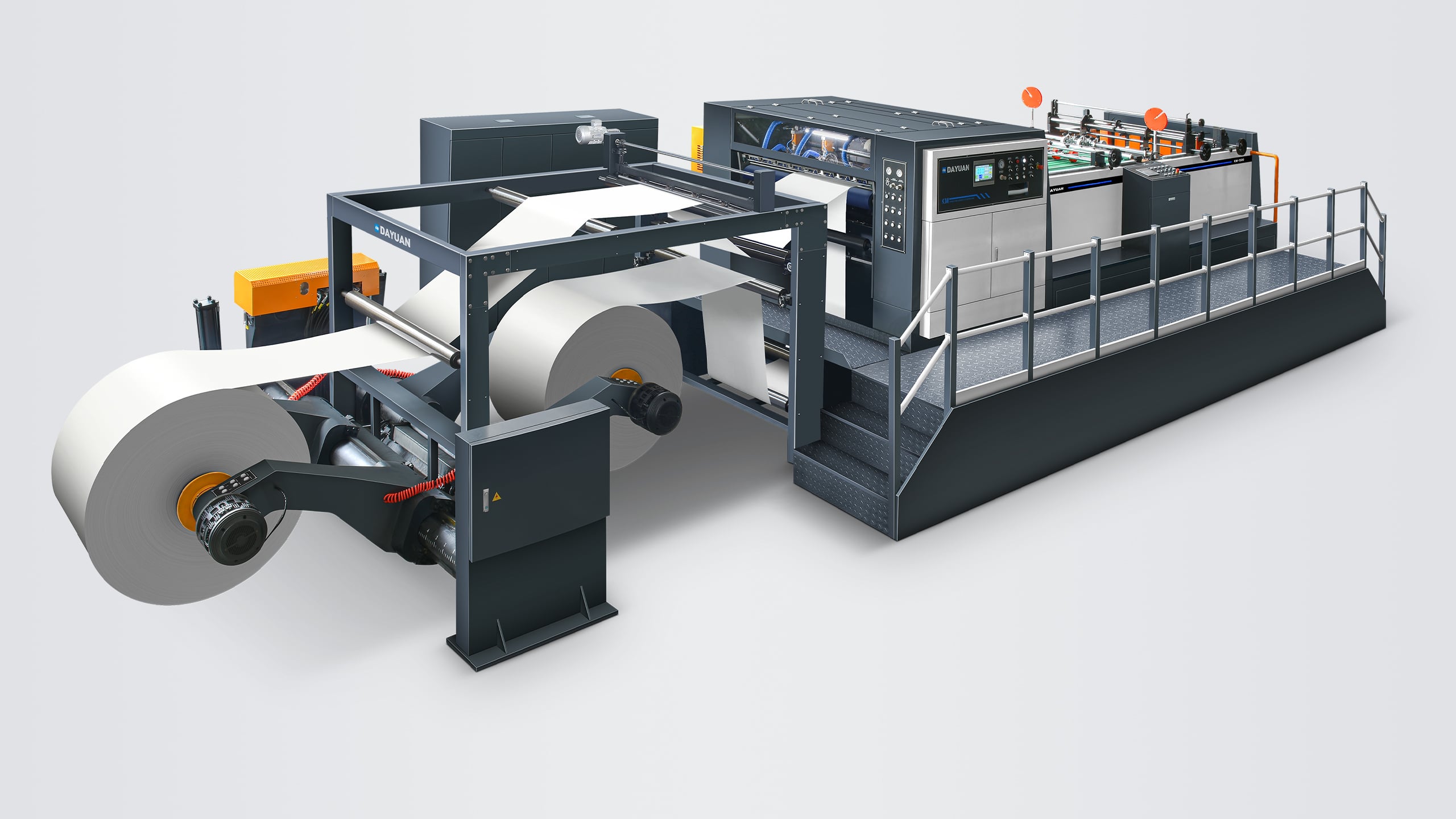
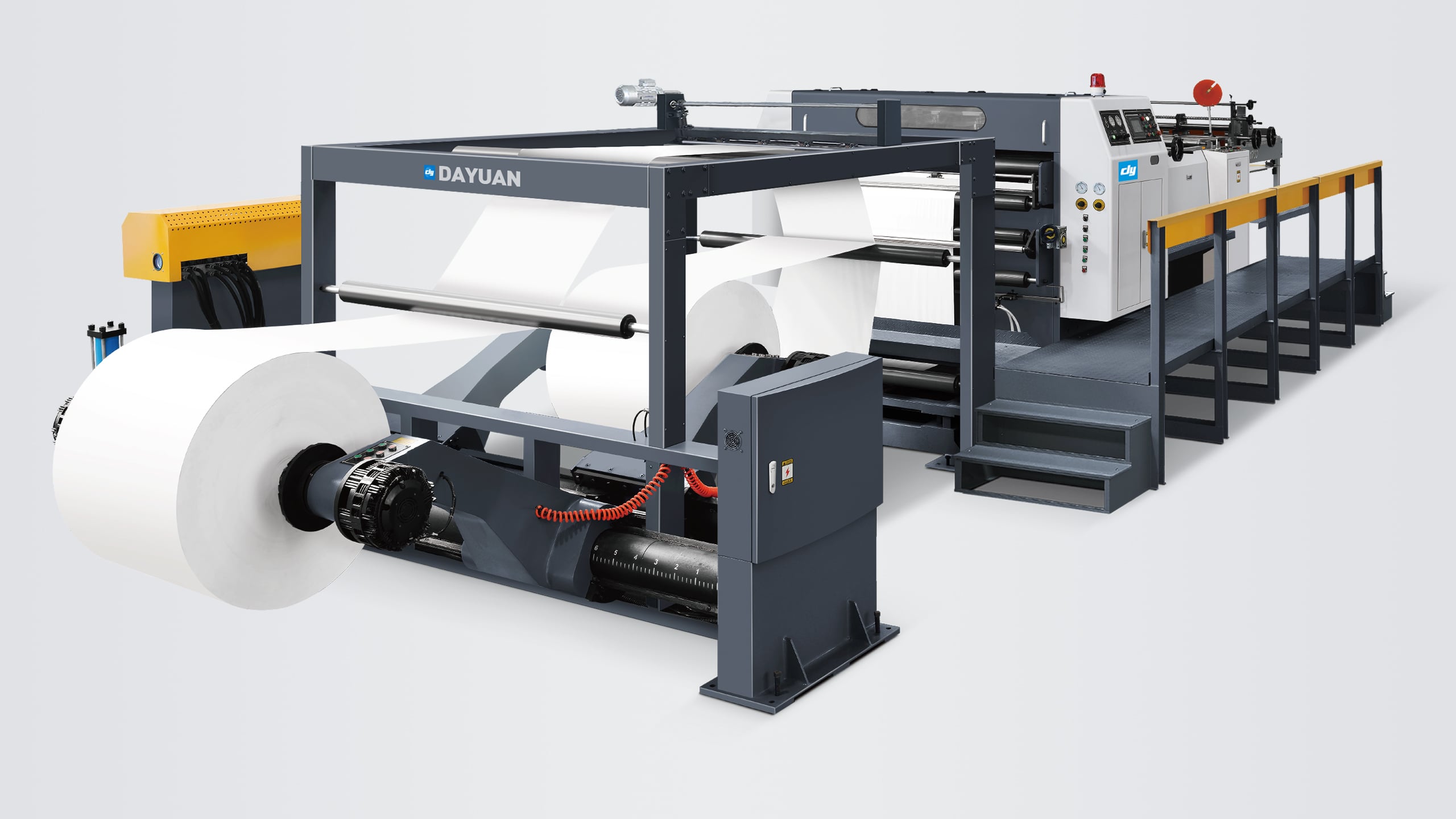
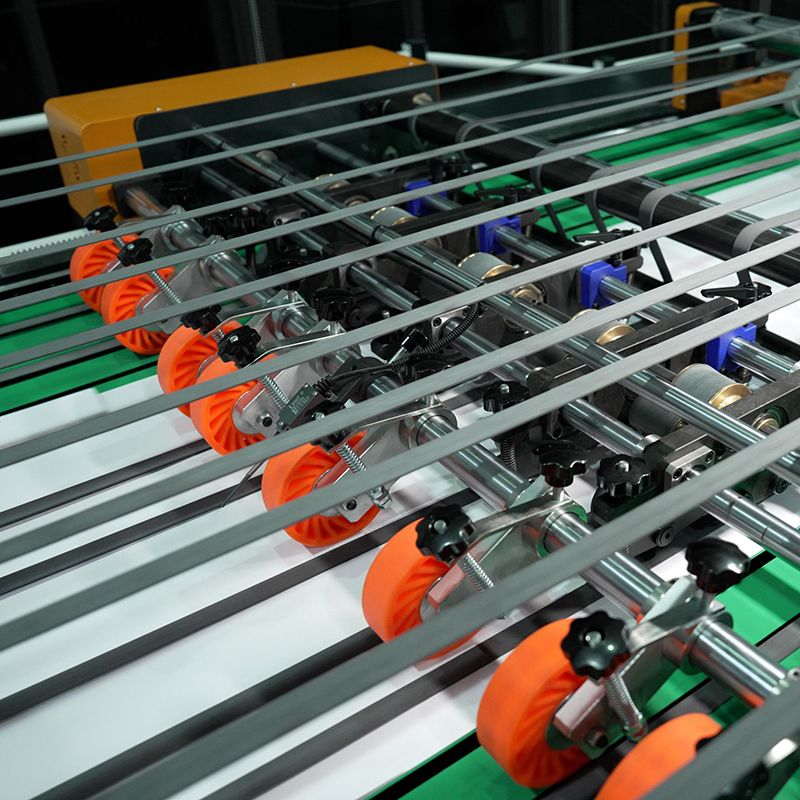
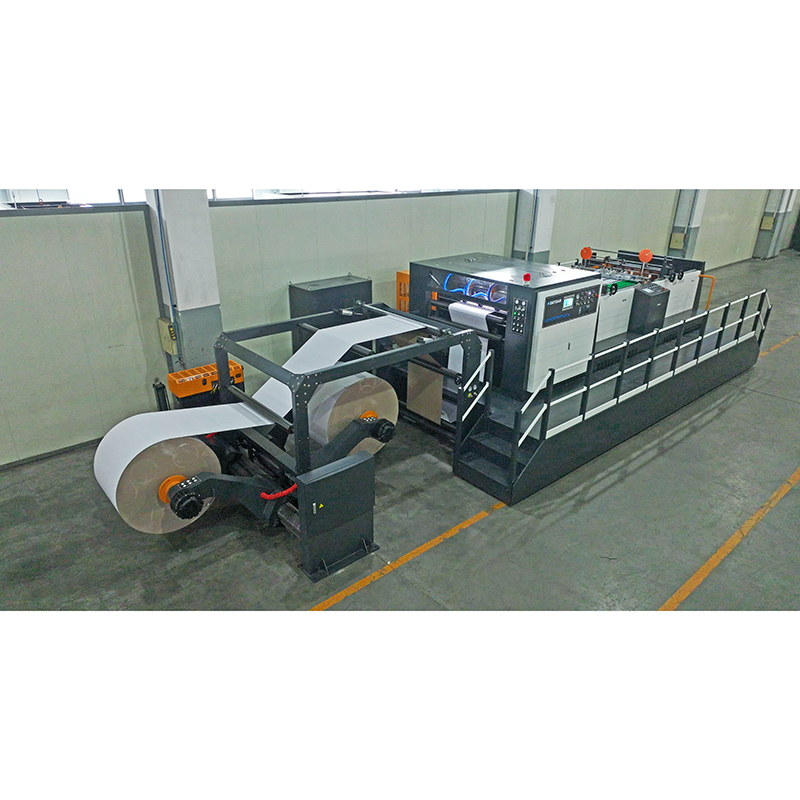
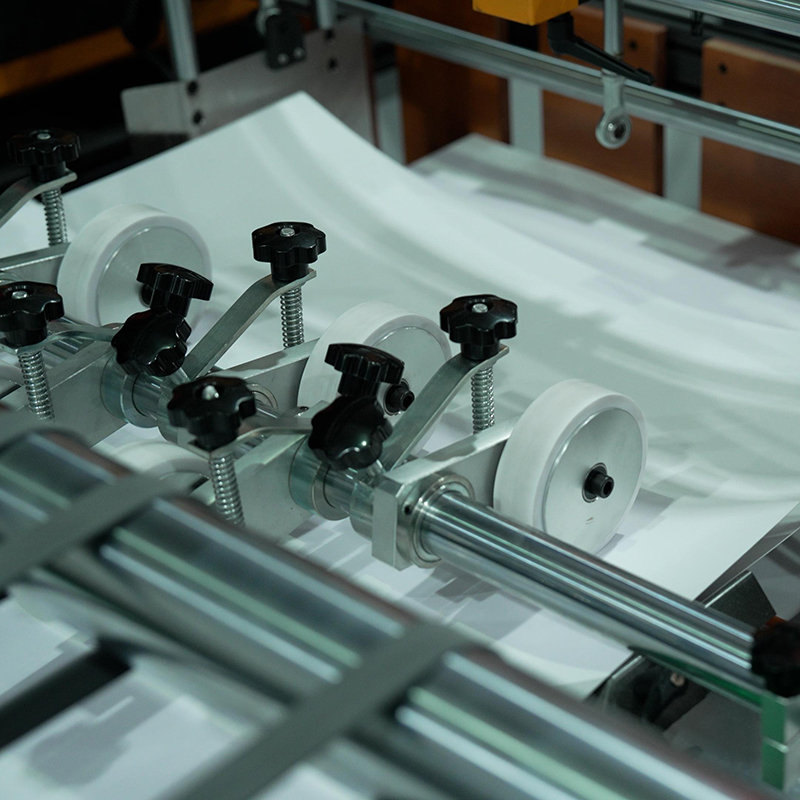
A roll to sheet cutter machine is designed to convert continuous rolls of paper into individual sheets of a specified length. This process is important in printing and paper converting, where consistent sheet dimensions help prepare materials for subsequent production stages. The cutting method and achievable results depend on the machine's design, material characteristics, and operating specifications.
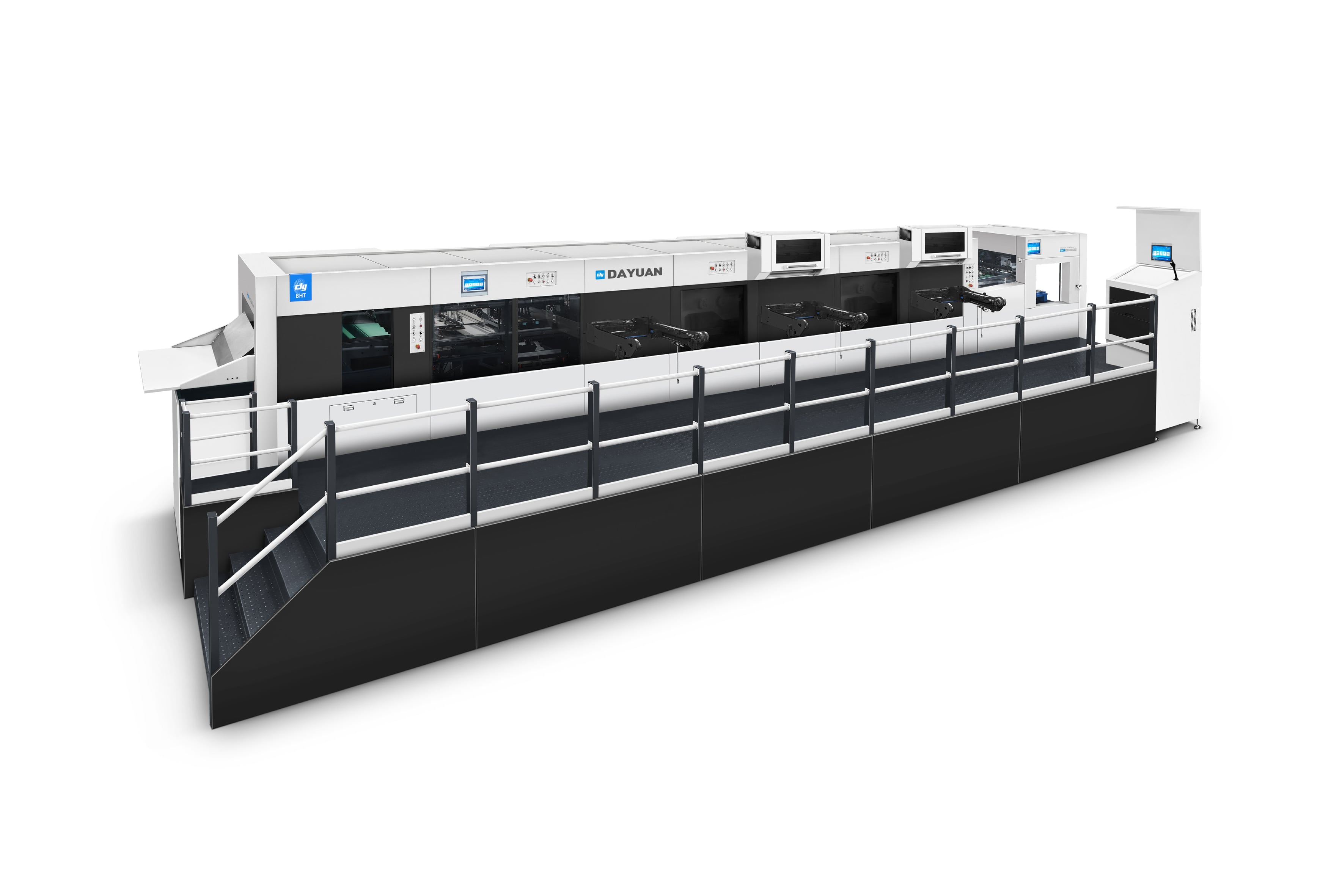
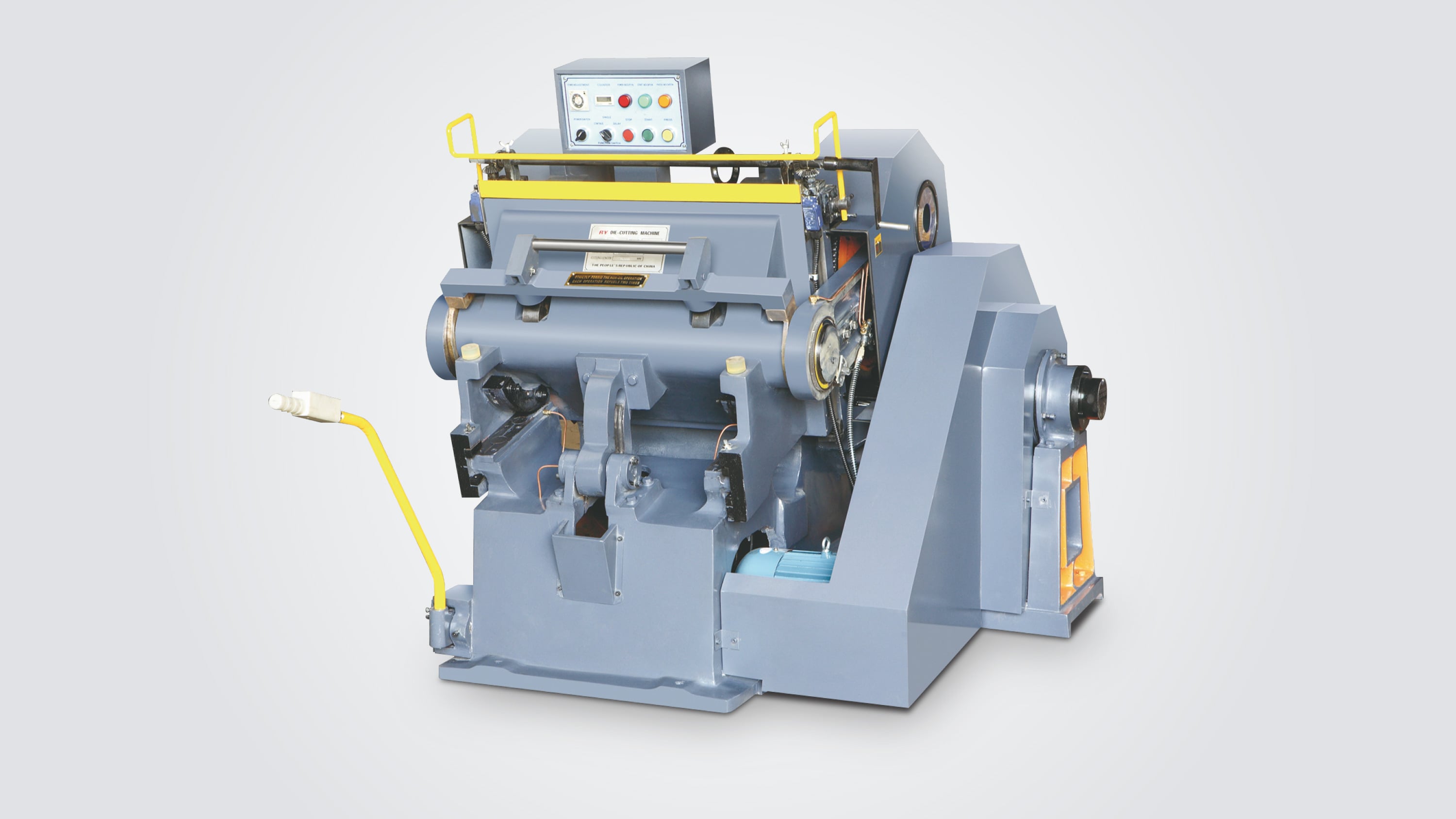
Dayuan Machinery specializes in paper cutting, printing, and post-press equipment. Its product range includes servo precision sheet cutter machines, flatbed die-cutting machines, hot foil stamping and die-cutting machines, and stripping and blanking machines. For businesses processing roll paper before printing or other converting operations, a suitable roll-to-sheet cutting solution can form an important part of the production workflow.
When selecting a roll to sheet cutter machine, buyers should first identify the material requirements. Paper rolls can differ in width, thickness, weight, and surface characteristics, all of which may affect machine compatibility and cutting requirements. Purchasers should check the supported material specifications and roll dimensions for the individual model rather than assume that the equipment can process every paper grade.
The required sheet dimensions are another key consideration. Buyers should determine the target sheet length, acceptable dimensional variation, and expected production volume. These requirements help establish whether a machine's documented cutting range and output specifications are suitable for the intended application. Cutting accuracy and production speed should be evaluated using verified technical data rather than general industry claims.
The machine's feeding and cutting arrangements also deserve attention. Different models may use different cutting mechanisms and control configurations, so features such as servo-driven feeding, programmable length settings, automatic adjustment, and production monitoring should be confirmed in the product documentation. These functions should not be assumed to be available on every roll-to-sheet cutter.
Integration with the wider production process is equally important. The cut sheets may proceed to printing, die cutting, or other paper converting operations. Buyers should consider how the required sheet format fits the next stage of production, as well as the available installation space, operating requirements, and material handling arrangements.
Before purchasing, it is advisable to review the machine's specifications, compatible roll formats, cutting range, operating procedures, and safety information. A clear comparison of these factors helps printing and packaging businesses identify a roll to sheet cutter machine that aligns with their paper processing requirements without relying on unverified claims about automation, labor savings, maintenance costs, or production efficiency.
 EN