Automated Foil Feeding for Efficiency and Material Economy
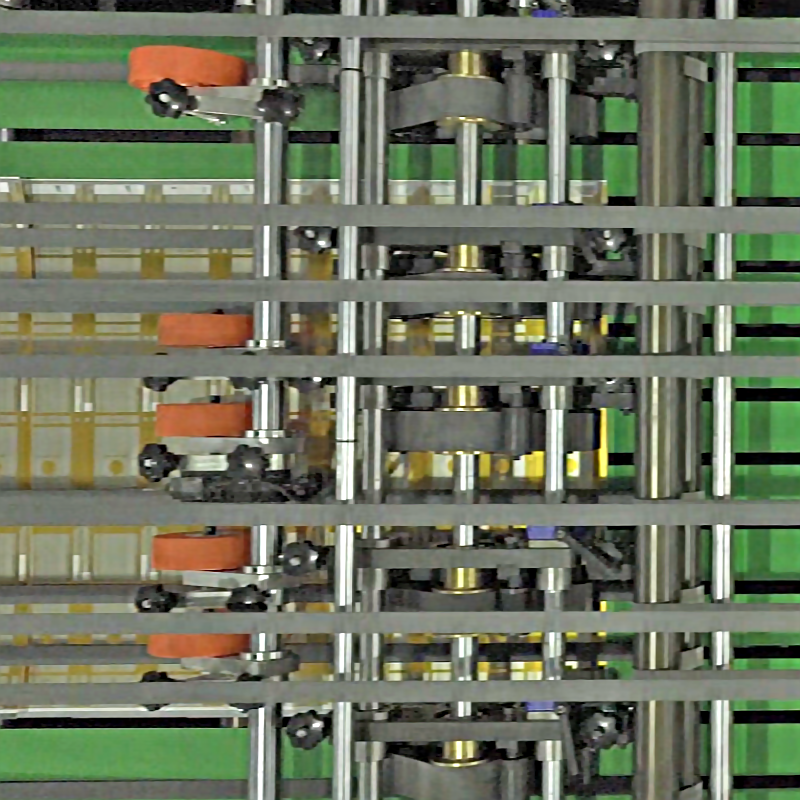
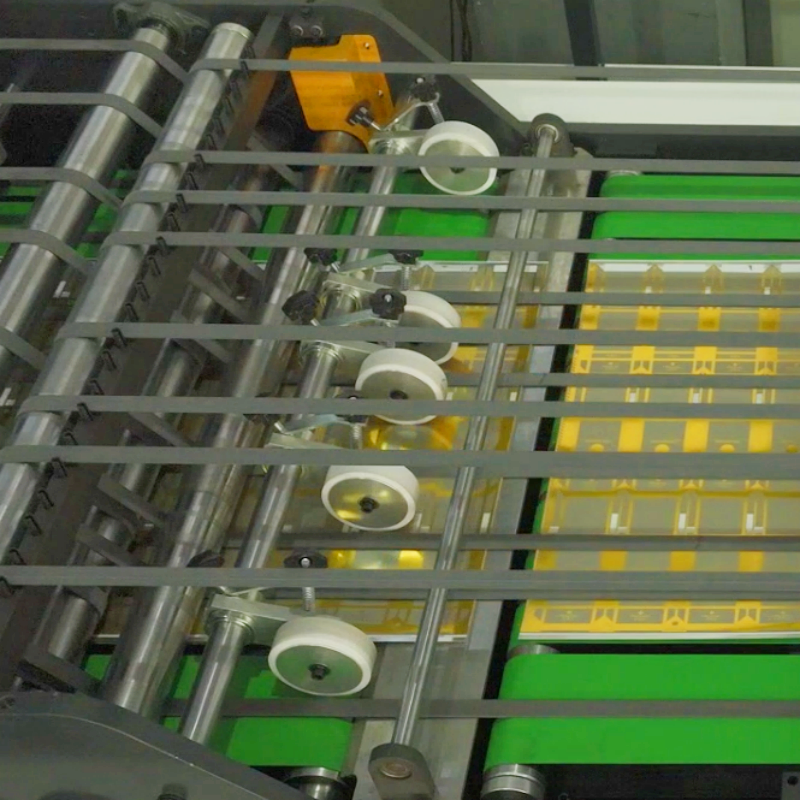
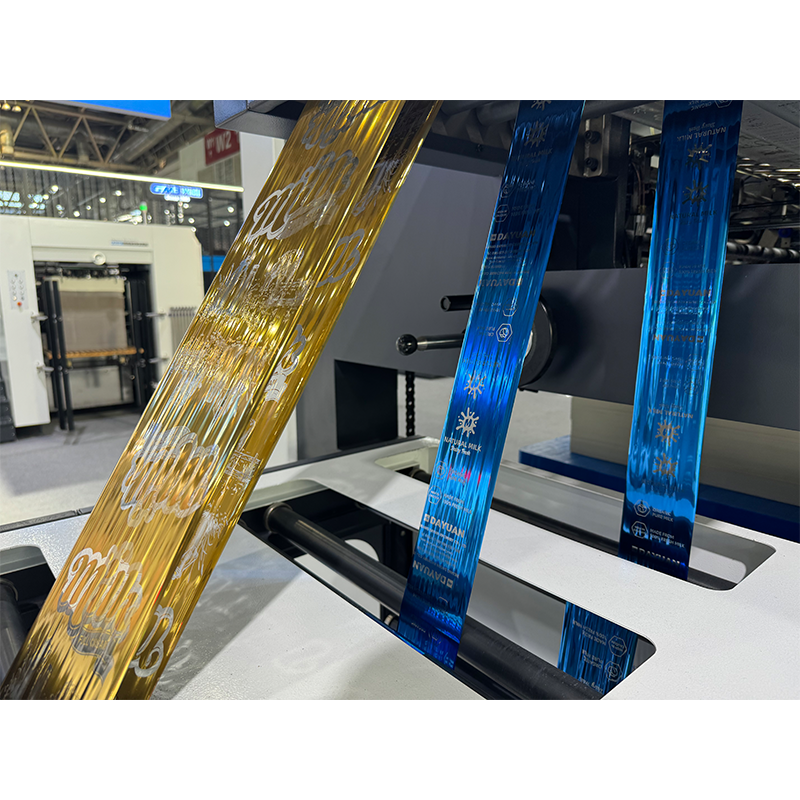
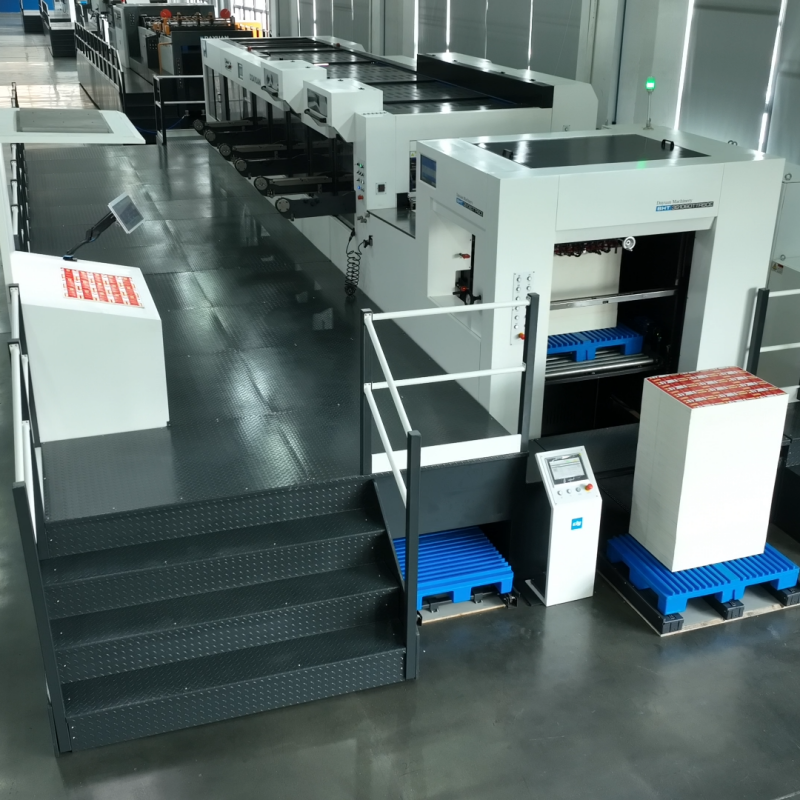
The foil feeding mechanism integrated into a foil & hot stamping machine plays a vital role in operational efficiency, material conservation, and consistent output quality throughout production runs. Sophisticated feeding systems automatically advance the foil roll by precisely calculated increments after each stamping cycle, positioning fresh foil material in the working area for the next impression. This automation eliminates the manual foil handling required by basic machines, dramatically increasing production speed while reducing operator fatigue and the potential for positioning errors. The foil & hot stamping machine utilizes sensors and stepper motors to control foil advancement with exceptional accuracy, ensuring that used foil sections move completely clear of the stamping area while minimizing waste from excessive advancement. Adjustable feed length settings allow operators to match the advancement distance to the actual stamped area dimensions, preventing the material waste that occurs when feeding more foil than necessary for coverage. Modern foil & hot stamping machines incorporate tension control systems that maintain optimal foil tautness throughout the feeding process, preventing wrinkles, slack areas, or excessive stretching that would compromise transfer quality. Consistent tension proves especially important when working with delicate holographic foils or thin metallic materials susceptible to distortion under handling stress. The feeding mechanism typically includes a take-up reel that automatically winds the used carrier film, keeping the work area clean and preventing spent foil from interfering with substrate handling or creating safety hazards. Many advanced foil & hot stamping machines feature automatic foil splice detection that alerts operators when the current roll nears exhaustion, enabling proactive roll changes that minimize production interruptions. Some premium models even support continuous operation through flying splice capabilities that allow new rolls to be loaded while production continues. The reliability of the feeding system directly impacts overall equipment effectiveness, with consistent advancement eliminating the quality defects and production stoppages caused by foil positioning failures. The foil & hot stamping machine feeding mechanism must coordinate precisely with the stamping cycle timing, ensuring foil reaches proper position before the die descends and completing advancement before the next cycle begins. Variable speed capabilities enable the feeding system to keep pace with different production rates, supporting both careful manual operation and high-speed automated workflows. The feeding path design influences the range of foil types compatible with the machine, with well-engineered systems accommodating various foil widths, thicknesses, and carrier film materials without requiring extensive reconfiguration.
 EN
EN