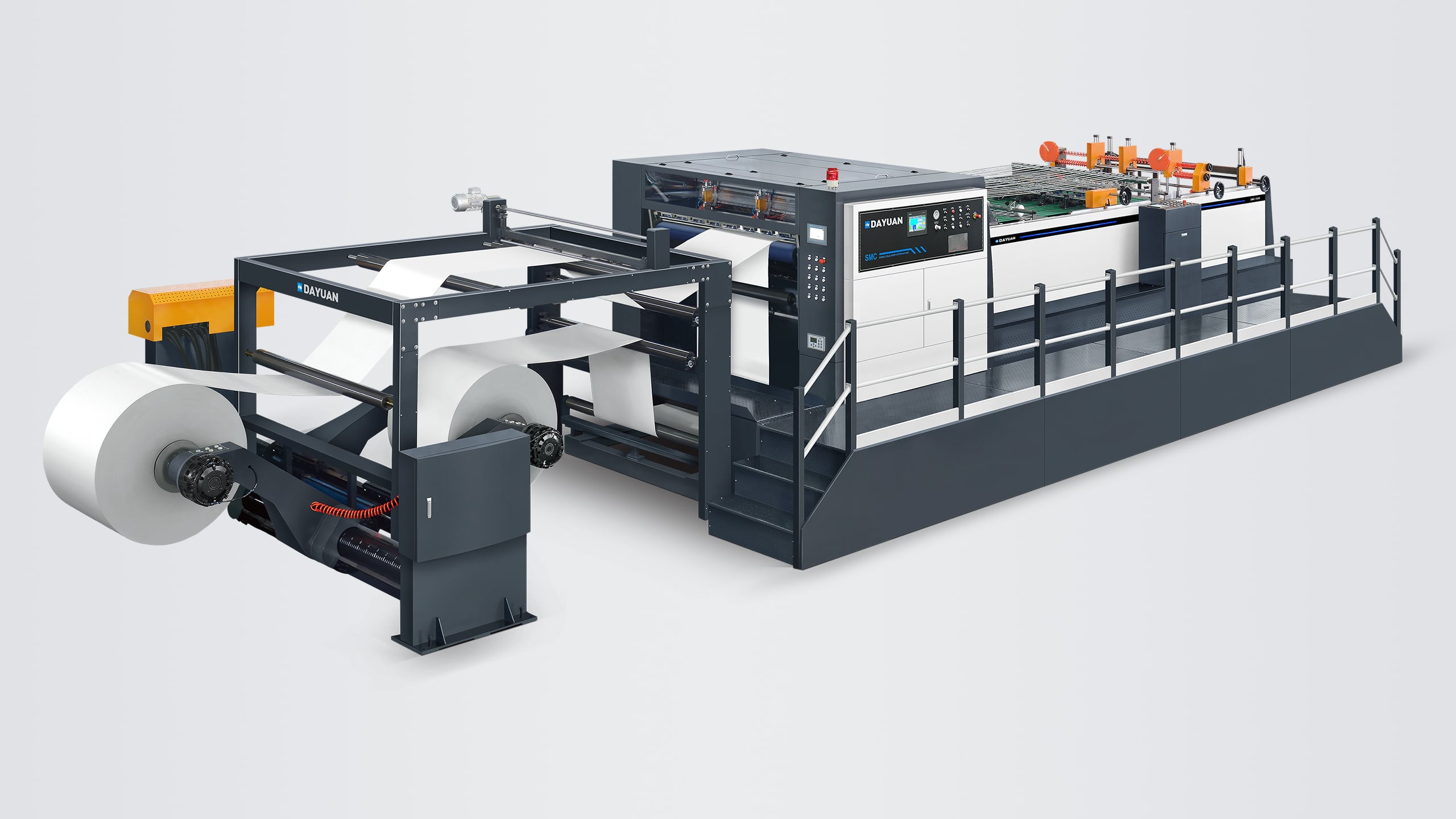
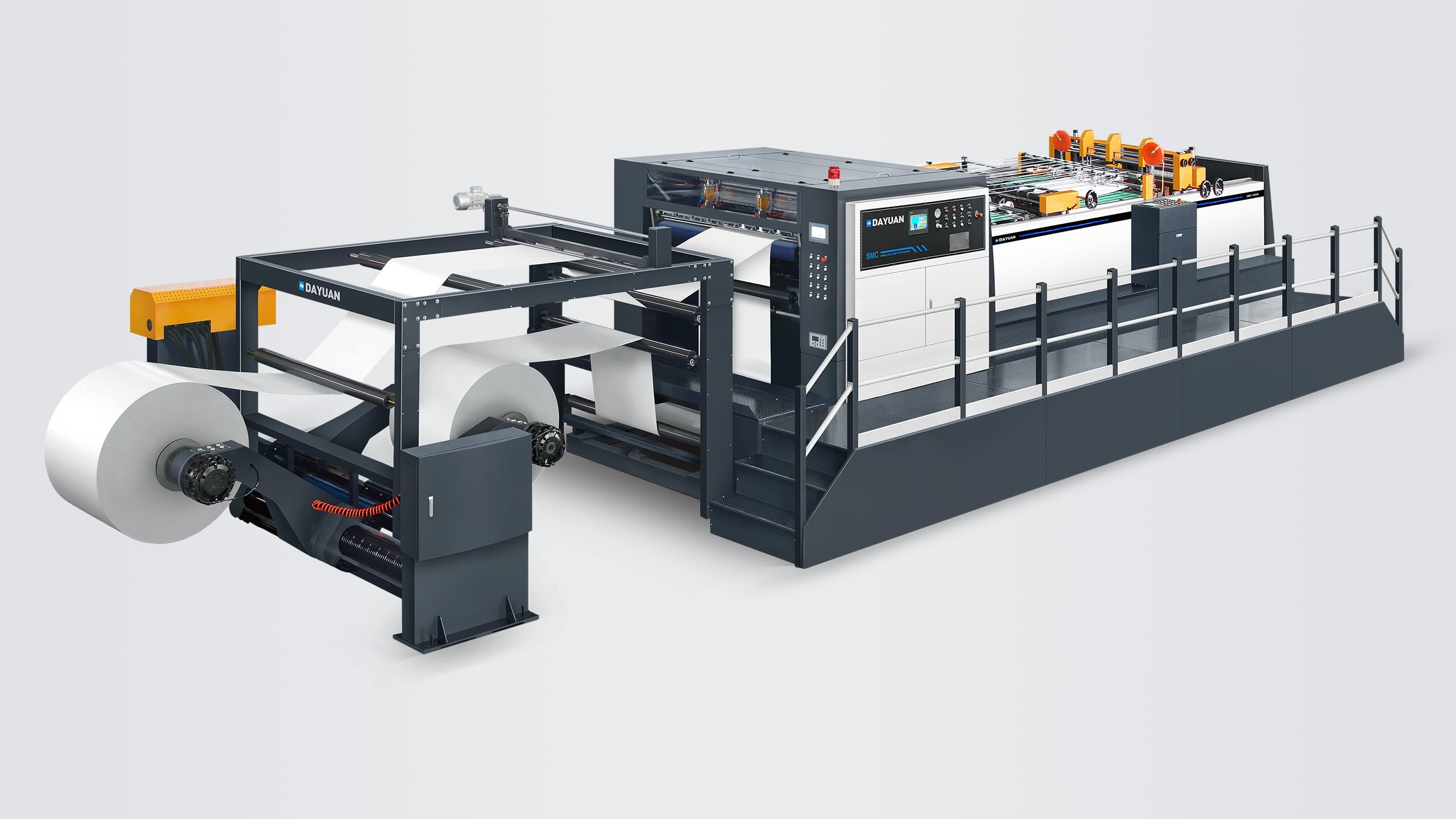
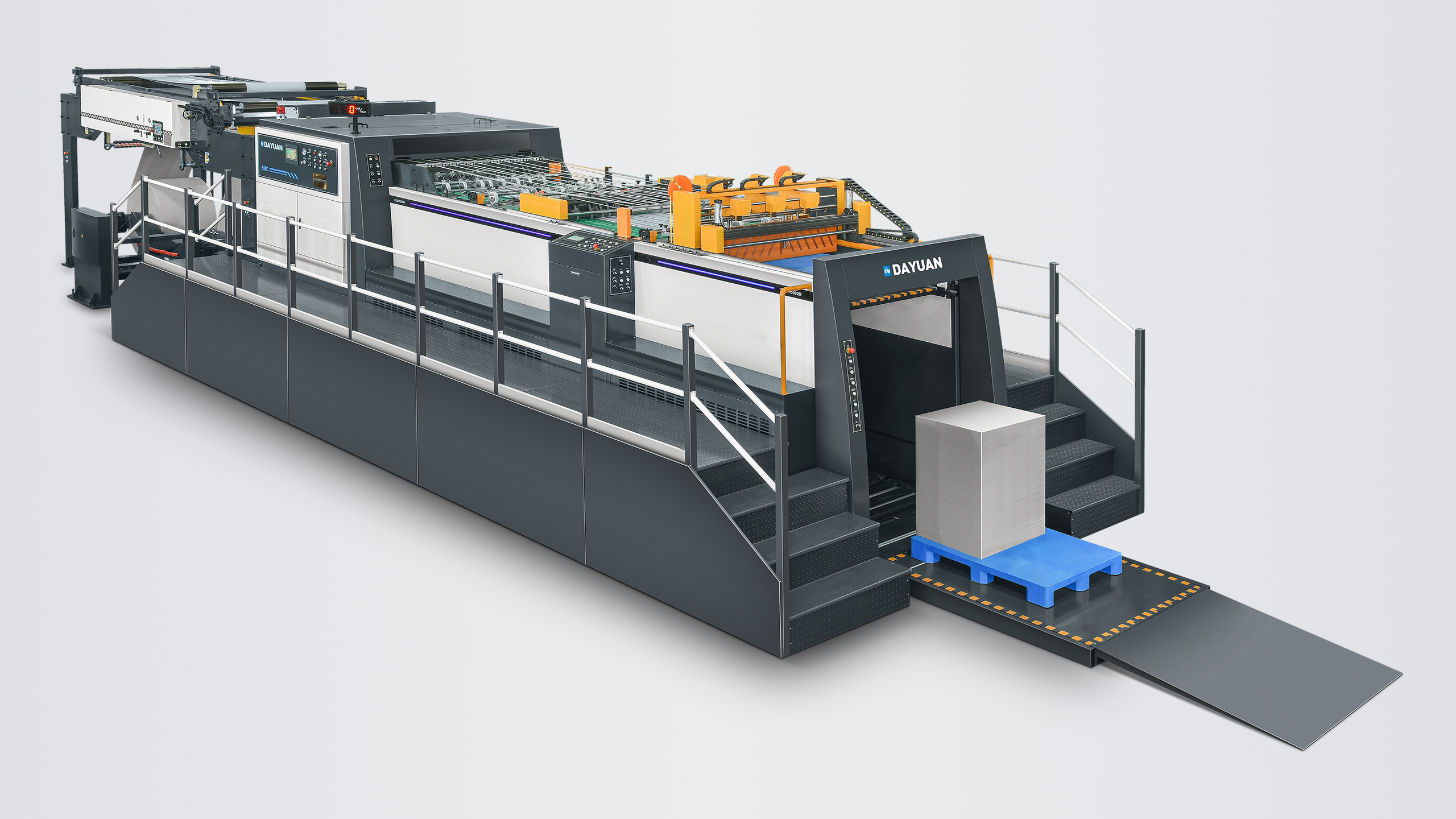
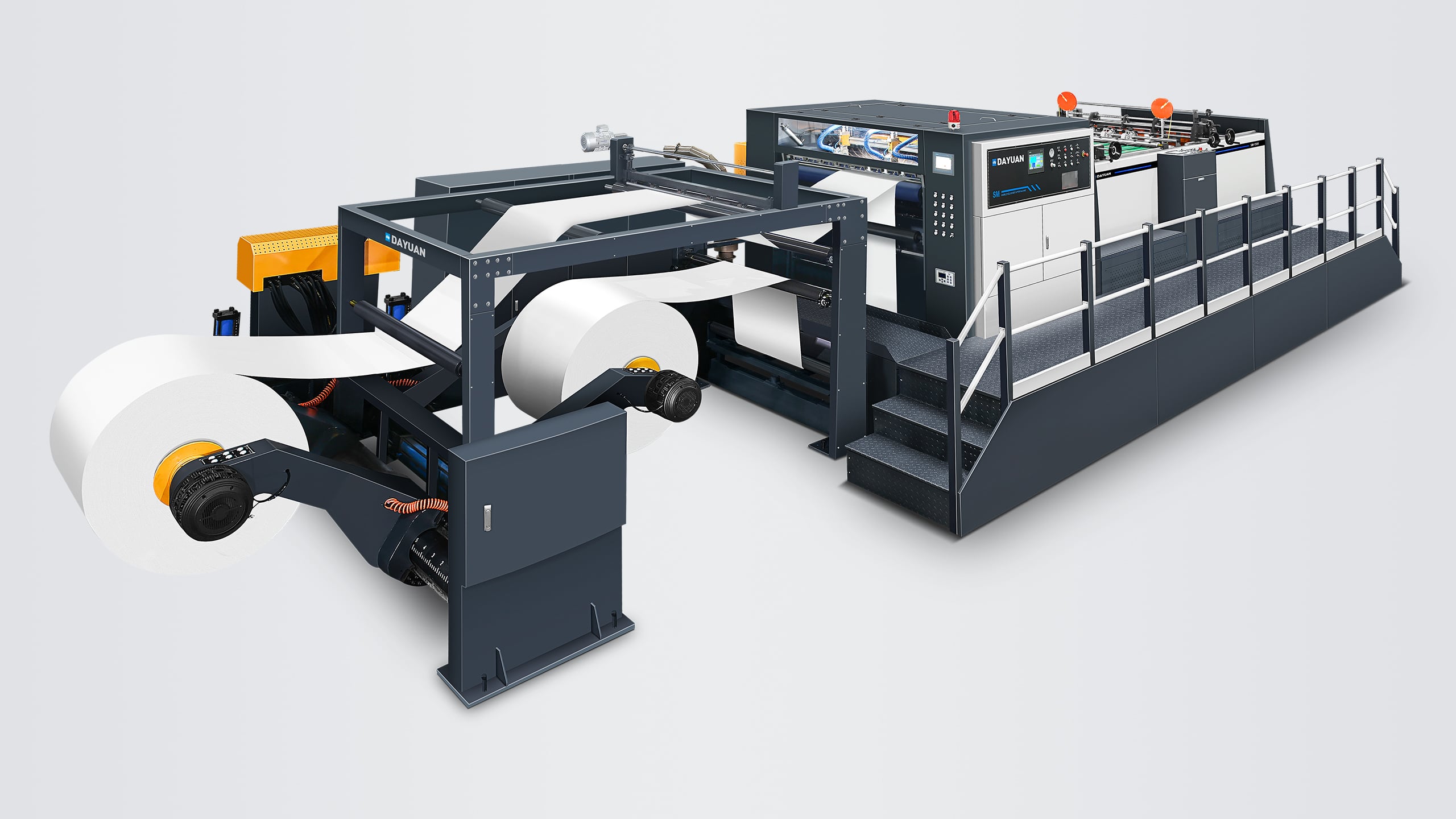
Cutting requirements vary throughout printing and packaging production. Some operations involve preparing sheets to the required dimensions, while others focus on shaping printed materials or completing post-press processes. Understanding these differences helps buyers identify the right category of equipment instead of assuming that every slitting and cutting machine performs the same tasks.
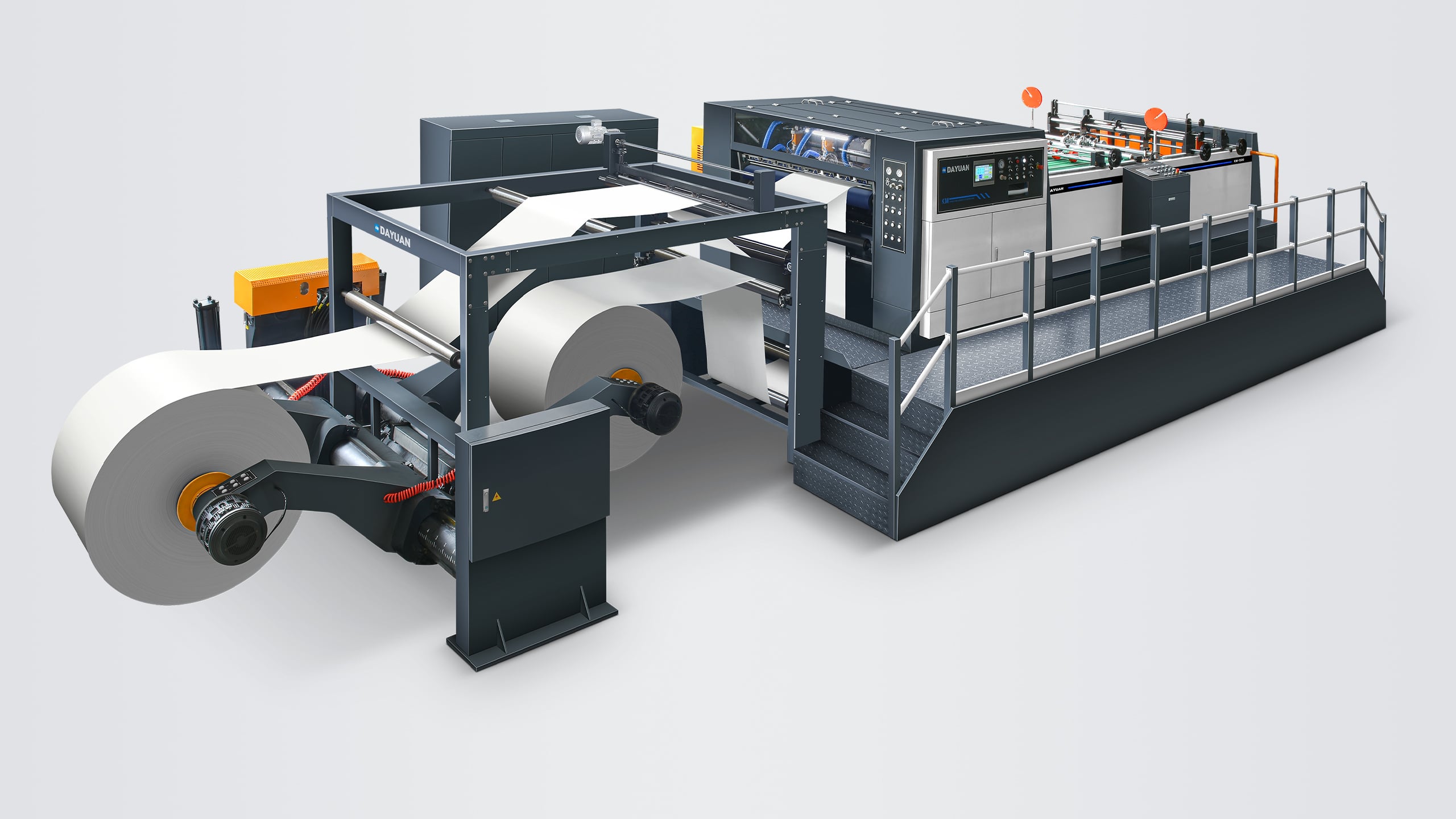
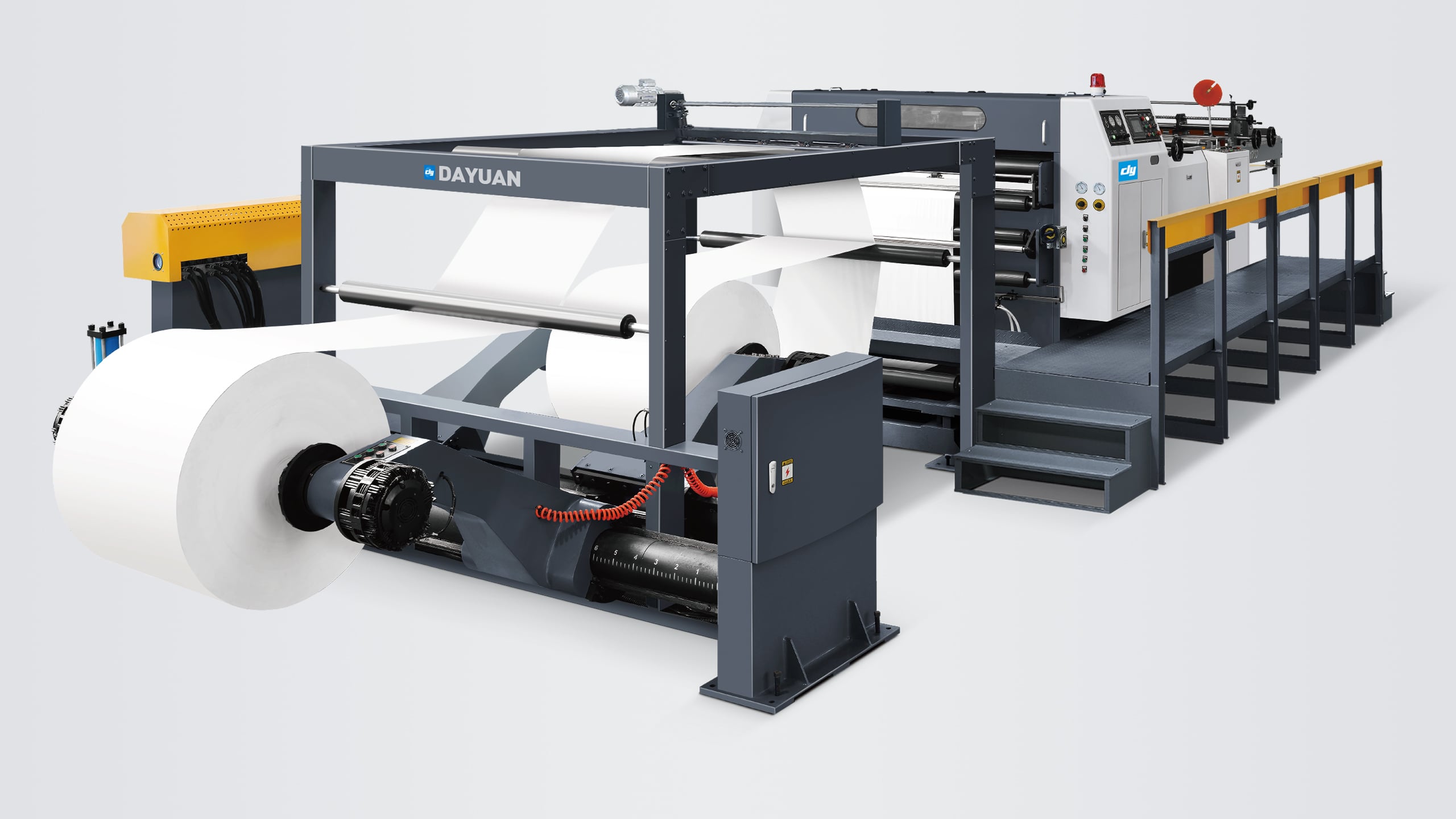
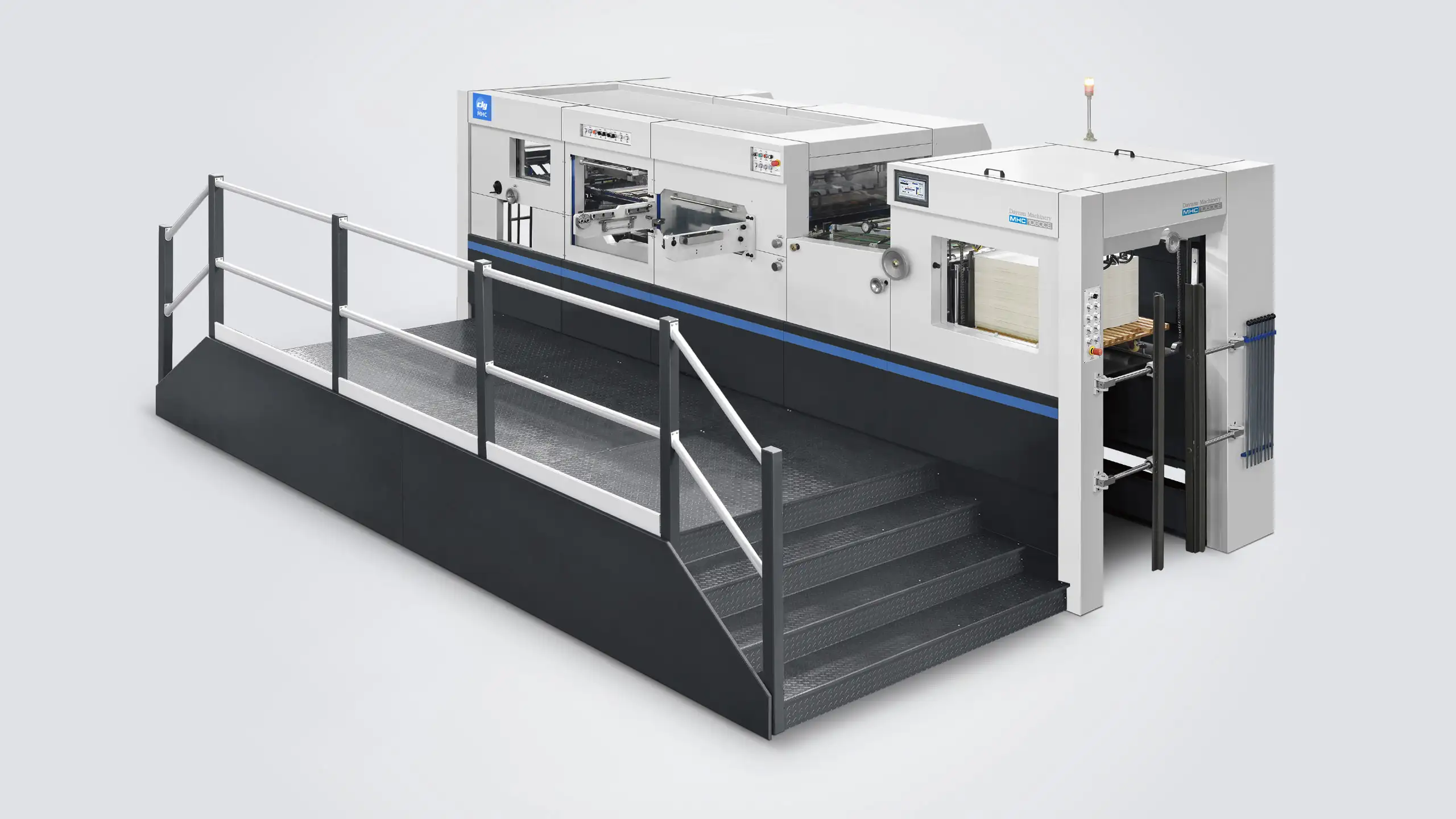
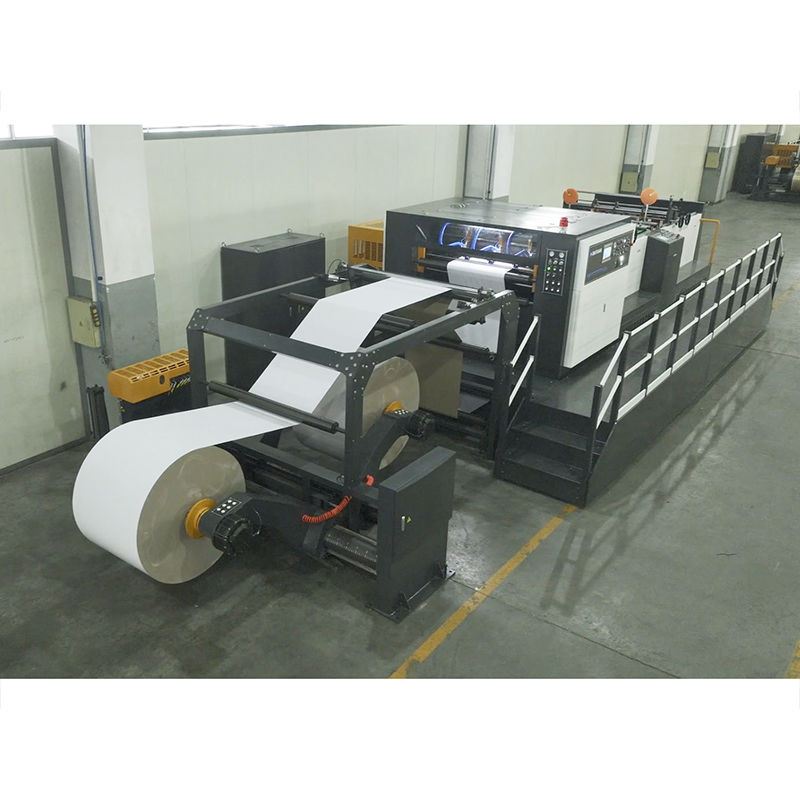
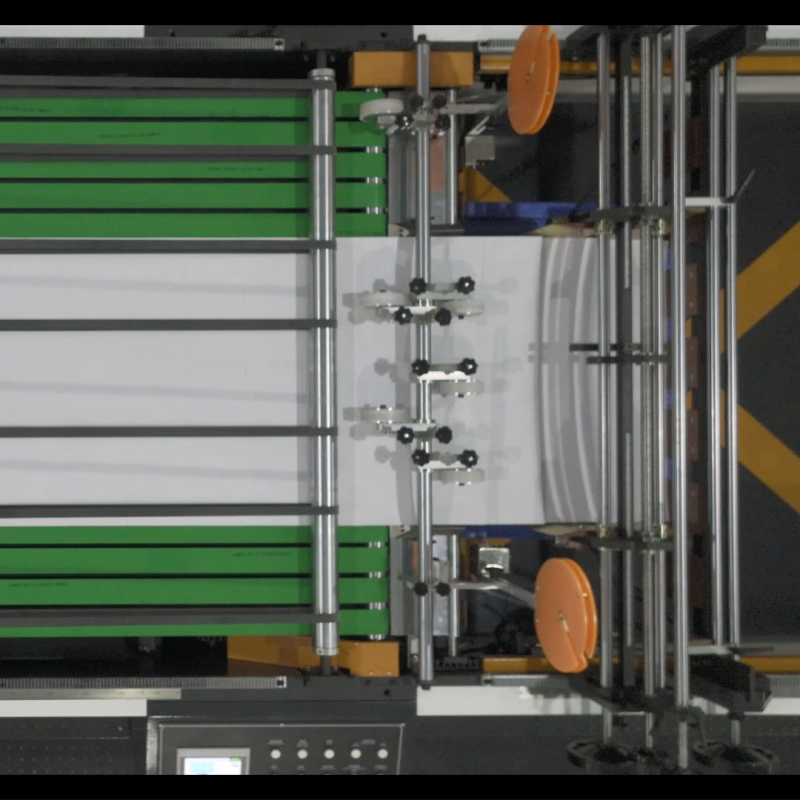
Dayuan Machinery's product range covers several of these production needs. Its servo precision sheet cutter machines are relevant to sheet cutting applications, while flatbed die-cutting machines support die-cutting processes. Hot foil stamping and die-cutting machines serve applications requiring the processes indicated by their product category, and stripping and blanking machines address post-press waste removal.
The distinction between cutting and die cutting is particularly important during equipment selection. Sheet cutting focuses on cutting sheets to specified dimensions, whereas die cutting is used to produce defined shapes. The appropriate choice depends on the finished product, the required processing steps, and the machine's documented capabilities.
When researching slitting and cutting equipment, buyers should also pay attention to the materials a supplier's machines are designed to process. Machinery intended for paper and packaging production should not automatically be assumed suitable for plastic films, composite materials, or other industrial materials. Reviewing the individual product descriptions helps establish whether a machine matches the intended application.
For packaging and printing businesses, an effective equipment comparison begins with the production task rather than a broad machine name. Buyers can identify the required cutting or finishing operation, review relevant machine categories, and check model specifications before deciding which equipment to consider further.
This application-led approach makes supplier research more focused and reduces the likelihood of choosing a machine based on unsupported assumptions about its functions.
 EN