 EN
EN

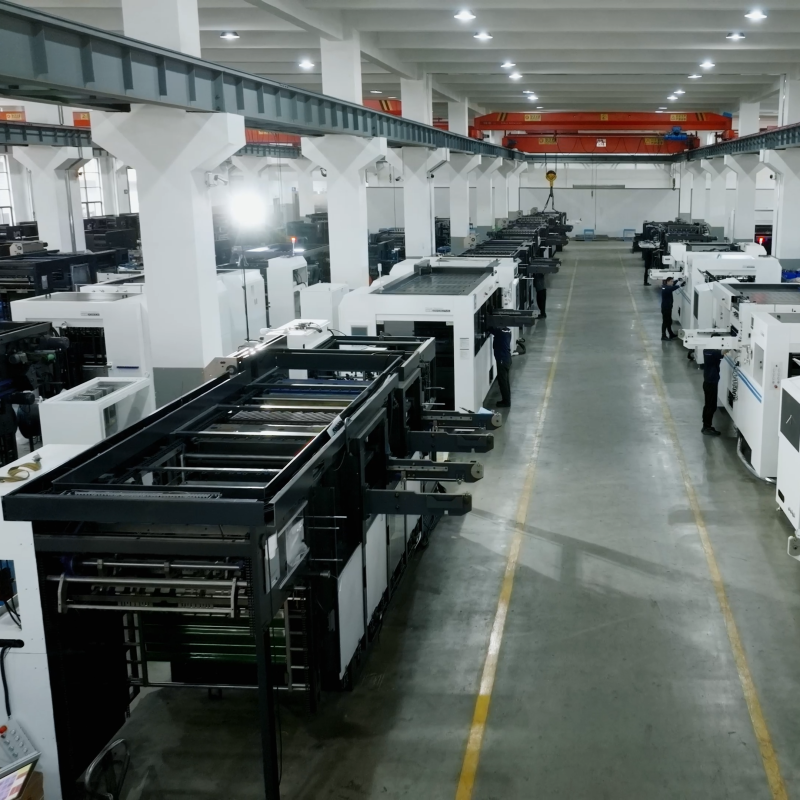
In today's fast-paced packaging and printing industry, production efficiency is not just a competitive advantage — it is a fundamental requirement. Manufacturers who rely on manual or semi-automated processes often encounter bottlenecks, inconsistent output quality, and unpredictable lead times that directly harm their bottom line. Integrating an automated machine die cut into your workflow is one of the most impactful decisions you can make to address these challenges head-on and bring measurable structure to your production schedule.
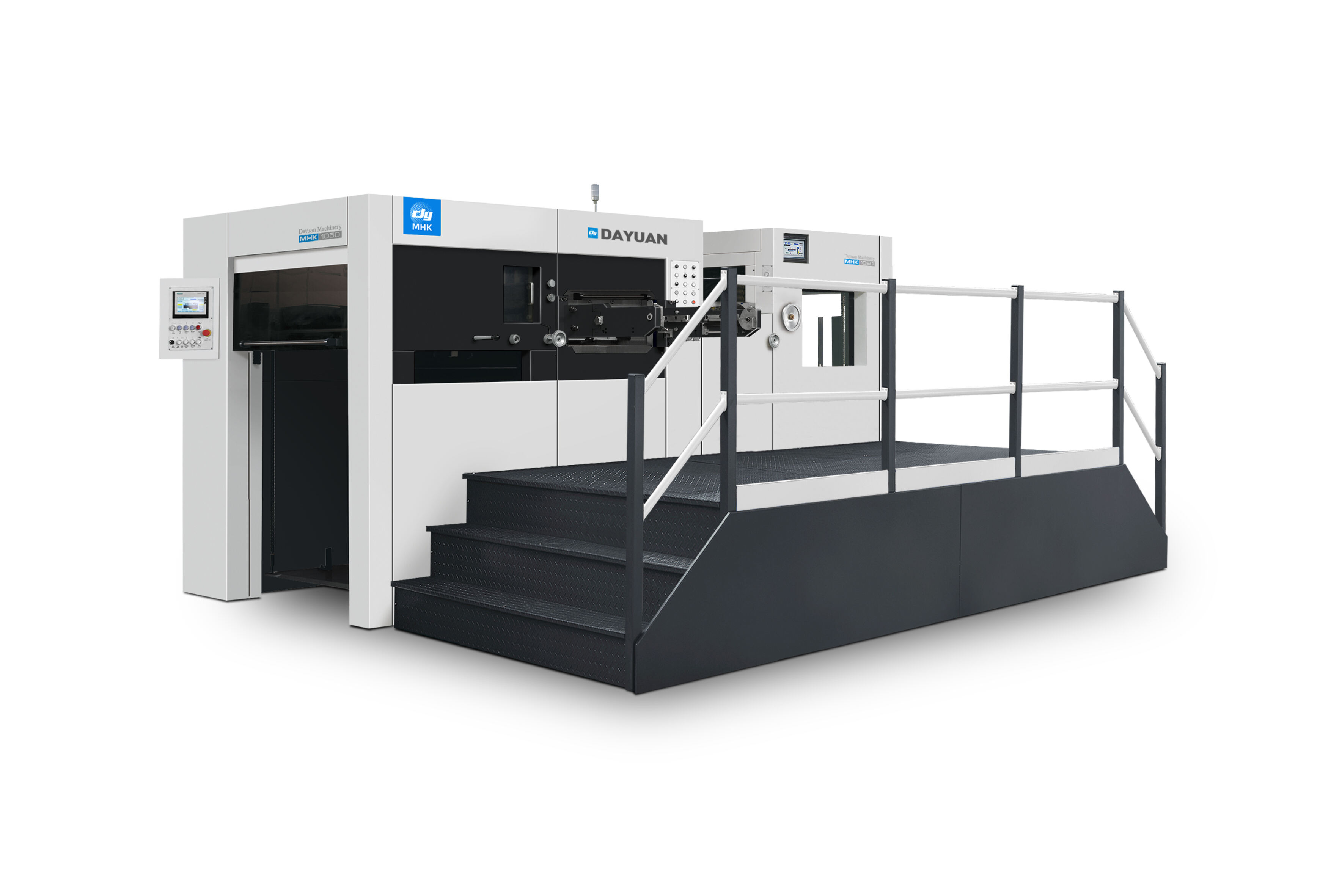
Optimizing a production schedule goes far beyond simply running machines faster. It requires synchronizing material flow, minimizing changeover time, reducing waste, and ensuring each stage of the process performs reliably at capacity. An automated machine die cut system enables all of these goals simultaneously, providing the mechanical precision and operational consistency that modern manufacturing demands. This article walks through exactly how to use this technology to transform your scheduling approach from reactive to proactive.
Understanding the Role of Automated Die Cutting in Production Scheduling
Why Production Schedules Break Down Without Automation
Traditional production scheduling in die cutting environments often suffers from a predictable set of failures. Manual cutting operations depend heavily on operator skill levels, physical endurance, and subjective quality judgment — all of which introduce variability. When one operator performs differently from another, or when fatigue sets in during a long shift, the entire downstream schedule is affected. Jobs that were supposed to be completed by a specific time get delayed, causing cascading disruptions across packaging lines, delivery commitments, and warehouse planning.
An automated machine die cut system removes the human variability factor from the core cutting and creasing process. The machine executes every cycle with the same force, speed, and registration accuracy regardless of the time of day or the volume of output required. This mechanical consistency is the foundation upon which reliable scheduling is built. When you can trust that a machine will produce 5,000 accurate cuts per hour without deviation, you can build a production schedule around those numbers with confidence.
Furthermore, unplanned downtime is a major schedule killer in manual environments. Operators need breaks, tools need repositioning, and quality issues require rework. An automated machine die cut reduces these interruptions significantly, allowing supervisors and planners to treat production capacity as a stable, predictable variable rather than a moving target.
Connecting Machine Capability to Schedule Design
Before you can optimize a production schedule, you need to understand exactly what your automated machine die cut is capable of delivering. This means establishing clear performance benchmarks — cycle speed, sheet size range, maximum cutting pressure, register accuracy, and average changeover time between jobs. These data points become the inputs for your scheduling model. Without them, your schedule is built on assumptions rather than reality.
Modern automated die cutting machines are designed to provide measurable, repeatable output data. Many models include integrated counters, job memory systems, and operational logs that give production managers the visibility they need to plan with precision. By reviewing historical output data from your automated machine die cut, you can calculate actual average throughput per job type, identify which product configurations take longer to set up, and build time buffers only where they are genuinely needed rather than padding every job with excess time.
This data-driven approach transforms scheduling from an art into an engineering exercise. When your schedule reflects the actual capabilities of your automated machine die cut, you stop overpromising and underdelivering — and start operating with the kind of predictability that builds customer trust and internal confidence.
Structuring Your Workflow Around Automated Die Cutting Cycles
Batch Planning and Job Sequencing for Maximum Throughput
One of the most powerful ways to optimize your production schedule with an automated machine die cut is through intelligent job sequencing. Not all die cutting jobs are created equal — some require complex tooling changes, others share the same die plate, and some involve different substrate materials that affect setup time. By grouping similar jobs together and sequencing them in a logical order, you dramatically reduce changeover time and increase the effective running time of the machine.
For example, if you have multiple jobs that use the same die tool, scheduling them back-to-back on your automated machine die cut eliminates a full changeover cycle between those jobs. Similarly, if you are transitioning from a lightweight paperboard to a heavier corrugated substrate, planning that transition strategically — rather than randomly — prevents repeated pressure adjustments that slow the schedule down. This kind of sequencing logic, applied consistently, can recover significant productive time every week without adding a single piece of equipment.
Batch planning also allows you to align die cutting output with downstream processes more smoothly. When your automated machine die cut produces finished blanks in a predictable sequence and at a stable rate, folding, gluing, and assembly stations can be staffed and supplied accordingly. The entire line operates with less friction, fewer idle gaps, and lower labor costs per unit produced.
Setting Realistic Cycle Times and Buffer Zones
A schedule built around optimistic cycle times will fail repeatedly. A schedule built around realistic cycle times — derived from actual automated machine die cut performance data — will succeed consistently. The distinction matters enormously when customers are waiting on delivery and your production floor is running multiple simultaneous jobs.
Realistic cycle time planning means accounting for the full operational cycle of the automated machine die cut, not just the mechanical cutting speed. This includes feed time, registration adjustment, sheet delivery, and inspection cycles. It also means incorporating a practical buffer for minor material irregularities, such as slight variations in sheet thickness or moisture content, which can occasionally require minor speed adjustments even on highly automated equipment.
Buffer zones should be placed strategically — at shift transitions, after large or complex jobs, and before urgent or time-sensitive orders. Rather than adding buffer time uniformly across every job, intelligent buffer placement ensures that your automated machine die cut runs at full efficiency for the majority of the day while still protecting the schedule from genuine disruptions when they occur.
Reducing Setup Time and Changeover Delays
Standardizing Tooling and Setup Procedures
Changeover time is one of the largest hidden costs in any die cutting operation, and it is one of the most addressable. An automated machine die cut typically offers significant mechanical advantages over manual systems when it comes to setup — but capturing those advantages requires deliberate standardization of your tooling and preparation procedures. Without standard procedures, even the most capable machine will lose time to disorganized changeovers.
Start by creating a standardized tooling inventory system that maps each die plate to the jobs that use it, the storage location, and the last known condition. When an operator knows exactly where to find the correct die for the next job and can confirm its condition before the current job ends, changeover on the automated machine die cut becomes a smooth, timed operation rather than a scramble. This single improvement can reduce changeover time by 20 to 30 percent in many operations.
Additionally, documenting machine-specific setup parameters — such as pressure settings, feed gap adjustments, and register guides — for each recurring job type allows operators to execute setups accurately and quickly every time. When your automated machine die cut is configured with the correct parameters from the first sheet rather than through trial and error, material waste drops and schedule adherence improves simultaneously.
Leveraging Machine Memory and Job Presets
Many modern automated machine die cut systems are equipped with programmable job memory features that store the parameters of previously run jobs. This capability is underutilized in many facilities, yet it is one of the most effective tools for schedule optimization. When a job is recalled from machine memory, the setup process is reduced to physical tooling installation and a brief verification cycle rather than a full parameter configuration sequence.
Building a comprehensive job preset library for your automated machine die cut takes time upfront but delivers compounding returns over every production cycle thereafter. Every time a repeat job is run from a preset, you save setup minutes that translate directly into additional productive cutting time. Over the course of a month, those minutes accumulate into hours of recovered capacity — capacity that can be used to take on additional orders or reduce overtime costs.
Investing time in building, verifying, and maintaining your job preset library is one of the highest-return optimization activities available to any production team operating an automated machine die cut. It requires no additional capital expenditure and produces immediate, measurable results in scheduling efficiency.
Integrating Automated Die Cutting into a Lean Production System
Aligning Die Cut Output with Downstream Demand
An automated machine die cut operating in isolation — even at peak efficiency — cannot fully optimize your production schedule unless its output is synchronized with the demands of the next process in the manufacturing flow. This is the core principle of lean production: every stage should produce exactly what the next stage needs, when it needs it, and in the quantity required. Excess production creates storage problems and inventory risk; insufficient production creates starvation and idle downstream labor.
To align your automated machine die cut with downstream demand, begin by mapping the production flow from die cutting through to final packaging. Identify the takt time — the rate at which finished products must be produced to meet customer demand — and work backward to determine the required output rate from the die cut stage. Then configure your scheduling model so that the automated machine die cut runs at the appropriate rate, neither faster nor slower than what downstream processes can absorb.
This alignment reduces work-in-progress inventory between stations, improves floor space utilization, and creates a smoother, more visible production flow. When everyone on the production floor understands that the automated machine die cut is the pace-setter for a specific line, coordination improves naturally, and schedule adherence becomes a shared team goal rather than a management directive.
Using Output Data to Drive Continuous Improvement
Optimization is not a one-time project — it is an ongoing process of measurement, analysis, and adjustment. An automated machine die cut generates valuable operational data every shift: cycle counts, downtime events, reject rates, and job completion times. Treating this data as a strategic asset rather than a historical record is what separates operations that improve continuously from those that plateau.
Establish a routine of reviewing automated machine die cut performance data on a weekly or biweekly basis. Look for patterns in downtime — are certain jobs consistently slower than scheduled? Are specific substrate materials causing more rejects? Are changeover times creeping upward for certain tool types? Each of these patterns points to a specific scheduling or process adjustment that can recover time and improve predictability.
Over time, this data-driven improvement cycle creates a progressively more accurate scheduling model. Your production schedule becomes a living document that reflects real operational performance rather than theoretical machine specifications, and your automated machine die cut operates closer and closer to its true productive potential with each improvement cycle.
FAQ
How does an automated machine die cut improve production schedule reliability?
An automated machine die cut removes the key sources of human variability from the cutting and creasing process. Because it delivers consistent cycle times, stable output quality, and predictable throughput rates, production planners can build schedules based on reliable data rather than estimates. This reduces the frequency of unplanned delays, rework, and missed deadlines that typically disrupt manual die cutting environments.
What information do I need to schedule jobs effectively on an automated machine die cut?
Effective scheduling requires knowing the machine's average cycle speed per job type, the typical changeover time between different die tools, the setup parameters for each recurring job, and the downstream capacity of the next production stage. With this information in hand, you can build a realistic schedule that accounts for all the major time elements in the die cutting operation rather than relying on rough estimates.
Can job sequencing really make a significant difference in automated die cut scheduling?
Yes, intelligently sequencing jobs on an automated machine die cut can recover a substantial amount of productive time each week. By grouping jobs that share the same die tool or substrate material, you minimize changeover events and reduce total setup time. In operations running multiple jobs per shift, this sequencing discipline can translate into several additional productive hours per week without any capital investment.
How often should I review the performance data from my automated machine die cut to improve scheduling?
A weekly or biweekly review cadence works well for most production environments. This frequency is short enough to catch emerging issues before they become chronic problems, yet long enough to reveal meaningful patterns in machine performance and job timing. Monthly reviews are the minimum acceptable interval if weekly reviews are not practical, though less frequent analysis delays the feedback loop that drives continuous scheduling improvement.
Table of Contents
- Understanding the Role of Automated Die Cutting in Production Scheduling
- Structuring Your Workflow Around Automated Die Cutting Cycles
- Reducing Setup Time and Changeover Delays
- Integrating Automated Die Cutting into a Lean Production System
-
FAQ
- How does an automated machine die cut improve production schedule reliability?
- What information do I need to schedule jobs effectively on an automated machine die cut?
- Can job sequencing really make a significant difference in automated die cut scheduling?
- How often should I review the performance data from my automated machine die cut to improve scheduling?