 EN
EN

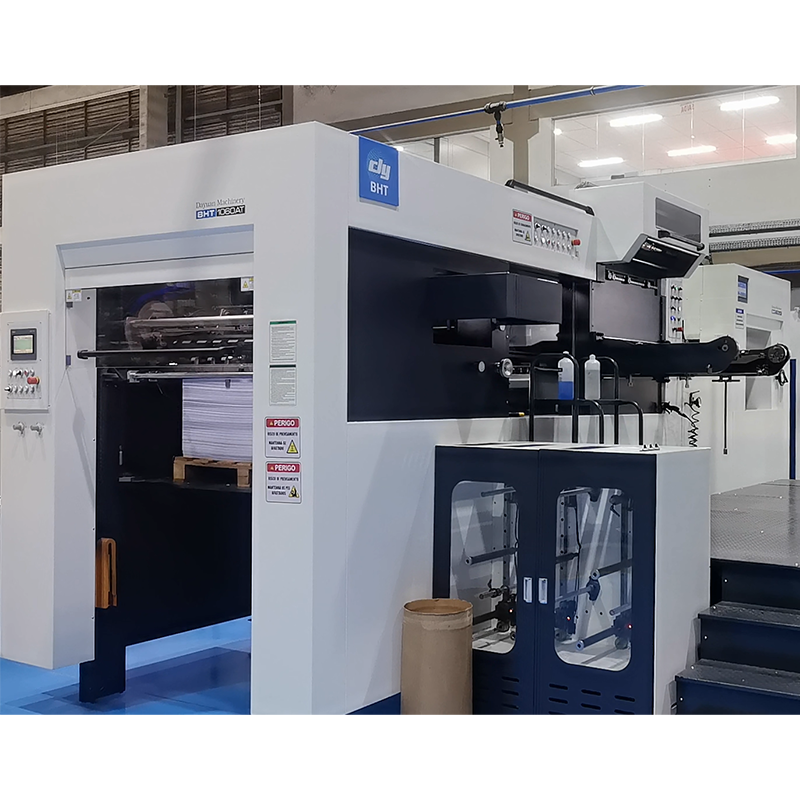
Integrating a paper cutter machine into an automated production line is one of the most impactful upgrades a paper converting or packaging facility can make. When done correctly, this integration eliminates manual handling bottlenecks, reduces material waste, and synchronizes cutting operations with upstream and downstream equipment. The result is a leaner, faster, and more consistent production workflow that scales with demand without proportionally increasing labor costs.
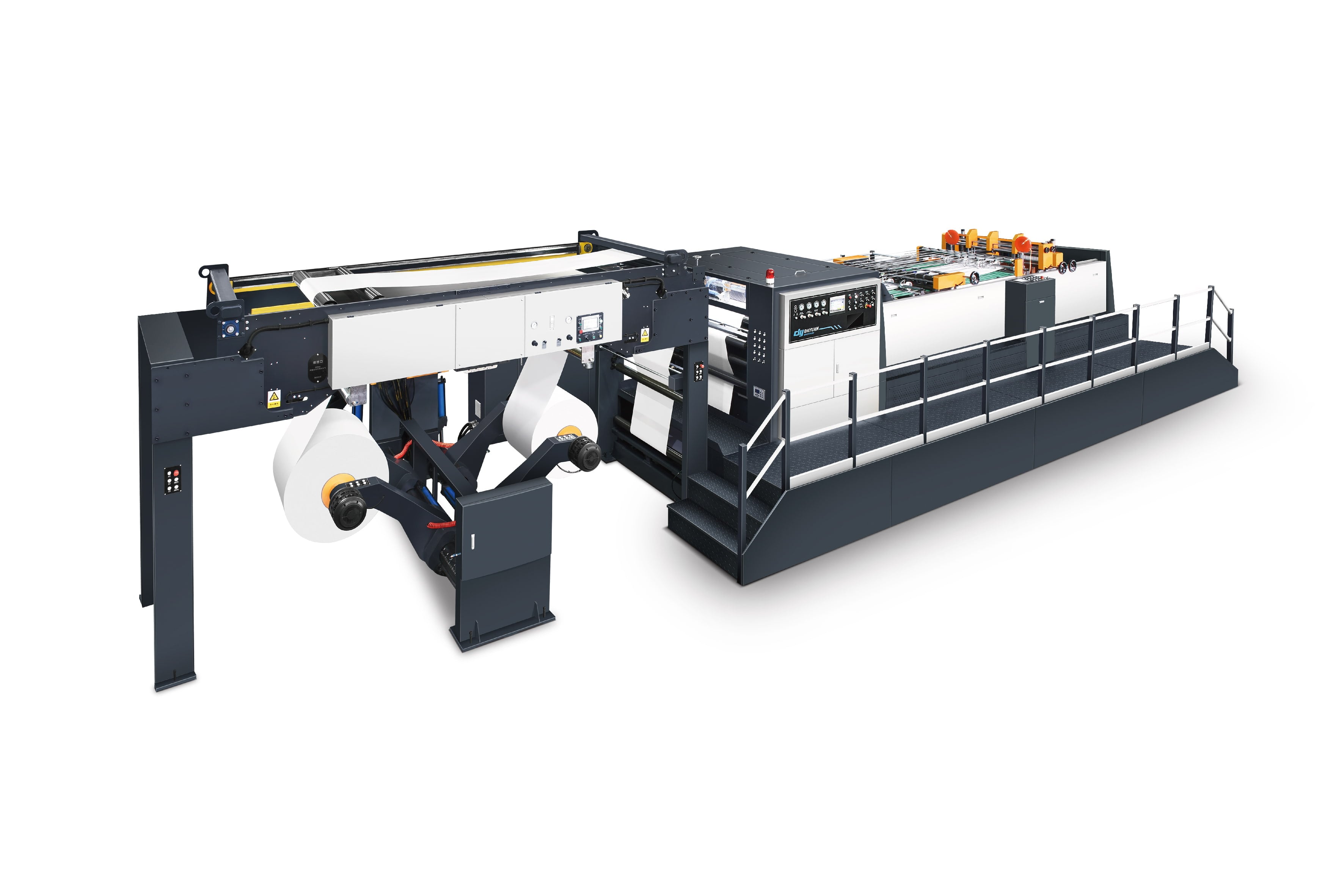
However, integration is not simply a matter of placing a paper cutter machine on the production floor and connecting it to a conveyor. It requires careful planning around machine compatibility, control system architecture, material flow logic, and safety compliance. This guide walks through the full integration process — from pre-installation assessment to live production validation — so your team can execute the project with confidence and avoid the most common pitfalls.
Understanding the Role of a Paper Cutter Machine in Automated Lines
Where the Paper Cutter Machine Fits in the Production Sequence
Before any physical installation begins, it is essential to map out where the paper cutter machine sits within the broader production sequence. In most converting operations, the cutter is positioned after the unwinding or splicing station and before the stacking, folding, or packaging stage. Its job is to transform continuous rolls or large sheets into precisely dimensioned cut pieces that downstream equipment can process without interruption.
Understanding this position helps define the machine's input and output requirements. The paper cutter machine must receive material at a consistent feed rate and deliver cut sheets at a pace that matches the downstream station's intake capacity. Any mismatch in these rates creates either a material backup or a starvation condition, both of which disrupt line efficiency.
Modern high-speed sheet cutters, such as servo-driven double-helix models, are specifically engineered to handle these synchronization demands. Their servo control systems allow real-time speed adjustment, making them far more adaptable to variable line speeds than older mechanical cutter designs.
Defining the Cutting Specifications Required by Your Line
Every automated line has specific cut length tolerances, sheet width requirements, and throughput targets. Before selecting or configuring a paper cutter machine, your engineering team must document these parameters precisely. Cut length accuracy, typically measured in fractions of a millimeter, directly affects downstream registration and product quality.
Sheet width is determined by the roll width and any slitting operations that precede the cutter. The paper cutter machine must be compatible with the widths your line processes — whether that is 1100 mm, 1500 mm, 1700 mm, or 1900 mm — and must maintain consistent cut quality across the full working width without edge distortion or fiber tear.
Throughput targets, expressed in sheets per minute or meters per minute, set the baseline for machine selection. A paper cutter machine that cannot sustain the required output speed under continuous duty will become the line's limiting constraint, negating the benefits of automation elsewhere in the system.
Pre-Integration Planning and Equipment Assessment
Auditing Existing Line Equipment for Compatibility
Successful integration of a paper cutter machine begins with a thorough audit of the existing line equipment. This includes reviewing the control platforms of adjacent machines, the communication protocols they support, and the physical space available for the cutter and its associated infeed and outfeed conveyors.
Control system compatibility is particularly critical. If your line operates on a PLC-based architecture using standard industrial protocols such as Profibus, EtherNet/IP, or Modbus TCP, the paper cutter machine must support the same protocol or be equipped with a compatible gateway. Mismatched communication standards are one of the leading causes of integration delays and unexpected commissioning costs.
Physical layout assessment should account for the cutter's footprint, the minimum infeed length required for stable material tension, and the outfeed space needed for sheet delivery and stacking. Overlooking these spatial requirements often forces costly last-minute modifications to the facility floor plan.
Evaluating Auto-Splicer and Reel Change Compatibility
In high-volume automated lines, continuous operation depends on the ability to change paper rolls without stopping the line. This is where auto-splicer functionality becomes essential. A paper cutter machine equipped with or connected to an auto-splicer can maintain uninterrupted material feed during reel transitions, eliminating the downtime that manual splicing introduces.
When integrating a paper cutter machine with auto-splicer capability, the splice detection and tension control systems must be synchronized. The cutter's servo drive needs to compensate for the brief tension variation that occurs during a splice event, ensuring that cut length accuracy is maintained through the transition without producing out-of-tolerance sheets.
Auto pallet changer functionality on the output side mirrors this logic. When the outfeed stacker reaches its target count, the pallet must be exchanged without halting the paper cutter machine or the upstream feed. Coordinating this exchange requires precise handshaking between the cutter's control system and the pallet changer's PLC, typically managed through a shared line controller or SCADA system.
Mechanical and Electrical Integration Steps
Aligning the Paper Cutter Machine with Infeed and Outfeed Systems
Mechanical alignment is foundational to cut quality and machine longevity. The paper cutter machine must be leveled and aligned with the infeed conveyor or unwind stand so that the paper web enters the cutting zone without lateral drift or vertical misalignment. Even small angular deviations can cause skewed cuts, edge damage, and premature blade wear.
Infeed tension control is equally important. The web must arrive at the paper cutter machine under consistent, controlled tension. Tension fluctuations caused by uneven roll winding, splice bumps, or conveyor speed variations translate directly into cut length errors. Dancer rolls, load cells, or servo-controlled nip rolls are commonly used to stabilize tension in the infeed section.
On the outfeed side, the sheet delivery system must be designed to handle the cut sheets without causing shingling, misalignment, or damage to the leading edge. Air-assisted conveyors, vacuum belts, or controlled deceleration zones are standard solutions depending on the sheet size, weight, and target stack quality.
Wiring, Grounding, and Safety Circuit Integration
Electrical integration of a paper cutter machine into an automated line involves more than connecting power and signal cables. The machine's safety circuits — including emergency stop chains, light curtains, and guard interlocks — must be integrated into the line's overall safety architecture. This typically means connecting the cutter's safety relay outputs to the line's safety PLC or safety bus system.
Proper grounding is critical in paper processing environments where static electricity buildup is common. The paper cutter machine frame, servo drives, and control cabinet must all be grounded according to the manufacturer's specifications and local electrical codes. Inadequate grounding can cause servo drive faults, encoder signal corruption, and erratic machine behavior that is difficult to diagnose.
Cable routing should keep power cables and signal cables separated to minimize electromagnetic interference. Shielded cables should be used for encoder feedback, analog tension signals, and any other low-voltage control signals that run near high-current servo drive wiring.
Control System Configuration and Line Synchronization
Programming Cut Length and Speed Synchronization
Once the paper cutter machine is mechanically and electrically installed, the control system must be configured to match the line's operational parameters. This begins with programming the target cut length, which in servo-driven cutters is typically entered as a digital parameter rather than a mechanical adjustment. The servo system calculates the required knife timing based on the incoming web speed and the programmed cut length.
Speed synchronization between the paper cutter machine and adjacent line sections is managed through electronic line shafting or master-slave drive coordination. The cutter's servo drive receives a speed reference signal — either an encoder pulse train from the infeed drive or a network speed setpoint from the line controller — and adjusts its knife speed accordingly to maintain the correct cut length at any line speed.
During initial commissioning, cut length accuracy should be verified across the full speed range of the line. It is common to find that minor tuning adjustments to the servo gain parameters or the cut length compensation values are needed to achieve the specified tolerance at both low and high speeds.
Integrating the Paper Cutter Machine with Line-Level SCADA or MES
In modern automated facilities, individual machines are rarely operated in isolation. The paper cutter machine should be connected to the facility's SCADA or Manufacturing Execution System so that production data — including cut count, speed, fault history, and material consumption — can be monitored and recorded centrally.
This connectivity enables production managers to track OEE metrics for the paper cutter machine specifically, identify recurring fault patterns, and schedule preventive maintenance based on actual run hours rather than fixed calendar intervals. It also allows recipe management, where cut length and speed parameters for different product orders are stored centrally and downloaded to the machine automatically at job changeover.
When configuring SCADA integration, ensure that the paper cutter machine's PLC or HMI exposes the required data tags through the agreed communication protocol. Work with the machine supplier to obtain a complete tag list and confirm that the data update rates are sufficient for the monitoring functions your system requires.
Commissioning, Testing, and Ongoing Optimization
Running Staged Commissioning Trials
Commissioning a paper cutter machine within an automated line should follow a staged approach rather than attempting full-speed production immediately. Begin with slow-speed trials using the actual production material to verify cut length accuracy, sheet delivery quality, and safety system response. Gradually increase line speed in defined increments, checking performance at each stage before proceeding.
During staged trials, document any deviations from the target cut length, any sheet handling issues at the outfeed, and any communication faults between the paper cutter machine and adjacent systems. Address each issue before advancing to the next speed increment. Rushing through commissioning to meet a production deadline is a common cause of persistent quality problems that are far more costly to resolve after full production has started.
Splice simulation trials are particularly important if the line includes an auto-splicer. Deliberately trigger splice events at various line speeds to confirm that the paper cutter machine maintains cut length accuracy through the splice zone and that no out-of-tolerance sheets reach the downstream stacker.
Establishing Maintenance Protocols for Sustained Performance
Long-term performance of a paper cutter machine in an automated line depends on disciplined maintenance. Blade condition is the most critical variable — a dull or chipped blade produces ragged cut edges, increases cutting force, and accelerates wear on the knife beam and counter blade. Establish a blade inspection and replacement schedule based on the material type, basis weight, and daily cut volume.
Servo drive and encoder health should be monitored through the machine's diagnostic system. Most modern servo-driven paper cutter machine platforms log drive temperature, current draw, and encoder error counts, which can serve as early warning indicators of developing mechanical or electrical issues before they cause unplanned downtime.
Lubrication of the knife beam guides, cross-cut mechanism, and infeed nip rolls should follow the manufacturer's recommended intervals. In high-speed applications, under-lubrication is a more common failure mode than over-lubrication, so erring on the side of more frequent lubrication checks is generally advisable.
FAQ
What communication protocols does a paper cutter machine typically support for line integration?
Most modern servo-driven paper cutter machine models support standard industrial protocols including Profibus DP, EtherNet/IP, Modbus TCP, and PROFINET. The specific protocols available depend on the machine's PLC platform and the servo drive manufacturer. Before finalizing your integration plan, confirm the supported protocols with the machine supplier and verify compatibility with your existing line control architecture.
How does a paper cutter machine maintain cut length accuracy during a roll splice?
A paper cutter machine with servo-based speed control can compensate for the brief tension and speed variation that occurs during an auto-splice event. The servo drive adjusts knife timing in real time based on encoder feedback from the infeed section, maintaining the programmed cut length even as web tension momentarily fluctuates. Proper tuning of the tension control loop in the infeed section is essential to minimize the magnitude of this variation.
What is the typical commissioning timeline for integrating a paper cutter machine into an existing automated line?
Commissioning timelines vary depending on line complexity, but a realistic estimate for integrating a paper cutter machine into an existing automated line is two to four weeks. This includes mechanical installation, electrical wiring, control system configuration, staged speed trials, and operator training. Lines with complex SCADA integration or multiple synchronized stations may require additional time for software configuration and testing.
Can a paper cutter machine be retrofitted into an older production line that lacks a modern PLC system?
Yes, a paper cutter machine can be integrated into older lines, but it typically requires adding a gateway device or upgrading the line's control infrastructure to support the communication and synchronization requirements of a modern servo cutter. In some cases, a standalone line controller is installed specifically to manage the cutter and its adjacent stations, interfacing with the older equipment through analog speed references or simple digital I/O signals rather than network protocols.
Table of Contents
- Understanding the Role of a Paper Cutter Machine in Automated Lines
- Pre-Integration Planning and Equipment Assessment
- Mechanical and Electrical Integration Steps
- Control System Configuration and Line Synchronization
- Commissioning, Testing, and Ongoing Optimization
-
FAQ
- What communication protocols does a paper cutter machine typically support for line integration?
- How does a paper cutter machine maintain cut length accuracy during a roll splice?
- What is the typical commissioning timeline for integrating a paper cutter machine into an existing automated line?
- Can a paper cutter machine be retrofitted into an older production line that lacks a modern PLC system?