Auto Paper Cutting Machine - Precision Automated Cutting Solutions for Professional Results

+86-577-58918888
All Categories

auto paper cutting machine

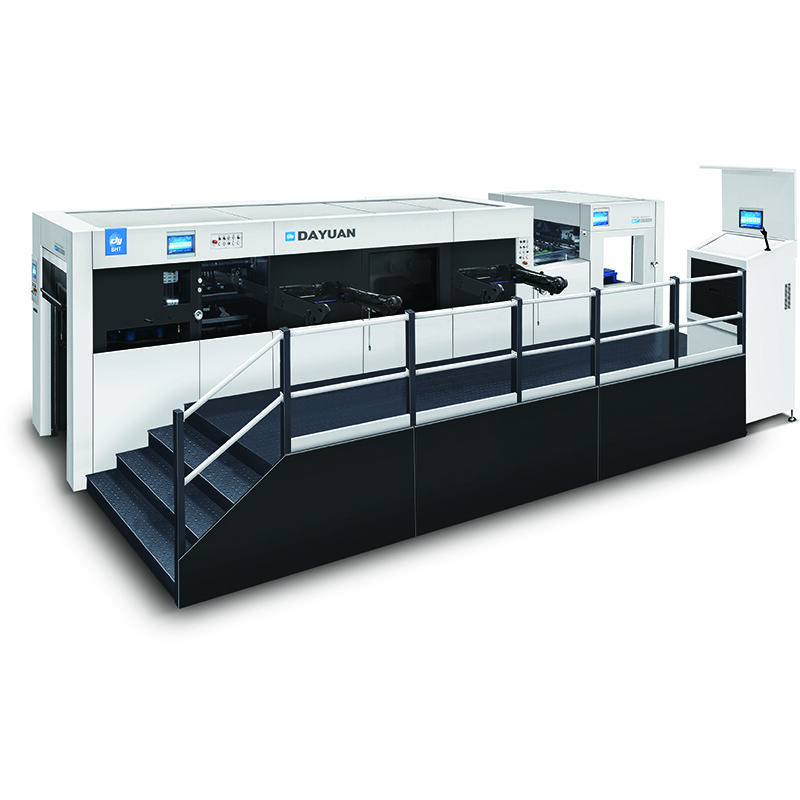
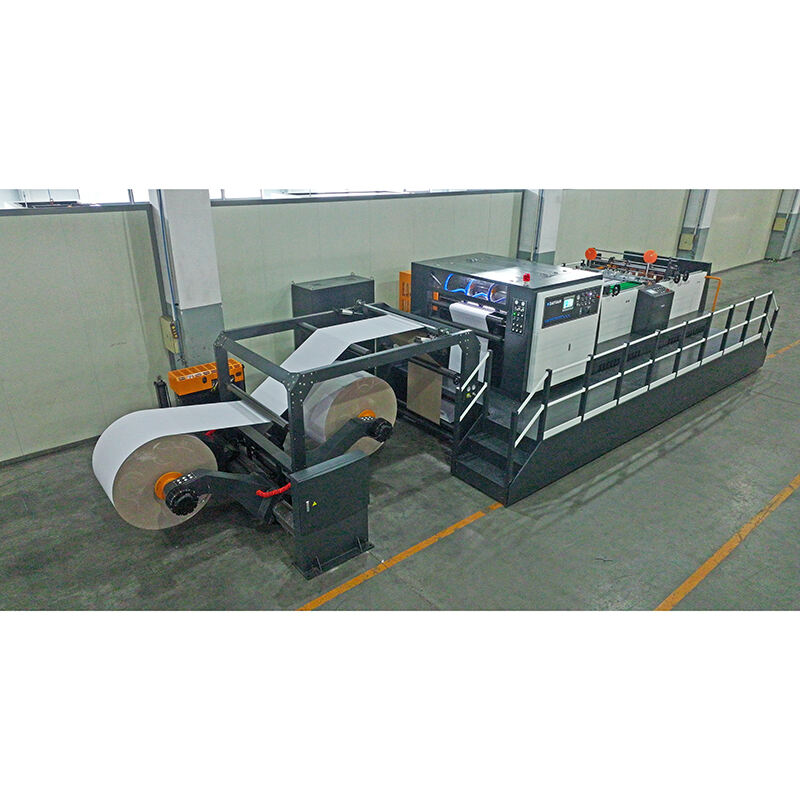
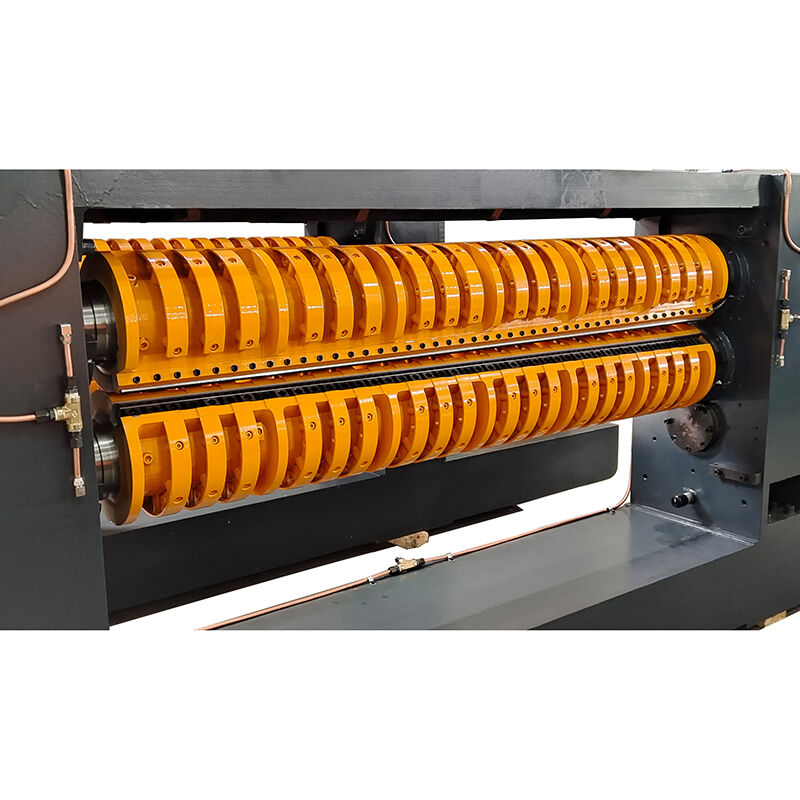
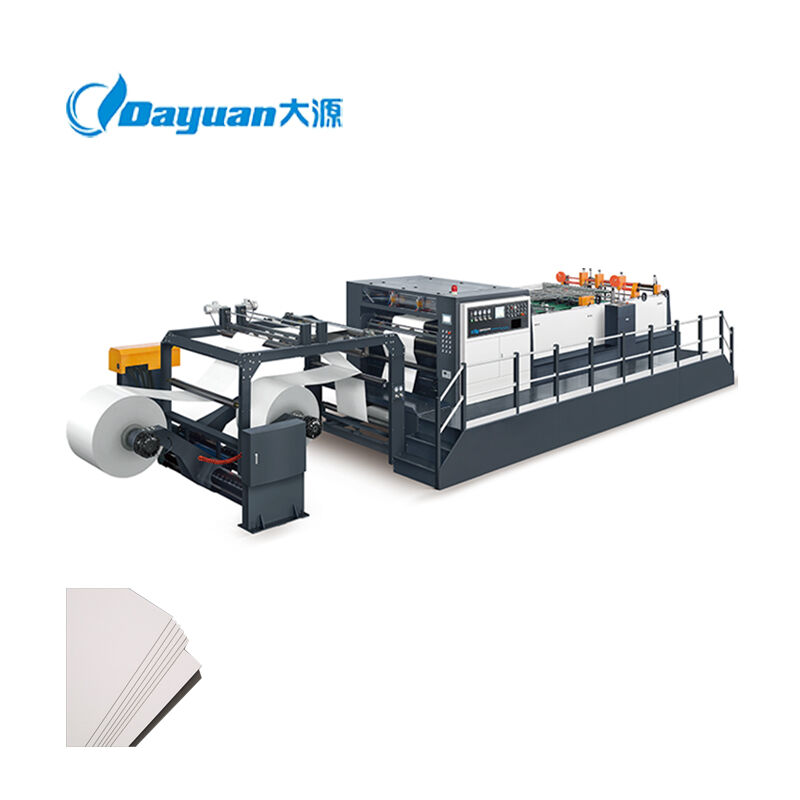
An auto paper cutting machine represents a sophisticated piece of equipment designed to streamline paper processing operations in commercial and industrial environments. This automated system transforms how businesses handle paper cutting tasks by delivering precision, speed, and consistency that manual methods cannot match. The machine incorporates advanced mechanical components, digital controls, and safety mechanisms to execute cutting operations with remarkable accuracy. At its core, an auto paper cutting machine utilizes a heavy-duty blade system controlled by computerized programming to slice through multiple paper sheets simultaneously. The technology integrates sensors, hydraulic or pneumatic pressure systems, and programmable logic controllers that work together to ensure each cut meets exact specifications. Modern machines feature touchscreen interfaces that allow operators to input dimensions, adjust cutting parameters, and monitor performance metrics in real-time. The main functions include automatic paper feeding, precise measurement systems, programmable cutting patterns, and safety guards that protect operators during operation. These machines can handle various paper types, from lightweight sheets to heavy cardstock, with thicknesses ranging from single sheets to stacks several inches high. The technological features encompass automatic blade sharpening systems, optical alignment guides, digital measurement displays accurate to fractions of millimeters, and memory storage for frequently used cutting configurations. Applications span across printing companies, publishing houses, packaging manufacturers, educational institutions, corporate mailrooms, and binderies. The versatility of an auto paper cutting machine makes it indispensable for producing brochures, flyers, business cards, book pages, labels, and custom-sized paper products. The integration of Industry 4.0 capabilities in newer models allows connectivity with other production equipment, enabling seamless workflow automation and data collection for quality control purposes. Energy-efficient motors and intelligent power management systems reduce operational costs while maintaining high performance standards throughout extended production runs.

New Products

Investing in an auto paper cutting machine delivers substantial practical benefits that directly impact your bottom line and operational efficiency. The most immediate advantage comes from the dramatic increase in production speed compared to manual cutting methods. While a skilled worker might process dozens of sheets per hour manually, an automated system handles hundreds or thousands of sheets in the same timeframe, multiplying output capacity without requiring additional labor. This speed advantage translates directly into faster turnaround times for customer orders and the ability to accept larger projects that would otherwise be impossible to complete within deadlines. Precision represents another critical benefit that affects product quality and material waste. The machine cuts with consistency that human operators simply cannot replicate over extended periods. Every piece matches the specified dimensions exactly, eliminating variations that lead to rejected products or customer complaints. This accuracy reduces material waste significantly, as fewer cutting errors mean less paper ends up discarded. Over time, these savings in raw materials create substantial cost reductions that help offset the initial equipment investment. Labor efficiency improves dramatically when you deploy an auto paper cutting machine in your operation. A single operator can manage the equipment while it performs tasks that would previously require multiple workers. This optimization allows you to redeploy staff to other value-adding activities rather than repetitive cutting work. The reduction in physical labor also decreases workplace injuries associated with manual cutting operations, reducing insurance costs and lost productivity from worker absences. Safety features built into modern machines protect operators from accidents that commonly occur with manual cutting tools. Automatic blade guards, emergency stop buttons, and two-hand operation controls minimize the risk of serious injuries. The enclosed cutting area prevents accidental contact with the blade during operation, creating a safer work environment that complies with occupational safety regulations. Flexibility in handling different job requirements becomes effortless with programmable settings that store cutting specifications for various projects. You can switch between different paper sizes, quantities, and cutting patterns quickly without manual recalibration. This adaptability means you can efficiently process small custom orders alongside large production runs, expanding your service offerings and market opportunities. The machine maintains consistent performance throughout the workday without fatigue, unlike manual operators whose accuracy and speed naturally decline during long shifts. This reliability ensures that quality remains constant from the first cut to the last, regardless of production volume or time pressures. Maintenance requirements are straightforward and scheduled, with most machines featuring self-diagnostic systems that alert operators to potential issues before they cause breakdowns, minimizing unexpected downtime.

Tips And Tricks

Why Is a Die Cutting Machine Essential for Consistent and Repeatable Paper Cutting Tasks?

15

Jan

Why Is a Die Cutting Machine Essential for Consistent and Repeatable Paper Cutting Tasks?

In the world of manufacturing and production, precision and repeatability are paramount for maintaining quality standards and operational efficiency. When it comes to paper processing applications, achieving consistent cuts across thousands or millio...
View More
What Should You Look for When Selecting a Paper Cutter Machine for Various Paper Types and Thicknesses?

17

Jan

What Should You Look for When Selecting a Paper Cutter Machine for Various Paper Types and Thicknesses?

Selecting the right paper cutter machine for your business operations requires careful consideration of multiple factors that directly impact productivity, quality, and cost-effectiveness. Whether you're operating a commercial printing facility, pack...
View More
Why Does Regular Blade Maintenance and Calibration Matter for Your Paper Cutter Machine's Performance?

10

Feb

Why Does Regular Blade Maintenance and Calibration Matter for Your Paper Cutter Machine's Performance?

Industrial printing operations depend heavily on precision cutting equipment to maintain quality standards and operational efficiency. A well-maintained paper cutter machine represents the cornerstone of any successful commercial printing facility, w...
View More
Why Is a Globally Experienced Supplier Important for Sourcing Reliable Paper Die Cutting Machines?

10

Feb

Why Is a Globally Experienced Supplier Important for Sourcing Reliable Paper Die Cutting Machines?

The manufacturing industry increasingly relies on precision equipment to maintain competitive advantages in global markets. When sourcing paper die cutting machines, businesses face critical decisions that can impact their operational efficiency, pro...
View More

Get a Free Quote

Our representative will contact you soon.
Email
Name
Company Name
Required Product
Message
0/1000

auto paper cutting machine

Precision Engineering for Flawless Results Every Time

Precision Engineering for Flawless Results Every Time

The precision engineering incorporated into an auto paper cutting machine sets it apart as an essential tool for businesses demanding consistent, accurate results. At the heart of this precision lies a sophisticated measurement and positioning system that uses digital sensors and optical guides to ensure every cut aligns perfectly with programmed specifications. These systems measure dimensions down to fractions of a millimeter, a level of accuracy impossible to achieve consistently through manual methods. The machine employs high-grade steel blades manufactured to exacting tolerances, maintaining sharp edges that create clean cuts without tearing or crushing paper fibers. The blade positioning mechanism utilizes servo motors and precision guide rails that eliminate play or wobble during cutting operations, ensuring the blade follows the exact path programmed into the control system. This engineering excellence means that whether you are cutting ten sheets or ten thousand, each piece will match the specified dimensions exactly, maintaining uniformity across entire production runs. The pressure application system distributes force evenly across the cutting surface, preventing uneven cuts that can occur when pressure varies across the paper stack. Hydraulic or pneumatic systems provide consistent, controllable force that adjusts automatically based on paper thickness and type, ensuring optimal cutting conditions for every job. The back gauge system, which positions paper precisely before each cut, features ball-bearing construction and digital positioning that eliminates the cumulative errors that plague manual measurement methods. Operators can program complex cutting sequences involving multiple cuts at different positions, and the machine executes these programs flawlessly, repositioning the paper stack automatically between cuts. This capability enables efficient production of complex projects like multi-panel brochures or precisely sized book pages without manual intervention between cuts. The calibration systems built into modern machines allow periodic verification and adjustment of cutting accuracy, ensuring long-term precision even after millions of cutting cycles. Temperature compensation algorithms account for thermal expansion of metal components, maintaining accuracy even as the machine heats up during extended operation. Vibration-dampening systems isolate the cutting mechanism from external disturbances that could affect precision, while rigid frame construction prevents deflection under load that might compromise cutting accuracy.
Intelligent Automation That Simplifies Complex Operations

Intelligent Automation That Simplifies Complex Operations

The intelligent automation features integrated into an auto paper cutting machine transform complex cutting operations into simple, efficient processes that require minimal operator expertise. Modern machines incorporate touchscreen control panels with intuitive graphical interfaces that guide operators through setup procedures step by step, eliminating the steep learning curve associated with traditional cutting equipment. These interfaces display visual representations of cutting patterns, allowing operators to verify setups before executing cuts, preventing costly errors from incorrect programming. The machine memory systems store hundreds or thousands of job programs, enabling instant recall of cutting specifications for repeat orders without manual re-entry of dimensions and parameters. This capability dramatically reduces setup time when switching between different products, allowing rapid transitions that maximize machine utilization throughout the workday. Barcode or QR code integration enables automatic job loading when operators scan work orders, pulling the correct cutting program directly from the database and eliminating manual data entry errors. Automatic paper feeding systems remove the need for manual stacking and alignment of paper before each cut. These feeders can handle reams or pallets of paper, continuously supplying material to the cutting area while maintaining proper alignment through sensor-guided positioning systems. The automation extends to waste removal, with conveyor systems or collection bins that automatically clear cut pieces and trim waste from the cutting area, maintaining clear workspace without operator intervention. Adaptive cutting technology monitors blade condition and automatically adjusts pressure and speed to compensate for normal blade wear, maintaining cut quality throughout blade life without manual intervention. Some advanced systems include automatic blade changing mechanisms that swap worn blades for sharp ones without stopping production, maximizing uptime during high-volume runs. The machines feature self-diagnostic capabilities that continuously monitor critical systems including hydraulics, motors, sensors, and electrical components. When the system detects abnormal conditions or wear approaching critical levels, it alerts operators through clear dashboard warnings and provides specific guidance for corrective actions. This predictive maintenance capability prevents unexpected breakdowns that disrupt production schedules and create emergency repair situations. Integration capabilities allow the auto paper cutting machine to communicate with other production equipment and management systems, creating automated workflows that span entire production processes. Job data flows directly from order entry systems to the cutting machine without manual transfer, while production data flows back to management systems for real-time visibility into operation status and performance metrics. This connectivity enables lights-out operation for certain applications, where the machine operates with minimal supervision during off-hours, dramatically increasing production capacity without proportional increases in labor costs.
Versatility That Adapts to Diverse Business Requirements

Versatility That Adapts to Diverse Business Requirements

The exceptional versatility built into an auto paper cutting machine makes it valuable across diverse industries and applications, adapting seamlessly to varying production requirements and material specifications. These machines accommodate an impressive range of paper types and weights, from delicate tissue papers weighing just a few grams per square meter to heavy cardstocks and composite materials several millimeters thick. The adjustable pressure systems and blade configurations allow operators to optimize cutting parameters for each material type, ensuring clean cuts regardless of paper characteristics. This versatility means a single machine can handle everything from wedding invitations printed on premium cardstock to high-volume production of standard office paper sizes, eliminating the need for multiple specialized cutting tools. The cutting area dimensions vary across machine models, with options ranging from compact desktop units suitable for small print shops to industrial systems with cutting widths exceeding two meters for large-format applications. This range ensures businesses can select equipment scaled appropriately for their typical job sizes while maintaining the capability to handle occasional oversized projects. Programmable cutting patterns enable production of virtually any rectangular or square shape within the machine capacity, with some advanced models offering angled cuts for specialized applications like presentation folders or custom packaging. The stack cutting capability allows simultaneous processing of multiple sheets, with capacity varying from a few sheets on light-duty models to stacks exceeding ten centimeters on industrial systems. This batching capability multiplies productivity for jobs requiring multiple identical pieces, common in commercial printing and publishing applications. Quick-change blade systems accommodate different blade types optimized for specific materials or cutting requirements, allowing operators to swap between standard blades for paper, specialized blades for synthetic materials, or perforation blades for tear-away products within minutes. The versatility extends to operational modes, with machines offering both automatic and manual operation options. Automatic mode handles high-volume production runs with minimal operator involvement, while manual mode provides precise control for small custom jobs or prototype work requiring operator judgment during cutting. Some machines feature multiple cutting stations or dual blade systems that can execute different cuts simultaneously, enabling complex operations like simultaneous trimming of opposite edges or production of multiple different sizes in a single pass. The adaptability of an auto paper cutting machine makes it suitable for applications beyond traditional paper cutting, including processing of thin plastics, laminates, labels, photographic materials, and specialty substrates used in craft and industrial applications. This multi-material capability transforms the machine from a single-purpose tool into a versatile production asset that supports diverse revenue streams and market opportunities. Modular design approaches in modern machines allow businesses to start with basic configurations and add capabilities like automatic feeders, extended cutting tables, or specialized blade systems as business needs evolve, protecting the initial investment while providing growth pathways that align with business expansion.

Get a Free Quote

Our representative will contact you soon.
Email
Name
Company Name
Required Product
Message
0/1000