Paper Die Machine: Professional Cutting Solutions for Precision Manufacturing

+86-577-58918888
All Categories

paper die machine

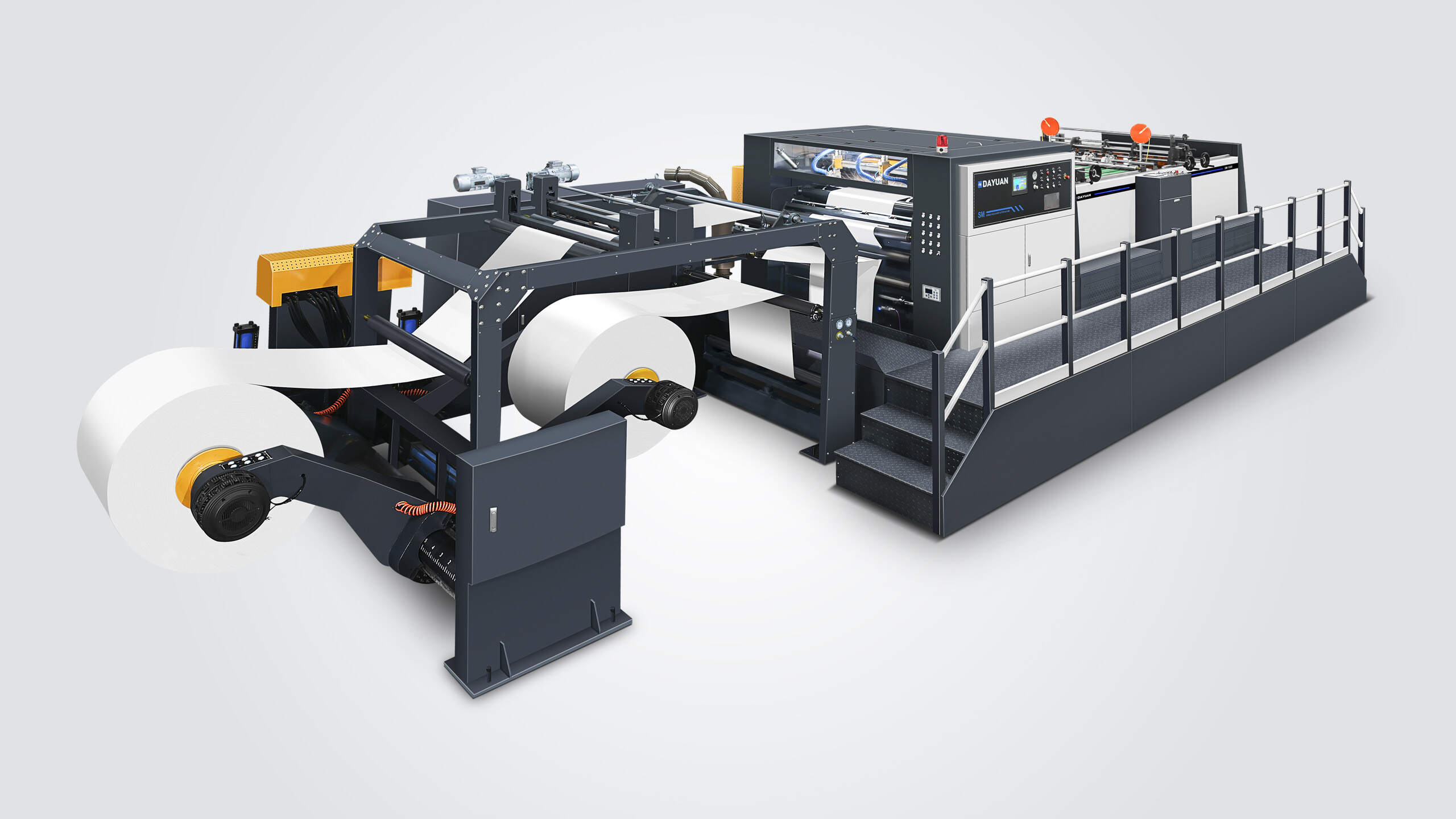
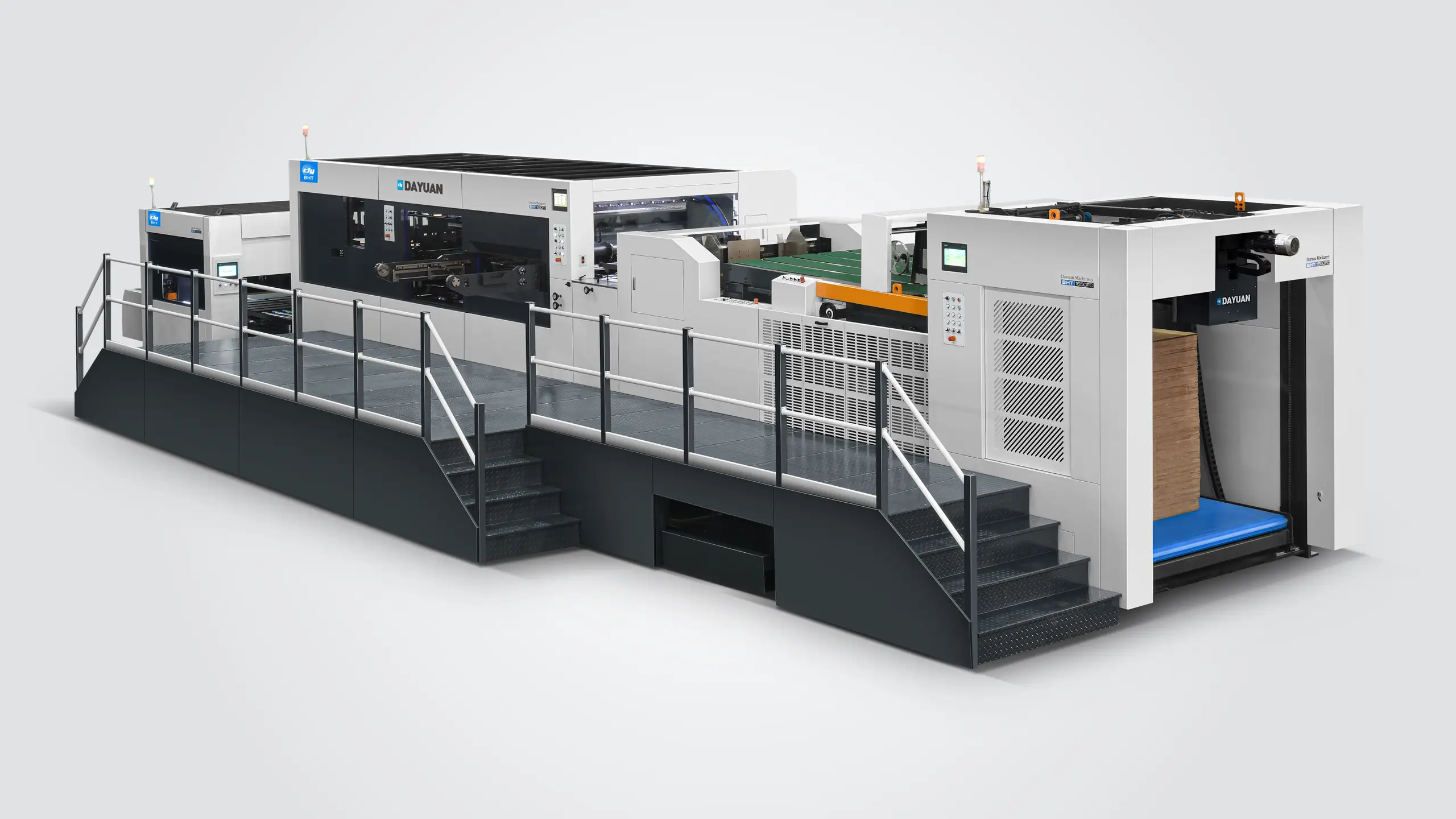
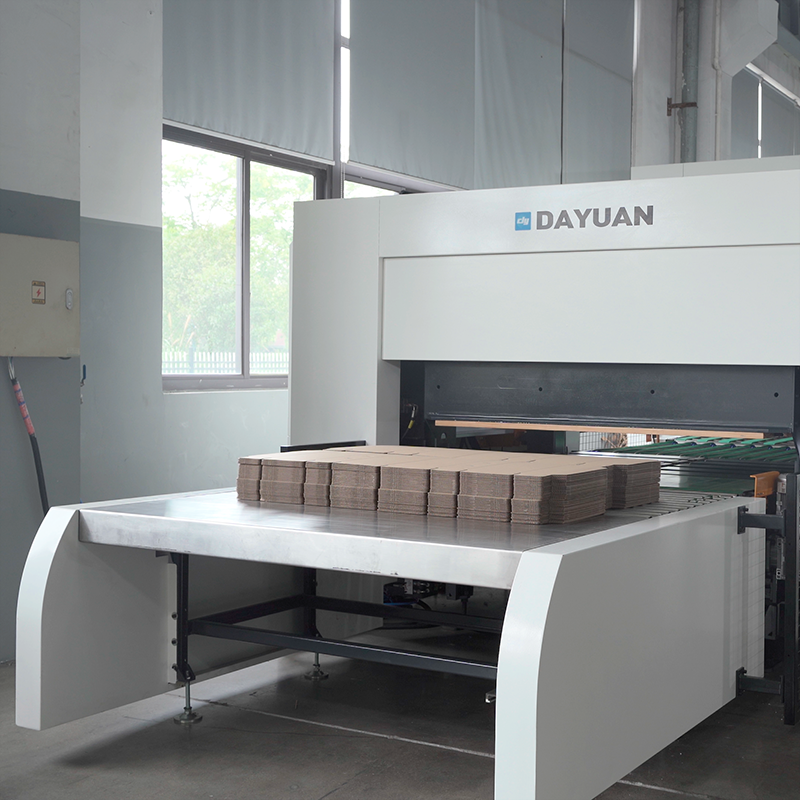
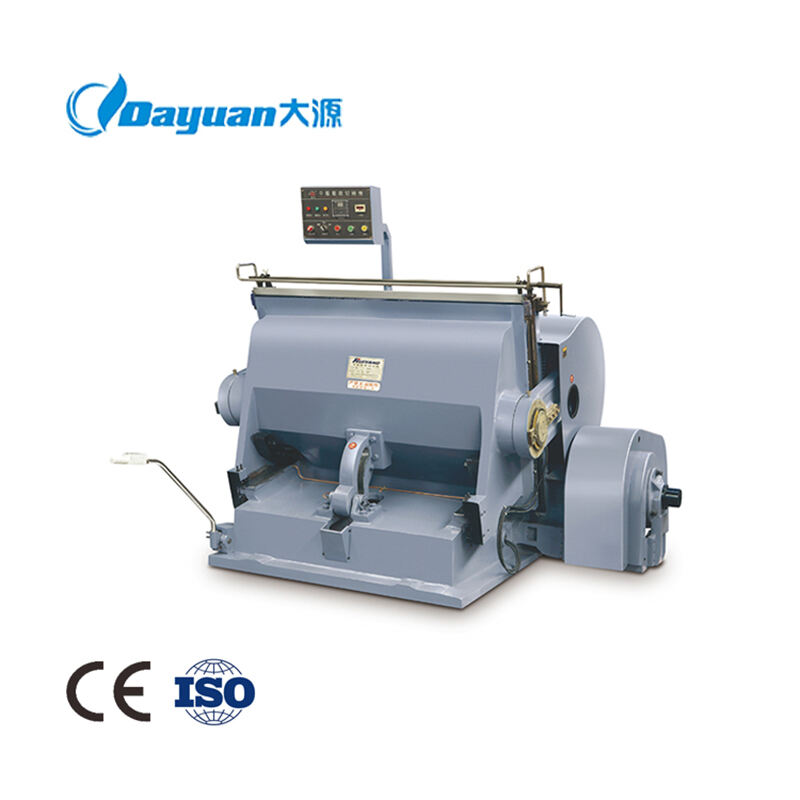
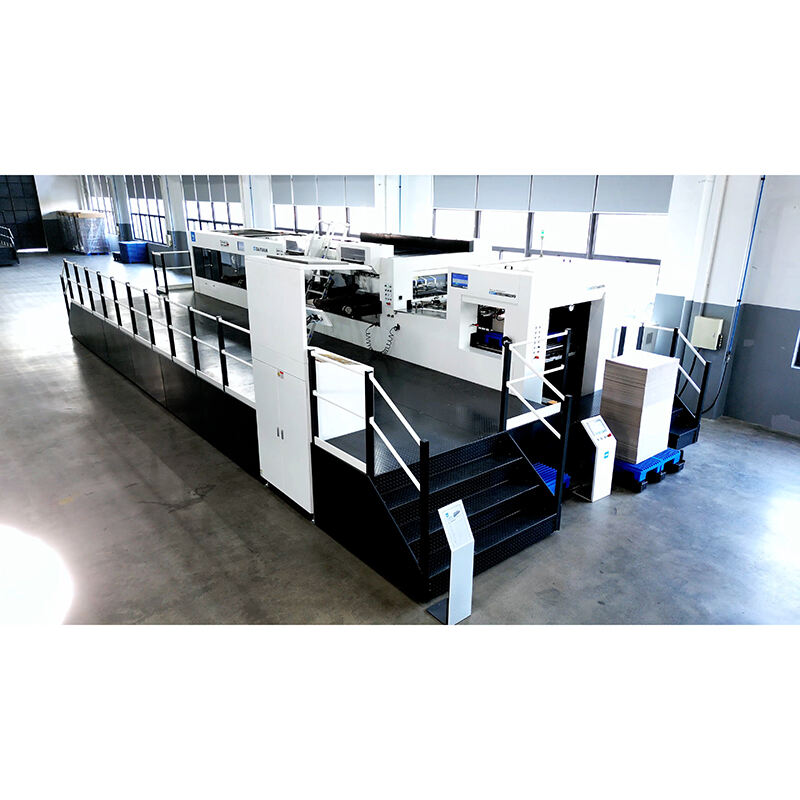
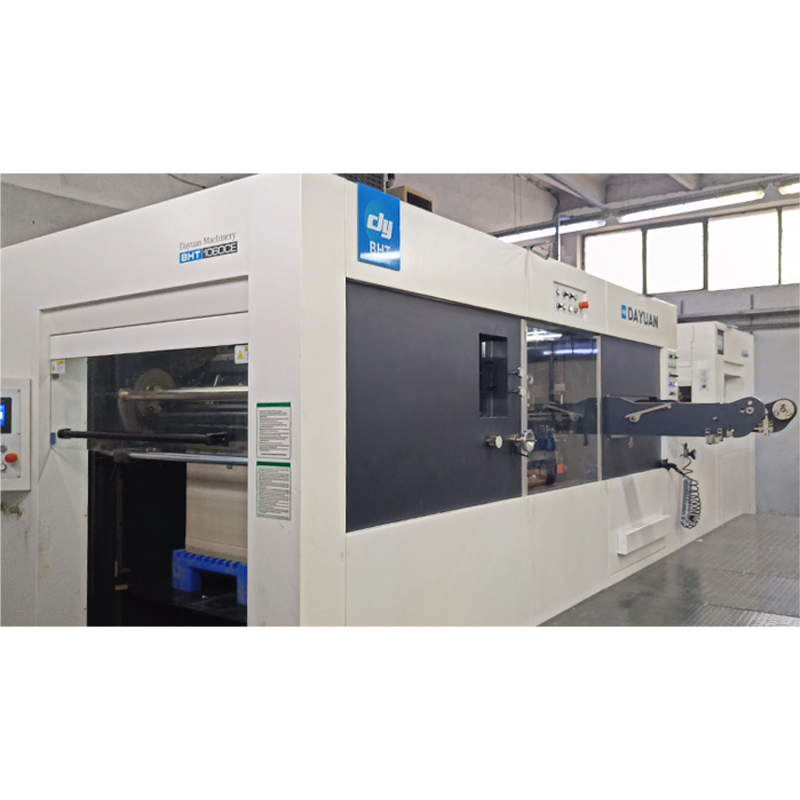
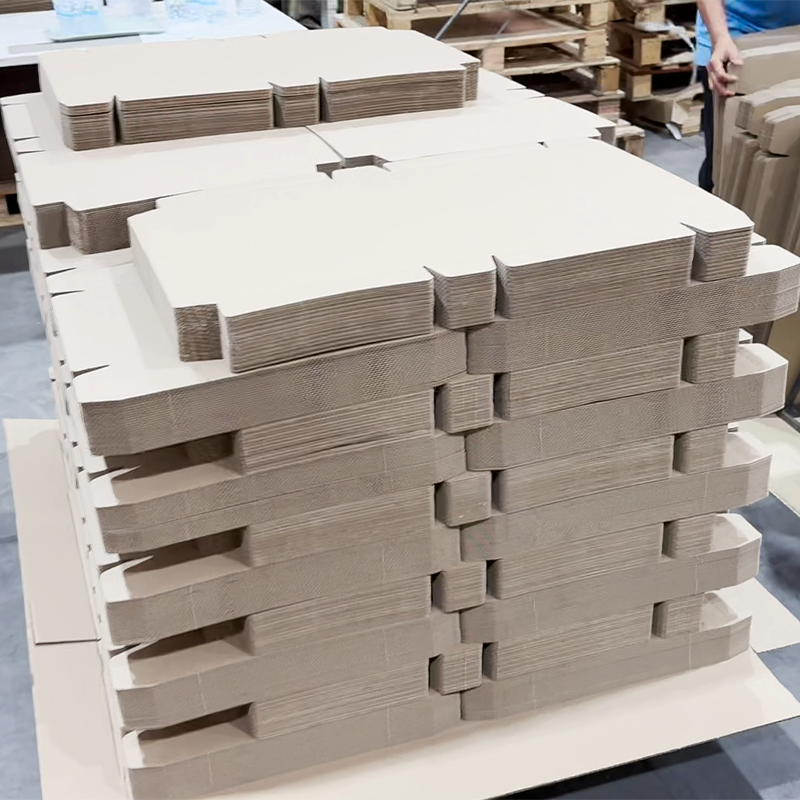
A paper die machine represents a fundamental piece of equipment in modern manufacturing and packaging industries, designed specifically to cut, shape, and form paper materials into precise patterns and designs. This sophisticated machinery operates through a combination of mechanical force and precision tooling to transform flat paper sheets into customized shapes required for various commercial applications. The paper die machine utilizes steel rule dies or rotary cutting mechanisms to achieve clean, accurate cuts consistently across production runs. These machines come in various configurations, including flatbed die cutters, rotary die cutters, and digital cutting systems, each suited to different production volumes and material specifications. The core function of a paper die machine involves positioning paper material beneath or around a cutting die, then applying controlled pressure to execute the cutting operation. Modern paper die machines incorporate advanced features such as programmable logic controllers, servo-driven motors, and computerized positioning systems that ensure repeatability and precision. The technological features of contemporary paper die machines include automatic feeding systems that streamline material handling, waste removal mechanisms that maintain operational efficiency, and safety interlocks that protect operators during production cycles. Many models offer adjustable cutting pressure, variable speed controls, and quick-change die systems that facilitate rapid transitions between different production jobs. The applications of paper die machines span numerous industries including packaging production, label manufacturing, greeting card creation, commercial printing, and specialty paper goods fabrication. These machines process various paper weights ranging from lightweight tissue papers to heavy cardstock and corrugated materials. In packaging operations, paper die machines create custom boxes, cartons, and protective inserts with intricate designs and precise folding lines. The versatility of paper die machines makes them indispensable tools for businesses requiring consistent, high-quality paper cutting operations while maintaining cost-effective production standards and meeting demanding delivery schedules in competitive market environments.

New Products

Investing in a paper die machine delivers substantial operational benefits that directly impact your business productivity and profitability. First and foremost, these machines dramatically increase production speed compared to manual cutting methods, enabling your facility to process hundreds or thousands of pieces per hour depending on the model and complexity of cuts. This acceleration in output means you can fulfill larger orders, meet tight deadlines, and accept more projects without expanding your workforce. The precision offered by paper die machines eliminates the inconsistencies inherent in hand-cutting operations, ensuring every piece matches exact specifications with tolerances measured in fractions of millimeters. This accuracy reduces material waste significantly since mistakes and miscuts become rare occurrences rather than regular production challenges. Your customers receive uniform products every time, which strengthens your reputation for quality and reliability in the marketplace. The consistency of automated cutting also means less time spent on quality control inspections and fewer rejected pieces that drain resources and profit margins. Paper die machines reduce labor costs substantially by automating tasks that would otherwise require multiple workers using scissors, knives, or manual cutting tools. One operator can supervise a paper die machine handling work that might otherwise need three or four people, allowing you to reallocate human resources to other value-added activities within your operation. The repeatability of these machines means new employees can achieve professional results quickly after basic training, reducing the skill gap and making workforce management more flexible. Modern paper die machines operate with enhanced safety features that protect workers from cutting hazards, reducing workplace injuries and the associated costs of medical treatment and lost productivity. The machines also enable you to take on more complex projects featuring intricate designs, perforations, creasing, and embossing that would be impractical or impossible to achieve manually. This capability expansion opens new revenue streams and allows you to serve diverse customer needs within a single production platform. Energy-efficient motors and optimized mechanical systems in contemporary paper die machines keep operational costs manageable while maintaining high performance levels. The durability and robust construction of quality paper die machines mean your investment provides value for many years with proper maintenance, delivering strong return on investment through sustained productivity gains and competitive advantages in your market sector.

Latest News

How to Choose a Flatbed Die Cutter for Thick Materials

13

Mar

How to Choose a Flatbed Die Cutter for Thick Materials

Understanding Industrial Die Cutting Excellence The world of industrial die cutting has evolved significantly, with flatbed die cutters emerging as essential tools for businesses handling thick materials. These robust machines combine precision, powe...
View More
How Does a 98,000㎡ Manufacturing Facility Ensure the Reliability of Paper Cutter Machines?

18

Mar

How Does a 98,000㎡ Manufacturing Facility Ensure the Reliability of Paper Cutter Machines?

Manufacturing excellence in the paper processing industry requires precise equipment and rigorous quality control measures. Large-scale production facilities spanning 98,000 square meters face unique challenges when ensuring the reliability of paper ...
View More
How Do You Select the Right Paper Die Cutting Machine for Folding Cartons vs. Corrugated Board?

02

Apr

How Do You Select the Right Paper Die Cutting Machine for Folding Cartons vs. Corrugated Board?

Selecting the right paper die cutting machine for different packaging applications requires understanding the fundamental differences between folding carton and corrugated board production requirements. The choice between these substrate types direct...
View More
What Patented Technologies Should You Look for in a High-Performance Paper Die Cutting Machine?

02

Apr

What Patented Technologies Should You Look for in a High-Performance Paper Die Cutting Machine?

When investing in a high-performance paper die cutting machine for industrial production, understanding the patented technologies that differentiate premium equipment from standard alternatives becomes crucial for making informed purchasing decisions...
View More

Get a Free Quote

Our representative will contact you soon.
Email
Name
Company Name
Required Product
Message
0/1000

paper die machine

Advanced Precision Engineering for Flawless Results

Advanced Precision Engineering for Flawless Results

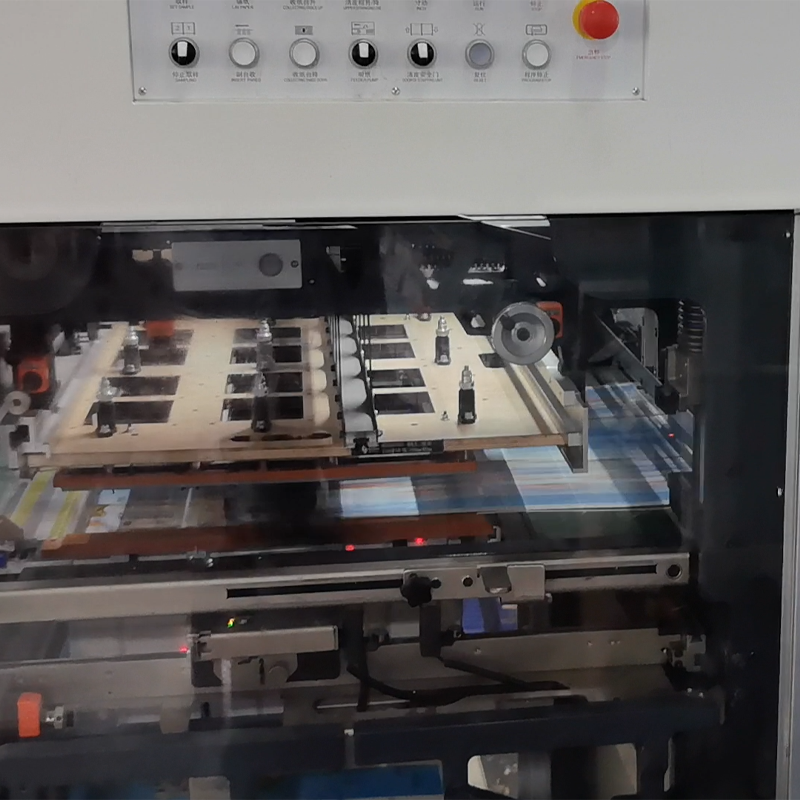
The precision engineering incorporated into modern paper die machines represents a significant technological advancement that transforms how businesses approach paper cutting operations. At the heart of this precision lies sophisticated alignment systems that ensure paper materials position exactly where needed before each cutting cycle begins. These systems employ optical sensors, mechanical guides, and computerized controls working in concert to achieve positioning accuracy that human operators simply cannot match consistently. The cutting dies themselves are manufactured to exacting tolerances using hardened steel rules ground to precise heights and angles, ensuring clean cuts through various paper densities without tearing, crushing, or distorting the material. The pressure application systems in quality paper die machines distribute force evenly across the entire cutting surface, eliminating the weak cuts or incomplete separations that plague inferior equipment. This uniform pressure delivery is achieved through precision-machined platens, hydraulic systems with pressure sensors, and mechanical linkages engineered to minimize deflection under load. Many advanced paper die machines feature micro-adjustable pressure controls that allow operators to fine-tune cutting force for different paper weights and types, optimizing results for everything from delicate tissue to rigid chipboard. The registration systems ensure that printed materials align perfectly with cutting patterns, critical for applications where cut lines must follow printed designs with minimal borders or margins. Modern paper die machines maintain their precision across thousands of cutting cycles through robust construction using industrial-grade components that resist wear and maintain dimensional stability. Ball bearing assemblies, hardened guide rails, and precision ground surfaces ensure smooth, consistent motion throughout the operational life of the equipment. Temperature compensation features in premium models account for thermal expansion that might affect accuracy during extended production runs. The result of this precision engineering is dramatic waste reduction, as materials are used efficiently without excessive trim or rejected pieces. Customers benefit from products that meet exact specifications every time, eliminating complaints about dimensional variations or misaligned features. This reliability strengthens business relationships and encourages repeat orders. For businesses operating in competitive markets, the precision of a paper die machine becomes a differentiating factor that justifies premium pricing and attracts quality-conscious clients who understand the value of consistency and accuracy in their paper products.
Versatile Production Capabilities Across Multiple Applications

Versatile Production Capabilities Across Multiple Applications

The remarkable versatility of paper die machines makes them valuable assets for businesses serving diverse markets and producing varied product lines. Unlike specialized equipment limited to narrow applications, a well-designed paper die machine adapts to numerous production requirements through changeable dies and adjustable settings. This flexibility means a single machine can produce packaging boxes in the morning, switch to label cutting in the afternoon, and handle greeting card production the next day without requiring extensive reconfiguration or specialized technical knowledge. The ability to accommodate different paper weights and materials expands the range of projects your business can undertake profitably. Lightweight papers used in tissue products, standard weights for office documents and mailers, medium weights for greeting cards and invitations, and heavy stocks for packaging and presentation folders all process effectively on versatile paper die machines. Some models handle corrugated cardboard, chipboard, and laminated materials, further broadening application possibilities. The die changing systems on modern paper die machines facilitate rapid transitions between jobs, with magnetic mounting, quick-release mechanisms, or automated die storage systems reducing changeover time from hours to minutes. This efficiency allows economical production of smaller batch sizes, making custom orders and short runs financially viable where they might otherwise require minimum quantities that discourage potential customers. Paper die machines equipped with multiple operation capabilities perform cutting, creasing, perforating, and embossing in single passes through the machine. These combined functions eliminate the need for separate processing steps and additional equipment, saving floor space, reducing material handling, and streamlining workflow. The creasing function creates precise fold lines in packaging and presentation materials, ensuring clean, professional folds that enhance product appearance and functionality. Perforation capabilities add tear lines for easy opening features in packaging or separation points in forms and tickets. Embossing creates raised designs that add tactile interest and perceived value to premium products. Digital integration in contemporary paper die machines allows importing designs directly from computer systems, supporting print-on-demand and personalization trends in modern marketing. This connectivity enables businesses to offer customized products economically, tapping into growing consumer demand for personalized items. The scalability of paper die machines means businesses can start with models suited to current production volumes and upgrade to higher-capacity systems as demand grows, protecting initial investments while supporting business expansion strategies. This versatility ensures that your paper die machine remains a productive asset across changing market conditions and evolving customer requirements, delivering ongoing value throughout its operational lifespan.
Enhanced Operational Efficiency and Cost Management

Enhanced Operational Efficiency and Cost Management

The operational efficiency delivered by paper die machines fundamentally changes the economics of paper product manufacturing, creating competitive advantages that directly impact profitability and business growth potential. At the core of this efficiency lies automation that eliminates repetitive manual tasks, freeing human workers from tedious cutting operations and allowing them to focus on higher-value activities such as quality oversight, customer service, and process improvement initiatives. Automated feeding systems transport paper materials into cutting position without manual handling for each piece, maintaining consistent production flow and reducing the physical demands on operators. These feeding mechanisms employ vacuum suction, mechanical grippers, or friction rollers calibrated to handle specific material characteristics without causing damage or misalignment. The continuous operation capability of paper die machines means production proceeds steadily throughout shifts without the fatigue-related slowdowns inevitable with manual cutting methods. Operators maintain supervisory roles rather than performing physically demanding repetitive motions, resulting in better morale, reduced injury risks, and more sustainable long-term workforce management. Energy efficiency in modern paper die machines contributes to cost management through optimized motor systems that consume power proportional to actual workload rather than running continuously at full capacity. Servo motors and variable frequency drives adjust energy consumption dynamically, reducing electrical costs while maintaining performance. The reduced material waste achieved through precision cutting translates directly to cost savings, as expensive paper stocks are utilized fully without excessive trim or scrap. In high-volume operations, waste reduction of even a few percentage points generates substantial annual savings that help justify equipment investments and improve competitive pricing flexibility. Maintenance requirements for quality paper die machines remain manageable through accessible designs that facilitate routine service tasks and durable construction that extends intervals between major overhauls. Predictive maintenance features in advanced models monitor component wear and operational parameters, alerting operators to potential issues before failures occur, preventing costly unplanned downtime. The faster turnaround times enabled by paper die machines improve cash flow by reducing work-in-process inventory and allowing quicker invoicing after order completion. Customers appreciate shorter lead times, strengthening relationships and increasing the likelihood of repeat business. The ability to accept rush orders without disrupting regular production schedules creates opportunities for premium pricing on expedited work. Space efficiency represents another operational advantage, as paper die machines consolidate multiple functions into single units, reducing the factory footprint required for paper cutting operations compared to manual workstations or multiple specialized pieces of equipment. This consolidation lowers facility costs and creates more organized, manageable production environments. Return on investment calculations for paper die machines typically show payback periods measured in months rather than years when factoring in labor savings, waste reduction, increased capacity, and new business opportunities enabled by enhanced capabilities. These financial benefits make paper die machines sound investments for businesses committed to competitive positioning and sustainable growth in paper product manufacturing sectors.

Get a Free Quote

Our representative will contact you soon.
Email
Name
Company Name
Required Product
Message
0/1000