 EN
EN

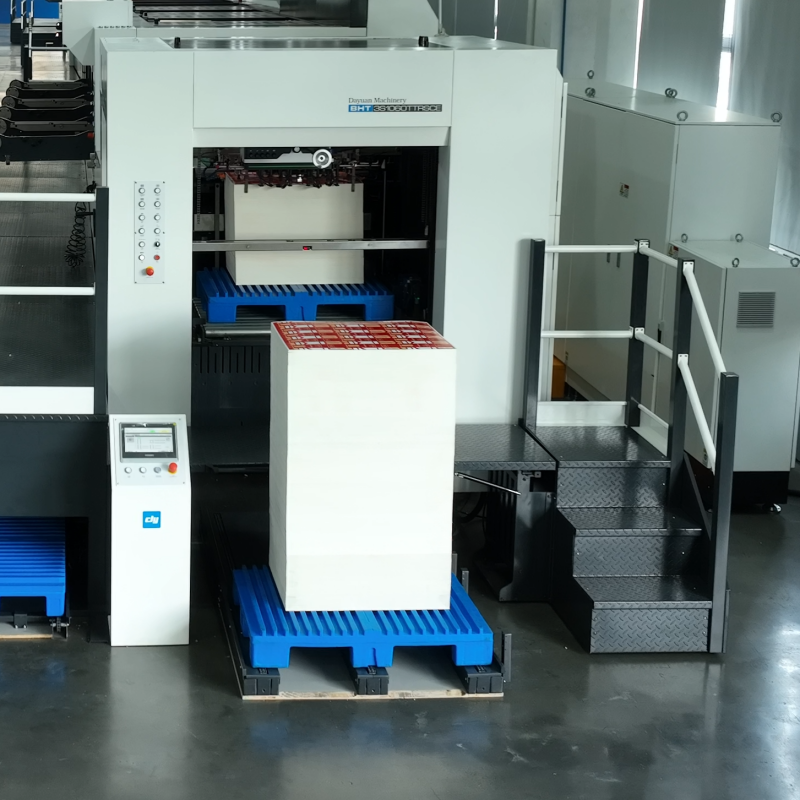
A die cutting machine is a critical asset in any packaging or printing production line. When a die cutting machine operates without a structured maintenance plan, wear accumulates silently until it causes unplanned downtime, poor cut quality, or expensive component failures. Understanding how to maintain your die cutting machine properly is the foundation of consistent, long-term stable operation in any production environment.

This guide covers the essential maintenance practices every operator and maintenance technician should follow. Whether you are working with a manual or automatic die cutting machine, the core principles of preventive care remain consistent. By applying these routines systematically, you protect your investment and ensure the die cutting machine continues delivering precise, repeatable results over its full service life.
Daily and Weekly Maintenance Routines
Cleaning the Die Cutting Machine After Every Shift
One of the most impactful habits you can build around your die cutting machine is thorough cleaning at the end of every production shift. Paper dust, cardboard debris, and adhesive residues collect rapidly inside the die cutting machine frame, on the cutting platen, and around the feed and delivery mechanisms. If left unaddressed, this buildup can interfere with sheet alignment, clog sensors, and accelerate the wear of moving parts.
Use a dry or slightly damp cloth to wipe down all accessible surfaces of the die cutting machine. Pay particular attention to the cutting area, where compacted debris can distort pressure distribution and reduce cut accuracy. For hard-to-reach internal areas of the die cutting machine, use compressed air at a safe pressure level to dislodge particles without damaging sensitive components.
Weekly Inspection of Feed and Delivery Systems
The feed and delivery systems of a die cutting machine are under continuous mechanical stress during production. Each week, inspect the feed rollers, gripper bars, and conveyor belts of the die cutting machine for signs of uneven wear, surface cracking, or misalignment. A die cutting machine with worn gripper bars will produce inconsistent sheet positioning, leading to registration errors and material waste.
Check the tension and alignment of conveyor belts on the die cutting machine and adjust them according to the manufacturer's specifications. Even slight misalignment in the delivery section of the die cutting machine can cause sheet jams or damage finished products. A consistent weekly check prevents these small issues from becoming major production problems.
Lubrication and Mechanical Component Care
Establishing a Lubrication Schedule for the Die Cutting Machine
Lubrication is among the most important maintenance tasks for any die cutting machine. The die cutting machine contains numerous bearings, gears, cams, and sliding guides that require regular lubrication to function smoothly. Without adequate lubrication, friction increases between metal components of the die cutting machine, generating heat and accelerating surface wear.
Consult the technical manual of your die cutting machine to identify every lubrication point and the correct lubricant grade for each. Most automatic die cutting machine models require lubrication of the main drive gear, side frame bearings, and cam followers on a scheduled basis. Set up a written lubrication log for your die cutting machine so that no lubrication point is overlooked between maintenance cycles.
Monitoring Cutting Pressure and Die Condition
The cutting die is a consumable component of the die cutting machine, but its condition directly affects the performance of the entire die cutting machine. A dull or damaged cutting die forces the die cutting machine to work under excessive pressure, stressing the platen, the chase, and the press frame. Inspect the cutting die regularly and replace blades or rules as soon as visible wear or edge deformation appears.
Calibrate the cutting pressure of the die cutting machine according to the material being processed. Over-pressuring the die cutting machine to compensate for a worn die is a common mistake that shortens the service life of the machine frame and platens. Maintaining proper pressure settings on the die cutting machine is both a quality assurance measure and a mechanical protection strategy.
Electrical Systems and Long-Term Stability
Inspecting Electrical Connections and Control Panels
The electrical system of a die cutting machine is as important as its mechanical components. Loose electrical connections, oxidized terminals, or damaged wiring inside the die cutting machine can trigger unpredictable faults, sensor errors, or emergency stops during production. Schedule a monthly inspection of all electrical panels, terminal blocks, and sensor connectors on the die cutting machine.
During inspection, ensure that the control panel of the die cutting machine is clean and free of dust accumulation, which can cause overheating in enclosed electronic enclosures. Verify that all safety interlocks on the die cutting machine function correctly by performing a manual test. A die cutting machine with reliable electrical systems runs more predictably and requires fewer reactive repairs.
Tracking Performance Trends Over Time
Long-term stable operation of a die cutting machine depends not only on individual maintenance tasks but also on tracking performance trends. Keep records of production output, downtime incidents, and maintenance interventions for your die cutting machine over months and years. These records help you identify recurring issues in the die cutting machine before they escalate.
If the die cutting machine begins showing increased vibration, abnormal noise, or rising energy consumption, these are early warning signs that require investigation. Trend-based maintenance allows you to schedule repairs for the die cutting machine during planned downtime rather than reacting to unexpected failures. This proactive mindset is what separates a well-managed die cutting machine from one that disrupts production schedules.
FAQ
How often should I lubricate my die cutting machine?
The lubrication frequency for a die cutting machine depends on its model and production volume, but most manufacturers recommend lubricating key mechanical points of the die cutting machine every 500 to 1000 operating hours. Always refer to the technical manual specific to your die cutting machine for the correct intervals and lubricant types.
What causes a die cutting machine to produce inconsistent cuts?
Inconsistent cuts from a die cutting machine are typically caused by worn cutting rules, incorrect cutting pressure settings, or misaligned feed systems. Regular inspection and calibration of the die cutting machine help prevent these issues. A die cutting machine that is properly maintained will consistently deliver clean, precise cuts across all supported materials.
Can I perform die cutting machine maintenance without a technician?
Many routine maintenance tasks on a die cutting machine, such as cleaning, lubrication, and basic inspections, can be performed by trained operators following the manufacturer's guidelines. However, electrical repairs, mechanical overhauls, and software calibrations on the die cutting machine should be handled by qualified technicians to avoid safety risks and voiding warranties.