 EN
EN

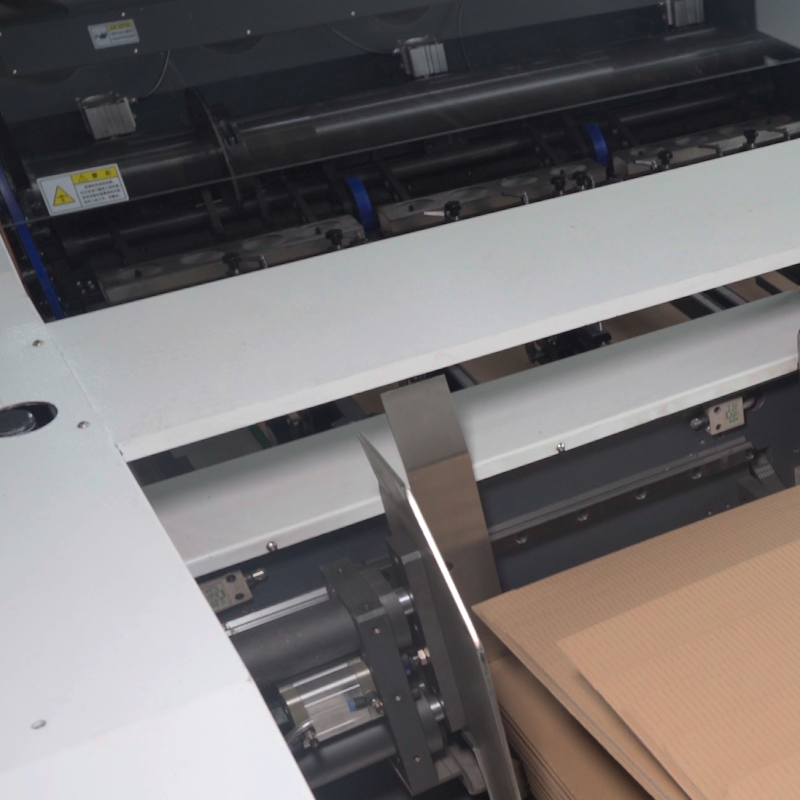
A cut and die machine is one of the most impactful investments a packaging operation can make. Whether you produce folding cartons, corrugated trays, or custom retail boxes, the cut and die machine determines how precisely and consistently each blank is formed. When production demands grow and quality standards tighten, the cut and die machine becomes the operational backbone of a modern packaging line.
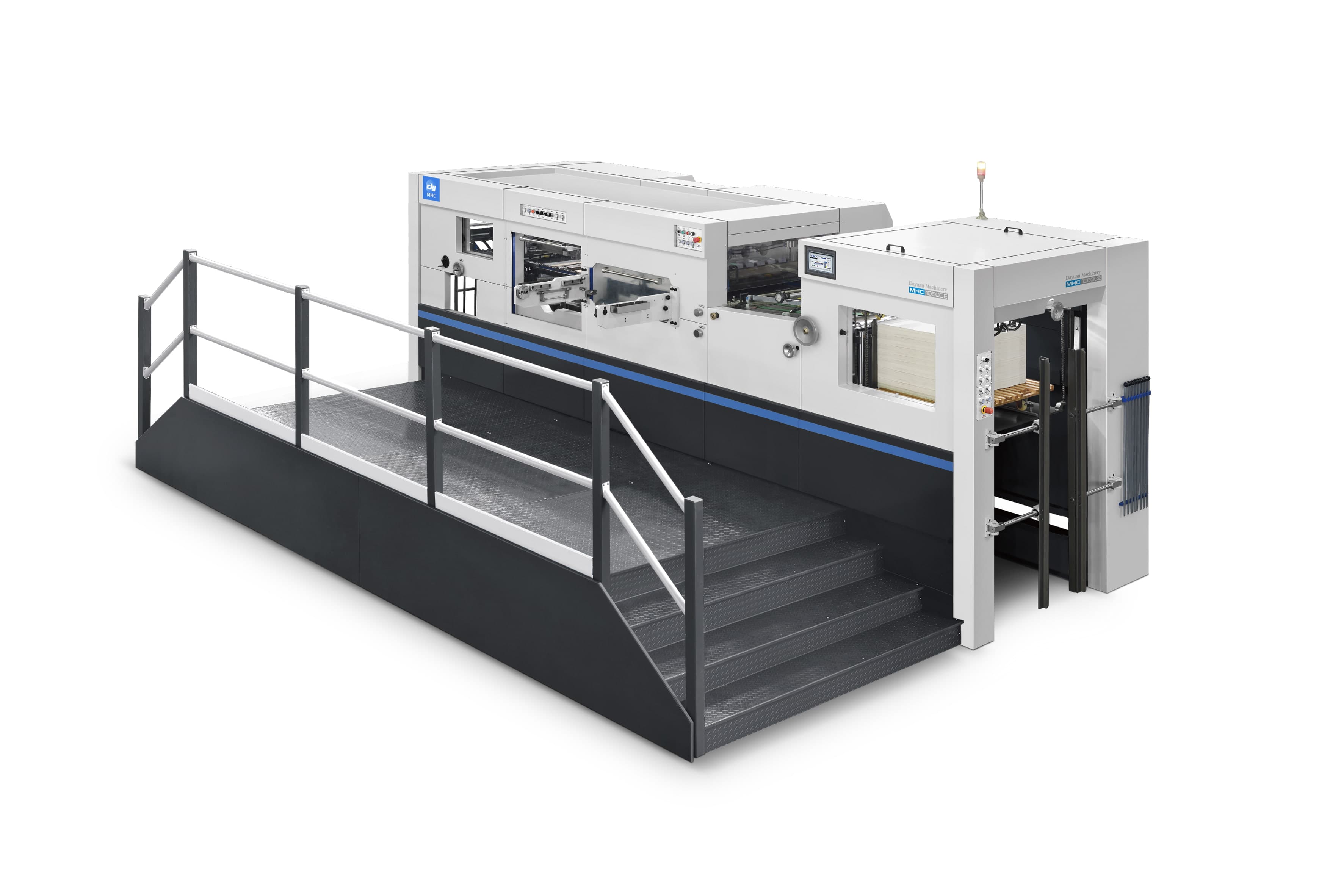
Understanding how a cut and die machine improves your packaging workflow requires looking beyond the machine itself and examining the full production sequence. A cut and die machine affects sheet registration, cutting accuracy, creasing depth, and waste stripping — all in a single automated pass. For packaging professionals seeking tighter tolerances and faster cycle times, deploying the right cut and die machine is a decisive step forward.
Precision and Consistency Across Every Production Run
How a Cut and Die Machine Eliminates Manual Variation
Manual cutting processes introduce human error, inconsistent crease depths, and variable edge quality. A professional cut and die machine replaces these inconsistencies with a repeatable mechanical process. Each time the cut and die machine completes a cycle, the same pressure, the same blade alignment, and the same crease geometry are applied across the entire sheet. This level of repeatability is something no manual process can match at scale.
For packaging lines producing thousands of units per shift, the cut and die machine ensures that the first blank and the ten-thousandth blank are dimensionally identical. This directly reduces downstream assembly errors, adhesive waste, and carton rejection rates. When your cut and die machine delivers consistent output, every stage after it — gluing, folding, and filling — becomes more predictable and efficient.
Cutting Tolerance and Its Impact on Packaging Quality
Tight cutting tolerances are not just a quality metric — they are a commercial requirement in retail and food packaging. A professional cut and die machine maintains tolerances that support clean window patching, precise lock-bottom gluing, and flush edge alignment. When the cut and die machine holds these tolerances run after run, your finished packaging meets buyer specifications without rework. Poor tolerance from an under-specified cut and die machine leads to box failures, retailer chargebacks, and reputational damage that is difficult to recover from.
Workflow Speed and Throughput Optimization
Integrating a Cut and Die Machine Into an Automated Line
A modern cut and die machine is engineered to integrate with upstream feeders and downstream stripping or blanking units. This integration allows the cut and die machine to operate as part of a continuous, automated packaging workflow rather than as an isolated manual station. When sheet feeding, die cutting, creasing, and waste stripping all happen in sequence within one cut and die machine cycle, production throughput increases significantly. Operators spend less time repositioning materials and more time monitoring output quality.
The speed of a professional cut and die machine is measured not just in strokes per hour but in net productive output. A cut and die machine with accurate registration systems and auto-feed mechanisms reduces stop time caused by misfeeds and alignment errors. Over a full production shift, these reductions in downtime translate directly into higher usable output per hour. Packaging managers consistently report that upgrading to a capable cut and die machine reduces effective cost per blank across high-volume orders.
Changeover Efficiency on a Cut and Die Machine
In flexible packaging environments where SKU counts are high, changeover speed on the cut and die machine is critical. A professional cut and die machine designed for quick-change tooling allows operators to swap die sets without extended downtime. When die mounting and locking systems on the cut and die machine are standardized, changeover time drops from hours to minutes. This flexibility makes the cut and die machine suitable not only for long print runs but also for short-run custom packaging where agility matters.
Waste Reduction and Material Efficiency
Stripping Integration in the Cut and Die Machine Process
Waste stripping is a step that many packaging operations treat as separate from the cut and die machine cycle. However, a professional cut and die machine with integrated stripping capability removes nicks, bridges, and skeleton waste in the same pass as the cutting and creasing action. This integrated approach reduces handling steps, lowers labor requirements, and keeps the packaging floor cleaner and safer. When waste is stripped automatically by the cut and die machine, blanks arrive at the gluing or folding station ready for immediate processing.
Material utilization is another area where the cut and die machine directly affects workflow economics. Precise cutting by the cut and die machine means that nesting layouts on the substrate sheet can be tighter, reducing the amount of board or carton stock wasted per job. Over a full year of production, the material savings generated by an accurate cut and die machine can offset a significant portion of the machine's acquisition cost. For operations sourcing expensive specialty substrates, the cut and die machine's precision becomes a direct financial advantage.
Maintenance and Long-Term Workflow Reliability
A well-maintained cut and die machine is the foundation of a reliable packaging workflow. Professional-grade cut and die machine designs include accessible lubrication points, robust platen systems, and wear-resistant guide components that extend service intervals. When the cut and die machine is maintained according to a scheduled plan, unplanned downtime drops and output quality remains stable across seasons and order volumes. Packaging operations that treat the cut and die machine as a long-term production asset rather than a disposable tool see stronger return on investment and fewer workflow disruptions.
FAQ
What substrates can a cut and die machine process?
A professional cut and die machine can process a wide range of substrates including folding boxboard, corrugated board, kraft paper, coated carton stock, and certain plastic sheet materials. The suitability of a specific substrate depends on the platen pressure capacity and tooling design of the cut and die machine. Always verify substrate thickness and density ranges with the machine specification before running new materials.
How often should die tooling on a cut and die machine be replaced?
Die tooling life on a cut and die machine depends on substrate abrasiveness, run volumes, and maintenance practices. Steel rule dies used in a cut and die machine typically last between 500,000 and 1,000,000 impressions under normal conditions. Regular inspection of cutting rules and creasing channels on the cut and die machine helps identify wear before it causes quality degradation or sheet damage.
Can a cut and die machine handle short-run and long-run jobs?
Yes, a modern cut and die machine is designed to handle both short-run custom orders and high-volume long runs efficiently. The key factor is how quickly the cut and die machine can be set up and how precisely repeat registration can be achieved. Professional cut and die machine models with digital registration controls and quick-change tooling systems offer the versatility needed to serve diverse order types without compromising on speed or accuracy.