 EN
EN

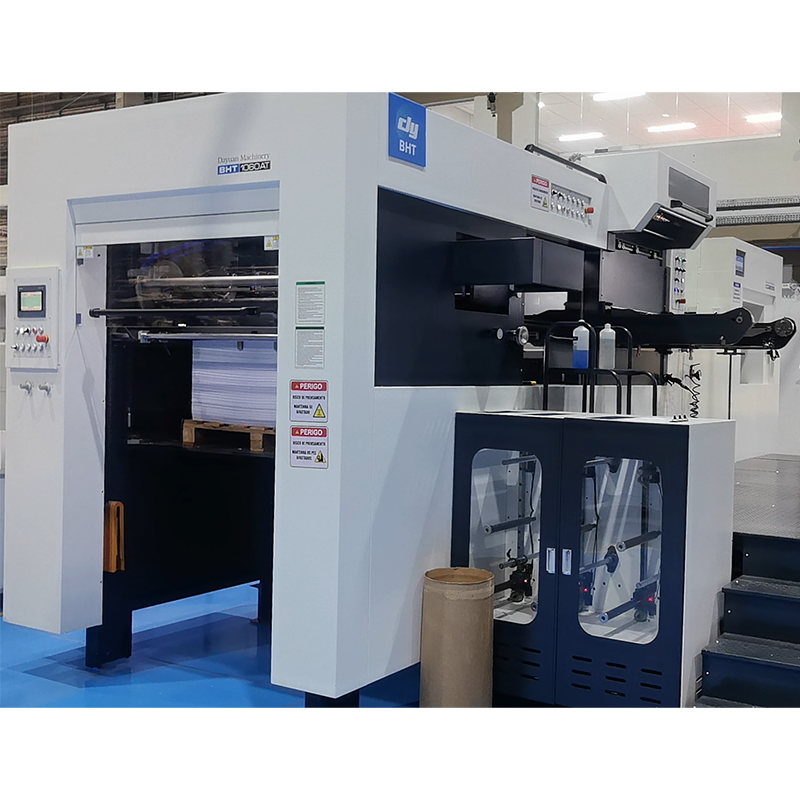
Selecting the right hot foil stamping machine is a decision that directly shapes your production quality, especially when your projects involve intricate patterns, fine lines, or multi-layer foil work. A hot foil stamping machine that performs well on simple single-color jobs may fall short when you introduce tight registration tolerances, detailed graphic elements, or large foil coverage areas. Understanding what separates capable machines from inadequate ones is the first step toward making a confident investment.
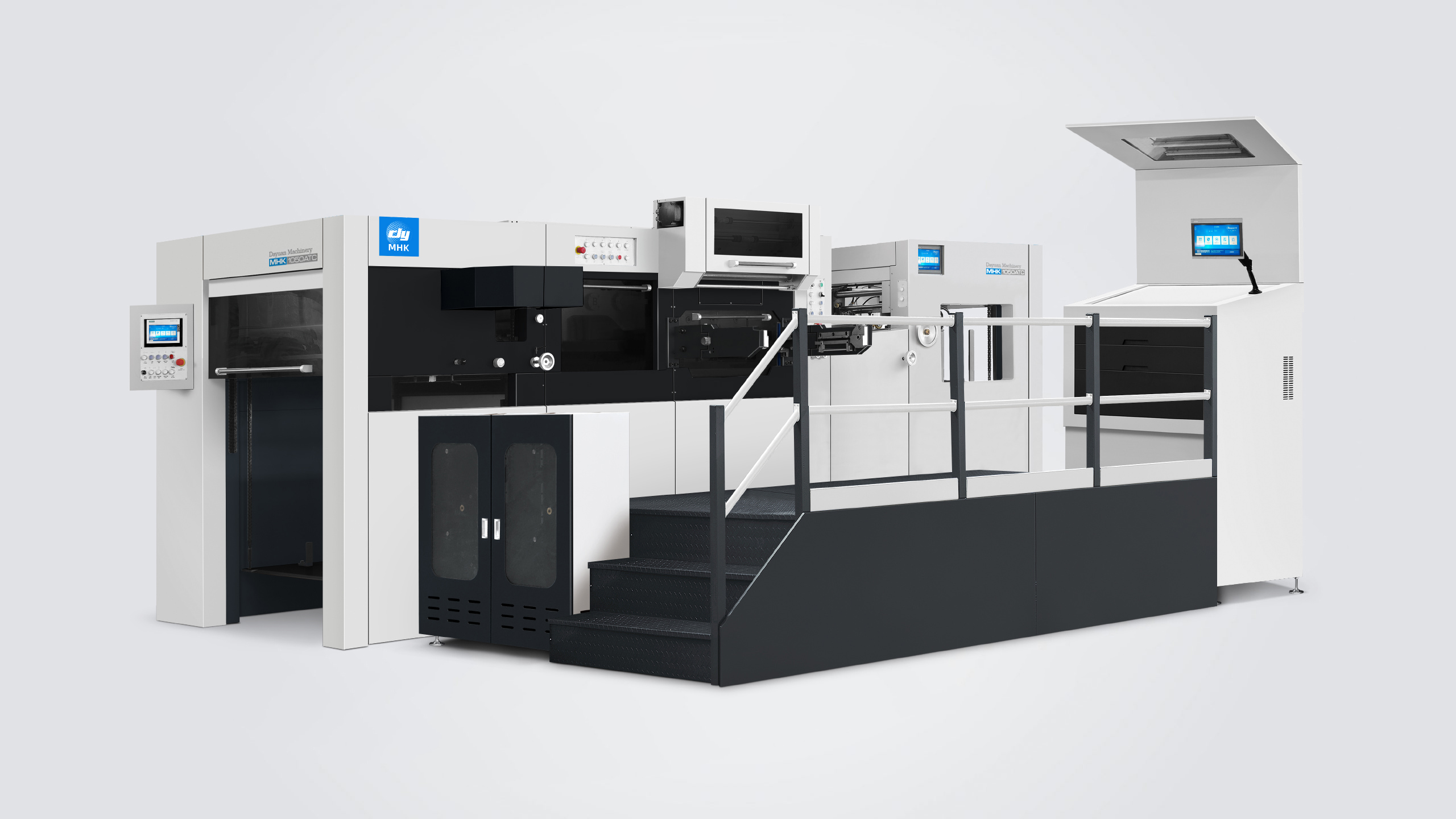
Complex foil designs place extraordinary demands on every component of a hot foil stamping machine. From the precision of the platen movement to the consistency of heat distribution across the die surface, every mechanical variable influences the final output. This guide walks you through the most critical selection criteria, helping you match the capabilities of a hot foil stamping machine to the actual complexity of your design requirements.
Mechanical Precision and Pressure Control
Why Platen Flatness Defines Foil Transfer Quality
The platen system of a hot foil stamping machine is the mechanical foundation of every impression. When foil designs include fine serif typefaces, micro-patterns, or fragile ornamental elements, the platen must deliver perfectly uniform pressure across the entire die surface. Any deviation in flatness causes inconsistent foil adhesion, resulting in patchy transfers or broken fine details. A high-quality hot foil stamping machine uses a precision-ground platen that maintains consistent contact pressure even across large format sheets.
Pressure adjustment capability is equally important when evaluating a hot foil stamping machine for complex work. Different substrate materials, die depths, and foil types require different pressure settings. A hot foil stamping machine with fine-increment pressure adjustment allows operators to dial in exactly the right force for each job without risking substrate damage or foil blowout. For production environments handling diverse design complexities, motorized or servo-controlled pressure systems offer the highest level of repeatability.
Temperature Uniformity Across the Die Surface
Heat consistency is a defining factor when a hot foil stamping machine must reproduce intricate foil designs reliably across a full production run. Uneven heat zones across the stamping plate cause certain areas of the foil to transfer too aggressively while others fail to bond. A hot foil stamping machine designed for complex designs should feature a heating system with multiple independently controlled zones, ensuring that even large dies maintain uniform temperature from edge to center. This precision prevents common defects such as foil lifting, ghosting, or incomplete transfer in detailed areas.
Registration Accuracy and Foil Feed Control
Tight Registration for Multi-Pass Foil Work
Complex foil designs frequently involve multiple stamping passes, where different foil colors or metallic effects are applied in precise alignment with each other or with previously printed graphics. A hot foil stamping machine intended for this type of work must deliver registration accuracy within extremely tight tolerances, typically within fractions of a millimeter. Machines equipped with micro-adjustment registration systems allow operators to correct positional drift between passes without stopping production, which is essential for maintaining output efficiency on a hot foil stamping machine running multi-layer jobs.
Side lay and front lay precision mechanisms on a hot foil stamping machine determine how consistently each sheet is positioned before the impression cycle. For complex designs, even minor sheet-to-sheet variation accumulates into visible misalignment across a job. A hot foil stamping machine with spring-loaded or pneumatic lay systems combined with suction-fed sheet transport provides the positional consistency that complex foil work demands. Evaluating the sheet feeding system is therefore not a secondary concern but a primary capability check when choosing a hot foil stamping machine.
Foil Saver and Foil Feed Precision
Foil economy matters significantly in complex design production because specialty foils carry a high per-meter cost. A hot foil stamping machine equipped with an intelligent foil saver system advances the foil roll only by the exact amount needed for each impression, avoiding waste on non-stamping areas. Beyond cost savings, precise foil feed control on a hot foil stamping machine also ensures that foil tension remains stable throughout the roll, preventing wrinkling or misalignment that would distort fine design details. When evaluating a hot foil stamping machine, always verify the foil feed step accuracy and the maximum number of independent foil tracks the machine supports.
Die Compatibility and Machine Rigidity
Matching Die Construction to Design Complexity
The die used with a hot foil stamping machine is the physical carrier of the design, and its construction quality directly limits how much complexity the final output can achieve. Magnesium dies work for simple text and bold graphics, but complex foil designs with hairline details or photographic textures require brass or copper dies machined to much tighter tolerances. A hot foil stamping machine with a rigid, thermally stable die chase system ensures that precision dies maintain their dimensional accuracy under repeated heat cycling. Choosing a hot foil stamping machine that accepts both standard and custom die formats gives you flexibility to grow your design complexity over time.
Frame Rigidity Under Heavy Stamping Loads
Machine frame rigidity is an often-overlooked selection criterion for a hot foil stamping machine handling complex designs. When stamping large-area foil coverage or applying high impression pressure across intricate dies, any flex in the machine frame introduces inconsistency into the platen contact. A hot foil stamping machine built on a heavy-duty cast iron or welded steel frame resists deflection under load, preserving the precision that complex foil designs require. Operators working with large-format substrates or running high volumes should prioritize frame construction as a core indicator of long-term hot foil stamping machine reliability.
FAQ
What foil types work best with a hot foil stamping machine for complex designs?
Polyester-based metallic foils and holographic foils are most commonly used with a hot foil stamping machine for complex work. These foil types offer fine detail transfer capability when paired with a machine that delivers consistent temperature and pressure. Pigment foils and specialty texture foils require a hot foil stamping machine with precise heat control to avoid smearing or incomplete adhesion on intricate design elements.
How important is automation when choosing a hot foil stamping machine for complex foil designs?
Automation significantly reduces operator-induced variability on a hot foil stamping machine, which is critical for complex foil designs that require consistent pressure, timing, and registration. Fully automatic hot foil stamping machine models offer programmable impression cycles, automated sheet feeding, and real-time parameter monitoring, all of which contribute to higher repeatability on demanding design specifications compared to semi-automatic alternatives.
Can a single hot foil stamping machine handle both simple and complex foil designs?
Yes, a well-specified hot foil stamping machine can handle both design complexity levels when it offers broad adjustment ranges for pressure, temperature, and foil feed speed. A hot foil stamping machine with programmable job memory allows operators to store settings for different design profiles, switching between simple and complex jobs without manual recalibration. Choosing a hot foil stamping machine with this flexibility protects your investment as your production requirements evolve.