 EN
EN

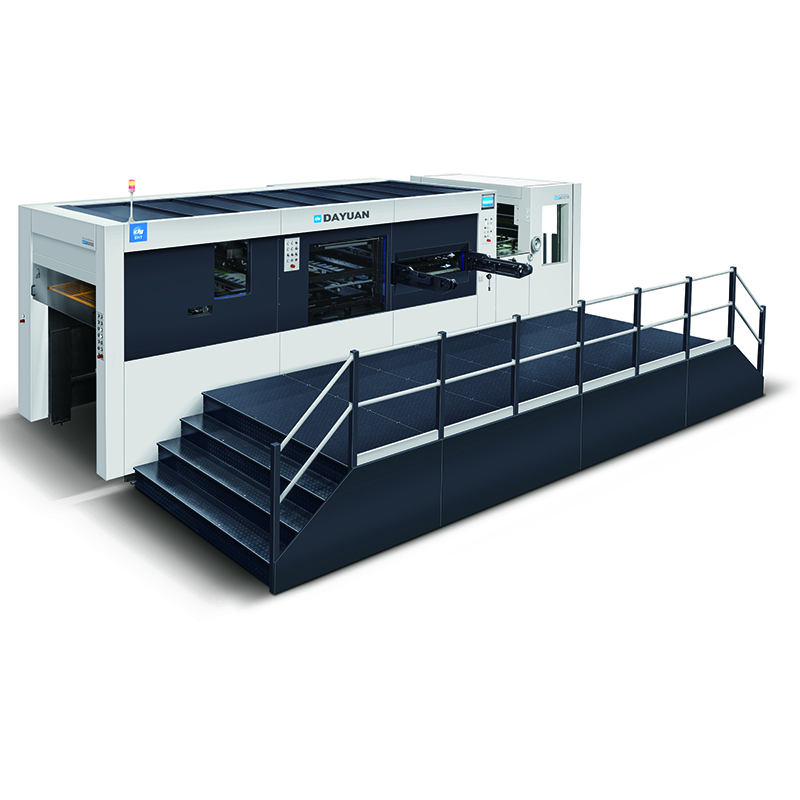
Precision is not a luxury in many manufacturing sectors — it is an absolute requirement. A high-end flatbed die cutter delivers the kind of exacting accuracy that standard cutting equipment simply cannot match. When paperboard structures are complex, decorative finishes are involved, and output quality is non-negotiable, only a high-end flatbed die cutter is fit for the task. Understanding which industries depend on this level of performance helps procurement teams, plant managers, and production engineers make informed equipment decisions.
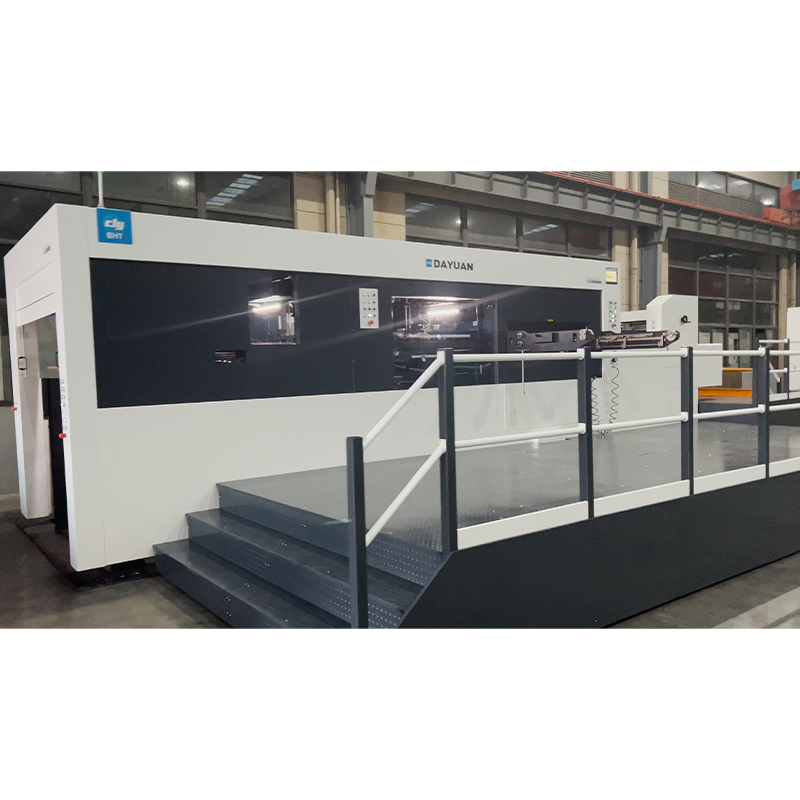
A high-end flatbed die cutter operates with servo-controlled pressure systems, precision-aligned platens, and programmable parameters that allow consistent, repeatable results across high-volume runs of paperboard and thin plastic sheet. Industries that work with fine paper substrates, intricate structural designs, or decorative finishing consistently turn to the high-end flatbed die cutter as their go-to solution. This article explores the key sectors where the high-end flatbed die cutter is not merely preferred but genuinely essential.
Packaging and Luxury Brand Manufacturing
The packaging industry is one of the most demanding users of the high-end flatbed die cutter. Premium folding carton producers work with complex structural designs that require clean, crisp die cuts and perfectly formed fold lines. A high-end flatbed die cutter ensures that every structural line aligns precisely, preventing packaging failures during assembly or transit. Brands in cosmetics, spirits, jewelry, and gourmet food depend on packaging that reflects quality, and that quality starts with the die-cutting and finishing process.
When a brand invests in hot foil stamping or deep embossing (also called emboss or deboss) on a carton, the die-cutting step must match that investment with equal precision. A high-end flatbed die cutter handles these decorated paperboard surfaces without misregistering the foil pattern or flattening an embossed texture. For luxury packaging converters, the high-end flatbed die cutter is a core production asset, not an optional upgrade.
Rigid box manufacturers face a related but distinct challenge. Their paperboard substrates, such as greyboard and heavy duplex board, are thicker and more resistant to conventional cutting pressure. A high-end flatbed die cutter applies controlled, uniform pressure across the entire sheet, which allows rigid box makers to achieve clean edge profiles without crushing the board structure. Some rigid box and retail display applications also incorporate a layer of thin plastic sheet, which the same high-end flatbed die cutter can process alongside paperboard components.
Cosmetics and Retail Display Packaging
Cosmetics brands and retail display producers rely heavily on the decorative capabilities of a high-end flatbed die cutter, not just its cutting accuracy. A single paperboard sheet can move through die cutting, hot foil stamping for a metallic logo, and deep embossing for a raised or recessed texture, all within processes the machine is purpose-built to handle. This combination of structural precision and decorative finishing is why cosmetics packaging converters treat the high-end flatbed die cutter as central equipment rather than a secondary tool.
Waste stripping is the remaining core process that completes this workflow. Once a sheet has been die cut, stamped, or embossed, the high-end flatbed die cutter's waste-stripping stage removes the surrounding scrap material so that finished blanks can move cleanly into the next stage of production. Retail display producers who need crisp window cutouts and clean die-cut edges depend on this stripping accuracy to avoid rejects on finished paperboard displays.
Pharmaceutical Outer Carton Production
Pharmaceutical packaging is governed by strict labeling and structural standards, and the printed outer paper carton is a critical part of ensuring compliance. A high-end flatbed die cutter used for pharmaceutical carton production must deliver consistent, reproducible die cuts and creases that meet packaging line requirements. It is worth being precise about scope here: the machine processes the printed paperboard carton itself, not the medicine, the blister pack, or any other internal packaging component.
Pharmaceutical carton converters depend on the high-end flatbed die cutter for accurate cutting of informational panels and structural fold lines on the outer carton. Any deviation in these structural elements can affect how the carton assembles on a packaging line, so tolerance requirements for this application are unusually tight compared with general commercial printing.
FAQ
What makes a flatbed die cutter "high-end" compared to a standard model?
A high-end flatbed die cutter typically features servo-driven platen control, automated registration systems, and precision pressure adjustment. These capabilities allow it to handle fine paperboard details and decorative finishing that standard models cannot consistently achieve, resulting in higher output quality and reduced waste.
Can a high-end flatbed die cutter handle both cutting and foil stamping in one pass?
Yes, many high-end flatbed die cutter models are designed to perform hot foil stamping and die cutting together, along with deep embossing and waste stripping as needed. This reduces handling time and improves registration accuracy between decorative and structural elements, making it especially valuable for luxury packaging.
What materials can a high-end flatbed die cutter process?
It is built primarily for paperboard, with the added capability of processing thin plastic sheet. It is not designed for electronic components, automotive parts, metal parts, aluminum blister packaging, thick plastic, cloth, nonwoven fabric, gel materials, or foam.
How do I determine if my industry application requires a high-end flatbed die cutter?
If your application involves paperboard structures with tight dimensional tolerances, decorative finishes like foil stamping or embossing, or high-volume precision output, a high-end flatbed die cutter is likely the right investment. Industries like luxury packaging, cosmetics, and pharmaceutical carton printing consistently find that it reduces defect rates and improves production consistency compared with lower-specification equipment.