 EN
EN

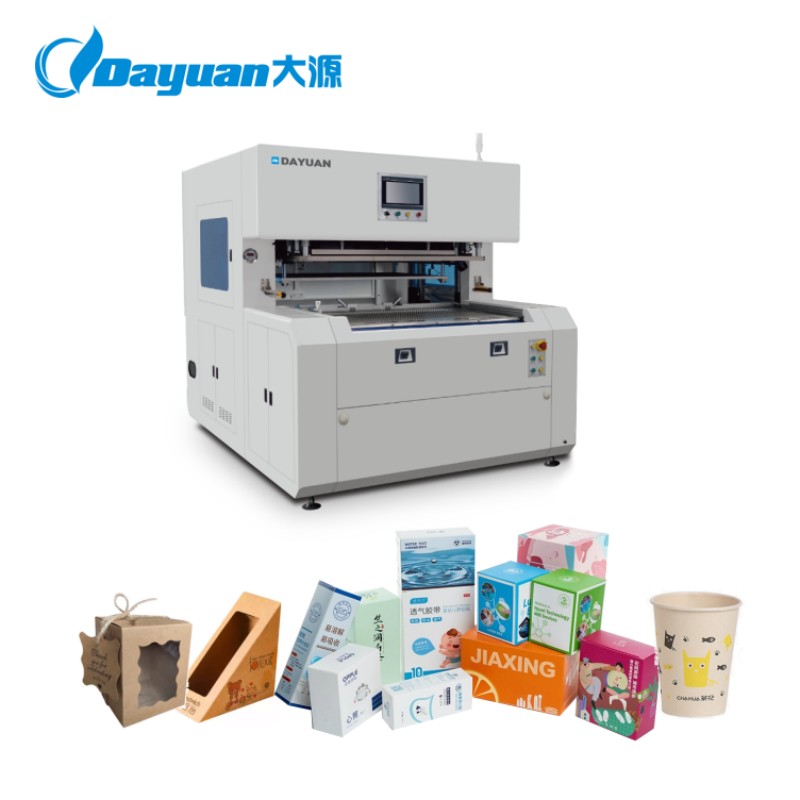
An automated stripping machine is one of the most impactful investments a packaging or print manufacturer can make when looking to improve production line efficiency. By replacing slow, labor-intensive waste removal with fast, precise mechanical action, an automated stripping machine transforms how your facility handles die-cut materials. Whether you produce folding cartons, corrugated sheets, or custom packaging, integrating an automated stripping machine into your workflow can meaningfully reduce labor burden and improve output consistency.
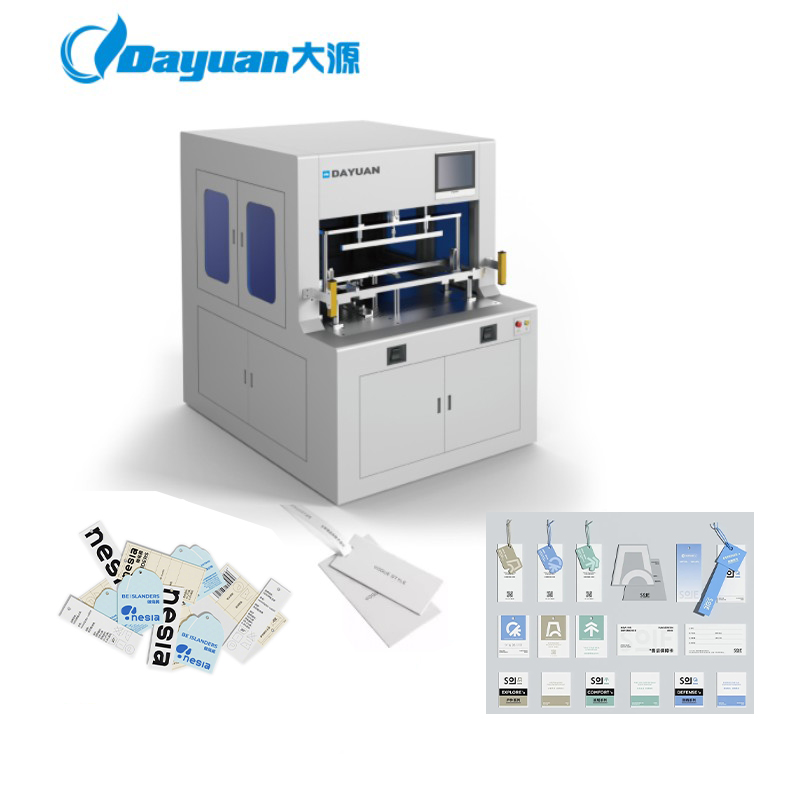
Understanding the Role of an Automated Stripping Machine
At its core, an automated stripping machine removes the waste skeleton and unwanted material left behind after a die-cutting or creasing process. In manual operations, workers must physically push out waste pieces by hand, a process that is slow, inconsistent, and prone to product damage. An automated stripping machine replaces this step with a mechanical system that strips waste using upper and lower tool boards fitted with pins and rubber that guide waste material away while keeping the cut pieces intact.
In most real-world shop layouts, the automated stripping machine is not physically connected to the die-cutter, nor is it typically placed right next to it. Stripping is a distinct downstream station in the workflow: after die-cutting, a worker collects the cut sheets — often a stack roughly waist-to-chest high — and transports the stack to the stripping station. There, an operator loads the material onto the automated stripping machine, either by hand or with the help of a feeder unit, in smaller sub-stacks of a thickness that can be comfortably handled — roughly a hand's grip worth of sheets at a time. This staged, batch-based handling is the normal way stripping work is organized, rather than a continuous connected line.
Key Components That Define Automated Stripping Machine Performance
The performance of an automated stripping machine depends heavily on tooling precision and how well the paper stack is prepared before feeding. High-quality automated stripping machine models use hardened steel tool plates with accurate pin placement to ensure each stroke clears waste completely. Because the machine processes a stack of sheets rather than a single continuously fed sheet, consistent, well-aligned stacking before loading is critical — the automated stripping machine cannot perform a clean stripping stroke on a stack that isn't squared up. Speed rating, sheet size compatibility, and tooling accuracy are the key specifications to evaluate when selecting an automated stripping machine for your line.
Positioning and Workflow Around the Automated Stripping Machine
Before introducing an automated stripping machine, map your existing production flow to identify where manual stripping currently creates delays or quality issues — these points indicate where an automated stripping machine will deliver the greatest return. Because the automated stripping machine operates independently rather than in line with the die-cutter, there is no requirement to place it immediately adjacent to the die-cutting station, and doing so purely to shorten paper transport is not standard practice. Facility layout should instead prioritize logical workflow, floor space, and operator access to both machines.
There is also no need to match the running speed of the automated stripping machine to that of the die-cutter, and no need to engineer either machine to start and stop in
Stack Preparation and Feeding for the Automated Stripping Machine
Correct stack preparation is one of the most important factors in getting good results from an automated stripping machine. After die-cutting, sheets must be collected and squared into a neat, evenly aligned stack before being brought to the stripping station. Workers then load the automated stripping machine either manually or with the assistance of a feeder unit, typically in smaller sub-stacks rather than the full collected stack at once.
If the paper stack is not neatly squared and aligned before loading, the automated stripping machine cannot perform the stripping action correctly. Worse, feeding a misaligned or skewed stack can cause the machine to process waste that has shifted out of position, which risks damaging both the paper and the stripping tooling itself. Careful stack handling before and during loading is therefore not optional — it directly determines whether the automated stripping machine can run safely and effectively.
Tooling setup also matters: each job requires an upper stripping board and lower counter board that correspond precisely to the die-cutting layout. Poorly made or misaligned tooling causes an automated stripping machine to leave waste attached or damage the finished blanks. Always verify a new tool set on a small trial batch before committing to a full production run.
Maintenance Practices That Keep an Automated Stripping Machine Running Efficiently
A well-maintained automated stripping machine sustains reliable performance across many production cycles. Establish a routine that includes regular cleaning of waste chutes, inspection of pin boards, and periodic checks of drive mechanisms and lubrication points. Waste debris that accumulates inside an automated stripping machine can cause jams and accelerate wear on mechanical components.
Keep a set of spare pins, rubber ejectors, and wear parts on hand so that minor repairs can be completed during planned breaks rather than during production runs. Tracking the performance history of your automated stripping machine helps identify patterns that signal when preventive maintenance or tooling replacement is needed.
Measuring the Impact of an Automated Stripping Machine on Output
To quantify the benefit of an automated stripping machine, measure output before and after installation using metrics such as stacks processed per shift, defect rate, and labor hours previously spent on manual stripping. Because the automated stripping machine's own cycle rate is limited, realistic productivity gains should be evaluated against manual stripping throughput and labor savings — not against die-cutter speed. The machine also reduces physical strain on operators, which contributes to lower absenteeism and more consistent quality over extended shifts.
Quality consistency is another area where an automated stripping machine delivers clear value, provided stacks are properly prepared before feeding. Because each stroke applies uniform force and follows the same mechanical path, the variation seen in manual stripping is reduced — as long as the input stack is squared and aligned. Fewer rejects mean less material waste and lower rework costs.
FAQ
What materials can an automated stripping machine handle?
An automated stripping machine is primarily used for cardstock/paperboard, and can also handle greyboard and PVC board. It can process corrugated board (E-flute and F-flute), but corrugated material requires special handling: because the stripping pins can slightly flatten the corrugated flutes, a custom-shaped wooden support board is placed under the stack to help distribute pressure evenly. This added preparation step increases production cost and further reduces processing speed, so it should be factored into planning when running corrugated jobs.
How is material fed into an automated stripping machine?
After die-cutting, workers collect the cut sheets into a stack and transport it to the stripping station. The stack is then loaded onto the automated stripping machine — either by hand or with the aid of a feeder — in smaller batches of a thickness that can be comfortably handled at one time (roughly what a hand can grip). The stack must be neatly squared before loading; an unaligned stack can prevent proper stripping or cause damage to both paper and equipment.
Can a small production facility benefit from an automated stripping machine?
Yes. Even smaller facilities running lower volumes can benefit from an automated stripping machine because the consistency and labor savings apply regardless of run length. Since the machine operates as an independent station rather than requiring integration with a die-cutter, it can be adopted without major changes to existing line layout.
Table of Contents
- Understanding the Role of an Automated Stripping Machine
- Key Components That Define Automated Stripping Machine Performance
- Positioning and Workflow Around the Automated Stripping Machine
- Stack Preparation and Feeding for the Automated Stripping Machine
- Maintenance Practices That Keep an Automated Stripping Machine Running Efficiently
- Measuring the Impact of an Automated Stripping Machine on Output
- FAQ