Versatile Substrate Compatibility and Application Flexibility for Diverse Production Needs
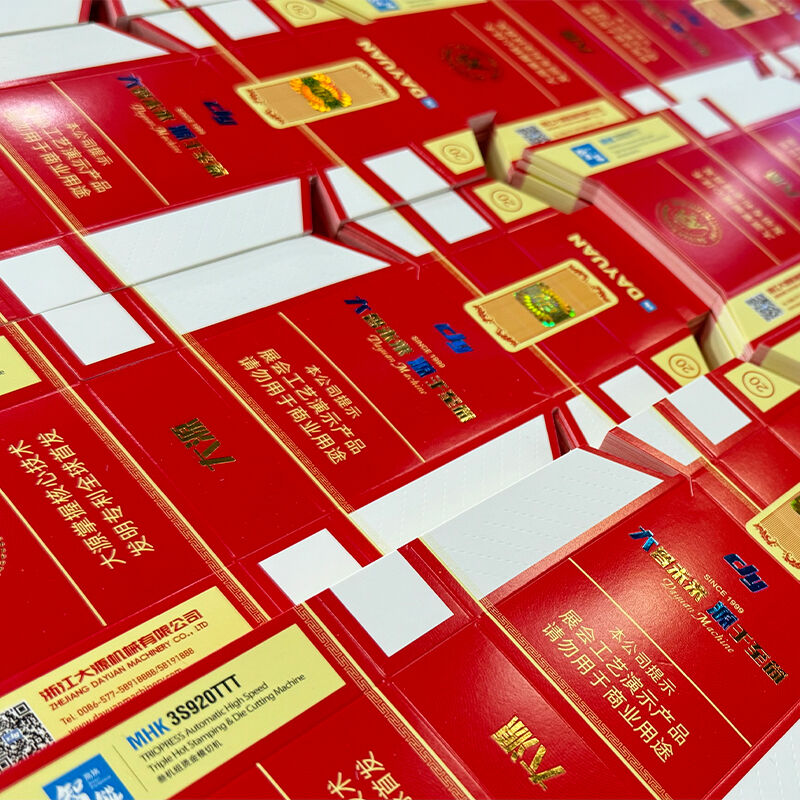
Machine hot foil technology demonstrates remarkable adaptability across an extensive range of substrate materials and product configurations, making it an ideal solution for manufacturers with diverse production requirements or businesses seeking to expand their service offerings. The process works effectively on coated and uncoated papers, from lightweight stocks used in greeting cards to heavy board materials required for rigid packaging and presentation folders. Plastic substrates including PVC, PET, polypropylene, and polystyrene accept hot foil impressions readily, enabling decoration of bottles, containers, electronic housings, and promotional items without surface pretreatment in most cases. Leather goods, both genuine and synthetic, benefit from machine hot foil applications that create permanent decorative elements and branding on wallets, bags, belts, and upholstery without the limitations of embossing alone. Textile applications have expanded significantly, with specialized machine hot foil systems now decorating garments, promotional apparel, and fabric accessories with durable metallic designs that withstand washing and wearing. Wood products accept hot foil stamping beautifully, allowing furniture manufacturers, craftspeople, and specialty producers to add elegant details to frames, boxes, instruments, and decorative items. The temperature and pressure parameters adjust easily to accommodate different material characteristics, ensuring optimal adhesion and appearance across this broad substrate range. Beyond flat surface applications, machine hot foil technology extends to cylindrical objects through specialized fixtures and rotary systems, enabling decoration of tubes, bottles, pens, and other round products with continuous or spot designs. Multi-level surfaces and slightly textured substrates also work successfully with properly configured machine hot foil equipment, expanding creative possibilities for product designers and brand managers. The technology supports both full-coverage applications and intricate spot details within the same production setup, providing design flexibility that adapts to changing market trends and customer preferences. This substrate versatility translates directly into business advantages, allowing operators to serve multiple industries and client types without maintaining separate equipment for each material category, maximizing return on investment while minimizing facility space requirements and operator training needs.
 EN
EN