Exceptional Material Compatibility and Versatile Application Range
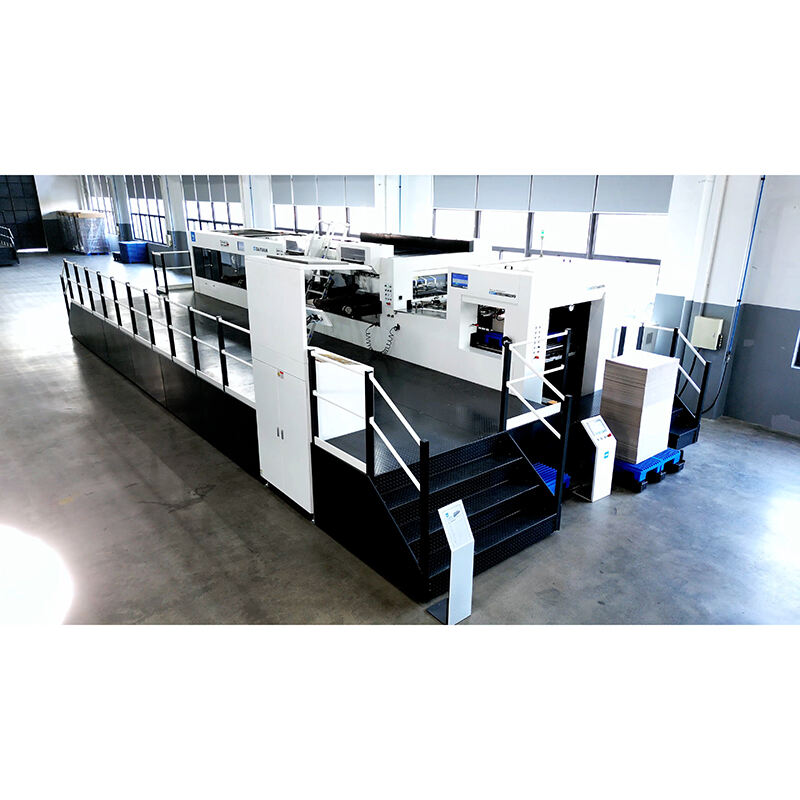
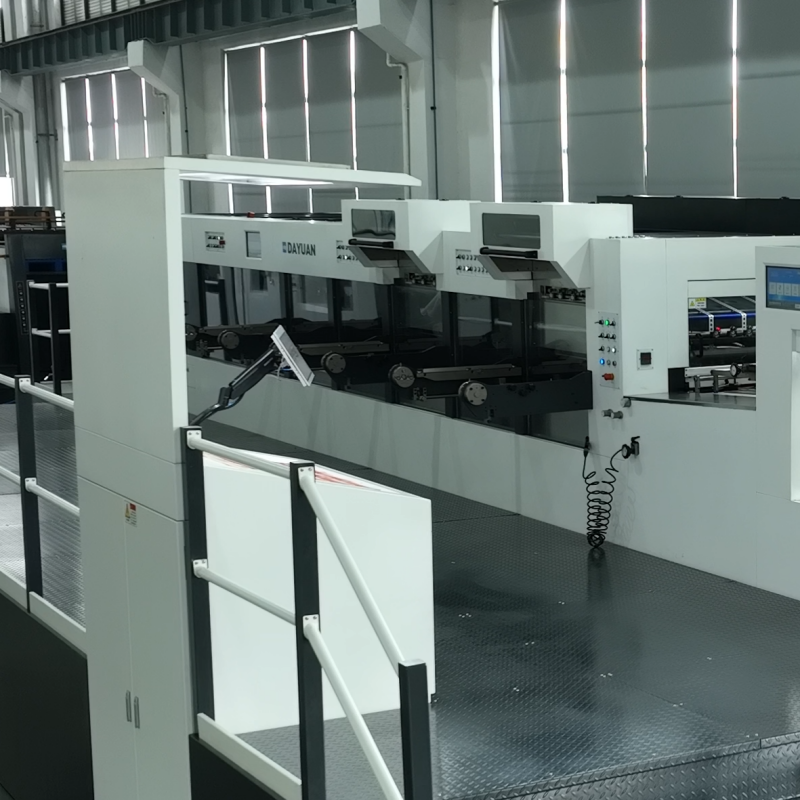
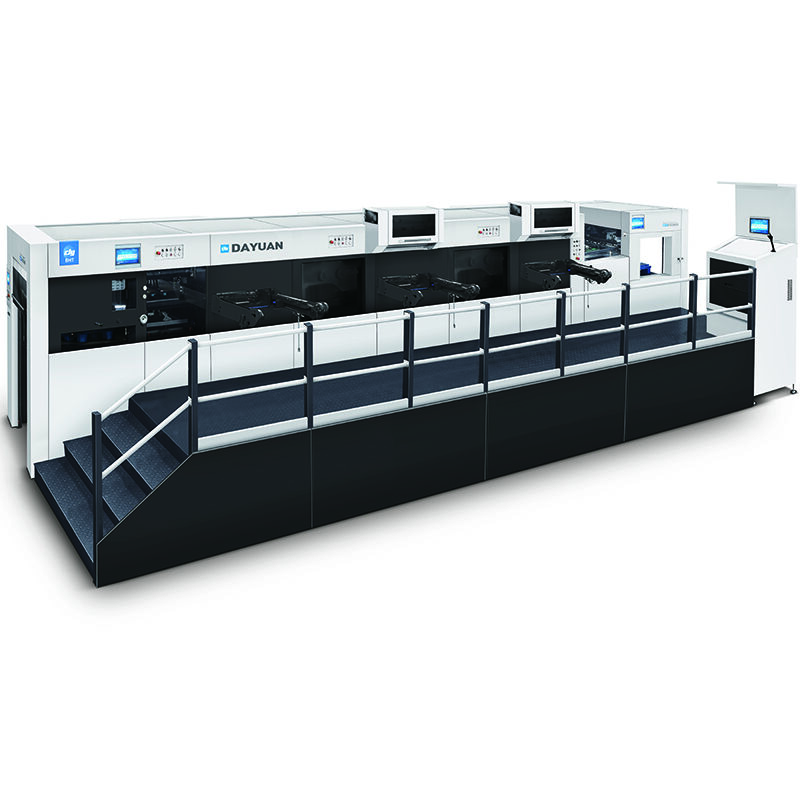
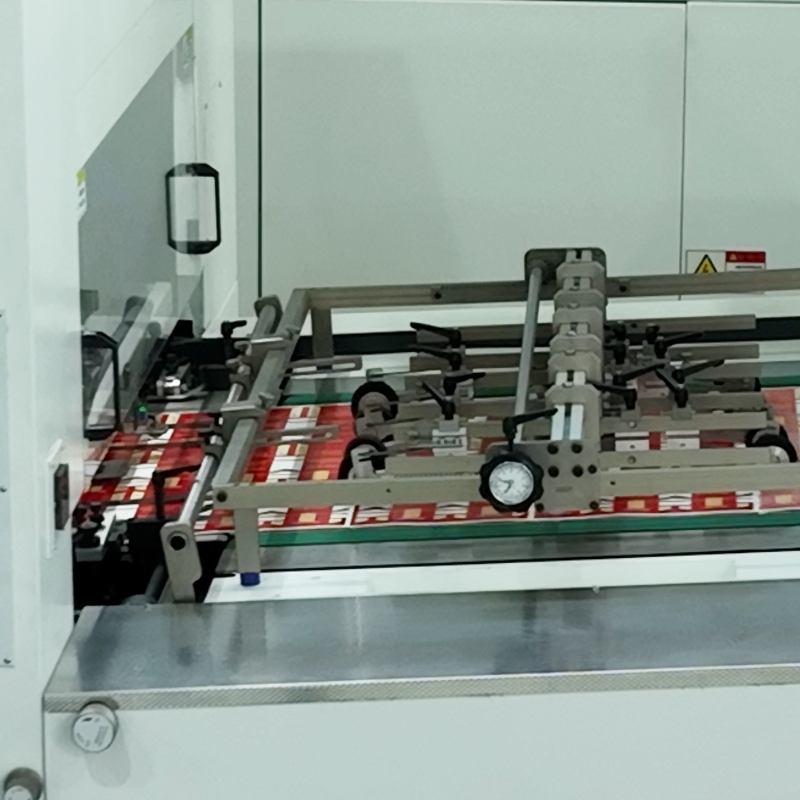
China machine hot stamping technology distinguishes itself through remarkable adaptability across an extensive spectrum of substrate materials and application contexts, providing businesses with a single solution for diverse decorating challenges. This versatility stems from engineered flexibility in pressure adjustment, temperature range, and die configuration options that accommodate materials with vastly different physical properties and decorative requirements. The ability to successfully stamp paper products, from lightweight tissue to heavy cardboard, demonstrates the nuanced control these machines offer. In packaging applications, china machine hot stamping transforms ordinary containers into premium branded products that command consumer attention and justify higher price points. Cosmetic brands leverage this capability to create luxurious packaging that communicates quality and exclusivity, while food manufacturers use hot stamping to add elegant touches that differentiate products in competitive retail environments. The leather goods industry relies heavily on china machine hot stamping for personalizing wallets, bags, belts, and accessories with metallic logos, decorative patterns, or customer monograms. The pressure sensitivity and temperature precision required for leather work exemplifies the sophisticated control mechanisms these machines provide, as leather demands careful parameter selection to achieve clear impressions without surface damage or dimensional distortion. Plastic substrates present unique challenges due to varying melting points and surface characteristics, yet china machine hot stamping equipment handles these materials effectively through programmable settings that match specific polymer types. Electronics manufacturers use this capability for branding smartphone cases, tablet covers, and accessory packaging, creating professional appearances that enhance perceived value. Textile applications represent another growing sector, with fashion brands and promotional product companies using hot stamping to add metallic accents to fabrics, creating eye-catching designs without the complexity of traditional embroidery or screen printing processes. Wood surface decoration benefits from china machine hot stamping technology in furniture manufacturing, musical instrument finishing, and decorative item production, where metallic inlays create visual interest and perceived craftsmanship. The expanding capability to work with holographic and specialty foils opens creative possibilities for security applications, anti-counterfeiting measures, and attention-grabbing promotional materials. Document security represents a critical application where china machine hot stamping adds verification features to certificates, licenses, and important papers, providing visual authentication elements difficult to replicate. The pharmaceutical industry employs this technology for package authentication and brand protection, adding tamper-evident features that safeguard consumers and protect intellectual property. This broad material compatibility eliminates the need for specialized equipment investments, allowing businesses to explore new markets and accept diverse projects with existing production capabilities, maximizing equipment utilization and return on investment.
 EN
EN