Precision Engineering for Consistent Quality Results
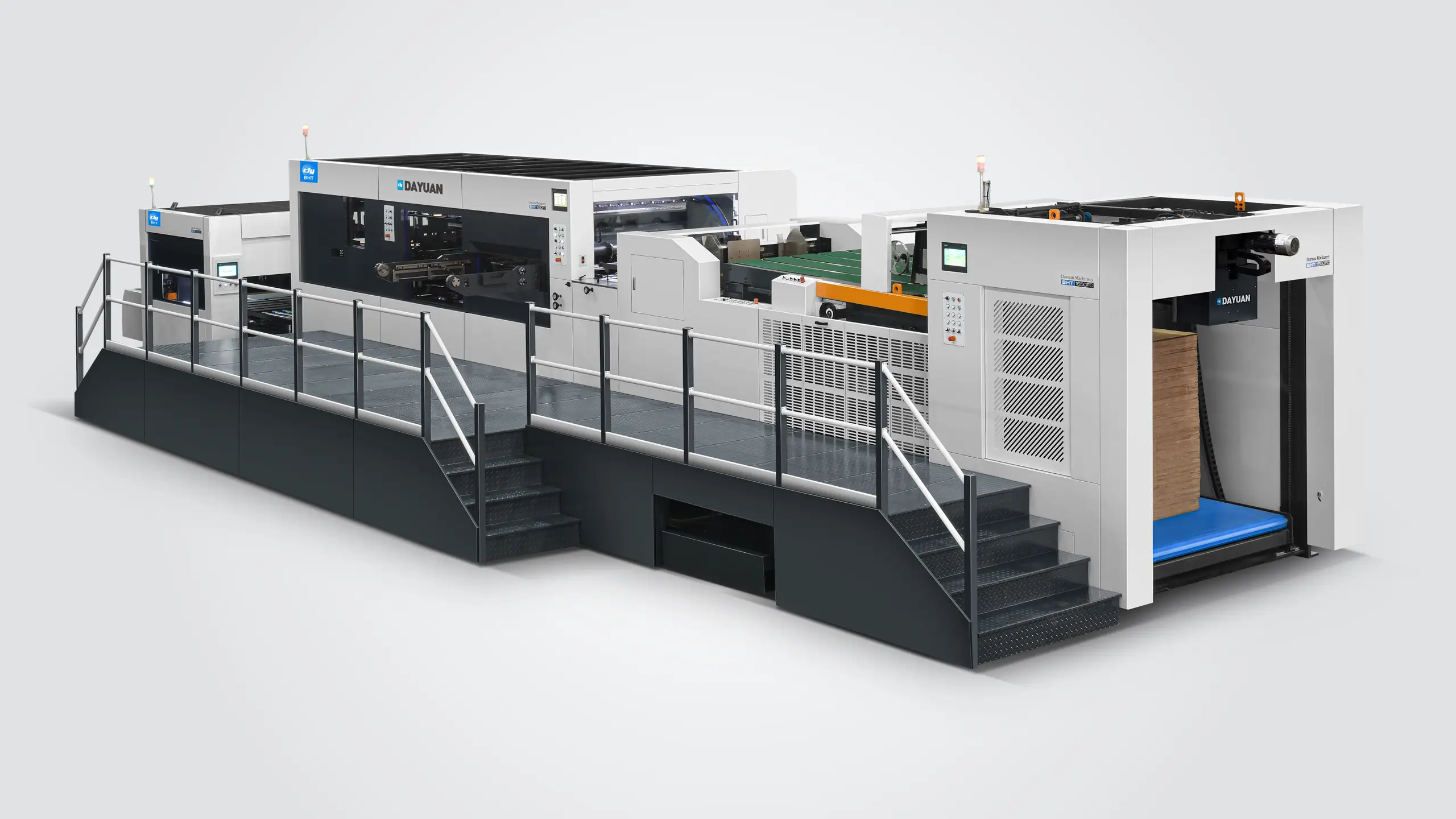
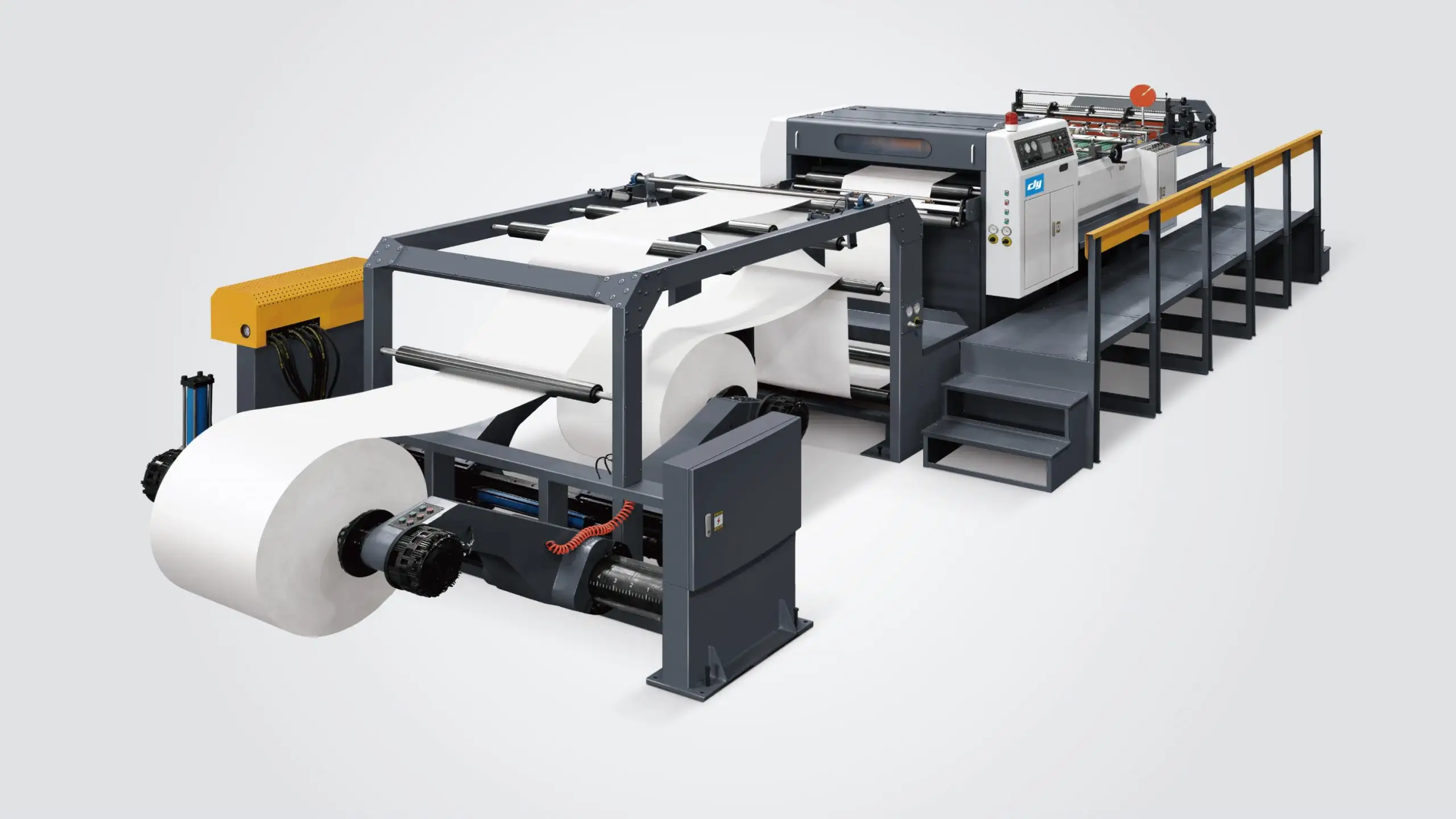
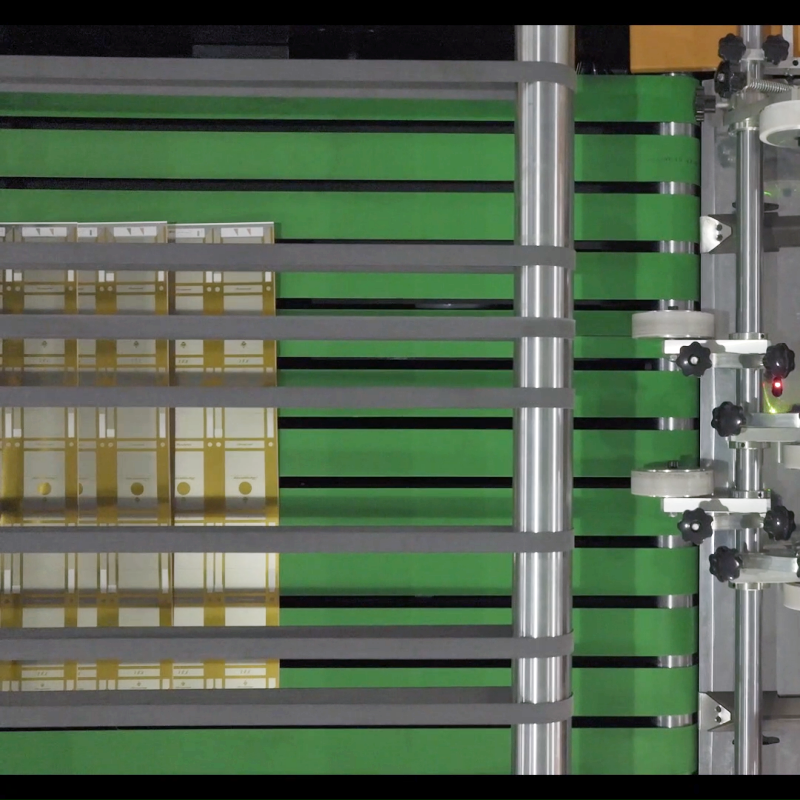
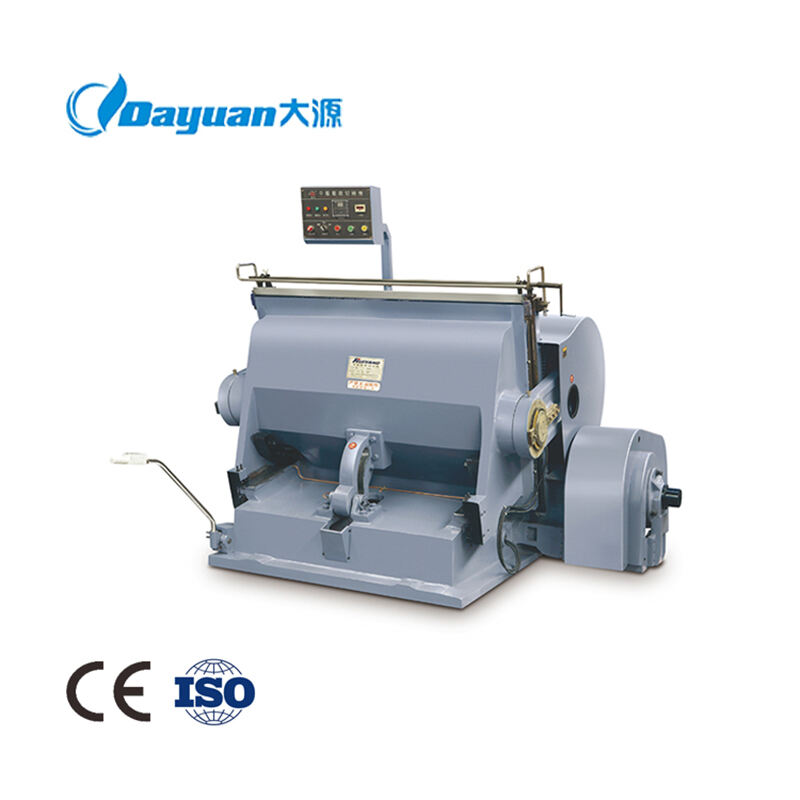
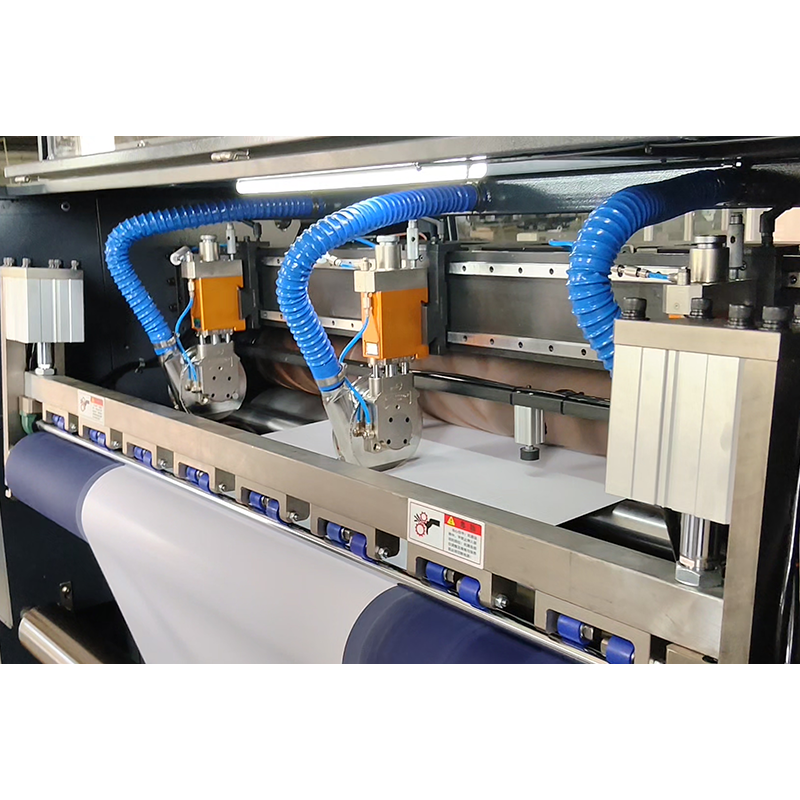
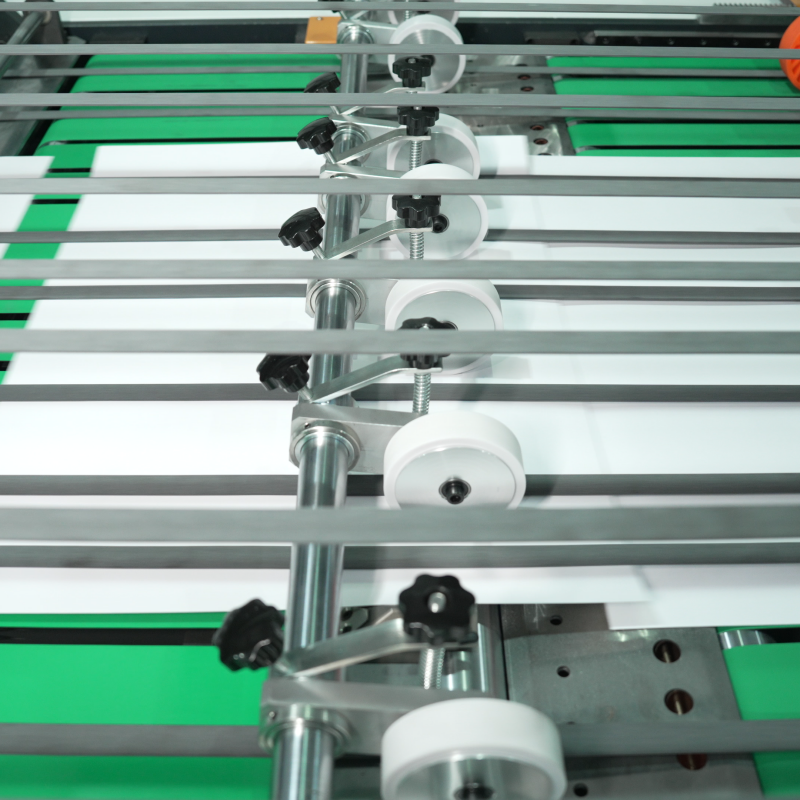
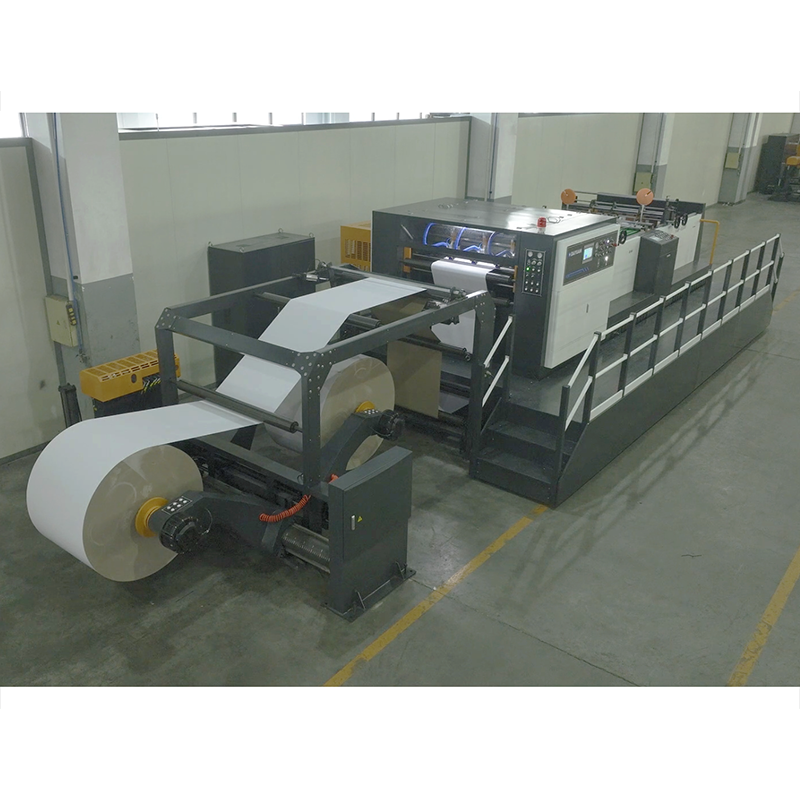
The precision engineering incorporated into modern paper cutting machines represents a fundamental advantage that justifies the decision to buy paper cutting machine equipment for any serious operation. These machines utilize precision-ground blades manufactured from hardened steel alloys that maintain razor-sharp edges through thousands of cutting cycles, ensuring that the first cut of the day matches the quality of the last cut. The blade positioning systems employ linear bearings and guided rails that eliminate lateral movement during operation, resulting in perfectly square cuts without the angled deviations common in manual cutting methods. Digital measurement systems integrated into advanced models provide readouts accurate to 0.1 millimeters, allowing operators to input exact dimensions that the machine reproduces faithfully across entire production runs. The back gauge mechanisms that position materials before cutting feature motorized adjustment controlled by digital inputs, eliminating the time-consuming manual measurements that introduce human error into traditional workflows. Laser alignment guides project cutting lines directly onto materials, providing visual confirmation of cut placement before blade activation and preventing costly mistakes on expensive substrates. The clamping pressure systems distribute force evenly across the entire cutting area, preventing material shifting during blade descent and ensuring that bottom sheets receive the same clean cut as top sheets in multi-sheet stacks. Optical sensors in premium models detect material thickness automatically and adjust cutting parameters accordingly, optimizing results across different paper weights without manual intervention. The parallel blade geometry maintained through precision manufacturing ensures that cuts remain perpendicular to material edges, producing pieces with perfect 90-degree corners essential for professional binding and assembly operations. When evaluating whether to buy paper cutting machine technology, the precision factor alone delivers measurable value through reduced remake rates, eliminated trim waste, and consistent dimensional accuracy that manual methods cannot achieve. This engineering excellence extends to the machine frame construction, where rigid cast iron or welded steel structures resist flexing under cutting loads that would compromise accuracy in lighter-duty equipment. The precision advantage becomes particularly valuable when producing items requiring exact registration, such as multi-page booklets, layered packaging components, or materials destined for automated finishing equipment with tight tolerance requirements that reject improperly sized inputs.
 EN
EN