Versatilitet i jashtëzakonshëm i materialeve që mbështet aplikime të ndryshme biznesi
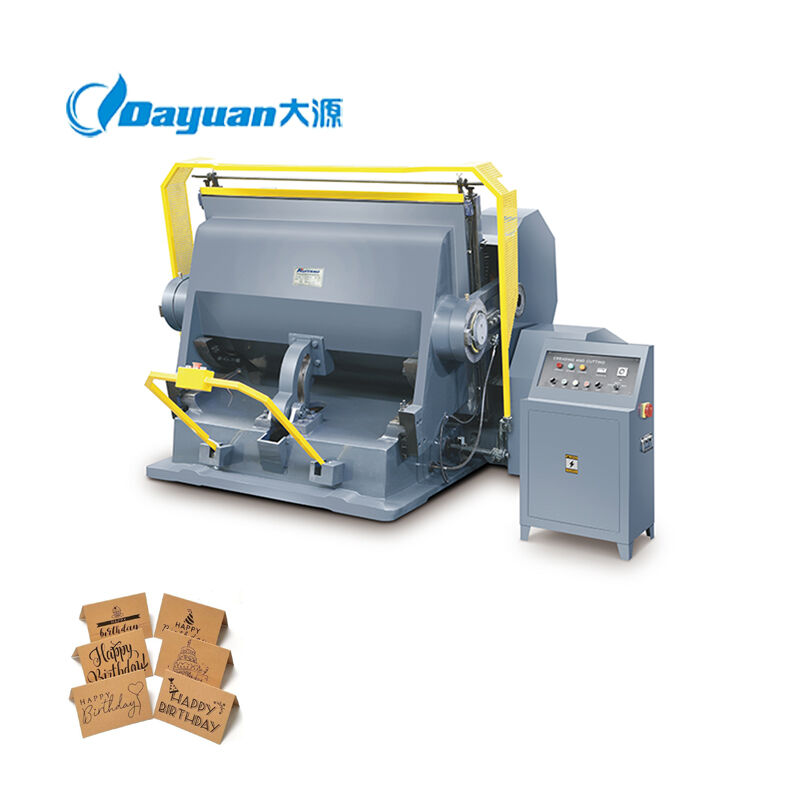
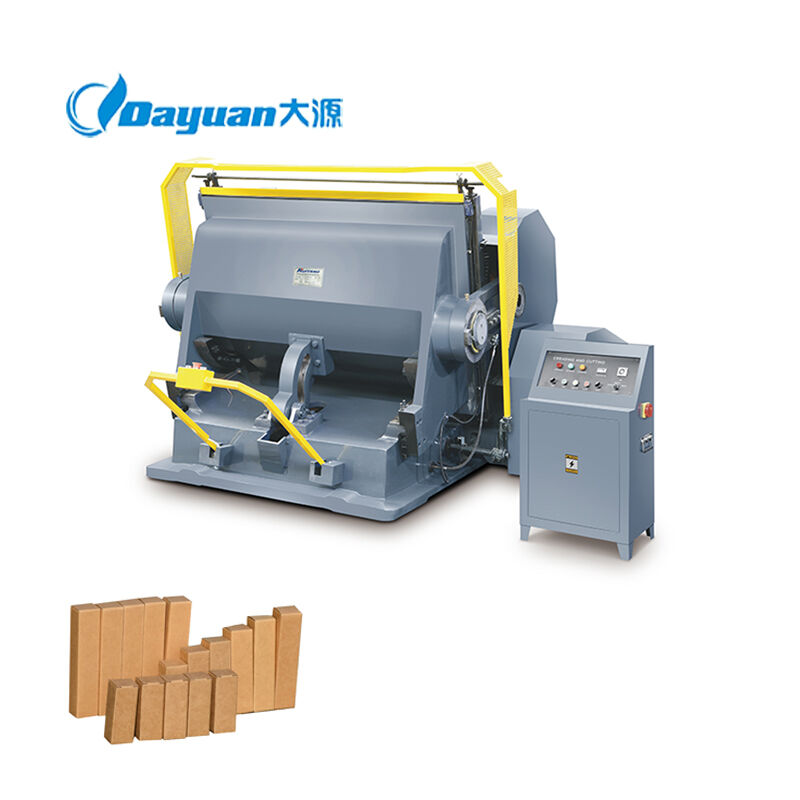
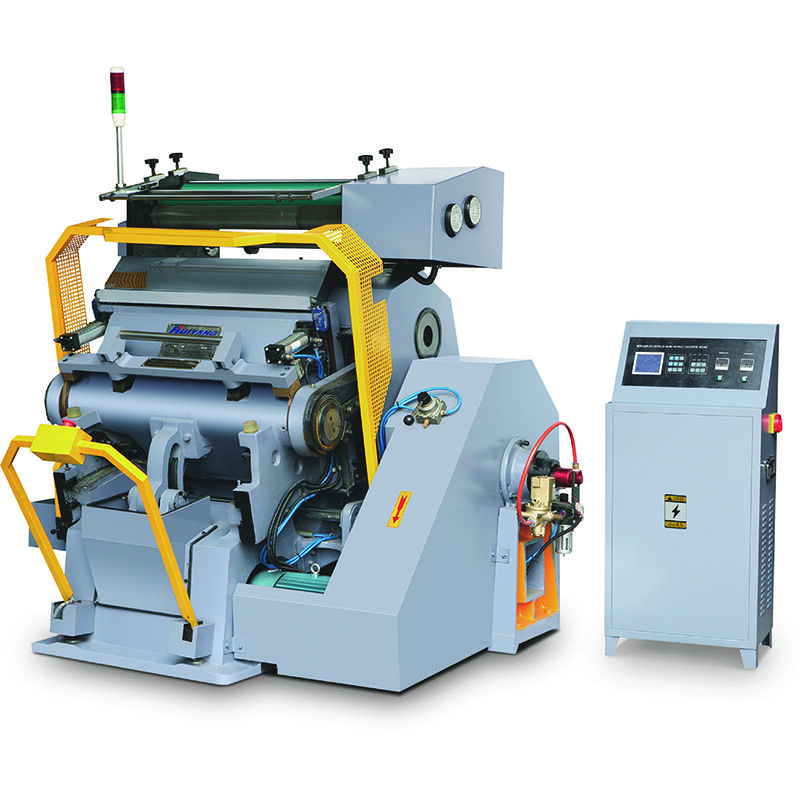
Fabrikat prodhuese të pajisjeve për kreshtim projektsojnë makineritë e tyre me një shumëllojshmëri të jashtëzakonshme materiale, që lejon bizneset të shërbejnë tregje më të gjerë dhe të pranojnë lloje të ndryshme projektesh pa investuar në sisteme specializuar të shumta. Një fabrikë e cilësisë së lartë për makina kreshtimi inxhinierizon produktet e saj për të përshtatur një gamë të impresionueshme nënstratesh, nga letrat e lehta tekstuale me peshë vetëm 80 gsm deri te kartoni i fortë me valvula që kalon 1200 gsm, duke ofruar fleksibilitetin e nevojshëm për të përpunuar gjithçka, nga fletët e delikata të ftimit për martesë deri te kutitë e forta të transportit, brenda një mjedisi prodhimi të vetëm. Kjo shumëllojshmëri eliminon kufizimet frustruese që detyrojnë shumë biznese të refuzojnë projekte potencialisht të fitshme thjesht sepse pajisjet e tyre nuk mund të përpunojnë karakteristikat specifike të materialeve, duke zgjeruar kështu mundësitë e të ardhurave dhe arritjen në treg. Sistemet e rregullueshme të shtypjes të integruara në makineritë moderne kreshtimi lejojnë operatorët të kalibrojnë saktësisht forcën e aplikuar për çdo lloj nënstrate, duke siguruar rezultate optimale, si kur punohet me materiale të mbuluar që kërkojnë trajtim më të butë për të shmangur dëmtimin e sipërfaqes, ashtu edhe me materiale të dendura që kërkojnë shtypje më të madhe për të arritur përcaktimin e duhur të kreshtimit. Sistemet moderne të veglave me ndërrim të shpejtë, të cilat janë karakteristike për prodhimin e fabrikave të makinarive kreshtimi, lejojnë ndërrimin e shpejtë midis gjerësive dhe stileve të ndryshme kreshtimi, duke mbështetur gjithçka, nga përkuljet të harta dhe të ngushta për dizajne të komplikuara paketimi deri te kreshtimet të gjera dhe të buta për materiale të formatit të madh për ekspozita, pa procese të gjata rikonfigurimi që ndërprisin rrjedhën e prodhimit. Kjo aftësi e përshtatshme është veçanërisht e vlefshme për shtypshirat komerciale dhe operacionet e paketimit që shërbejnë klientë në industritë e ndryshme, pasi i pozicionon ato për të përgjigjur afirmativisht kërkesave të ndryshme të klientëve dhe për të demonstruar kapacitete të plota që i dallon nga konkurrentët me pajisje më të kufizuara. Aftësia për të përpunuar materiale speciale, përfshirë letrat sintetike, letrat e laminuara dhe nënstratet me teksturë, hap mundësi tregu të specializuara në sektorë si paketimi i kosmetikave të larta, shenjat e jashtme të qëndrueshme dhe materiale të paraqitjes premium, ku pajisjet standarde shpesh nuk arrijnë rezultate të pranueshme. Operacionet e shtypit digital profitohen veçanërisht nga kjo shumëllojshmëri materiale, pasi shtypësit digitalë mund të shtypin në nënstrata të ndryshme, dhe pasuria e aftësive kreshtimi që korrespondon me këtë fleksibilitet krijon një rrjedhë punë të integruar që mbështet modelin e prodhimit personalizuar dhe me volum të vogël, i cili përcakton strategjitë moderne të biznesit të shtypit digital. Më tej, aftësia për të eksperimentuar me materiale jo konvencionale stimulon inovacionin në zhvillimin e produkteve, duke lejuar bizneset kreative të eksplorojnë aplikime të reja dhe oferta unike që krijojnë diferencim tregtar dhe mundësi për çmime premium, të papërdorshme për operacionet e kufizuara nga kufizimet e pajisjeve.
 EN
EN