 EN
EN

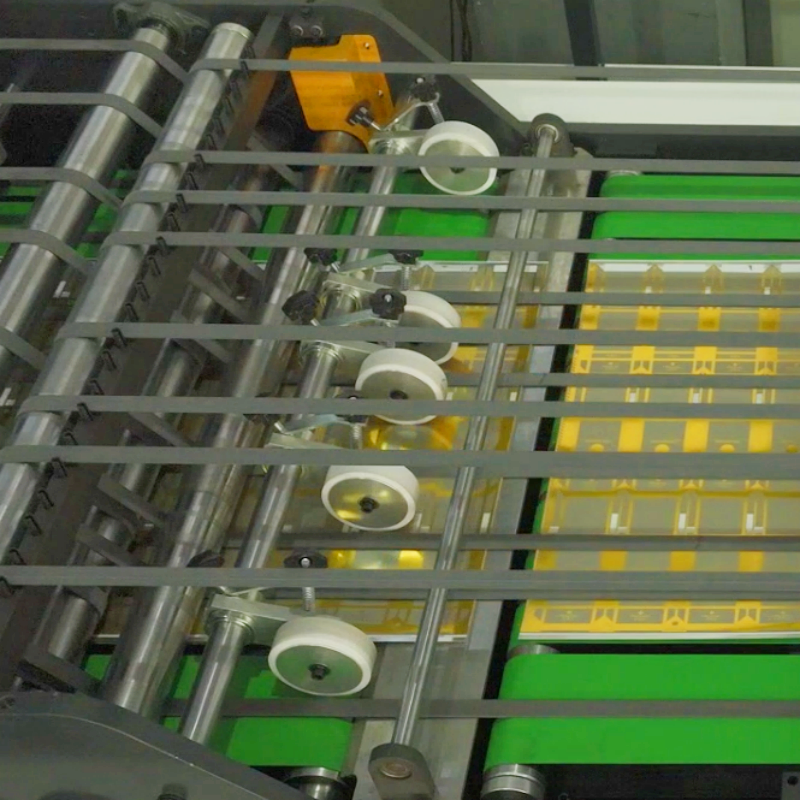
Selecting the appropriate paper cutter machine for your specific operational requirements involves understanding the fundamental differences between heavy-duty and light-duty applications. The choice you make directly impacts productivity, operational costs, and long-term equipment reliability. Whether you're managing a commercial printing facility, corporate office, or educational institution, the paper cutter machine specifications must align with your volume demands, material types, and precision requirements.
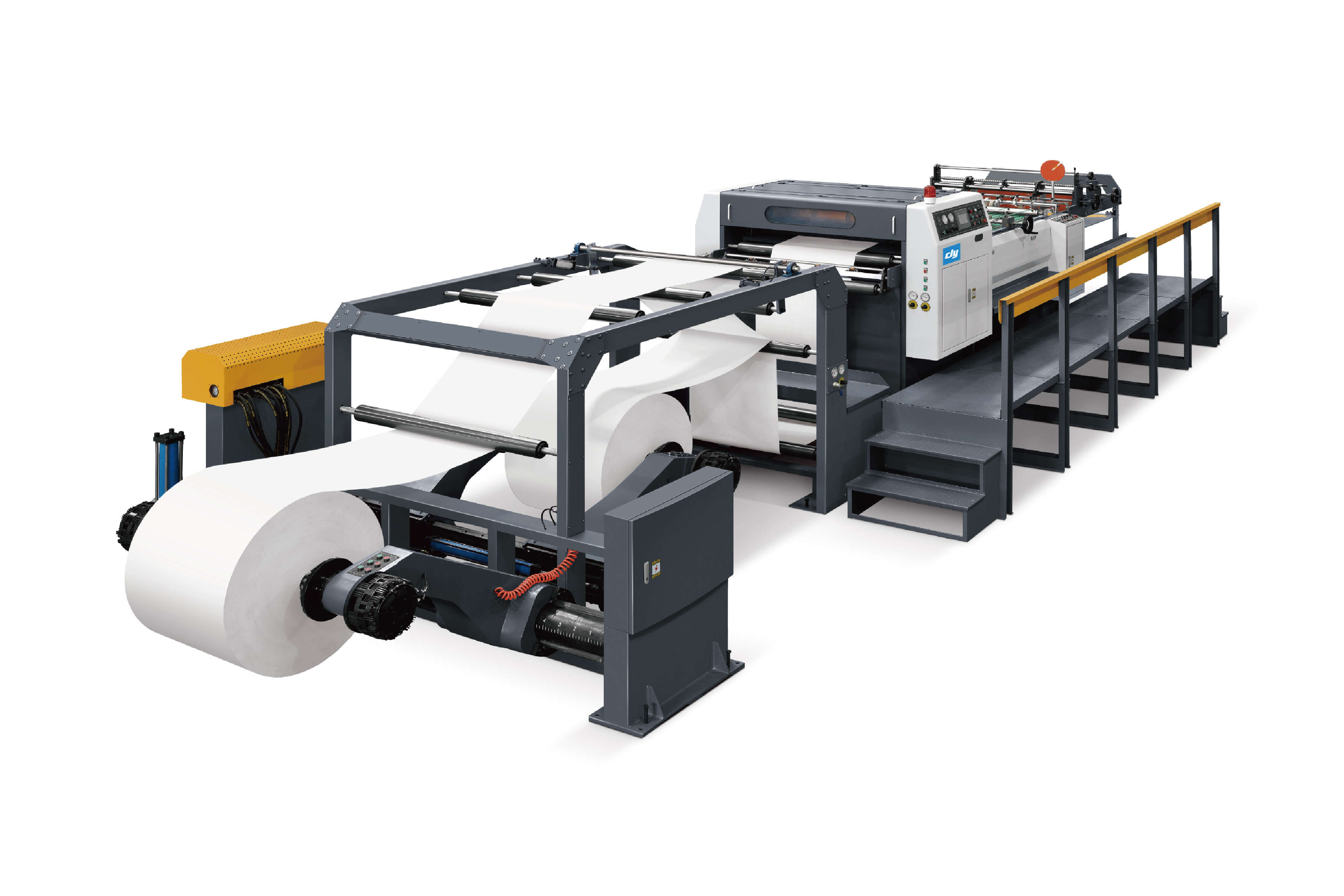
The distinction between heavy-duty and light-duty paper cutter machine applications extends beyond simple volume considerations. Heavy-duty environments typically involve continuous operation, thick material processing, and demanding precision standards that require robust mechanical components and advanced safety features. Light-duty applications focus on occasional use, standard paper weights, and basic cutting functions that prioritize ease of operation over maximum durability.
Understanding Heavy-Duty Paper Cutter Machine Requirements
Volume and Frequency Specifications
Heavy-duty paper cutter machine applications demand equipment capable of processing substantial volumes without performance degradation. Commercial printing facilities, binderies, and large-scale document processing centers typically require machines that can handle thousands of cuts daily while maintaining consistent accuracy. The cutting frequency in these environments often exceeds 500 cuts per day, necessitating paper cutter machine designs with reinforced mechanical components and enhanced motor specifications.
The paper cutter machine selected for heavy-duty use must accommodate varying material thicknesses ranging from lightweight papers to heavy cardstock and laminated materials. This versatility requires adjustable blade pressure systems, precision depth controls, and robust clamping mechanisms that maintain uniform pressure across the entire cutting surface. Professional facilities often process materials up to 3 inches thick, requiring paper cutter machine capabilities that exceed standard office equipment specifications.
Mechanical Durability and Construction Standards
Heavy-duty paper cutter machine construction incorporates industrial-grade materials and engineering principles designed for extended operational life. Cast iron bases, hardened steel cutting blades, and precision-machined guide systems ensure dimensional stability under continuous use conditions. The paper cutter machine frame must resist deflection and vibration that could compromise cutting accuracy or operator safety during high-volume operations.
Professional paper cutter machine models feature replaceable wear components, accessible lubrication points, and modular blade systems that facilitate maintenance without extended downtime. The cutting mechanism typically incorporates hydraulic or pneumatic assistance to reduce operator fatigue while maintaining consistent cutting force across varying material densities. These systems ensure that the paper cutter machine delivers reliable performance throughout demanding production schedules.
Safety Features for Industrial Environments
Heavy-duty paper cutter machine installations require comprehensive safety systems that protect operators during continuous use scenarios. Two-hand operation controls, optical safety barriers, and emergency stop mechanisms provide multiple layers of protection against accidental injury. The paper cutter machine must comply with industrial safety standards that exceed basic office equipment requirements, including lockout/tagout compatibility and comprehensive operator training protocols.
Advanced safety features in professional paper cutter machine designs include blade guards that automatically engage when the cutting cycle completes, preventing accidental contact with sharp edges. Pressure-sensitive safety mats, audible warning systems, and interlocked access panels ensure that all personnel remain aware of machine status during operation. These safety measures become critical in busy production environments where multiple operators may interact with the paper cutter machine throughout each shift.
Light-Duty Paper Cutter Machine Selection Criteria
Office and Educational Environment Needs
Light-duty paper cutter machine applications typically involve intermittent use in office, school, or small business environments where cutting volumes remain moderate and material types stay within standard parameters. These settings require paper cutter machine models that prioritize ease of operation, compact design, and basic safety features over maximum durability or advanced functionality. The typical usage pattern involves fewer than 100 cuts per day with standard office papers and basic presentation materials.
The paper cutter machine selection for light-duty applications should emphasize user-friendly operation that accommodates varying skill levels among operators. Simple adjustment mechanisms, clear measurement guides, and intuitive controls ensure that occasional users can achieve satisfactory results without extensive training. The cutting capacity typically ranges from single sheets to small stacks of standard weight papers, making precision and reliability more important than maximum thickness capability.
Space and Portability Considerations
Light-duty paper cutter machine installations often occur in space-constrained environments where equipment must serve multiple functions or require periodic relocation. Desktop and portable paper cutter machine models address these requirements through compact designs that maintain cutting accuracy while minimizing storage footprint. The equipment should integrate seamlessly into existing workspace layouts without requiring dedicated installation or special electrical connections.
Portable paper cutter machine options provide flexibility for organizations that need cutting capability across multiple locations or for temporary projects. These units typically feature lightweight construction, integrated measurement systems, and simplified operation that enables quick setup and breakdown. The paper cutter machine design should accommodate standard office furniture dimensions while providing sufficient cutting surface for typical document sizes.
Cost-Effectiveness and Maintenance Requirements
Light-duty paper cutter machine selection emphasizes cost-effectiveness over maximum capability, requiring careful evaluation of features versus price points. The equipment should provide reliable performance for intended applications without incorporating expensive features that exceed operational requirements. Basic paper cutter machine models offer sufficient functionality for most light-duty applications while maintaining affordable acquisition and operating costs.
Maintenance requirements for light-duty paper cutter machine installations should remain minimal, with routine tasks limited to basic cleaning and occasional blade replacement. The equipment design should minimize complex adjustments or specialized maintenance procedures that require technical expertise or special tools. Simple maintenance protocols ensure that the paper cutter machine remains operational with minimal downtime or service costs.
Technical Specifications and Performance Factors
Cutting Capacity and Material Compatibility
The paper cutter machine cutting capacity represents a fundamental specification that determines application suitability across different operational contexts. Heavy-duty models typically accommodate cutting stacks up to 3 inches thick while maintaining clean, precise cuts through various material densities. Light-duty paper cutter machine models focus on thinner stacks with maximum capacities around 1 inch, optimized for standard office papers and basic presentation materials.
Material compatibility extends beyond thickness considerations to include paper weights, coatings, and special substrates that may require specific blade configurations or cutting techniques. Professional paper cutter machine models offer interchangeable blade systems that accommodate everything from lightweight tissues to heavy cardstock and synthetic materials. The cutting mechanism must maintain consistent pressure and blade angle regardless of material variations to ensure clean edges and dimensional accuracy.
Precision and Measurement Systems
Precision requirements vary significantly between heavy-duty and light-duty paper cutter machine applications, influencing both equipment selection and operational procedures. Commercial installations demand tolerances measured in fractions of millimeters with repeatable accuracy across thousands of cuts. The paper cutter machine measurement system must provide clear, accurate references that enable operators to achieve consistent results throughout extended production runs.
Light-duty paper cutter machine precision focuses on adequate accuracy for typical office applications where tolerances of 1-2 millimeters remain acceptable. The measurement system should provide clear visual references without complex calibration procedures or specialized training requirements. Standard ruler markings, adjustable guides, and simple alignment features typically satisfy light-duty precision requirements while maintaining ease of operation.
Power and Control Systems
Power requirements for paper cutter machine installations depend heavily on cutting frequency, material thickness, and automation level desired in the operational environment. Heavy-duty applications often require dedicated electrical connections, hydraulic systems, or pneumatic assistance to maintain cutting force and operator safety. The control system must provide precise timing, pressure regulation, and safety interlocks that ensure consistent performance under demanding conditions.
Light-duty paper cutter machine models typically operate with manual systems that require no external power connections, relying on mechanical advantage and operator force to complete cutting operations. Simple lever mechanisms, spring-assisted returns, and manual clamping systems provide adequate functionality for intermittent use applications. The paper cutter machine design should minimize complexity while maintaining reliable operation across varying operator capabilities.
Application-Specific Selection Guidelines
Commercial Printing and Bindery Operations
Commercial printing facilities require paper cutter machine specifications that support high-volume production schedules with demanding quality standards. The equipment must integrate seamlessly into workflow processes that involve multiple material types, varying stack heights, and precision requirements that directly impact finished product quality. Professional paper cutter machine models feature programmable cutting positions, automatic material handling, and quality control systems that maintain consistency throughout production runs.
Bindery operations demand paper cutter machine capabilities that accommodate post-printing processes including trimming, sizing, and finishing operations. The equipment must handle materials with various coatings, adhesives, and laminations that present unique cutting challenges. Advanced paper cutter machine features such as waste removal systems, dust collection, and precision positioning ensure optimal results while maintaining clean working environments.
Educational Institution Requirements
Educational environments require paper cutter machine selections that balance safety, ease of operation, and cost-effectiveness while accommodating varying skill levels among users. The equipment must provide reliable performance for classroom projects, administrative tasks, and occasional presentation materials without requiring extensive training or supervision. Simple paper cutter machine designs with comprehensive safety features ensure safe operation while supporting educational objectives.
School and university paper cutter machine installations should emphasize durability sufficient for regular use while maintaining budget constraints typical of educational institutions. The equipment should accommodate standard classroom materials including construction papers, poster boards, and basic presentation substrates. Maintenance requirements must remain minimal with replacement parts readily available to ensure continued operation throughout academic years.
Corporate Office Environments
Corporate office paper cutter machine applications focus on document processing, presentation preparation, and occasional project materials that require clean, professional cuts. The equipment should integrate into existing office workflows without disrupting normal operations or requiring specialized operator training. Professional appearance, quiet operation, and compact design become important considerations alongside cutting performance and reliability.
Office paper cutter machine selections should accommodate typical business documents including reports, proposals, marketing materials, and binding preparation tasks. The cutting capacity must handle standard paper sizes and weights while providing sufficient precision for professional presentation standards. Safety features appropriate for office environments protect occasional users while maintaining productivity and ease of operation.
FAQ
What cutting capacity should I choose for a paper cutter machine in a commercial printing environment?
Commercial printing environments typically require paper cutter machine models with cutting capacities between 2-3 inches to accommodate large paper stacks, cardstock, and laminated materials. The specific capacity depends on your material types and stack sizes, but heavy-duty models ensure consistent performance under continuous use conditions while maintaining precision across varying material densities.
How do I determine if my application requires heavy-duty or light-duty paper cutter machine specifications?
Evaluate your daily cutting volume, material thickness range, and precision requirements to determine appropriate paper cutter machine specifications. Applications exceeding 300 cuts daily with materials thicker than standard office paper typically require heavy-duty equipment, while occasional use with standard papers suits light-duty models that prioritize ease of operation over maximum durability.
What safety features are essential for paper cutter machine selection in educational settings?
Educational paper cutter machine installations require comprehensive safety features including blade guards, two-hand operation controls, and automatic blade locking mechanisms. Additional safety considerations include rounded corners, stable base construction, and clear operational markings that protect users with varying experience levels while maintaining cutting functionality for classroom projects.
Can a light-duty paper cutter machine handle occasional heavy materials or should I upgrade to heavy-duty specifications?
Light-duty paper cutter machine models should not be used for materials exceeding their designed capacity, as this can compromise safety, cutting quality, and equipment longevity. If your application occasionally requires thick materials or high-volume cutting, selecting a heavy-duty paper cutter machine ensures safe operation and consistent results across all material types and usage scenarios.
Table of Contents
- Understanding Heavy-Duty Paper Cutter Machine Requirements
- Light-Duty Paper Cutter Machine Selection Criteria
- Technical Specifications and Performance Factors
- Application-Specific Selection Guidelines
-
FAQ
- What cutting capacity should I choose for a paper cutter machine in a commercial printing environment?
- How do I determine if my application requires heavy-duty or light-duty paper cutter machine specifications?
- What safety features are essential for paper cutter machine selection in educational settings?
- Can a light-duty paper cutter machine handle occasional heavy materials or should I upgrade to heavy-duty specifications?