 EN
EN

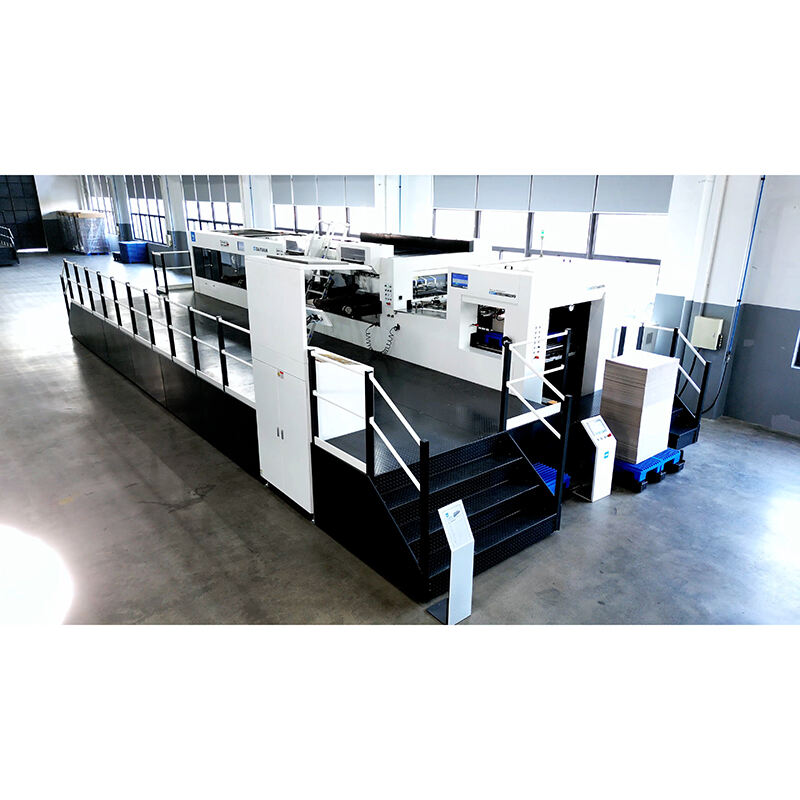
When investing in a high-performance paper die cutting machine for industrial production, understanding the patented technologies that differentiate premium equipment from standard alternatives becomes crucial for making informed purchasing decisions. These proprietary innovations directly impact production efficiency, output quality, operational reliability, and long-term return on investment in competitive manufacturing environments.
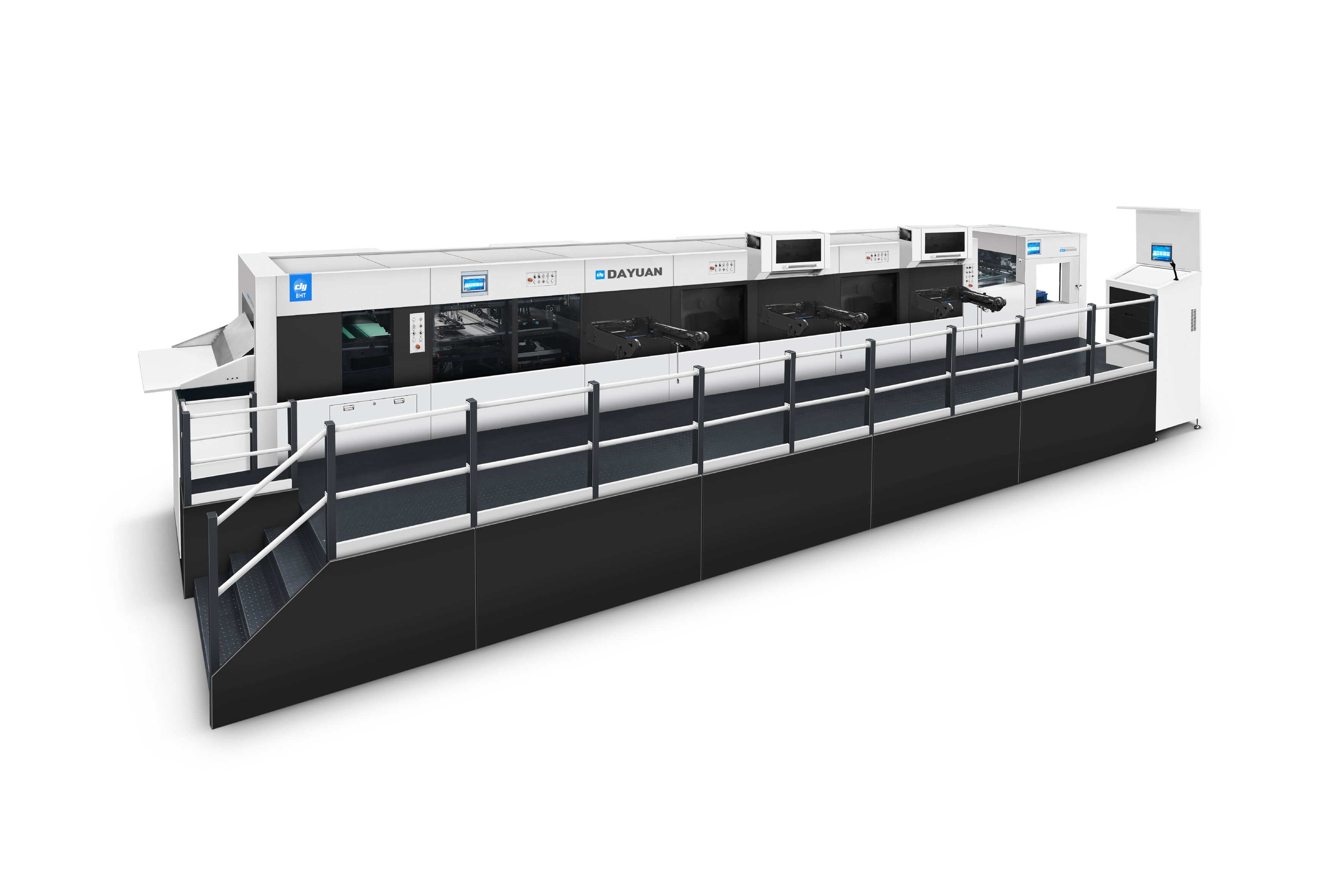
Modern paper die cutting machine manufacturers protect their most valuable technological advances through comprehensive patent portfolios, creating distinct competitive advantages that translate into measurable operational benefits. Evaluating these patented features requires understanding how specific innovations address common production challenges, enhance precision capabilities, and deliver sustainable performance improvements across diverse paper processing applications.
Advanced Feed Systems and Precision Control Technologies
Servo-Driven Feed Mechanisms with Dynamic Positioning
Leading paper die cutting machine manufacturers incorporate patented servo-driven feed systems that provide unprecedented accuracy in material positioning and movement control. These sophisticated mechanisms utilize closed-loop feedback systems to monitor and adjust paper positioning in real-time, compensating for material variations and maintaining consistent registration throughout production runs.
The most advanced implementations feature multi-axis servo control with individual motor management for each feed roller, enabling precise tension control and eliminating common issues like paper skewing or stretching during high-speed operations. This technology particularly benefits manufacturers processing delicate papers or materials with varying thickness profiles.
Patented dynamic positioning algorithms continuously calculate optimal feed speeds based on material characteristics, die complexity, and production requirements, automatically adjusting parameters to maintain quality standards while maximizing throughput efficiency.
Intelligent Material Handling and Anti-Static Systems
Proprietary anti-static technologies represent critical innovations in modern paper die cutting machine design, addressing the persistent challenge of static electricity buildup that can cause material handling problems and quality defects. These patented systems typically combine ionization technology with specialized grounding mechanisms to neutralize charge accumulation.
Advanced implementations integrate smart sensors that detect static levels and automatically adjust ionization intensity based on environmental conditions, material properties, and production speeds. This adaptive approach ensures optimal static control without over-ionization that could potentially damage sensitive electronic components.
Some manufacturers have developed patented material handling systems that incorporate pneumatic assistance with precise vacuum control, creating smooth material flow while preventing damage to delicate substrates during high-speed cutting operations.
Cutting Technology Innovations and Precision Engineering
Advanced Die Pressure Distribution Systems
Revolutionary pressure distribution technologies represent some of the most valuable patents in paper die cutting machine engineering, directly addressing the challenge of achieving uniform cutting force across complex die patterns. These systems utilize sophisticated hydraulic or pneumatic mechanisms to ensure consistent pressure application regardless of die size, shape complexity, or material variations.
Patented pressure equalization systems continuously monitor cutting forces at multiple points across the cutting surface, automatically adjusting pressure distribution to compensate for die wear, material thickness variations, or uneven substrate characteristics. This technology significantly extends die life while maintaining consistent cut quality throughout production runs.
The most advanced paper die cutting machine models incorporate real-time force feedback systems that can detect and compensate for die dulling, material inconsistencies, or mechanical wear before quality issues become apparent in finished products.
High-Speed Cutting Mechanisms with Vibration Dampening
Patented high-speed cutting technologies focus on eliminating vibration and mechanical resonance that can compromise cut quality and accelerate equipment wear. These innovations typically combine advanced bearing systems, precision-balanced components, and active vibration cancellation mechanisms to maintain stability during rapid cutting cycles.
Sophisticated dampening systems utilize proprietary materials and engineering designs to absorb mechanical shock and prevent vibration transmission throughout the machine structure. This technology becomes particularly critical when processing large format materials or operating at maximum production speeds.
Some manufacturers have developed patented cutting head designs that incorporate micro-adjustment capabilities, allowing operators to fine-tune cutting parameters for specific materials or applications without stopping production or changing mechanical components.
Automation and Control System Technologies
Intelligent Process Monitoring and Adaptive Control
Modern paper die cutting machine automation relies heavily on patented process monitoring technologies that continuously analyze production parameters and automatically adjust operations to maintain optimal performance. These systems utilize advanced sensor arrays to monitor cutting quality, material flow, mechanical performance, and environmental conditions simultaneously.
Proprietary machine learning algorithms analyze production data patterns to predict potential quality issues, mechanical problems, or maintenance requirements before they impact production efficiency. This predictive capability enables proactive adjustments that prevent defects and minimize unplanned downtime.
Advanced implementations feature integrated quality control systems that automatically inspect cut products using vision technology, identifying defects and triggering corrective actions without operator intervention. This automation significantly reduces labor requirements while ensuring consistent output quality.
Integrated Workflow Management and Production Optimization
Patented workflow management systems coordinate multiple aspects of paper die cutting machine operation, from material loading and job setup to finished product handling and quality verification. These comprehensive control platforms optimize production sequences, minimize setup times, and maximize equipment utilization across diverse product requirements.
Sophisticated job management features automatically configure machine parameters based on material specifications, die requirements, and quality standards, eliminating manual setup procedures and reducing the potential for operator error. This automation particularly benefits manufacturers handling frequent job changes or complex product portfolios.
Advanced production optimization algorithms continuously analyze throughput data, quality metrics, and efficiency indicators to identify improvement opportunities and recommend operational adjustments that enhance overall productivity.
Safety Systems and Environmental Protection Features
Advanced Safety Interlocks and Emergency Response Systems
Patented safety technologies in paper die cutting machine design go far beyond basic regulatory compliance, incorporating sophisticated monitoring systems that protect operators, equipment, and products from potential hazards. These innovations typically feature redundant safety circuits, intelligent hazard detection, and rapid emergency response capabilities.
Advanced safety interlock systems utilize multiple sensor technologies to create comprehensive protection zones around critical machine areas, automatically stopping operations when unauthorized access is detected while allowing normal material flow and maintenance access. This technology balances operator safety with production efficiency requirements.
Proprietary emergency stop systems feature distributed control architecture that ensures immediate response regardless of where emergency conditions are detected, while sophisticated diagnostic capabilities identify the specific cause of safety activations to facilitate rapid problem resolution.
Environmental Control and Waste Reduction Technologies
Leading manufacturers have developed patented environmental protection systems that address dust control, noise reduction, and waste minimization in paper die cutting machine operations. These technologies respond to increasingly stringent environmental regulations while improving workplace conditions and operational efficiency.
Advanced dust collection systems incorporate intelligent airflow management with variable suction control, automatically adjusting collection intensity based on cutting speeds, material types, and environmental conditions. This optimization reduces energy consumption while maintaining effective dust control throughout production operations.
Proprietary waste handling systems maximize material utilization through intelligent nesting algorithms and automated waste separation, reducing raw material consumption and simplifying waste disposal procedures. These innovations deliver both environmental benefits and cost savings through improved material efficiency.
Quality Assurance and Measurement Technologies
Real-Time Quality Monitoring and Feedback Systems
Patented quality assurance technologies enable continuous monitoring of cut quality parameters, automatically detecting variations that could indicate die wear, material problems, or mechanical issues. These systems utilize advanced measurement techniques to assess dimensional accuracy, edge quality, and surface finish characteristics in real-time.
Sophisticated vision systems capture high-resolution images of cut products, comparing actual dimensions and characteristics against stored specifications to identify quality deviations before they impact finished product acceptance. This capability enables immediate corrective actions that prevent defective production.
Advanced feedback control systems automatically adjust cutting parameters based on quality measurements, maintaining consistent output characteristics despite variations in material properties, environmental conditions, or equipment wear patterns.
Precision Measurement and Calibration Systems
Leading paper die cutting machine manufacturers incorporate patented measurement technologies that ensure long-term accuracy and repeatability through automated calibration procedures and precision monitoring systems. These innovations eliminate manual measurement procedures while maintaining tight tolerances across extended production runs.
Proprietary calibration systems utilize reference standards and automated measurement protocols to verify and adjust machine accuracy without interrupting production operations. This capability ensures consistent performance while reducing maintenance requirements and operator intervention.
Advanced measurement systems provide comprehensive documentation of production parameters and quality metrics, supporting quality certification requirements and enabling detailed analysis of production trends and performance optimization opportunities.
FAQ
How do patented servo-driven feed systems improve paper die cutting machine performance compared to conventional feed mechanisms?
Patented servo-driven feed systems provide superior accuracy and consistency by utilizing closed-loop feedback control to monitor and adjust paper positioning in real-time. Unlike conventional mechanical feed systems, servo-driven mechanisms can compensate for material variations, maintain precise tension control, and eliminate common problems like skewing or stretching during high-speed operations. These systems typically feature individual motor control for each feed roller, enabling precise multi-axis coordination that significantly improves registration accuracy and reduces material waste.
What makes advanced pressure distribution technologies essential for high-performance paper die cutting applications?
Advanced pressure distribution technologies ensure uniform cutting force across complex die patterns, addressing the critical challenge of maintaining consistent cut quality regardless of die complexity or material variations. These patented systems continuously monitor cutting forces at multiple points and automatically adjust pressure distribution to compensate for die wear, material thickness variations, or substrate inconsistencies. This technology extends die life, maintains consistent output quality throughout production runs, and prevents the uneven wear patterns that commonly occur with conventional pressure systems.
How do intelligent process monitoring systems enhance paper die cutting machine reliability and efficiency?
Intelligent process monitoring systems utilize advanced sensor arrays and machine learning algorithms to continuously analyze production parameters and predict potential issues before they impact production quality or equipment reliability. These patented technologies monitor cutting quality, material flow, mechanical performance, and environmental conditions simultaneously, enabling proactive adjustments that prevent defects and minimize unplanned downtime. The predictive capabilities allow manufacturers to schedule maintenance activities optimally, avoid emergency repairs, and maintain consistent production schedules while maximizing equipment utilization rates.
Why are integrated safety and environmental protection systems important considerations when evaluating patented technologies?
Integrated safety and environmental protection systems represent critical patented technologies that address regulatory compliance, operator protection, and operational sustainability requirements. These sophisticated systems go beyond basic safety features to provide comprehensive hazard detection, emergency response capabilities, and environmental control functions that protect operators, equipment, and workplace environments. Advanced implementations feature intelligent dust collection, noise reduction technologies, and waste minimization systems that reduce operating costs while ensuring compliance with increasingly stringent environmental regulations and workplace safety standards.
Table of Contents
- Advanced Feed Systems and Precision Control Technologies
- Cutting Technology Innovations and Precision Engineering
- Automation and Control System Technologies
- Safety Systems and Environmental Protection Features
- Quality Assurance and Measurement Technologies
-
FAQ
- How do patented servo-driven feed systems improve paper die cutting machine performance compared to conventional feed mechanisms?
- What makes advanced pressure distribution technologies essential for high-performance paper die cutting applications?
- How do intelligent process monitoring systems enhance paper die cutting machine reliability and efficiency?
- Why are integrated safety and environmental protection systems important considerations when evaluating patented technologies?