 EN
EN

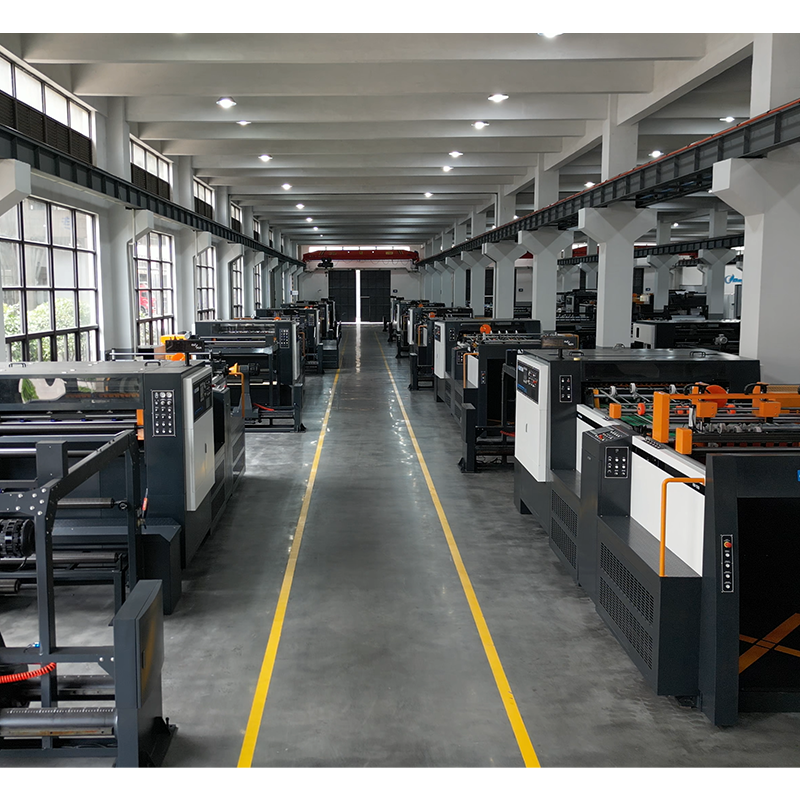
The longevity and cutting precision of your slitting machine depend almost entirely on how well you maintain its most critical components. slitting machine cutting blades are subject to enormous mechanical stress during every production run, and without a disciplined maintenance routine, they wear down prematurely, leading to ragged edges, material waste, increased downtime, and costly replacements. Understanding how to properly care for these components is not a luxury — it is a fundamental production necessity for any operation that relies on consistent slit quality.
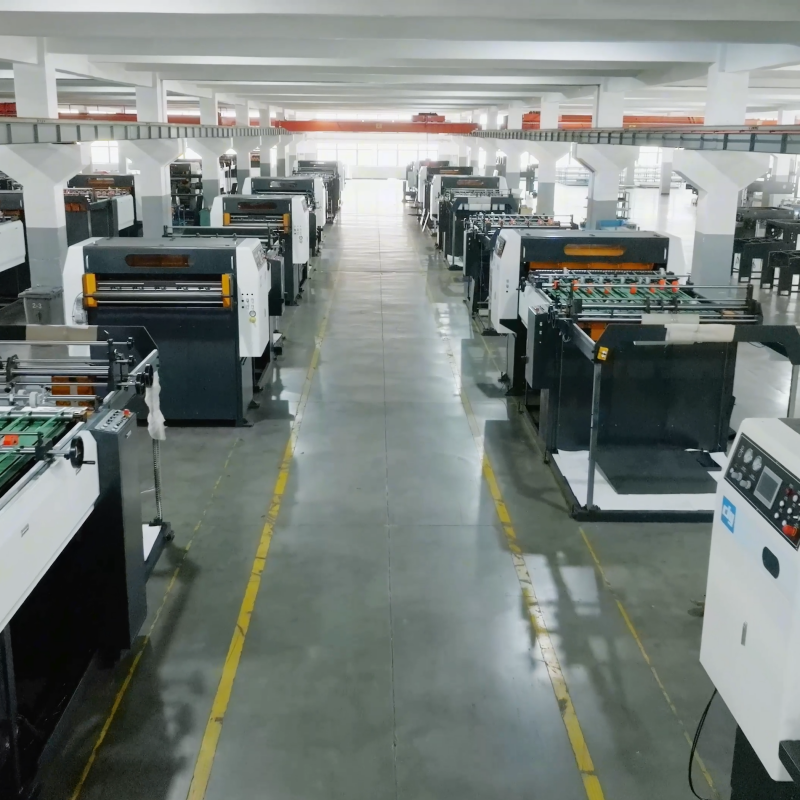
This guide walks through the complete maintenance methodology for slitting machine cutting blades — from daily inspection habits to sharpening protocols, proper storage, and knowing when replacement is truly necessary. Whether you are running a high-volume packaging line or a specialty converting operation, the principles covered here will help you extend blade life, reduce operational costs, and protect the quality of your finished slit material. Each maintenance step is designed to be practical, actionable, and directly applicable to real production environments.
Understanding Why Slitting Machine Cutting Blades Wear Out
The Nature of Mechanical Wear During Slitting
Every time your slitting machine cutting blades engage with material, microscopic abrasion removes small amounts of the blade edge. Over thousands of cycles, this accumulates into visible wear that compromises cutting geometry. The blade's ability to produce a clean, burr-free slit edge deteriorates as the cutting angle changes from the original specification. This is a completely natural process, but it can be dramatically accelerated by poor maintenance practices.
The material being slit plays a significant role in how quickly wear progresses. Abrasive substrates such as metalized films, coated papers, and thick laminates cause far more rapid deterioration than soft, uncoated materials. Understanding the wear profile of your specific production materials allows you to calibrate your maintenance intervals appropriately. Blades cutting abrasive substrates may need inspection every shift, while those cutting softer materials might sustain acceptable performance over longer intervals.
Misalignment between the upper and lower blades in a rotary slitting configuration amplifies wear dramatically. When the blade overlap, side clearance, or axial positioning is not set correctly, cutting forces concentrate on small sections of the blade edge instead of being distributed evenly. This localized stress accelerates wear in specific zones and creates uneven blade geometry that is difficult to recover through resharpening alone.
Operational Factors That Shorten Blade Life
Running slitting machine cutting blades at incorrect speeds for a given material is one of the most common causes of premature wear. Excessive line speeds generate heat at the cutting point, which softens the blade steel and reduces its hardness over time. Conversely, speeds that are too low can cause dragging and tearing rather than clean cutting, placing excessive lateral stress on the blade edge. Matching line speed to material specifications is therefore a maintenance decision as much as a production one.
Contamination is another major factor. Adhesive residue from tape-based materials, dust from paper slitting, and lubricant buildup from machine components can all accumulate on slitting machine cutting blades. This contamination acts as an abrasive paste that accelerates edge degradation with every revolution. Operators who neglect routine cleaning allow this buildup to compound over time, creating wear rates far above the baseline for the material being processed.
Improper blade handling during changeovers also contributes to shortened service life. Dropping blades, nicking them against machine frames, or storing them loosely where they contact each other all introduce micro-damage to the cutting edge. These seemingly minor incidents reduce the blade's effective service life before it even re-enters production, making careful handling an integral part of the overall maintenance strategy.
Daily and Shift-Level Maintenance Practices
Routine Cleaning Protocols
Cleaning slitting machine cutting blades should occur at the end of every production shift as a non-negotiable practice. Use appropriate solvents that are compatible with your blade material and substrate type to dissolve adhesive or coating residues. Apply solvent with a soft, lint-free cloth rather than abrasive pads, which can introduce scratches that accelerate future wear. Work in the direction of the blade bevel, not against it, to avoid catching fibers on the cutting edge.
For machines that process sticky or adhesive-coated materials, mid-shift cleaning stops may be necessary depending on production volume. Adhesive buildup on slitting machine cutting blades does not only accelerate wear — it also degrades cut quality in real time, causing material to drag rather than slit cleanly. Establishing a cleaning checkpoint tied to material roll changes is a practical way to integrate this step without disrupting production flow.
After cleaning, always apply a thin protective film of appropriate blade oil or anti-corrosion agent, particularly in humid production environments. Moisture is one of the fastest ways to degrade the metallurgical properties of blade steel, and even minor surface oxidation can alter cutting geometry. This simple protective step takes less than a minute but can significantly extend the service interval of your slitting machine cutting blades.
Visual and Dimensional Inspection Techniques
Shift-level inspections should include both visual and, where possible, dimensional checks of slitting machine cutting blades. Visual inspection under good lighting can reveal obvious edge chipping, visible wear flats, discoloration from heat buildup, or corrosion spots. These are all signals that the blade requires either immediate replacement or scheduling for the next resharpening cycle. Operators should be trained to recognize these indicators rather than relying solely on cut-quality degradation as the trigger.
Dimensional checks using blade micrometers or profile gauges allow you to track edge geometry over time and establish data-driven resharpening intervals. Recording blade measurements at each inspection creates a wear history that reveals whether a particular material or machine setting is causing abnormal degradation. This data is invaluable for optimizing both maintenance schedules and production parameters to achieve maximum blade life.
Pay particular attention to the side clearance and overlap settings during inspection. Even if the blade edge itself appears acceptable, drift in these parameters can cause the cutting forces to shift in ways that create uneven wear patterns. Resetting these parameters to specification during routine inspections prevents the gradual compounding of misalignment that significantly shortens the overall service life of slitting machine cutting blades.
Sharpening and Reconditioning Slitting Machine Cutting Blades
Establishing a Sharpening Schedule
A proactive sharpening schedule is far more effective than a reactive one. Rather than waiting until cut quality visibly deteriorates, establish resharpening intervals based on your blade wear data and production volume. For operations running abrasive materials, this might mean resharpening slitting machine cutting blades after every 50 to 100 hours of cutting time. For lighter-duty applications, intervals of 200 hours or more may be appropriate. The key is to base intervals on real data rather than guesswork.
Sharpening slitting machine cutting blades too late is more damaging than sharpening them too early. When blades are allowed to operate with severely degraded edges, the increased cutting forces create additional stress on the blade body, which can lead to micro-cracking and material fatigue that makes the blade unrepairable. Maintaining a disciplined early-intervention resharpening policy extends the total number of sharpening cycles each blade can sustain before requiring replacement.
Track the number of times each blade has been sharpened and the amount of material removed with each cycle. Slitting machine cutting blades have finite dimensions, and repeated resharpening gradually reduces blade diameter or thickness to the point where geometry and stiffness are compromised. Establishing a retirement threshold based on dimensional limits ensures that blades are not used beyond their effective service range, which can cause quality problems and even machine damage.
Proper Sharpening Methods and Angle Preservation
The sharpening process must preserve the original blade bevel angle specified for your slitting application. Changing the angle, even slightly, alters the cutting geometry and can produce different cut characteristics than your process requires. Use grinding equipment calibrated specifically for the blade type and material grade. Carbide blades, for instance, require diamond grinding wheels, while high-speed steel slitting machine cutting blades can be sharpened with standard CBN or aluminum oxide wheels.
Heat management during sharpening is critical. Excessive heat generated by the grinding process can alter the temper of the blade steel, reducing its hardness and making the edge more susceptible to rapid re-wear. Use coolant generously during grinding, take light passes rather than heavy cuts, and allow cooling intervals between passes when working with heat-sensitive blade materials. A correctly sharpened blade should show a consistent, bright edge with no discoloration that would indicate heat damage.
After sharpening, deburring the cutting edge is essential. The grinding process invariably creates a fine burr on the secondary face of the edge, which must be removed with a fine lapping stone or honing film. Leaving this burr in place causes it to fracture in the first few meters of cutting, taking with it small portions of the newly sharpened edge and immediately degrading the quality of the fresh grind. This brief finishing step protects the investment made in the sharpening process.
Storage, Handling, and Long-Term Blade Preservation
Correct Storage Conditions for Blade Longevity
Proper storage of slitting machine cutting blades when they are not in production use is often overlooked, yet it directly affects how well the blades perform when returned to service. Blades should be stored individually in dedicated blade cases, blade racks, or padded slots that prevent contact between cutting edges. Blade-to-blade contact during storage is one of the most common causes of edge damage that occurs outside of the machine environment.
The storage environment should be dry, climate-controlled, and free from vibration. High humidity environments accelerate corrosion on blade edges even when a protective coating has been applied. If your facility has significant humidity variation, consider using desiccant packets inside blade storage containers to manage moisture exposure. For long-term storage extending beyond a few weeks, reapply anti-corrosion treatment to slitting machine cutting blades before sealing them in storage.
Label all stored blades with their dimensional status, sharpening history, and the material type they were last used to slit. This documentation system allows operators to select the most appropriate blade for a given job and to rotate blades in a logical sequence that distributes wear evenly across your inventory. A well-organized blade storage system reduces waste, improves production planning, and prevents the accidental use of worn-out or damage-compromised blades.
Safe Handling Practices During Changeovers
Blade changeovers are the highest-risk moment for slitting machine cutting blades in terms of handling damage. Always use dedicated blade handling tools such as blade carriers, magnetic wands, or purpose-built blade carts when transporting blades to and from the machine. Never carry blades by the cutting edge, and avoid resting them flat on metal surfaces where contact with the edge is likely. These precautions prevent the micro-chipping that silently degrades blade performance before a new run even begins.
Gloves appropriate for blade handling should always be worn, not only for operator safety but also because skin oils and acids can accelerate surface corrosion on exposed blade steel. Establish a standardized changeover procedure that all operators follow, including the sequence for removing, inspecting, cleaning, and storing the outgoing blade before installing the replacement. Standardization reduces the likelihood of handling errors that compromise slitting machine cutting blades during what should be a routine process.
After installing slitting machine cutting blades, always verify alignment settings before resuming production. Even experienced operators can introduce slight positioning errors during changeover. Running a short test pass on scrap material and inspecting the slit edge allows you to confirm that the blade is properly set before committing production material. This single quality checkpoint prevents extended runs of defective product caused by installation errors.
Knowing When to Replace Rather Than Maintain
Recognizing End-of-Life Indicators
Even the most diligently maintained slitting machine cutting blades eventually reach a point where further maintenance cannot restore acceptable performance. Key replacement indicators include persistent burring of slit edges despite correctly performed sharpening, visible cracking or chipping along the blade body rather than just the edge zone, and loss of dimensional integrity that prevents proper engagement with the opposing blade. These symptoms indicate that the blade material itself has been exhausted or compromised beyond recovery.
Blade vibration or chatter during cutting that cannot be resolved through alignment adjustments is another strong end-of-life signal. This typically indicates that the blade has lost sufficient mass or dimensional consistency to run stably at production speeds. Continuing to operate slitting machine cutting blades in this condition risks not only product quality but also potential damage to machine components such as blade arbors, spacers, and bearings.
Tracking the total slit length or total weight of material processed per blade set gives you a reliable benchmark for replacement planning. Over time, your maintenance records will reveal the typical production volume achievable per blade under your specific conditions. Using this historical data, you can schedule blade replacements proactively before performance deteriorates, maintaining consistent output quality and avoiding the disruption of unexpected blade failures mid-run.
Selecting Replacement Blades That Support Long Service Life
When selecting replacement slitting machine cutting blades, prioritize blade material grade and hardness specification over price alone. Blades made from premium high-speed steel or carbide grades appropriate for your substrate will consistently outperform budget alternatives over their service lives, even if the initial investment is higher. The total cost per meter of material slit — including sharpening, downtime, and replacement frequency — almost always favors higher-quality blade materials in demanding production applications.
Ensure that replacement blades match the exact dimensional specifications of your slitting machine. Blades with incorrect bore diameter, thickness, or outside diameter will not align properly and will wear at accelerated rates regardless of their material quality. Always source replacement slitting machine cutting blades from suppliers who can provide traceable dimensional certification and material specification documentation, giving you confidence in the consistency of what you are installing.
FAQ
How often should slitting machine cutting blades be sharpened?
The resharpening interval depends on the substrate being slit and the production volume. For abrasive or coated materials, slitting machine cutting blades may need resharpening every 50 to 100 production hours. For lighter, softer substrates, intervals of 150 to 200 hours or more may be achievable. The best approach is to track blade wear data over time and establish intervals based on your specific production conditions rather than following a generic schedule.
What is the best way to clean adhesive residue from slitting machine cutting blades?
Use a solvent compatible with both your blade material and the adhesive type. Apply it with a soft, lint-free cloth using strokes that follow the direction of the blade bevel. Avoid abrasive pads or scrubbing tools, which can scratch the blade surface and accelerate future wear. After cleaning, apply a thin coat of blade oil or anti-corrosion protection before returning the blade to service or storage.
Can slitting machine cutting blades be sharpened multiple times before replacement?
Yes, most slitting machine cutting blades can be resharpened multiple times, but the number of viable cycles depends on blade dimensions and material grade. Each sharpening removes a small amount of blade material, gradually reducing the blade's diameter or thickness. Establish a retirement threshold based on minimum acceptable dimensions, and track the sharpening history of each blade to ensure it is not used beyond its effective service range.
How does improper blade alignment affect blade wear?
Incorrect alignment concentrates cutting forces on localized zones of slitting machine cutting blades rather than distributing them evenly across the edge. This causes uneven and accelerated wear patterns that shorten service life significantly. Misalignment also degrades cut quality, producing burrs, ragged edges, or inconsistent slit widths. Verifying and resetting blade alignment parameters at every changeover and during routine inspections is one of the highest-impact maintenance steps available.