 EN
EN

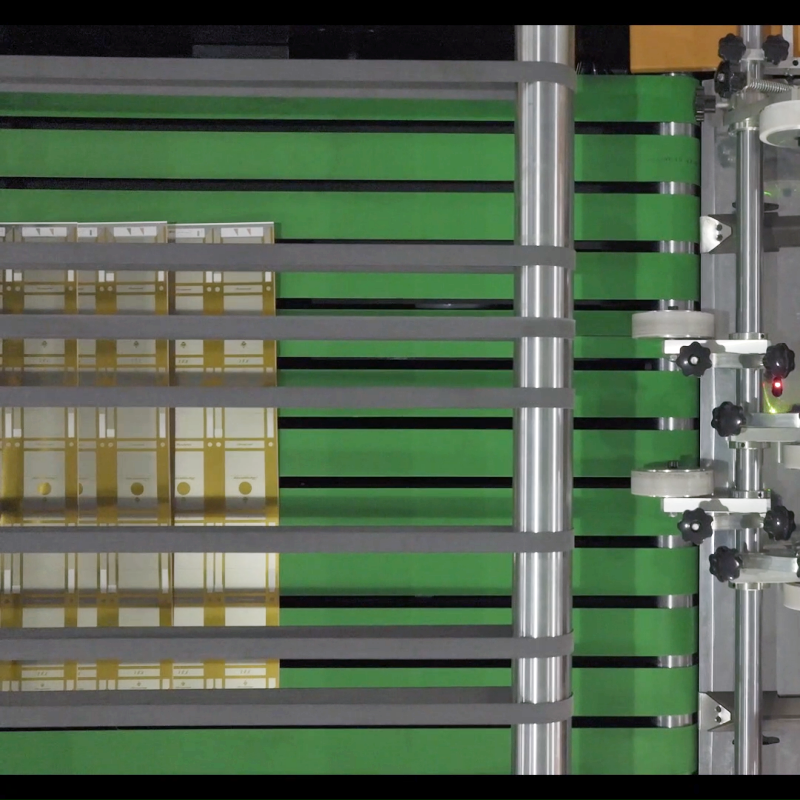
کاغذ کاٹنے والی مشینوں کی درستگی اور کارکردگی براہ راست ان کے کاٹنے والے بلیڈز کی معیار پر منحصر ہوتی ہے، جس کی وجہ سے بلیڈ کے انتخاب کو صنعتی درجات کے تمام اطلاقات میں مستقل کارکردگی حاصل کرنے کے لیے سب سے اہم عوامل میں سے ایک سمجھا جاتا ہے۔ پیشہ ورانہ چھاپنے کی سہولیات، پیکیجنگ کمپنیاں اور تیاری کے آپریشنز کاغذ کاٹنے والی مشینوں پر بہت زیادہ انحصار کرتے ہیں تاکہ وہ صاف اور درست کاٹنے کی خدمات فراہم کر سکیں جو سخت معیارِ معیار کو پورا کرتی ہوں۔ جب بلیڈ کا معیار خراب ہوتا ہے تو پورے تیاری کے عمل کو درستگی میں کمی، زائد فضلہ اور ممکنہ طور پر مشین کے استعمال میں رکاوٹ کا سامنا کرنا پڑتا ہے۔
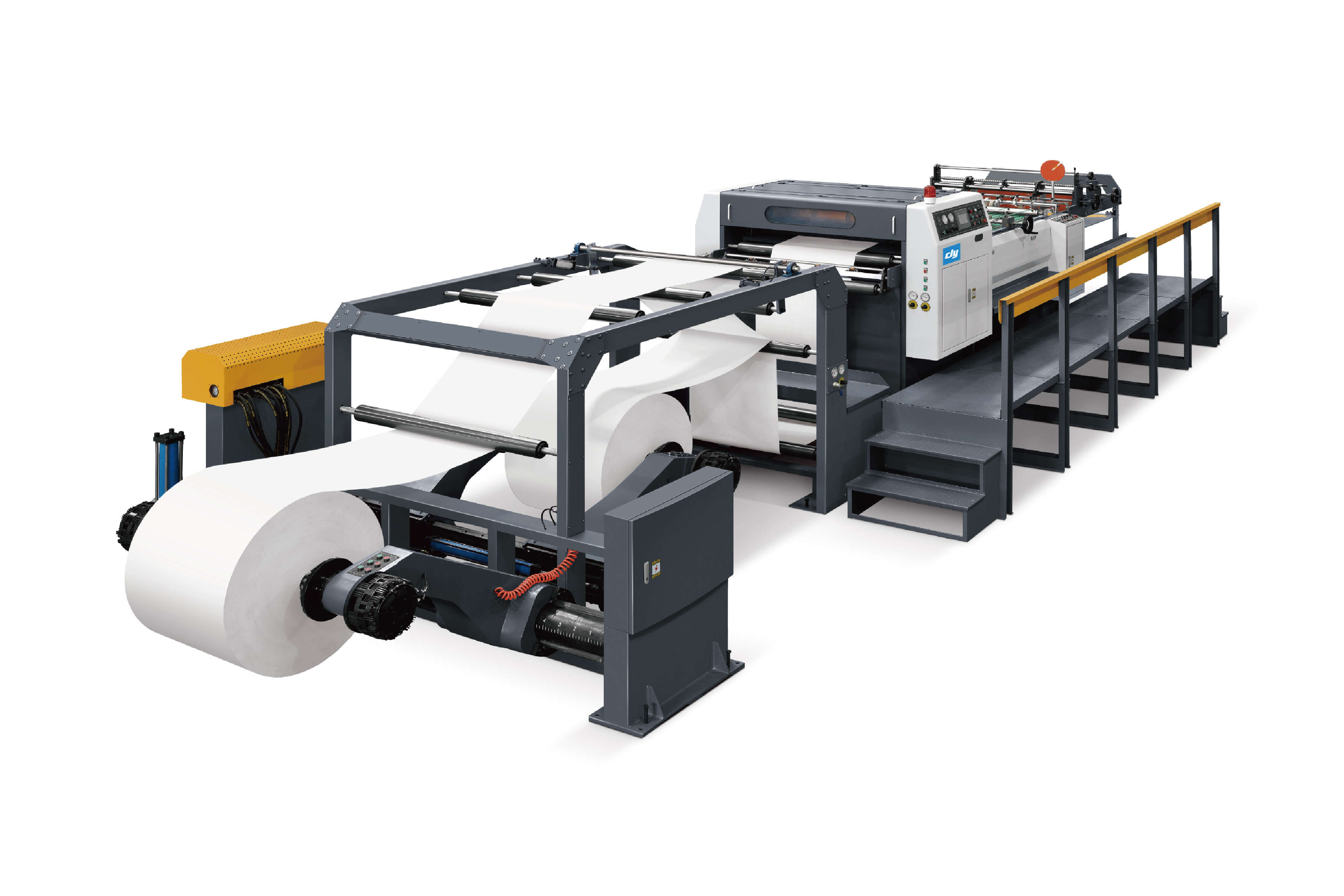
صنعتی کاغذ کاٹنے کے آپریشنز کو اپنے آلات سے استثنائی درستگی اور قابل اعتمادی کی ضرورت ہوتی ہے۔ بلیڈ مشین اور مواد کے درمیان بنیادی رابطہ نقطہ کا کام کرتا ہے، اس لیے اس کی حالت کامیاب نتائج کے لیے انتہائی اہم ہوتی ہے۔ اعلیٰ معیار کے بلیڈ لمبے عرصے تک اپنی تیزی برقرار رکھتے ہیں، مسلسل کام کے دوران پہننے کے خلاف مزاحمت کرتے ہیں، اور یکساں نتائج کے لیے ضروری مستقل کاٹنے کی طاقت فراہم کرتے ہیں۔ جدید کاغذ کاٹنے والی مشینوں میں جدید بلیڈ ٹیکنالوجیز کو شامل کیا گیا ہے جو عملکرد اور صلاحیت دونوں کو بہتر بناتی ہیں، یقینی بناتی ہیں کہ آپریٹرز بار بار بلیڈ تبدیل کیے بغیر پیداواری سطح کو برقرار رکھ سکیں۔
بلاڈ کی معیار اور مشین کے عمل کے درمیان تعلق کو سمجھنا آپریٹرز کو دیکھ بھال کے شیڈول، بلاڈ کے انتخاب کے معیارات اور آپریشنل پیرامیٹرز کے بارے میں آگاہ فیصلے کرنے کے قابل بناتا ہے۔ بہتر بلاڈ ٹیکنالوجی میں سرمایہ کاری اکثر براہ راست آپریشنل اخراجات میں کمی، مصنوعات کی معیار میں بہتری اور مجموعی طور پر آلات کی موثریت میں اضافے کے طور پر ظاہر ہوتی ہے۔ یہ جامع تجزیہ بلاڈ کے معیار کے بنیادی پہلوؤں اور مختلف صنعتی درجات میں کاغذ کاٹنے والی مشینوں کے عمل پر اس کے اثرات کا جائزہ لیتا ہے۔
مواد کی سائنس اور بلاڈ کی تعمیر
سٹیل کی تشکیل اور سختی کی خصوصیات
غیر معمولی بلیڈ کارکردگی کی بنیاد بلیڈ کی تعمیر میں استعمال ہونے والے سٹیل کے مواد کے احتیاط سے انتخاب اور علاج پر منحصر ہے۔ ہائی کاربن سٹیل ایلوئز کاغذ کاٹنے والی مشینوں میں مستقل کٹائی کے آپریشنز کے لیے درکار سختی اور مضبوطی کا بہترین توازن فراہم کرتے ہیں۔ کاربن کی مقدار عام طور پر 0.8% سے 1.2% تک ہوتی ہے، جس کی بدولت صنعت کار مناسب حرارتی علاج کے عمل کے ذریعے 58-62 HRC کے درمیان سختی کے درجے حاصل کر سکتے ہیں۔ یہ سختی کی حد یقینی بناتی ہے کہ بلیڈ اپنے کٹنے کے کنارے کو برقرار رکھیں جبکہ چِپنگ اور جلدی پہننے سے بچاؤ کرتے رہیں۔
جدید دھاتیاتی تقنيات جیسے کہ مختلف سختی کا طریقہ (ڈفرنشل ہارڈننگ) تلواروں کو ایسی شکل دیتی ہیں جن کے کاٹنے والے کنارے سخت ہوتے ہیں اور پیچھے کا مواد زیادہ لچکدار ہوتا ہے۔ اس تعمیری طریقہ کار سے تلوار کے مکمل طور پر ٹوٹ جانے کے خطرے میں کمی آتی ہے، جبکہ صاف کاغذ کاٹنے کے لیے ضروری تیز کاٹنے کی خصوصیات برقرار رہتی ہیں۔ ماہرانہ سٹیل کی درجہ بندیوں میں کرومیم، وینیڈیم اور ٹنگسٹن کے اضافے شامل ہوتے ہیں جو پہننے کے مقابلے اور کنارے کو برقرار رکھنے کی صلاحیت میں اضافہ کرتے ہیں۔ یہ ملاوٹ کے عناصر سٹیل کے میٹرکس کے اندر کاربائیڈز تشکیل دیتے ہیں، جو کام کے دوران کاٹنے کے کنارے کو سہارا دینے والے مائیکرو اسکوپک سخت ذرات بناتے ہیں۔
معیاری بلیڈ کے صنعت کار جدید حرارتی علاج کے طریقہ کار استعمال کرتے ہیں جو فولاد کی مائیکرو سٹرکچر کو بہتر بنانے کے لیے گرم کرنے اور ٹھنڈا کرنے کے عمل کو درست طریقے سے کنٹرول کرتے ہیں۔ مناسب ٹیمپرنگ کے عمل سے اندریلے تناؤ کو ختم کر دیا جاتا ہے جو آپریشنل لوڈ کے تحت بلیڈ کے ڈسٹورشن یا دراڑیں پیدا کرنے کا باعث بن سکتے ہیں۔ اس کے نتیجے میں حاصل شدہ بلیڈ میں سختی کی یکسان تقسیم اور اس کی پوری سروس زندگی کے دوران قابلِ پیش گوئی کارکردگی کی خصوصیات پائی جاتی ہیں۔ جدید کاغذ کاٹنے والی مشینیں ان جدید بلیڈ مواد سے کافی فائدہ اٹھاتی ہیں، جس کے ذریعے لمبے پیداواری دوران مسلسل کاٹنے کی معیاری کارکردگی حاصل کی جاتی ہے۔
کنارے کی جیومیٹری اور کاٹنے کی حرکیات
کاٹنے والے کنارے کی ہندسی ساخت کاغذ کاٹنے والی مشینوں کے کاٹنے کے عمل کی موثریت طے کرنے میں انتہائی اہم کردار ادا کرتی ہے۔ بلیڈ کا زاویہ، کنارے کا رداس، اور سطح کی ختم شدہ حالت تمام تر کاٹنے کی حرکیات اور آخری کاٹ کی معیار پر اثر انداز ہوتی ہے۔ کاغذ کاٹنے کے درجات کے لیے بہترین کنارے کے زاویے عام طور پر 18 سے 22 درجہ کے درمیان ہوتے ہیں، جو کاٹنے کی موثریت اور کنارے کی پائیداری کے درمیان مثالی متوازن حالت فراہم کرتے ہیں۔ تنگ زاویے تیز کاٹ پیدا کرتے ہیں لیکن وہ چِپنگ کے زیادہ قابلِ اثر ہو سکتے ہیں، جبکہ چوڑے زاویے کاٹنے کی ہمواری کو قربان کرتے ہوئے زیادہ پائیداری فراہم کرتے ہیں۔
جدید گرائنڈنگ کی تکنیکوں کے ذریعے مائیکرو میٹر میں ماپے جانے والے ایج ریڈیئس حاصل کیے جاتے ہیں، جو کاغذ کے ریشوں کو کم سے کم مزاحمت کے ساتھ کاٹنے کے لیے بہت تیز کاٹنے والی سطحیں بناتے ہیں۔ کاٹنے والے کنارے کی سطحی ختم شدگی اس بات کو متاثر کرتی ہے کہ بلیڈ مواد کے اندر کتنی ہمواری سے حرکت کرتا ہے اور یہ کاٹی گئی سطح کی معیار پر اثر انداز ہوتی ہے۔ آئینہ جیسی پالش شدہ کنارے رگڑ کو کم کرتے ہیں اور کاغذ کے ریشوں کو بلیڈ کی سطح سے چپکنے سے روکتے ہیں، جس سے لمبے عرصے تک کاٹنے کی کارکردگی برقرار رہتی ہے۔ مخصوص کوٹنگ کی تکنیکیں بلیڈ کی کارکردگی کو مزید بہتر بنانے کے لیے رگڑ کے عددی اقدار کو کم کرنے اور مزید پہننے کے تحفظ فراہم کرنے میں مدد دیتی ہیں۔
کمپیوٹیشنل فلو ڈائنامکس ماڈلنگ انجینئرز کو خاص قسم کے کاغذات اور کاٹنے کی رفتار کے لیے بلیڈ کی جیومیٹری کو بہتر بنانے میں مدد دیتی ہے۔ یہ سائنسی طریقہ کار یقینی بناتا ہے کہ مناسب طریقے سے ڈیزائن کردہ بلیڈز سے آراستہ کاغذ کاٹنے والی مشینیں زیادہ سے زیادہ کاٹنے کی کارکردگی حاصل کریں جبکہ توانائی کے استعمال کو کم سے کم رکھا جائے۔ کنارے کی جیومیٹری اور کاٹنے کی طاقت کے درمیان تعلق خاص طور پر اُن تیز رفتار عملوں میں اہم ہوتا ہے جہاں زیادہ کاٹنے کا مقابلہ مواد کی تشکیل میں تبدیلی یا مشین کے وائبریشن کا باعث بن سکتا ہے۔
کاٹنے کی درستگی پر کارکردگی کا اثر
ابعادی درستگی اور تحمل کنٹرول
پیشہ ورانہ ماحول میں کاغذ کاٹنے والی مشینوں کے لیے سخت ابعادی رواداری کو برقرار رکھنا ان کی سب سے زیادہ طلب کرنے والی ضروریات میں سے ایک ہے۔ بلیڈ کی معیار براہ راست مشین کی صلاحیت کو متاثر کرتی ہے کہ وہ مخصوص رواداری کی حدود کے اندر کٹائی پیدا کرے، جو عام طور پر ملی میٹر کے اجزاء میں ماپی جاتی ہے۔ تیز اور اچھی طرح سے دیکھ بھال کی گئی بلیڈیں صاف داخلہ اور خارجہ نقاط پیدا کرتی ہیں جو کٹائی کے عمل کے دوران مواد کے ٹیڑھے ہونے کو کم سے کم کرتی ہیں۔ کھوٹی یا خراب بلیڈیں ایسی کٹائی کی قوتیں پیدا کرتی ہیں جو پتلے مواد کو منحرف کر سکتی ہیں، جس کے نتیجے میں ابعادی تبدیلیاں آتی ہیں جو قابلِ قبول حدود سے تجاوز کر جاتی ہیں۔
بلیڈ کی تیزی کی یکسانی پورے کاٹنے والے کنارے پر ایک یکساں کاٹنے کے دباؤ کے تقسیم کو یقینی بناتی ہے اور مقامی مواد کی تشکیل میں تبدیلی کو روکتی ہے۔ اعلیٰ معیار کے بلیڈز بار بار کاٹنے کے چکروں کے دوران اپنی ہندسی درستگی برقرار رکھتے ہیں، جس سے کاغذ کاٹنے والی مشینوں کی درستگی کی صلاحیتوں کو ان کی عملی عمر بھر برقرار رکھا جاتا ہے۔ جدید بلیڈ تیاری کے طریقوں میں درست گرائنڈنگ کے آپریشنز شامل ہیں جو مائیکرو میٹر میں ماپی جانے والی سیدھے پن کی حدود حاصل کرتے ہیں، تاکہ کاٹنے والے کنارے کو مشین کے مکینیکل نظام کے ساتھ بالکل درست طریقے سے ترتیب دیا جا سکے۔
بلیڈ کی معیار کے جائزے پر اطلاق کردہ احصائی عمل کنٹرول کے طریقوں سے بلیڈ کی حالت اور کاٹنے کی درستگی کے درمیان واضح ربط ثابت ہوتا ہے۔ قابلِ پیمائش پہننے کے معیارات کی بنیاد پر باقاعدہ بلیڈ کا معائنہ اور اس کی تبدیلی کے طریقہ کار سے مستقل بعدی کارکردگی کو برقرار رکھا جاتا ہے۔ کاغذ کاٹنے والی مشینیں اُعلیٰ معیار کے بلیڈ مانیٹرنگ سسٹم سے لیس مشینیں خود بخود تشخیص کر سکتی ہیں کہ جب بلیڈ کو تبدیل کرنا ضروری ہو گیا ہے، جس سے پیداواری آؤٹ پٹ پر اثر انداز ہونے سے پہلے ہی معیار کے تنزلی کو روکا جا سکتا ہے۔
کٹ سطح کا معیار اور کنارے کی خصوصیات
کٹ سطح کا معیار بلیڈ کی موثریت اور اس کی مخصوص کاغذ کے مواد کے ساتھ مطابقت کو ظاہر کرتا ہے جو دریافت کیا جا رہا ہے۔ اعلیٰ معیار کی بلیڈ سے حاصل ہونے والے کٹ کنارے چِکنے، سیدھے اور پھٹنے یا خشک اور ناہموار علاقوں سے پاک ہوتے ہیں جو حتمی مصنوعات کی شکل و صورت یا کارکردگی کو متاثر کر سکتے ہیں۔ مختلف قسم کے کاغذ مختلف طرح سے مختلف بلیڈ کی ترتیبات پر ردعمل ظاہر کرتے ہیں، جس کی وجہ سے بہترین نتائج کے لیے بلیڈ کے مواد اور ہندسیات کے انتخاب پر غور کرنا ضروری ہوتا ہے۔
کاٹے ہوئے کناروں کا مائیکروسکوپی معائنہ اعلیٰ معیار کے بلیڈز اور غیر معیاری بلیڈز کے ذریعے کیے گئے کاٹنے کے درمیان فرق ظاہر کرتا ہے۔ تیز دھار بلیڈز صاف ریشے کے علیحدگی پیدا کرتے ہیں جس میں کم سے کم دباؤ یا پھٹنے کا اثر ہوتا ہے، جبکہ کھنڈر والے بلیڈز کاغذ کے ریشے دبایا کرتے ہیں اور کھردرا، نامنظم کناروں کی سطح پیدا کرتے ہیں۔ یہ سطح کی معیاری فرق خاص طور پر ان درجوں میں اہم ہوتا ہے جہاں کاٹے ہوئے کنارے حتمی مصنوعات میں نظر آتے رہتے ہیں یا جہاں کناروں کی خصوصیات کو بعد کے عمل جیسے موڑنا یا باندھنا متاثر کرتی ہیں۔
کوٹڈ کاغذ اور خاص ذیلی مواد اضافی چیلنجز پیش کرتے ہیں جو کاغذ کاٹنے والی مشینوں میں بلیڈ کے معیار کی اہمیت کو اُجاگر کرتے ہیں۔ مناسب کوٹنگ کے ساتھ اعلیٰ معیار کے بلیڈز چپکنے والے مواد کو بغیر گم کی تعمیر کے کاٹ سکتے ہیں جو بعد کے کاٹنے کو متاثر کر سکتی ہے۔ مختلف قسم کے مواد پر صاف کاٹنے کی کارکردگی برقرار رکھنے کی صلاحیت یہ ظاہر کرتی ہے کہ کثیر مقصدی کاٹنے کے اعمال کے لیے اعلیٰ درجے کی بلیڈ ٹیکنالوجی میں سرمایہ کاری کا بہت زیادہ فائدہ ہوتا ہے۔
کارکردگی کی کاراں اور لاگت کے امور
بلاڈ کی عمر اور تبدیلی کے وقفات
کاٹنے والے بلاڈز کی سروس لائف براہ راست کاغذ کاٹنے والی مشینوں کے آپریشنل اخراجات اور پیداواری سطح کو متاثر کرتی ہے۔ اعلیٰ معیار کے بلاڈز عام طور پر معیاری متبادل کے مقابلے میں کافی لمبے عرصے تک اپنی کاٹنے کی موثریت برقرار رکھتے ہیں، جس سے بلاڈز کی تبدیلی کی فریکوئنسی اور اس سے منسلک ڈاؤن ٹائم کم ہو جاتا ہے۔ بلاڈ کی لمبی عمر کا مطلب ہے کہ بلاڈ کی کل آپریشنل زندگی کے دوران فی کاٹ لاگت کم ہوتی ہے، جو اکثر پریمیم بلاڈ پروڈکٹس کے لیے زیادہ ابتدائی سرمایہ کاری کو جائز ٹھہراتی ہے۔
بلاڈ کی حالت کی نگرانی پر مبنی پیش گوئانہ رکھ روبان کی حکمت عملیاں آپریٹرز کو ہر بلاڈ کی مفید عمر کو زیادہ سے زیادہ استعمال کرنے اور معیار کے تنزلی کو روکنے میں مدد دیتی ہیں۔ جدید کاغذ کاٹنے والی مشینوں میں سینسرز شامل ہوتے ہیں جو کاٹنے کی طاقت، وائبریشن کی سطح اور دیگر ایسے پیرامیٹرز کو ٹریک کرتے ہیں جو بلاڈ کی حالت سے منسلک ہوتے ہیں۔ یہ نگرانی کے نظام ڈیٹا پر مبنی بلاڈ تبدیلی کے فیصلوں کو ممکن بناتے ہیں جو لاگت اور کارکردگی دونوں کے نتائج کو بہتر بناتے ہیں۔
بلاڈ کی معیار کا معاشی اثر صرف تبدیلی کے اخراجات تک محدود نہیں ہے بلکہ اس میں سیٹ اپ کا وقت، آپریٹر کی تربیت کی ضروریات، اور فضلہ پیدا کرنے کے عوامل بھی شامل ہیں۔ اعلیٰ معیار کے بلاڈز کو اکثر کم بار بار ایڈجسٹمنٹ اور کیلیبریشن کی ضرورت ہوتی ہے، جس سے مشین کی دیکھ بھال کے لیے ماہر لیبر کے وقت میں کمی آتی ہے۔ مستقل کٹنگ کارکردگی سے بھی غلط کٹنگ کی وجہ سے مواد کا فضلہ کم ہوتا ہے، جو کاغذ کاٹنے والی مشینوں میں مجموعی آپریشنل کارکردگی میں اضافہ کرتی ہے۔
انرجی کا استعمال اور مشین کا استعمال
صاف الگاؤ حاصل کرنے کے لیے درکار کٹنگ فورس بلاڈ کی تیزی اور جیومیٹری پر بہت زیادہ منحصر ہوتی ہے، جو کاغذ کاٹنے والی مشینوں کے انرجی کے استعمال کو براہ راست متاثر کرتی ہے۔ تیز اور اچھی طرح ڈیزائن کردہ بلاڈز مواد کو کاٹنے کے لیے کم فورس کی ضرورت ہوتی ہے، جس سے بجلی کا استعمال اور مشین کے اجزاء پر مکینیکل دباؤ دونوں میں کمی آتی ہے۔ یہ تعلق خاص طور پر اُن بڑے پیمانے پر آپریشنز میں اہم ہو جاتا ہے جہاں انرجی کے اخراجات آپریشنل اخراجات کا ایک بڑا حصہ ہوتے ہیں۔
کم کاٹنے کی طاقتیں مشین کے بیئرنگز، گائیڈز اور ڈرائیو سسٹمز پر پہنچنے والے استعمال کو بھی کم کرتی ہیں، جس سے کاغذ کاٹنے والی مشینوں کی مجموعی عمر بڑھ جاتی ہے۔ تیز دھار والے بلیڈز کی طرف سے فراہم کردہ مکینیکل فائدہ مشین کے ڈھانچے میں آپریشنل تناؤ کو زیادہ یکساں طور پر تقسیم کرتا ہے، جس سے اہم اجزاء کی جلدی خرابی روکی جاتی ہے۔ باقاعدہ بلیڈ رکھ راستہ کے منصوبے جو بہترین کاٹنے کی حالتوں کو برقرار رکھتے ہیں، تمام سامان کی قابلیتِ اعتماد اور دستیابی میں نمایاں اضافہ کرتے ہیں۔
وائبریشن کا تجزیہ ظاہر کرتا ہے کہ کھوٹے یا خراب شدہ بلیڈز غیر منظم کاٹنے کی طاقتیں پیدا کرتے ہیں جو مشین کے ڈھانچے میں ریزوننٹ فریکوئنسیز کو فعال کر سکتی ہیں۔ یہ وائبریشنز نہ صرف کاٹنے کی معیار پر اثر انداز ہوتی ہیں بلکہ مکینیکل اجزاء پر استعمال کو تیز کرتی ہیں اور پیداواری ماحول میں شور کے مسائل بھی پیدا کرتی ہیں۔ اعلیٰ معیار کے بلیڈز جو مستقل کاٹنے کی خصوصیات برقرار رکھتے ہیں، کاغذ کاٹنے والی مشینوں کو ان کے سروس کے دوران ہموار اور خاموش طور پر چلانے میں مدد دیتے ہیں۔
دیکھ بھال کے بہترین طریقے اور بہترین کارکردگی
بلیڈ کی انسٹالیشن اور ایلائنمنٹ کی طریقہ کار
مناسب بلیڈ کی انسٹالیشن کاغذ کاٹنے والی مشینوں سے بہترین کارکردگی حاصل کرنے کے لیے ایک اہم عنصر ہے۔ حتیٰ کہ سب سے اعلیٰ معیار کے بلیڈز بھی اپنی مکمل صلاحیت کو ظاہر نہیں کر سکتے اگر انسٹالیشن کے طریقہ کار میں مناسب ترتیب اور مضبوطی سے جکڑنے کی قوت حاصل نہ کی جا سکے۔ درست انسٹالیشن کے لیے درستگی کے آلات اور پیمائش کے اوزار یقینی بناتے ہیں کہ بلیڈز مشین کے کاٹنے کے رہنماؤں اور مواد کی حمایت کے نظام کے حوالے سے مخصوص حدود کے اندر درست مقام پر لگائے گئے ہوں۔
بلیڈ کلیمپنگ سسٹمز کے لیے ٹارک کی خصوصیات کو غیر محفوظ کلیمپنگ کے باعث بلیڈ کی حرکت اور زیادہ کلیمپنگ کے باعث تناؤ کے مرکزی نقاط پیدا ہونے سے روکنے کے لیے احتیاط سے اپنانا چاہیے۔ مناسب کلیمپنگ بلیڈ کی ماؤنٹنگ سطح کے ساتھ پکڑنے کی طاقت کو یکساں طور پر تقسیم کرتی ہے، جس سے کٹنگ جیومیٹری کو متاثر کرنے والی بے شکلی کو روکا جا سکتا ہے۔ رکھ راست عملے کے لیے تربیتی پروگراموں میں انسٹالیشن کے طریقوں کی انتہائی اہمیت پر زور دینا چاہیے اور ہر قسم کے کاغذ کاٹنے والے مشین کے لیے مخصوص آلات اور تکنیکوں کے ساتھ عملی تجربہ فراہم کرنا چاہیے۔
بلاڈ انسٹالیشن کے پیرامیٹرز کی دستاویزی کارروائی متعدد مشینوں اور آپریٹرز کے درمیان یکسانیت کو یقینی بناتی ہے، جبکہ جب کاٹنے کی معیاری مسائل پیدا ہوتی ہیں تو ان کے حل میں بھی آسانی پیدا کرتی ہے۔ ڈیجیٹل پیمائش کے نظام بلاڈ کی پوزیشن اور سمت کو اس درجہ کی درستگی سے تصدیق کر سکتے ہیں جو دستی پیمائش کی صلاحیتوں سے زیادہ ہوتی ہے، جس سے انسٹالیشن کے نتائج کو دہرایا جا سکتا ہے۔ بلاڈ انسٹالیشن کے ان منظم طریقوں سے بلاڈ اور کاغذ کاٹنے والی مشین دونوں کی کارکردگی کو زیادہ سے زیادہ استعمال کیا جا سکتا ہے۔
نگرانی اور تبدیلی کے معیارات
بلاڈ کی تبدیلی کے فیصلوں کے لیے غیر جانبدار معیارات کا تعین کرنا کاغذ کاٹنے والی مشینوں میں کاٹنے کی معیار اور آپریشنل اخراجات کے درمیان توازن کو بہتر بنانے میں مدد دیتا ہے۔ بصارتی معائنہ کے طریقوں سے واضح نقصانات جیسے چِپس یا شدید پہننے کا پتہ لگایا جا سکتا ہے، لیکن زیادہ پیچیدہ پیمائش کے طریقوں سے بلاڈ کی حالت کے بارے میں مقداری ڈیٹا حاصل کیا جا سکتا ہے۔ خاص آپٹیکل نظاموں کا استعمال کرتے ہوئے ایج ریڈیئس کی پیمائش سے بلاڈ کی تیزی میں کمی کا پتہ لگایا جا سکتا ہے، جو اس وقت تک ظاہر ہوتی ہے جب تک کہ وہ کاٹنے کے معیار کو خراب نہ کر دے۔
کاٹنے کی طاقت کی نگرانی کے نظام کاٹنے کے آپریشنز مکمل کرنے کے لیے ضروری طاقت کو ٹریک کرکے بلاڈ کی حالت کے بارے میں حقیقی وقت کی فیڈ بیک فراہم کرتے ہیں۔ کاٹنے کی طاقت میں تدریجی اضافہ عام طور پر بلاڈ کے کھوٹے ہونے کی نشاندہی کرتا ہے، جبکہ اچانک طاقت میں اضافہ نقصان یا غلط انسٹالیشن کی علامت ہو سکتی ہے۔ ان نگرانی کے نظاموں کو مشین کنٹرول سسٹمز کے ساتھ ضم کیا جا سکتا ہے تاکہ بلاڈ کی تبدیلی کی ضرورت پڑنے پر خودکار الرٹس فراہم کیے جا سکیں، جس سے معیار کے مسائل کو ان کے وقوع پذیر ہونے سے پہلے روکا جا سکے۔
کٹنگ کی معیاری اعداد و شمار کا تجزیہ استعمال کے حقیقی عمل کی بنیاد پر تبدیلی کے شیڈول طے کرنے میں مدد دیتا ہے، نہ کہ مصنوعی وقت کے فاصلوں کی بنیاد پر۔ اس طریقہ کار سے یہ یقینی بنایا جاتا ہے کہ بلیڈز کو صرف اس وقت تبدیل کیا جائے جب ان کی موجودہ حالت درحقیقت تبدیلی کی ضرورت ہو، جس سے ہر بلیڈ کے استعمال کو زیادہ سے زیادہ موثر بنایا جا سکتا ہے اور معیاری معیارات برقرار رکھے جا سکتے ہیں۔ جن کاغذ کاٹنے والی مشینوں میں جامع نگرانی کے نظام موجود ہوں، وہ بلیڈ کے بہترین استعمال کو حاصل کر سکتی ہیں جبکہ بلیڈ کی پوری سروس لائف کے دوران مستقل کٹنگ کارکردگی کو برقرار رکھ سکتی ہیں۔
فیک کی بات
کاغذ کاٹنے والی مشینوں میں بلیڈز کو کتنی بار تبدیل کیا جانا چاہیے؟
بلاڈ کی تبدیلی کی فریکوئنسی کئی عوامل پر منحصر ہوتی ہے، جن میں مواد کی قسم، کٹنگ کا حجم، اور معیاری ضروریات شامل ہیں۔ معیاری کاغذ کو پروسیس کرنے والے زیادہ حجم والے آپریشنز کے لیے بلاڈ کو 2 سے 4 ہفتے بعد تبدیل کرنے کی ضرورت ہو سکتی ہے، جبکہ خاص مقاصد یا کم حجم کے استعمال میں بلاڈ کی عمر 2 سے 3 ماہ تک بڑھ سکتی ہے۔ سب سے قابل اعتماد طریقہ کٹنگ کے معیار اور زور کے پیمائش کو نگرانی کرنا ہے، بجائے کہ سخت وقت کے شیڈول کی پیروی کرنے کے۔ پیشہ ورانہ آپریٹرز عام طور پر ایج ویئر، کٹنگ فورس میں اضافہ، یا سطح کے معیار میں کمی جیسے قابلِ پیمائش کارکردگی کے پیرامیٹرز کی بنیاد پر تبدیلی کے معیارات طے کرتے ہیں۔ جدید کاغذ کاٹنے والی مشینوں میں اکثر نگرانی کے نظام شامل ہوتے ہیں جو تبدیلی کے وقت کے فیصلوں کے لیے غیر جانبدار ڈیٹا فراہم کرتے ہیں۔
کاغذ کاٹنے کے آپریشنز میں بلاڈ کے معیار کے مسائل کے کون سے اشارے ہیں؟
کئی اشارے ظاہر کرتے ہیں کہ جب بلیڈ کی معیاری خرابیاں کاغذ کاٹنے والی مشین کی کارکردگی کو متاثر کر رہی ہوں۔ کاٹے ہوئے کناروں کی خشک یا پھٹی ہوئی سطح، بلیڈ کی خرابی کی سب سے واضح علامت ہے، خاص طور پر جب وہ کاٹنے کے نتائج جو پہلے صاف تھے، اب ریشے کے نقصان یا غیر منظم سطح کو ظاہر کرنے لگیں۔ کاٹنے کے لیے زیادہ طاقت کی ضرورت، جو اکثر موٹر کے زیادہ برقی کرنٹ یا آپریشن کے دوران زیادہ شور کے ذریعے ظاہر ہوتی ہے، اس بات کی نشاندہی کرتی ہے کہ بلیڈ دھندلا چکے ہیں اور کاٹنے کے عمل کو مکمل کرنے کے لیے انہیں زیادہ توانائی کی ضرورت ہے۔ ابعادی درستگی کے مسائل، جہاں کاٹنے کے نتائج مخصوص حدود (ٹالرنس) کو پورا نہیں کرتے، اکثر بلیڈ کی پہنن (ویئر) یا خرابی کی وجہ سے ہوتے ہیں جو کاٹنے کی ہندسیات (جیومیٹری) کو متاثر کرتی ہے۔ اس کے علاوہ، کاٹنے کے دوران مواد کا اُٹھنا یا موڑنا عام طور پر اس بات کی نشاندہی کرتا ہے کہ بلیڈ کی تیزی اتنا کم ہو چکی ہے کہ کاٹنے کی قوتیں غیر مرغوبہ سمتوں میں مواد کی مضبوطی سے زیادہ ہو گئی ہیں۔
کیا بلیڈ کا معیار اس بات کو متاثر کر سکتا ہے کہ کاغذ کاٹنے والی مشینیں کن اقسام کے مواد کو پروسیس کر سکتی ہیں؟
بلاڈ کی معیار ورقت کاٹنے والی مشینوں کے ذریعے موثر طریقے سے پروسیس کی جانے والی مواد کی حد کو کافی حد تک متاثر کرتا ہے۔ مناسب جیومیٹری اور کوٹنگز کے ساتھ اعلیٰ معیار کے بلاڈز مختلف سبسٹریٹس جیسے کوٹڈ کاغذ، کارڈ بورڈ، مصنوعی مواد اور متعدد لیئر لامینیٹس کو سنبھال سکتے ہیں۔ بہتر بلاڈ کے مواد اور کناروں کے علاج سے جھاڑو والے مواد کو کاٹتے وقت پہننے کا مقابلہ کیا جا سکتا ہے اور چپکنے والے سبسٹریٹس کو پروسیس کرتے وقت چپکنے والے مادوں کی تعمیر کو روکا جا سکتا ہے۔ اس کے برعکس، کم معیار کے بلاڈز مشین کی صلاحیتوں کو بنیادی کاغذ کی اقسام تک محدود کر سکتے ہیں اور ان مشکل مواد کے ساتھ استعمال کرنے پر انہیں اکثر صاف کرنا یا تبدیل کرنا پڑ سکتا ہے۔ جدید ورقت کاٹنے والی مشینوں کی تنوع پسندی اکثر مشین کی مکینیکل صلاحیتوں سے زیادہ بلاڈ کے انتخاب اور معیار پر منحصر ہوتی ہے، جس کی وجہ سے مواد کی لچک کی ضرورت رکھنے والے آپریشنز کے لیے بلاڈ کی سرمایہ کاری نہایت اہم ہوتی ہے۔
بلاڈ جیومیٹری مختلف ورقت کاٹنے والی مشینوں کے درخواستوں میں کاٹنے کی کارکردگی کو کس طرح متاثر کرتی ہے؟
بلیڈ جیومیٹری کی اصلاح کاغذ کٹر مشین کی کارکردگی کو مخصوص درخواست کے تقاضوں سے ملانے میں بنیادی کردار ادا کرتی ہے۔ ایکیوٹ ایج اینگل پتلے مواد اور درست کام کے لیے انتہائی تیز کٹنگ فراہم کرتے ہیں لیکن موٹی یا سخت سبسٹریٹس پر استعمال ہونے پر چپ ہو سکتے ہیں۔ موٹے زاویے ہیوی ڈیوٹی ایپلی کیشنز کے لیے زیادہ پائیداری پیش کرتے ہیں جبکہ کچھ کٹنگ نفاست کی قربانی دیتے ہیں۔ کنارے کا رداس، سطح کی تکمیل، اور بلیڈ کی موٹائی سبھی کو کاٹنے کی حرکیات میں حصہ ڈالتے ہیں اور ان کا انتخاب مادی خصوصیات اور پیداواری ضروریات کی بنیاد پر کیا جانا چاہیے۔ مخصوص جیومیٹریز جیسے سیرٹیڈ یا مائیکرو ٹوتھڈ ایجز مخصوص ایپلی کیشنز میں بہترین ہیں جیسے مصنوعی مواد کو کاٹنا یا کاٹنے کے عمل کے دوران مواد کے پھسلن کو روکنا۔ ان جیومیٹرک تعلقات کو سمجھنا آپریٹرز کو بلیڈ کی بہترین کنفیگریشنز کو منتخب کرنے کے قابل بناتا ہے جو ان کی مخصوص پیپر کٹر مشین ایپلی کیشنز کے لیے کٹنگ کوالٹی اور آپریشنل کارکردگی دونوں کو زیادہ سے زیادہ بناتے ہیں۔
موضوعات کی فہرست
- مواد کی سائنس اور بلاڈ کی تعمیر
- کاٹنے کی درستگی پر کارکردگی کا اثر
- کارکردگی کی کاراں اور لاگت کے امور
- دیکھ بھال کے بہترین طریقے اور بہترین کارکردگی
-
فیک کی بات
- کاغذ کاٹنے والی مشینوں میں بلیڈز کو کتنی بار تبدیل کیا جانا چاہیے؟
- کاغذ کاٹنے کے آپریشنز میں بلاڈ کے معیار کے مسائل کے کون سے اشارے ہیں؟
- کیا بلیڈ کا معیار اس بات کو متاثر کر سکتا ہے کہ کاغذ کاٹنے والی مشینیں کن اقسام کے مواد کو پروسیس کر سکتی ہیں؟
- بلاڈ جیومیٹری مختلف ورقت کاٹنے والی مشینوں کے درخواستوں میں کاٹنے کی کارکردگی کو کس طرح متاثر کرتی ہے؟