Üretkenliği Maksimize Eden ve İsrafı En Aza İndiren Akıllı Otomasyon
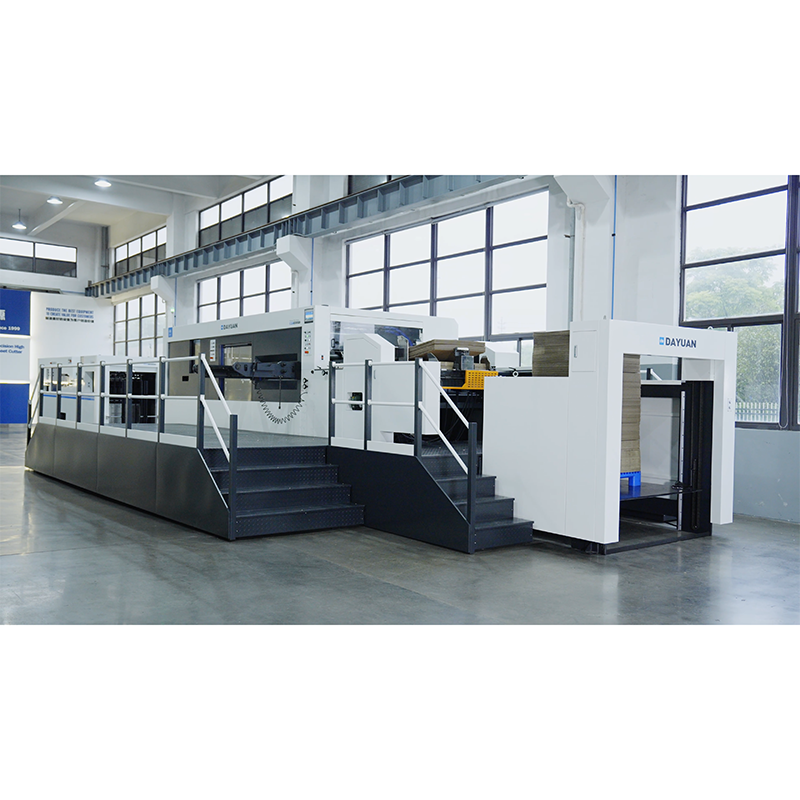
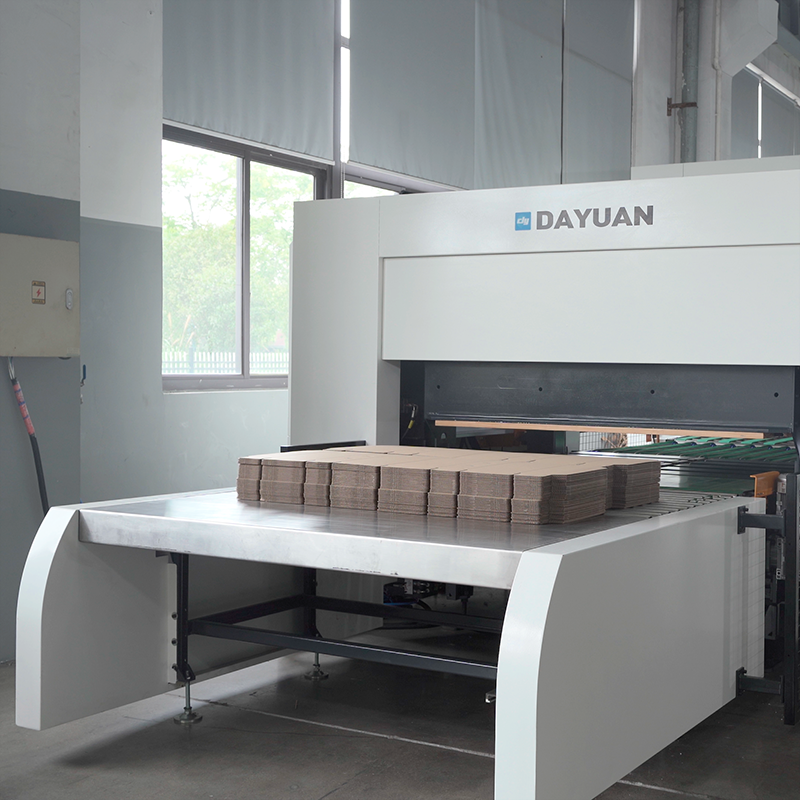
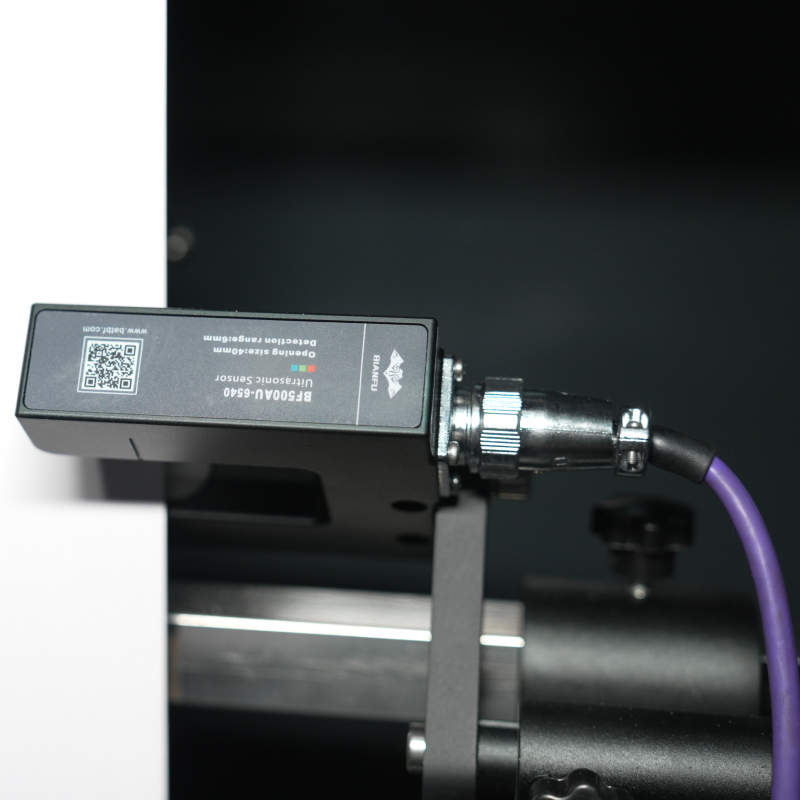
Otomatik kesme makinesi kağıdına entegre edilen akıllı otomasyon, maksimum verimlilik ve kaynak tasarrufu için kesme sürecinin her yönünü optimize etmeye yönelik kapsamlı bir yaklaşımdır. Modern sistemler, kağıt kalınlığını, yoğunluğunu ve yüzey özelliklerini otomatik olarak algılayan gelişmiş malzeme sensör teknolojisi içerir; bu teknoloji, operatör müdahalesi olmadan kesme parametrelerini buna göre ayarlar. Bu uyarlanabilir özellik, hafif dokulu kağıtlardan yoğun kartonlara kadar çeşitli malzeme türleri üzerinde en iyi kesme performansını garanti eder ve farklı malzemeler arasında geçiş yaparken geleneksel olarak gereken deneme-yanılma sürecini ortadan kaldırır. Otomatik besleme mekanizması, akıllı otomasyonun başka bir boyutunu temsil eder ve kesme bölgesine, bıçak döngüleriyle tam olarak senkronize olan hassas zamanlamayla sürekli olarak kağıt sağlar. Optik sensörler, malzemenin konumunu izler ve hizalama hatası veya eğilme durumlarında otomatik olarak düzeltme yapar; böylece her sayfa, doğru sonuçlar elde edebilmek için kesme alanına tam olarak hizalanmış şekilde girer. Otomatik kesme makinesi kağıdı, kesme desenlerini analiz eden ve her sayfadan mümkün olan en fazla kullanışlı parçayı çıkarmak amacıyla malzeme yerleşimini otomatik olarak optimize eden atık azaltma algoritmaları içerir. Bu akıllı yerleştirme (nesting) yeteneği, geleneksel kesme yöntemlerine kıyasla malzeme atığını yüzde yirmi ile otuz arasında azaltabilir; bu da doğrudan malzeme kullanım oranlarını artırır ve ham madde maliyetlerini düşürür. Sistemin programlanabilir belleği, yüzlerce kesme desenini saklar; her desen, belirli bir malzeme türü ve nihai boyutlarla ilişkilendirilmiştir. Böylece tekrarlayan işler için elle kurulum veya ölçüm yapılmadan anında çağrı yapılabilir. Operatörler, sadece dokunmatik menüden uygun programı seçer ve otomatik kesme makinesi kağıdı tüm kesme parametrelerini otomatik olarak yapılandırır; bu da kurulum sürelerini büyük ölçüde azaltır ve malzeme ile üretim süresi kaybına neden olan yapılandırma hatalarını ortadan kaldırır. Tahmin edici bakım özellikleri, bileşen aşınmalarını ve performans trendlerini izler; kesme kalitesi bozulmadan önce bıçakların bilenmesi veya değiştirilmesi gerektiğinde operatörlere uyarı verir. Bu proaktif yaklaşım, düşük kaliteli ürünlerin üretimini önler ve beklenmedik ekipman arızalarından kaynaklanan maliyetli üretim kesintilerini engeller. Otomatik kesme makinesi kağıdı ayrıca çıktı miktarlarını, çevrim sürelerini ve verimlilik metriklerini izleyen üretim izleme özelliklerini de içerir; bu da süreç optimizasyonu ve kapasite planlaması için değerli veriler sağlar. Entegrasyon yetenekleri sayesinde makine, daha geniş üretim yürütme sistemlerine (MES) bağlanabilir; böylece kesme işlemleri, üretim akışını kesintisiz hale getirmek amacıyla üst ve alt akış süreçleriyle otomatik olarak koordine edilir. Bu düzeyde akıllı otomasyon, otomatik kesme makinesi kağıdını basit bir kesme aracı olmaktan çıkararak, sürekli performansı optimize eden, kaynak tüketimini en aza indiren ve çıktı kalitesini maksimize eden, operatörün sürekli dikkati veya müdahalesini gerektirmeyen kapsamlı bir üretim sistemi haline dönüştürür.
 EN
EN