Automatic Paper Die Cutting Machines - Precision Cutting Solutions for Enhanced Production Efficiency

+86-577-58918888
All Categories

automatic paper die cutting

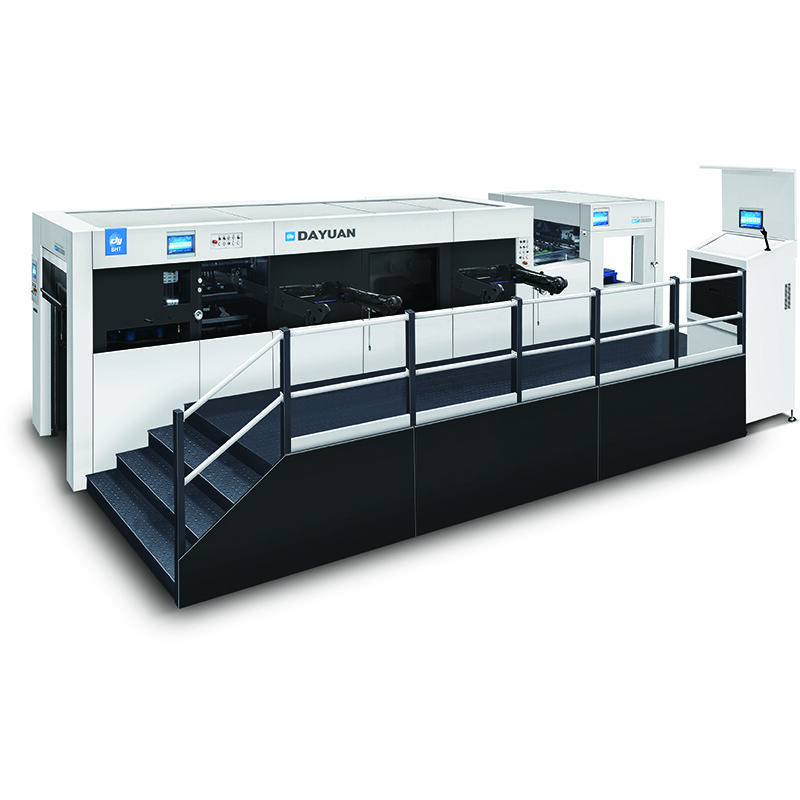
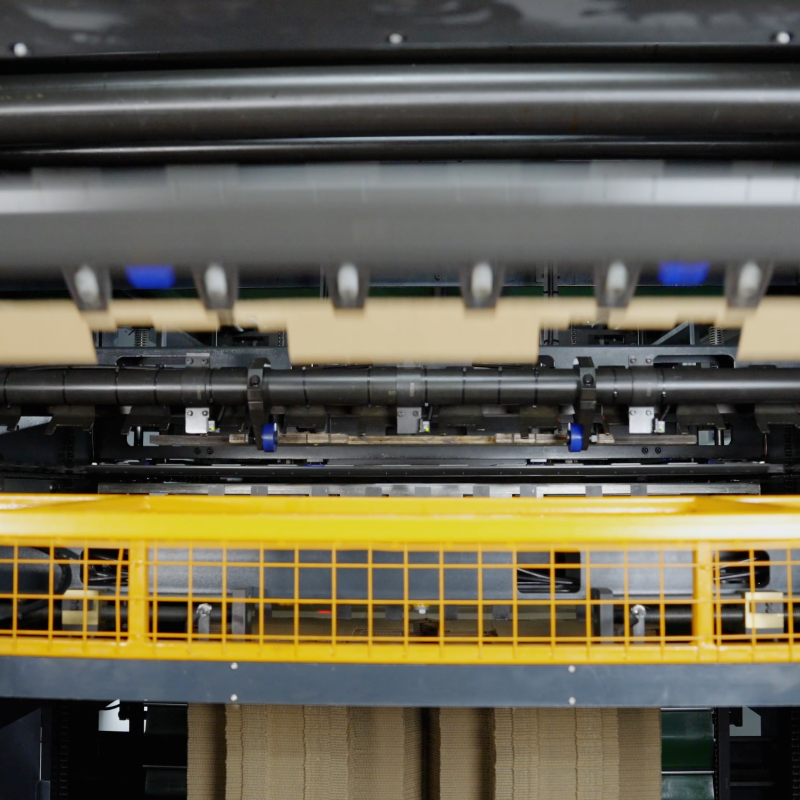
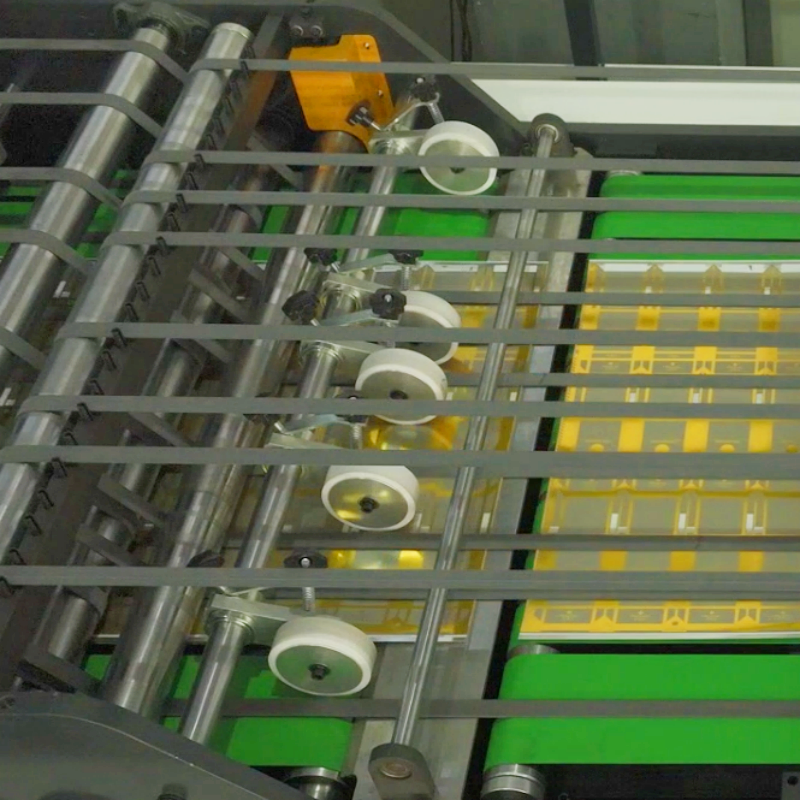
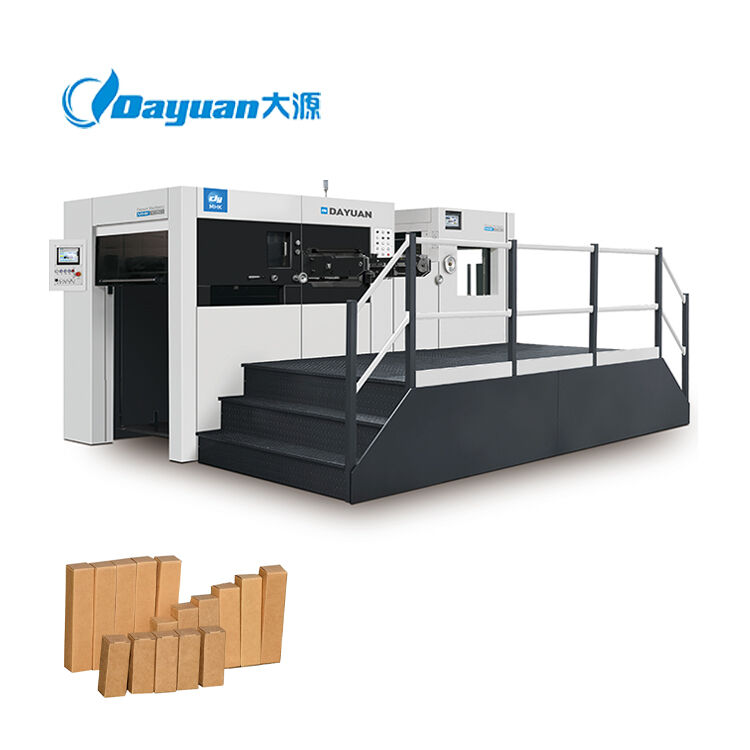
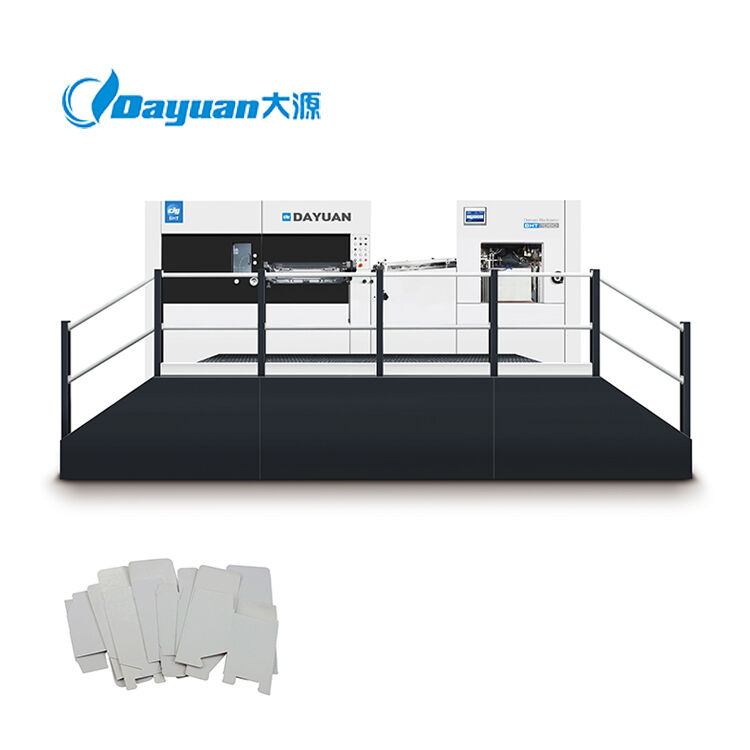
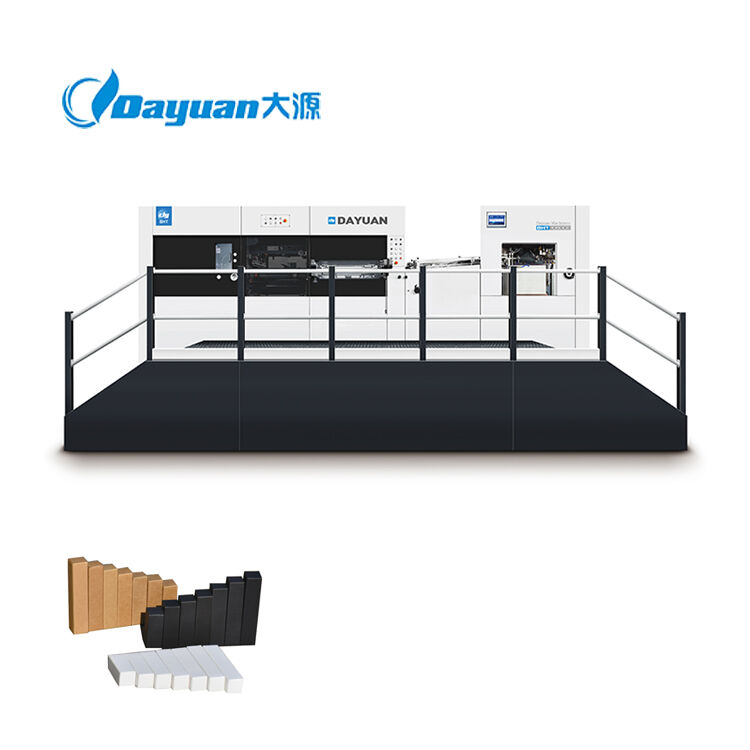
Automatic paper die cutting represents a revolutionary advancement in paper processing technology that transforms how businesses handle precision cutting operations. This sophisticated machinery automates the entire die cutting process, eliminating manual intervention while delivering consistent, accurate results across high-volume production runs. The automatic paper die cutting system integrates cutting-edge mechanical engineering with intelligent control systems to process various paper materials efficiently. At its core, this technology employs precisely manufactured steel rule dies or rotary dies that press through paper substrates with exceptional accuracy, creating intricate shapes, patterns, and designs that would be impossible or time-consuming to achieve manually. The main functions of automatic paper die cutting encompass feeding raw materials, positioning substrates with laser precision, executing the cutting operation, removing waste material, and stacking finished products. These machines handle diverse paper weights from lightweight tissue to heavy cardboard, adapting their pressure and speed parameters accordingly. Technological features include programmable logic controllers that manage operational sequences, servo motor systems ensuring precise registration, automatic feeding mechanisms maintaining consistent material flow, and safety sensors protecting operators. Advanced models incorporate touchscreen interfaces for intuitive operation, allowing operators to adjust settings, monitor production metrics, and troubleshoot issues efficiently. The applications for automatic paper die cutting span numerous industries including packaging manufacturing where it creates custom boxes and cartons, printing operations producing specialty shapes for marketing materials, label production requiring precise contours, greeting card manufacturing demanding intricate designs, and commercial printing facilities handling diverse client requirements. Educational institutions utilize these machines for craft projects, while industrial manufacturers employ them for gasket production and technical component fabrication. The versatility of automatic paper die cutting makes it indispensable for businesses seeking to enhance production capabilities, reduce labor costs, and maintain competitive advantages in markets demanding quality and efficiency. This technology continues evolving with innovations in automation, digital integration, and material compatibility, positioning it as an essential investment for forward-thinking enterprises.

New Products

Investing in automatic paper die cutting delivers transformative benefits that directly impact your bottom line and operational efficiency. First and foremost, this technology dramatically increases production speed compared to manual cutting methods. Where traditional approaches might process hundreds of pieces per hour, automated systems handle thousands, allowing you to fulfill larger orders within tighter deadlines and accept more projects without expanding your workforce. This velocity translates directly into revenue growth and customer satisfaction. The consistency achieved through automation eliminates the variability inherent in manual operations. Every piece emerges identical to specifications, reducing waste from mistakes and ensuring quality standards remain constant throughout production runs. This reliability protects your reputation and minimizes costly reprints or rejections. Labor cost reduction represents another significant advantage. Automatic paper die cutting requires minimal operator supervision, freeing your skilled workers to focus on tasks requiring human judgment and creativity rather than repetitive cutting operations. One operator can often manage multiple machines simultaneously, optimizing your workforce allocation and reducing per-unit labor expenses substantially. Safety improvements cannot be overstated. Manual cutting operations expose workers to blade injuries and repetitive strain conditions. Automated systems incorporate protective guards, emergency stops, and sensor-based safety mechanisms that virtually eliminate workplace accidents, reducing insurance costs and protecting your most valuable assets. The flexibility of automatic paper die cutting enables rapid changeovers between different designs and products. Modern machines allow quick die swaps and parameter adjustments, facilitating short-run specialty jobs alongside long production batches. This adaptability helps you serve diverse customer needs without maintaining separate equipment for each application. Material optimization features built into these systems minimize waste by calculating optimal layouts and precisely controlling cutting paths. The reduction in scrap material directly improves profit margins while supporting environmental sustainability goals increasingly important to consumers and regulatory bodies. Precision capabilities expand your service offerings. Intricate designs, fine details, and complex geometries become readily achievable, allowing you to compete for premium projects previously beyond your technical capabilities. This expanded portfolio attracts higher-value clients and premium pricing opportunities. Finally, the data collection and monitoring functions inherent in modern automatic paper die cutting systems provide valuable insights into production efficiency, maintenance needs, and process optimization opportunities. This intelligence enables continuous improvement initiatives that compound operational advantages over time, ensuring your investment delivers increasing returns as you refine workflows and capitalize on performance analytics.

Tips And Tricks

Why Is a Die Cutting Machine Essential for Consistent and Repeatable Paper Cutting Tasks?

15

Jan

Why Is a Die Cutting Machine Essential for Consistent and Repeatable Paper Cutting Tasks?

In the world of manufacturing and production, precision and repeatability are paramount for maintaining quality standards and operational efficiency. When it comes to paper processing applications, achieving consistent cuts across thousands or millio...
View More
How to Maintain the Blade and Calibration of Your Paper Cutter Machine for Safe Operation?

22

Jan

How to Maintain the Blade and Calibration of Your Paper Cutter Machine for Safe Operation?

Maintaining your paper cutter machine is essential for ensuring consistent performance, operator safety, and product longevity. Regular maintenance of both the cutting blade and calibration system prevents costly repairs while maximizing productivity...
View More
What Key Maintenance Steps Ensure Consistent Performance in a High-Cycle Paper Die Cutting Machine?

10

Feb

What Key Maintenance Steps Ensure Consistent Performance in a High-Cycle Paper Die Cutting Machine?

Industrial packaging and printing operations rely heavily on the consistent performance of their paper die cutting machine systems to meet demanding production schedules. These sophisticated pieces of equipment process thousands of sheets per hour, c...
View More
How Do You Select the Right Paper Cutter Machine for Heavy-Duty vs. Light-Duty Applications?

02

Apr

How Do You Select the Right Paper Cutter Machine for Heavy-Duty vs. Light-Duty Applications?

Selecting the appropriate paper cutter machine for your specific operational requirements involves understanding the fundamental differences between heavy-duty and light-duty applications. The choice you make directly impacts productivity, operationa...
View More

Get a Free Quote

Our representative will contact you soon.
Email
Name
Company Name
Required Product
Message
0/1000

automatic paper die cutting

Precision Engineering That Guarantees Perfect Results Every Time

Precision Engineering That Guarantees Perfect Results Every Time

The precision engineering embedded within automatic paper die cutting systems represents the cornerstone of their value proposition, delivering accuracy levels that fundamentally transform production quality standards. These machines achieve tolerances measured in fractions of millimeters, ensuring every cut aligns exactly with design specifications regardless of complexity or production volume. This extraordinary precision stems from multiple integrated technologies working in perfect synchronization. Advanced servo motor systems control positioning with micrometer accuracy, moving materials and dies into exact alignment before each cutting cycle. Unlike pneumatic or hydraulic systems that exhibit slight variability, servo technology provides repeatable positioning that never drifts or degrades over extended production runs. The registration systems employed in automatic paper die cutting utilize optical sensors or mechanical pins that detect material edges and reference marks, automatically compensating for any substrate variations or feeding irregularities. This adaptive capability means consistent results even when processing materials with slight dimensional variations or when environmental conditions affect paper characteristics. The cutting pressure applied during operations is precisely calibrated and continuously monitored, ensuring optimal force distribution across the entire die surface. Too little pressure results in incomplete cuts, while excessive force damages dies and substrates. Automatic systems maintain this critical balance through force feedback sensors and dynamic adjustment algorithms that respond to material density changes within milliseconds. Temperature management systems integrated into premium automatic paper die cutting machines maintain optimal operating conditions for both cutting components and paper materials. Temperature fluctuations affect paper moisture content and dimensional stability, potentially compromising accuracy. Controlled environments eliminate this variable, ensuring morning production matches afternoon output identically. The precision achieved enables applications previously impossible or economically unfeasible. Pharmaceutical packaging requiring exact dimensions for regulatory compliance, electronics industry components demanding tight tolerances for assembly compatibility, and luxury goods packaging where visual perfection differentiates premium brands all benefit enormously from this capability. Beyond individual piece accuracy, automatic paper die cutting maintains consistency across entire production runs spanning thousands or millions of units. Statistical process control features continuously monitor output quality, alerting operators to any deviation trends before they produce defective products. This proactive quality management protects against costly batch rejections and maintains customer confidence. The financial implications of such precision extend beyond waste reduction. Higher quality products command premium pricing, customer retention improves when deliveries consistently meet expectations, and your reputation as a reliable supplier opens doors to discerning clients who prioritize quality over cost considerations alone.
Intelligent Automation That Maximizes Productivity While Minimizing Complexity

Intelligent Automation That Maximizes Productivity While Minimizing Complexity

The intelligent automation incorporated into modern automatic paper die cutting systems revolutionizes how businesses approach production workflows, combining sophisticated technology with user-friendly operation that maximizes output without requiring specialized technical expertise. These machines think ahead, anticipating needs and optimizing processes in ways that amplify human capabilities rather than simply replacing manual labor. At the heart of this intelligence lies programmable logic controllers that orchestrate dozens of simultaneous operations with split-second timing. These digital brains coordinate material feeding, die positioning, cutting pressure application, waste removal, and product stacking in seamless sequences that eliminate idle time and bottlenecks. The programming interfaces allow operators to save unlimited job parameters, recalling complete setups instantly when repeating orders or switching between products. This memory eliminates time-consuming manual adjustments and ensures consistent reproduction of previous successful runs. Automatic paper die cutting systems incorporate self-diagnostic capabilities that continuously monitor component performance, predicting maintenance needs before failures occur. Sensors track motor temperatures, bearing vibrations, blade sharpness indicators, and hydraulic pressures, alerting maintenance teams when parameters approach concerning thresholds. This predictive approach prevents unexpected downtime that disrupts production schedules and disappoints customers. The intelligence extends to material handling innovations that reduce manual intervention dramatically. Automatic feeders draw sheets from supply stacks with vacuum or mechanical grippers, presenting each piece in perfect alignment without operator handling. Similarly, finished product stackers compile output neatly, often separating waste from finished goods automatically. Some advanced systems integrate directly with upstream and downstream equipment, creating fully automated production lines from raw material to packaged finished goods. Integration capabilities allow automatic paper die cutting machines to communicate with enterprise resource planning systems, reporting production counts, efficiency metrics, and material consumption in real time. This connectivity enables sophisticated inventory management, accurate job costing, and data-driven decision making that optimizes business operations beyond the production floor. The learning algorithms built into premium systems analyze production history to recommend optimal settings for new jobs based on similar previous work. This artificial intelligence shortens setup times and reduces the trial-and-error period typically required when processing unfamiliar materials or designs. Operators benefit from guided workflows presented on intuitive touchscreen interfaces that employ visual icons and plain language rather than cryptic codes. Training new staff becomes faster and easier, reducing the dependency on veteran operators and improving workforce flexibility. Despite this sophisticated automation, manual override capabilities remain available for situations requiring human judgment. This balanced approach combines automation efficiency with human creativity and problem-solving abilities, delivering optimal results across diverse production scenarios that automated systems alone cannot fully anticipate.
Versatile Adaptability That Expands Your Market Opportunities

Versatile Adaptability That Expands Your Market Opportunities

The versatile adaptability of automatic paper die cutting technology opens unprecedented market opportunities by enabling businesses to serve diverse customer needs with single equipment investments rather than maintaining specialized machines for narrow applications. This flexibility transforms these systems from single-purpose tools into comprehensive production platforms capable of evolving alongside changing market demands and business growth. Material compatibility represents the foundation of this versatility. Automatic paper die cutting handles extraordinary ranges of substrates including thin tissues weighing mere grams per square meter, standard commercial papers, heavyweight cardstocks, corrugated cardboards, foam boards, magnetic sheets, and specialty materials like metallic papers or synthetic substrates. Quick adjustments to pressure settings, cutting speeds, and die configurations allow seamless transitions between materials without compromising quality or requiring extensive reconfiguration. The die options available for these systems accommodate virtually any conceivable shape or design complexity. Flatbed rotary dies suit long straight cuts and simple geometries, while steel rule dies enable intricate contours with sharp corners and fine details. Magnetic dies facilitate rapid changeovers for short production runs, while permanent dies optimize efficiency for high-volume repeat orders. Some automatic paper die cutting machines accept multiple die types, providing ultimate flexibility within single platforms. Size capacity variations mean businesses can select machines matching their typical project dimensions while occasional larger or smaller jobs remain achievable through creative processing approaches. Modular designs allow capacity upgrades as business volumes grow, protecting initial investments while accommodating expansion. The processing capabilities extend beyond simple cutting to include creasing, perforating, embossing, and kiss-cutting operations. These value-added functions enable comprehensive finishing services that differentiate your offerings from competitors limited to basic cutting. Creating folding cartons complete with crease lines, producing peel-away labels with backing intact, or adding dimensional embossed elements all become possible without transferring work to secondary equipment. Application diversity enabled by automatic paper die cutting spans commercial printing producing marketing materials, packaging manufacturing creating retail boxes, label production for products across industries, greeting card manufacturing, educational material creation, industrial gasket fabrication, and specialty applications limited only by imagination. This breadth allows strategic business positioning serving multiple markets, insulating against downturns in any single sector. The customization capabilities inherent in these systems align perfectly with contemporary market trends favoring personalization and limited edition productions. Where traditional manufacturing economics favored long identical runs, automatic paper die cutting makes short custom batches economically viable, opening opportunities in boutique packaging, personalized stationery, and specialty promotional items. Future-proofing represents perhaps the most valuable aspect of this versatility. As your business evolves, customer preferences shift, and new applications emerge, your automatic paper die cutting investment continues delivering value rather than becoming obsolete. This longevity and adaptability provide confidence that today's capital expenditure supports tomorrow's opportunities, making the investment decision strategically sound beyond immediate production needs.

Get a Free Quote

Our representative will contact you soon.
Email
Name
Company Name
Required Product
Message
0/1000