 EN
EN

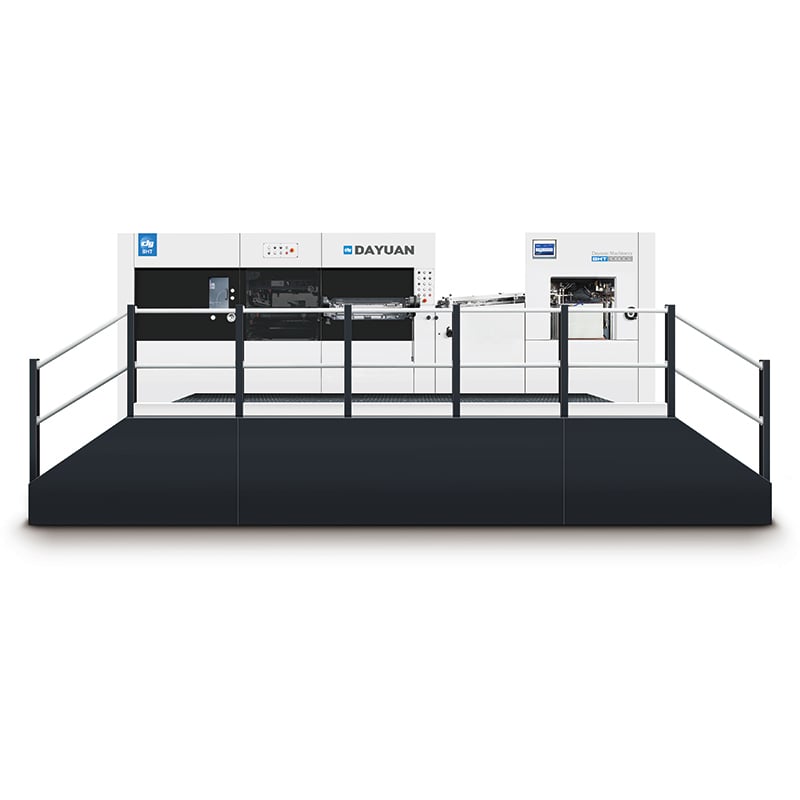
Selecting the right cut and die machine is one of the most consequential decisions a manufacturing professional can make. The equipment you choose directly shapes your production efficiency, output consistency, and long-term operational performance. Whether your facility produces packaging cartons, labels, gift boxes, or specialized paper products, identifying the correct cut and die machine requires a clear understanding of your material requirements, production scale, design complexity, and quality standards. This guide provides a structured framework to help you make that decision with confidence.
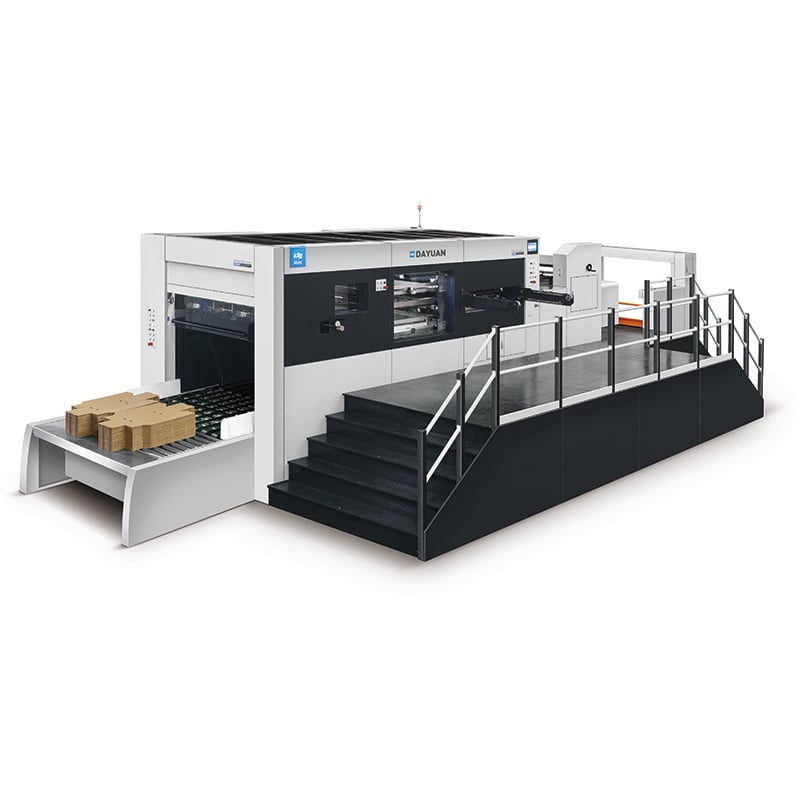
Die-cutting technology has advanced considerably in recent years, giving paper manufacturers greater control over precision, automation, and workflow integration. A well-matched cut and die machine handles intricate designs, maintains consistent tolerances across extended production runs, and integrates smoothly into your existing workflow — all while preserving the structural integrity of your finished paper products. Understanding the differences between machine types, configurations, and capabilities is essential before committing to any investment.
Understanding What a Cut and Die Machine Can Process
Material Scope: Paper Substrates and Their Boundaries
A cut and die machine is engineered for paper. Its primary function is processing paperboard, cardstock, coated paper, corrugated board, and other cellulose-based substrates. These materials represent the core of what the equipment is designed to handle, and in the majority of production environments, they are the only material category that should factor into your evaluation.
Some machine configurations can accommodate thin plastic films in a limited capacity — for instance, a light plastic laminate bonded to a paper structure, or a plastic window film integrated into a paper carton. However, this capability is incidental rather than central, and should never be assumed. Always confirm directly with the manufacturer whether a specific machine configuration supports any non-paper substrate before factoring it into your requirements.
It is equally important to understand where a cut and die machine's capability ends. In terms of material category, the equipment is not built for metal-based components — this includes electronic parts, automotive components, and metal blister packaging. It also falls outside the machine's scope to process rigid or thick plastics, and any textile-based materials such as woven or non-woven fabric. Soft or semi-solid materials, including gel, colloid substances, foam, and sponge padding used for cushioning inserts, are likewise unsuitable for this equipment. A useful reference point is pharmaceutical packaging: even though medicine boxes pass through production, the cut and die machine only ever touches the outer paper carton — never the blister pack, the medicine itself, or any other internal component. Clarifying your material scope against these boundaries early in the evaluation process eliminates mismatched options and focuses your search on equipment that genuinely fits your needs.
Process Scope: What a Cut and Die Machine Actually Does
A flatbed cut and die machine performs four core processes: hot foil stamping, die-cutting, creasing, and embossing (also referred to as debossing when creating recessed textures). These four processes define the functional boundary of this category of equipment. Once a sheet has been die-cut, separating finished pieces from the surrounding skeleton material is typically handled as a distinct downstream step in the production sequence, carried out on separate equipment dedicated to that task. If your production workflow requires operations outside the four core processes above — such as heavy plastic lamination, metal fabrication, or foam component assembly — those steps likewise require separate, purpose-built machinery. The cut and die machine should be evaluated strictly within its own scope: hot foil stamping, die-cutting, creasing, and embossing on paper-based substrates.
Understanding Your Production Requirements
Defining Your Paper Product Specifications
Before evaluating any cut and die machine, establish a clear picture of the paper products you manufacture. Document the paper grades, substrate thicknesses, and surface finishes that form your standard material range. Some cut and die machine configurations perform best with lighter stocks such as folding boxboard or coated cardstock, while others are engineered for heavier corrugated paperboard or multi-layer substrates. The machine you select must accommodate your full material range without requiring constant tooling changes or compromising cutting accuracy. A precise material specification drives the right machine selection from the outset.
Assessing Production Volume and Capacity Requirements
Your production volume profile determines the operational capacity your cut and die machine must sustain. A machine configured for short-run or prototype work will become a bottleneck when deployed in a high-volume production environment. Conversely, sourcing an industrial-grade machine for a low-volume operation ties up capital and floor space unnecessarily. Review your current production demands and project how they are likely to evolve over the next several years. The right cut and die machine should handle your peak periods without strain while remaining well-suited to your everyday operating conditions. Cycle rates vary substantially across machine categories — confirm that the machine you evaluate aligns with your actual throughput requirements rather than generic benchmarks.
Key Technical Features and Capabilities
Precision, Registration, and Die Compatibility
Cutting precision is the foundation of any professional cut and die machine. Modern systems achieve registration tolerances measured in fractions of a millimeter, enabling accurate kiss-cutting, window cutting, and multi-layer designs on paper substrates. The registration system determines how reliably consecutive cuts align with prior impressions — a critical factor for multi-color work, complex structural designs, and products where dimensional accuracy affects downstream assembly.
Die compatibility is equally important. Evaluate the range of die formats, sizes, and mounting systems supported by the machine. Some manufacturers maintain extensive libraries of standard tooling; others are better suited to custom die fabrication. A cut and die machine with broad die compatibility and a well-supported tooling ecosystem extends your long-term production flexibility and reduces changeover time between jobs.
Automation and Operator Efficiency
Cut and die machines range from semi-automatic units that require manual sheet feeding to fully automated systems with integrated feeders, registration systems, and output stackers. Higher automation reduces manual handling, minimizes the opportunity for human error, and supports more consistent output across extended runs. Features such as automatic paper alignment, optical positioning, and servo-driven pressure control contribute to both precision and operational reliability.
Automation also introduces additional complexity in setup, calibration, and maintenance. Before prioritizing a fully automated configuration, assess whether your production scale, staffing structure, and technical capabilities support the added demands. The right level of automation is the level that your team can operate and maintain effectively — not simply the most advanced option available.
Evaluating Machine Quality and Long-Term Performance
Build Quality, Durability, and Maintenance Planning
The mechanical quality of a cut and die machine determines how reliably it performs over time. Machines built from precision-cast frames, quality bearing assemblies, and engineered pressure systems maintain their accuracy across extended operational lifespans. When evaluating a machine, examine the construction of its feeding system, platen mechanism, and frame structure. Robust components resist wear and deformation, reducing unplanned downtime and the frequency of corrective maintenance.
Request detailed maintenance documentation and confirm parts availability before committing to a purchase. Understanding the service intervals, consumable requirements, and spare parts supply chain for a specific machine prevents operational surprises and allows you to plan maintenance proactively. Long-term performance is as much a function of support infrastructure as it is of initial build quality.
Manufacturer Support, Training, and Technical Resources
The quality of support available after purchase significantly influences how much value your cut and die machine delivers in practice. Comprehensive operator training helps your team extract consistent, accurate performance from the equipment from day one. Clear technical documentation, accessible customer service, and responsive after-sales support are essential when troubleshooting issues or optimizing settings for new materials and designs.
Evaluate the manufacturer's service network, warranty terms, and track record with customers at a similar scale and in similar industries. A manufacturer with a global service presence and a long operational history provides greater assurance of continuity than one with limited support infrastructure. The relationship with your equipment supplier extends well beyond the initial transaction — choose one whose capabilities and commitments align with your long-term production needs.
Practical Selection Framework
Conducting On-Site Demonstrations and Material Trials
Never finalize a cut and die machine purchase without first observing its performance on your own paper materials and designs. Request a demonstration using your actual substrates, your most demanding tolerances, and your most complex structural designs. A controlled trial reveals cutting quality consistency, registration accuracy, changeover complexity, and operator interface intuitiveness in conditions that reflect your real production environment.
Pay particular attention to how the machine handles your most challenging materials and how easily it transitions between different jobs. A machine that performs well in a manufacturer's demonstration facility with standardized test materials may behave quite differently when processing the specific paper grades, coatings, and design intricacies of your actual products. Material trials under real conditions are the most reliable basis for a final decision.
Evaluating Total Cost of Ownership
The acquisition cost of a cut and die machine represents only one dimension of the financial commitment involved. A thorough evaluation considers installation requirements, operator training, tooling and dies, ongoing maintenance, energy consumption, and the long-term availability of spare parts and technical support. Machines with lower upfront costs but higher operating demands or limited service availability can carry a significantly higher total cost over their operational life.
Analyze your production requirements, material waste rates, and labor efficiency across different machine options. A machine that reduces setup time, minimizes material waste, and maintains consistent quality over time delivers compounding operational benefits. Factor in depreciation timelines, financing terms if applicable, and the manufacturer's upgrade pathway when comparing options. A thorough total cost of ownership analysis provides a more accurate picture of each machine's long-term value than acquisition cost alone.
Frequently Asked Questions
What materials can a cut and die machine actually process?
A cut and die machine is designed for paper and paperboard substrates, including cardstock, folding boxboard, coated paper, and corrugated board. Some configurations can accommodate thin plastic films in limited applications — such as a plastic window film laminated into a paper carton — but this should always be confirmed with the manufacturer. Outside of this, the machine is not suited to metal components (electronic parts, automotive components, metal packaging elements), rigid or thick plastics, textile materials such as woven or non-woven fabric, or soft/semi-solid materials like gel, colloid substances, and foam padding. In pharmaceutical packaging, for example, the machine processes only the outer paper carton — never the medicine, the blister pack, or any internal non-paper component.
What processes does a cut and die machine perform?
A flatbed cut and die machine covers four core processes: hot foil stamping, die-cutting, creasing, and embossing (or debossing, for recessed designs). These define the functional scope of the equipment. Separating finished pieces from the surrounding waste material is generally treated as its own downstream step, performed on dedicated equipment rather than as part of the cut and die machine's own function. Production steps outside the four core processes — such as heavy plastic lamination, metal component fabrication, or foam assembly — also require separate, purpose-built machinery.
What specifications should I prioritize when selecting a cut and die machine?
Begin with cutting precision and substrate compatibility, then assess automation level, cycle capacity, and die flexibility in relation to your specific production requirements. Verify that the machine's registration tolerances match your design complexity, that it handles your paper grades without adjustment compromises, and that its capacity aligns with your actual production demands. Manufacturer support quality and parts availability should also weigh heavily in your evaluation — they directly affect long-term operational performance.
How does automation in a cut and die machine affect operations?
Higher automation reduces manual labor requirements, minimizes human error, and supports more consistent output. However, automated systems also require more sophisticated setup, calibration, and maintenance. The appropriate automation level depends on your production scale, staffing structure, and the technical capabilities available within your team. Prioritize the level of automation that your operation can deploy and sustain effectively.
What should I evaluate during a cut and die machine trial?
Use your own paper materials and most complex designs during the trial. Assess cutting quality consistency across multiple runs, registration accuracy on your actual layouts, ease of job changeover, and operator interface clarity. Ask questions and request technical guidance during the evaluation — the responsiveness and depth of knowledge shown by the manufacturer's team during a trial is a reliable indicator of the support quality you can expect after purchase.
Table of Contents
- Understanding What a Cut and Die Machine Can Process
- Understanding Your Production Requirements
- Key Technical Features and Capabilities
- Evaluating Machine Quality and Long-Term Performance
- Practical Selection Framework
-
Frequently Asked Questions
- What materials can a cut and die machine actually process?
- What processes does a cut and die machine perform?
- What specifications should I prioritize when selecting a cut and die machine?
- How does automation in a cut and die machine affect operations?
- What should I evaluate during a cut and die machine trial?